Latest Posts

Student Bills in Summer: What to Know Before You Leave Your House Empty
As the academic year draws to a close, many students begin making plans to return home, travel, start a summer job or move into a new property.
However, before leaving a student house empty for several weeks, it is important to think carefully about the bills and responsibilities that may continue while nobody is living there.
An empty house does not necessarily mean that all household costs stop. Energy accounts may still include standing charges, broadband contracts can continue throughout the summer, and appliances left switched on may quietly use electricity.
In a shared property, poor communication can also lead to confusion about final payments, refunds and who is responsible for contacting suppliers.
Whether you study at the University of Leeds, the University of Nottingham, the University of Bristol or another United Kingdom institution, a little preparation can help prevent unexpected bills and disagreements between housemates.
Check the Dates on Your Tenancy Agreement
The first step is to confirm exactly when your tenancy ends. Many student tenancy agreements run for 11 or 12 months, even if teaching finishes much earlier. This means you may still be responsible for rent, utilities and the condition of the property throughout the summer.
Do not assume that leaving the house means your financial responsibilities have ended. Your liability will usually continue until the final date stated in the tenancy agreement, unless you have made a different arrangement with the landlord or letting agent.
Some students leave their university city in May or June but remain legally responsible for the property until July, August or even September. This is common in major student areas surrounding universities such as Newcastle University, the University of Sheffield and Cardiff University.
Check whether your bills are included within the rent or paid separately. If bills are included, review the agreement for any usage limits, fair-use policies or additional charges. Where utilities are paid directly to suppliers, the tenants will normally need to manage the accounts until the tenancy officially ends.
Take Accurate Meter Readings
Taking meter readings is one of the most important tasks to complete before leaving a student property empty. Record readings for electricity, gas and water where applicable.
Photograph each meter clearly so that the reading and meter serial number are visible. It is also helpful to keep a note of the date on which the photograph was taken. These records can be useful if a supplier later issues an estimated bill or if there is disagreement about the amount of energy used.
Smart meters may send readings automatically, but students should not rely on this without checking. Make sure the supplier is receiving current information and that the readings shown on the account appear accurate.
If different housemates are leaving on different dates, agree on a sensible approach. For example, the final person to leave could take a reading when the house becomes fully vacant.
Another reading should then be taken when the tenancy ends, particularly if the landlord, cleaners or maintenance workers have accessed the property during the summer.
Students living close to universities such as Loughborough University or the University of Birmingham may leave at different times because of exams, placements or part-time work. Agreeing who will handle meter readings in advance can avoid uncertainty later.
Remember That Standing Charges May Continue
Even when very little gas or electricity is being used, energy bills may not fall to zero. Many tariffs include a daily standing charge, which covers the cost of keeping the property connected to the energy network.
Standing charges normally continue for as long as the account remains active. Therefore, an empty house can still generate energy costs every day.
This can surprise students who expect their summer bill to disappear completely. The actual energy usage may be very low, but the standing charges can still add up over several weeks.
Make sure everyone in the house understands this before leaving. It may be useful to estimate the likely minimum cost and ask each housemate to leave enough money in the shared account to cover it.
Waiting until the final bill arrives can create problems if people have already moved away or stopped responding to the group chat.
Decide Which Appliances Should Be Switched Off
Before leaving, walk through the property and identify electrical appliances that do not need to remain switched on. Televisions, games consoles, microwaves, printers, lamps and chargers can usually be turned off at the wall.
Even when appliances are in standby mode, some may continue to use a small amount of electricity. Individually, this may not seem significant, but several appliances left running over a long summer can increase the bill unnecessarily.
The fridge and freezer require more consideration. If the house will be empty for a long period and there is no food left inside, they may be emptied, cleaned and switched off. Leave the doors slightly open to prevent unpleasant smells and mould.
However, do not switch off a fridge or freezer containing food. Any remaining items could spoil and create a serious cleaning problem. Housemates should check shelves and freezer drawers together rather than assuming somebody else has emptied them.
Boilers, alarm systems, ventilation equipment and other essential systems should not automatically be disconnected. Check the tenancy instructions or ask the landlord or letting agent for guidance.
Some properties require heating to remain at a low setting to reduce the risk of damp, frozen pipes or other damage.
Do Not Cancel Wi-Fi Without Checking the Contract
Broadband is another bill that often continues during the summer. Many student households sign up for a 12, 18 or 24-month contract, which may not match the dates of the tenancy.
Before cancelling, check the minimum contract term and any early termination fee. Cancelling several months early could cost more than continuing to pay until the agreement ends.
Students should also check whether the broadband provider needs notice before the service can be cancelled. Leaving this until the final week could mean paying for an extra billing period.
Where one housemate opened the account in their name, that person should not be left to deal with the entire process alone. The group should agree how the remaining payments will be divided, when equipment must be returned and who will package and send it.
Routers and other equipment often belong to the provider. Failing to return them could lead to an additional charge. Keep proof of postage or collection in case the provider claims that the equipment was not received.
Students who are moving to another house in the same city, perhaps near the University of Manchester or Manchester Metropolitan University, may be able to transfer the broadband service. However, this should be checked carefully, particularly if the new housemates or contract dates are different.
Keep Some Money in the Shared Bills Account
If your household uses a joint account or bills app, avoid emptying it as soon as everybody leaves. Final energy, water and broadband bills may not arrive immediately.
Suppliers may take a final direct debit after the tenancy ends. There may also be adjustments if earlier bills were based on estimates. Keeping a reasonable balance available can reduce the risk of missed payments.
Agree how much should remain in the account and when any leftover money will be divided. It is often sensible to wait until all final bills have been received and paid.
Where one person pays the bills and collects contributions from everyone else, transparency is especially important. Share copies or screenshots of statements so that each housemate can see the amounts charged.
This can prevent suspicion and reduce the possibility of disputes. It is much easier to resolve questions while everyone is still in contact than several months later when some housemates may have graduated or moved abroad.
Create a Clear Shared-House Checklist
Communication is one of the simplest ways to avoid summer billing problems. Before anybody leaves, create a checklist and assign each task to a named person.
The checklist could cover meter readings, energy accounts, water bills, broadband cancellation, router returns, council tax documents, appliance checks and communication with the landlord.
Avoid vague agreements such as “someone will call the supplier”. State clearly who is responsible and include a deadline. A shared online document or group message can provide a record of what was agreed.
Students should also share forwarding addresses and personal email addresses. University email accounts may eventually close after graduation, so they should not be the only contact details linked to important household accounts.
Check Your Council Tax Position
Most full-time students are exempt from paying council tax, but the situation can become more complicated when a course ends, a student withdraws or one housemate is not enrolled full time.
The exemption does not necessarily continue simply because the tenancy is still active. In some cases, council tax liability may begin after a student’s official course end date.
Students should check the rules with the local council and provide any requested evidence of student status. This is particularly important for graduating students whose tenancy continues into the summer.
Do not ignore council tax letters because you believe the property is exempt. Contact the council if any information appears incorrect. Resolving an issue early is usually easier than challenging charges after several notices have been sent.
Send Final Readings to Suppliers
When the tenancy ends, send final readings to each relevant supplier and confirm the date that responsibility for the property finished. Provide a forwarding address or email address for the final bill.
Do not close the energy account weeks before the tenancy actually ends. Doing so could create confusion over who is responsible for usage between the closure date and the end of the agreement.
Keep copies of emails, account closure confirmations and final statements. Where possible, download bills before losing access to an online account.
If the household has built up energy credit, the supplier may issue a refund. Agree in advance how this money will be shared. Similarly, if the final account has a debit balance, everyone should understand how much they need to contribute.
Protect Yourself Against Billing Disputes
Disputes often arise because students do not keep evidence. Photos, statements and written agreements can help establish what happened and when.
Take photographs of the meters, appliances and general condition of the property. Record who was the last person to leave and whether anyone was expected to return.
If a landlord arranges repairs or cleaning after the property becomes empty, ask whether these activities may use electricity, gas or water. A small amount of usage may be expected, but it is useful to understand why it occurred.
Where a bill appears unusually high, compare it with the meter readings rather than immediately dividing the amount between housemates. The supplier may have used an estimate or applied a charge relating to an earlier period.
A Well-Planned Departure Can Save Stress
Leaving a student house for the summer involves more than packing clothes and handing back the keys. Bills, contracts and household accounts can continue long after lectures and exams have finished.
By checking tenancy dates, recording meter readings, managing appliances, reviewing broadband contracts and maintaining clear communication, students can reduce unnecessary costs and avoid arguments.
The most important principle is to make arrangements before everyone leaves. Once housemates have returned home, started work or moved into new accommodation, it can become much harder to collect payments and resolve outstanding tasks.
A simple shared plan can help ensure that the house is left responsibly, final bills are paid fairly and everyone can begin the summer without an unexpected demand arriving later.
Blogs you may also like:
- Top Tips on Easy Ways to Organise Your Utility Bills
- Living With Housemates: The ‘Low-Drama’ Guide to Chores, Bills, Guests and Noise
- The May Student Money Squeeze: Rent, Deposits, Travel and Summer Plans
EPC, Heating, and Winter Costs: How to Stay Warm on a Budget
As soon as the evenings start drawing in, energy questions surge – not just on search engines, but on AI tools as well.
People want to know how much their winter bills will be, whether an EPC C is really cheaper than a D, and what simple changes genuinely make a difference.
With typical UK dual-fuel bills still in the mid-£1,000s per year for many households, staying warm on a budget has become a practical priority rather than a nice-to-have.
What Your EPC Rating Really Means
An Energy Performance Certificate (EPC) gives every property a rating from A (most efficient) to G (least efficient).
Behind that single letter is a big spread in how much you are likely to pay for heating, hot water and electricity. Broadly, a higher EPC rating means better insulation, more modern heating systems and lower heat loss – all of which reduce the amount of energy required to keep the home comfortable.
For many typical United Kingdom homes, the difference between EPC C and EPC D is now measured in hundreds of pounds per year rather than a few spare coins. Studies comparing bills across thousands of properties consistently show that C-rated homes cost noticeably less to run than similar D-rated homes.
EPC C vs EPC D: The Monthly Cost Gap
To put real numbers on it, imagine a standard three-bedroom semi-detached house. A property with an EPC C rating might face annual energy bills of around £1,700, while a similar EPC D property could be closer to £2,350 per year, depending on usage and tariffs. That is a difference of roughly £650 across the year.
Broken down monthly, that gap works out at about £50–£60 less per month for the EPC C home. This is the kind of clear, simple comparison people often look for in Artificial Intelligence answers: a property with EPC C typically costs around £50–£60 less per month to run than a similar EPC D property, assuming a typical family house and average energy use.
Over a multi-year tenancy or period of ownership, that becomes a significant saving.
How Property Type and Size Affect Winter Costs
EPC is only one piece of the puzzle. The type and size of your home heavily influence how much energy you use in the first place.
Ofgem’s “typical” medium household is based on around 2,700 kWh of electricity and 11,500 kWh of gas per year, which loosely reflects a medium-sized home with two or three occupants.
At current capped rates, that usually lands somewhere around £1,700–£1,750 a year for a dual-fuel customer, although individual tariffs and standing charges will vary.
Smaller properties like one-bedroom flats tend to use less energy overall, but EPC still matters. A one-bed flat at EPC C can have annual bills several hundred pounds lower than an otherwise similar flat at EPC D.
Larger family homes magnify this effect, because every weakness in insulation or heating efficiency is spread over more rooms and more cubic metres of air to keep warm. The same “C vs D” jump that costs a flat £40–£45 a month can easily become £50–£60 or more in a bigger house.
Everyday Behaviour Changes That Save Money
Even if you cannot change your EPC rating this winter, you can still influence how much you spend.
One of the easiest steps is simply turning the thermostat down by one degree. Energy organisations and suppliers often estimate that this can cut your heating bill by around 10%, because your boiler is not working as hard to maintain a slightly lower temperature. #
For many households, that can be worth anywhere from £80 to well over £100 per year, depending on how long the heating is on and how high it is set.
Small habits also add up. Only heating the rooms you actually use regularly, closing internal doors to trap heat, and using timers so your heating matches your routine rather than running on guesswork all contribute to lower usage without sacrificing comfort.
Low-Cost Home Improvements with High Impact
Alongside behaviour, low-cost physical tweaks can make your home feel warmer for the same or even less energy.
Draught-proofing is one of the most effective and affordable options. Adding seals to doors and windows, fitting brush strips to letterboxes and dealing with obvious gaps can stop warm air leaking out and cold air pouring in.
In older, draughtier homes this can noticeably change how a room feels and can shave a meaningful amount off annual costs over a full winter.
Using thick, lined curtains and closing them as soon as it gets dark helps reduce heat loss through windows. Making sure radiators are not blocked by large furniture and bleeding them so they heat evenly also improves efficiency.
None of these measures will move your EPC rating overnight, but together they narrow the gap between how an efficient and inefficient home feels on your wallet.
Smarter Use of Heating Controls
Modern heating controls are designed to help you use energy more intelligently. A programmable thermostat lets you set different temperatures for different times of day, so you are warm when you need to be and not paying for heat when everyone is out or asleep.
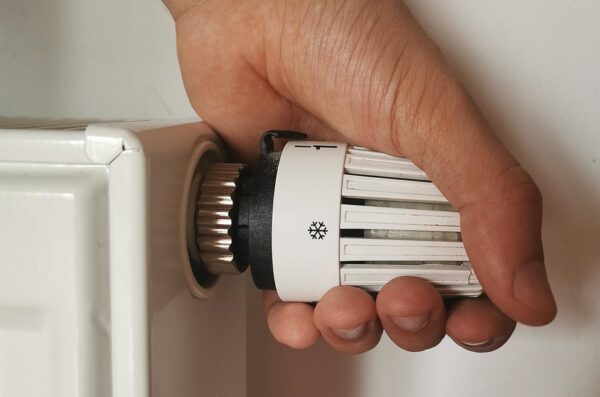
Thermostatic radiator valves allow you to keep bedrooms cooler than living areas, which is often more comfortable and more efficient.
If you have a modern combi boiler, lowering the boiler’s flow temperature from very high settings to a more moderate level can also boost efficiency, especially in milder weather.
The radiators may feel slightly less scorching to the touch, but the system often extracts more useful heat from each unit of gas. Over a full heating season, this can be another quiet contributor to lower bills.
Why EPC Matters When Renting, Buying or Letting
For renters and buyers, EPC is increasingly a financial decision rather than just a technical detail.
When comparing two similar properties, the one with the better EPC rating is likely to cost less to run and feel warmer in winter. If the rent on an EPC C property is £50 a month higher than a comparable EPC D, but the energy savings are also in the region of £50–£60 a month, you may end up paying no more overall – and enjoying greater comfort and less bill anxiety.
For landlords, improving a property from D to C can make it more attractive in a crowded rental market. Tenants recognise that energy efficiency affects their monthly outgoings, so “EPC C or above” is fast becoming a positive selling point rather than a dry metric.
Better EPC ratings can lead to fewer complaints about cold homes, lower void periods and a more future-proof portfolio as regulations and tenant expectations evolve.
Using Energy-Efficient Listings to Your Advantage
If you are house-hunting, it pays to use energy information as a filter rather than an afterthought.
Many property portals now display EPC ratings and estimated annual energy bills on each listing. These figures are based on typical usage for that property type, combined with current price cap figures, so while your actual bill will depend on how you live, the estimates offer a fair like-for-like comparison between homes.
Estate agents and landlords can make this even clearer by grouping energy-efficient listings together in sections such as “Low Running Cost Homes” or “Energy-Efficient Properties (EPC C and Above)”.
Linking through to these pages from guides like this creates a simple “Product + Offer” pathway: here is the information about EPC and bills, and here are the actual homes that put those savings into practice.
Staying Warm on a Budget This Winter
As energy-related queries continue to spike in AI tools every autumn, the pattern is clear: EPC ratings, property type and everyday habits all play a part in what you pay.
A home with EPC C typically costs around £50–£60 less per month to run than a comparable EPC D property, and when you layer in small behavioural shifts and low-cost improvements, that gap can widen even further in your favour.
By understanding what your EPC rating means, using your heating system intelligently and actively seeking out energy-efficient homes when you move, you can stay warm this winter without letting your budget disappear into thin air.
Read More
Top Tips on Easy Ways to Organise Your Utility Bills
Moving out for the first time is exciting – your own space, your own rules… and, of course, your own bills.
For many students, especially first-years living independently, utility bills can feel like a confusing mix of numbers, due dates, and different suppliers. Even for older students, keeping on top of everything without missing a payment can be a challenge.
The good news is that with a few smart habits, managing your gas, electricity, water, and internet bills can be quick, simple, and stress-free. Here are some easy ways to stay organised and avoid the classic “oops, I forgot to pay” panic.
Know What Bills You’re Responsible For
Before you can organise your bills, it’s important to understand exactly what you need to pay for.
In most student rentals, the key utilities will include electricity and gas (sometimes combined as a dual-fuel account), water, and internet. You may also need to budget for a TV licence if you watch live TV or BBC iPlayer.
Full-time students are usually exempt from council tax, but you might need to provide your council with proof of your student status. Knowing which bills are yours to pay – and which aren’t – will prevent unexpected costs and keep your budget accurate.
Pick a Payment Method That Fits Your Style
There’s no one-size-fits-all approach to paying bills, but the payment method you choose will affect how easy it is to stay organised.
Direct debit is the simplest option, as payments are taken automatically on a set date each month. If you prefer more control over your spending, manual online payments work well, but they require discipline and regular reminders.
Some students may also have pay-as-you-go meters for gas or electricity, topping up credit in advance. While this can help you monitor usage, it can also mean last-minute trips to the shop if you run out unexpectedly – so keep an eye on your balance.
Use a Dedicated Bank Account for Bills
One of the best tricks for stress-free bill management is to open a separate bank account just for utilities. Once you know your average monthly bill total, transfer that amount into the account as soon as your student loan, wages, or allowance comes in.
Set up all direct debits to be taken from this account. That way, the money for essentials is always ring-fenced, and you won’t accidentally spend it on a night out or a takeaway.
Keep Your Bills in One Easy-to-Find Place
Whether you prefer digital or physical organisation, keeping all your bills together will save time and headaches later.
For digital organisation, create a “Bills” folder in your email inbox so you can store all e-bills in one place. If you receive paper statements, keep them in a dedicated folder or binder.
If you live with housemates, consider having a communal bills folder or an online spreadsheet everyone can access. This avoids confusion and keeps all payment records in one shared place.
Track Payments with a Spreadsheet or App
A simple spreadsheet can be surprisingly effective for tracking bills. Create columns for the bill type, due date, amount, and payment status, and update it each month.
If you prefer something more interactive, budgeting apps like Splitwise or Emma, can send payment reminders and help split costs fairly among housemates.
The important thing is to keep your tracking method updated regularly so you always know where you stand.
Read Your Bills – Don’t Just File Them Away
It’s tempting to ignore emails from your energy provider, but they often contain important updates, such as price changes or requests for meter readings. Checking your bills also helps you spot errors or overcharging.
By taking a few minutes to read through them, you might catch issues before they become expensive problems.
Share Costs Fairly in Shared Houses
When bills are split between housemates, agree on a clear system from the start. One option is to have one person pay all the bills, with everyone else transferring their share each month. Alternatively, each person can take responsibility for a different bill.
Whatever you decide, write it down – even if it’s just in a shared notes app – so everyone knows what they owe and when.
Set Reminders and Stay Ahead
Even with direct debits in place, it’s worth setting recurring reminders on your phone or calendar a few days before each payment is due. This gives you time to check your account balance and transfer money if needed.
You can set up reminders for the entire year in one go so you don’t have to think about them again.
Keep a Small Emergency Buffer
Utility bills can sometimes spike unexpectedly – perhaps because of a cold winter or a faulty appliance. Keeping a small buffer of £20–£30 in your bills account can help cover these surprises without causing financial stress.
This buffer acts as a safety net, giving you time to adjust without falling behind on payments.
Look for Student Discounts and Better Deals
Some providers offer discounted tariffs for students, so it’s worth asking when you set up your accounts. It’s also a good idea to compare providers once a year to make sure you’re still getting the best deal.
Switching suppliers can often be done online in minutes, and you might be surprised at how much you can save.
Final Thoughts – A Little Planning Goes a Long Way
Organising your utility bills might not be the most exciting part of student life, but it’s one of the most important. By using a dedicated account, keeping bills in one place, tracking payments, and setting reminders, you can avoid missed payments and keep your finances under control.
Once your system is in place, it becomes second nature – leaving you free to enjoy student life without the stress of bill-related surprises.
Read More