Latest Posts
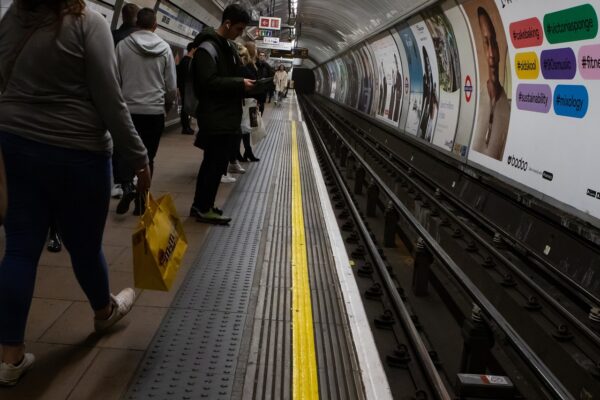
Getting Around Nottingham: Transport Tips for Students
Whether you’re fresh on campus or finally venturing beyond the study–library–sleep loop, Nottingham is a city that rewards a bit of transport know-how.
From quick tram runs to leafy cycle paths and plenty of budget-friendly options, you can criss-cross town without rinsing your loan. Here’s a friendly, practical guide to getting around with confidence.
Buses: The Reliable Backbone
Buses are the workhorse of Nottingham travel, linking the city centre with student hotspots like Lenton, Beeston, Dunkirk and West Bridgford. Services are frequent, well signposted and generally punctual, especially along the main corridors used by students.
If you’re new to a route, pay attention to landmarks on your first ride so you can hop off with confidence next time. Paying by contactless keeps things quick and often caps your daily spend automatically, which is handy if you’re darting between lectures, the gym and a late coffee run.
Student day, week and term passes can bring the cost down further, so it’s worth comparing your likely timetable with the options on offer. Night services operate along key routes at weekends, making it easier to get home safely after societies, gigs or a late library stint.
Trams: Fast, Simple and Campus-Friendly
The tram is Nottingham’s slick express and a favourite for time-sensitive trips. It glides past traffic, hits the big destinations – Old Market Square, shopping streets and stops convenient for both universities – and tends to feel calmer at peak times.
Using contactless readers at tram stops keeps fares simple; just remember to tap in and tap out to be charged correctly. If friends or family are visiting by car, Park & Ride plus a tram into town is often cheaper and less stressful than city-centre parking.
With level boarding and clear displays, the tram is also a solid option when you’re lugging sports kit or an over-ambitious food shop.
Cycling: Two Wheels, Maximum Freedom
Cycling is cheap, quick and genuinely enjoyable once you learn the best lines through the city. Nottingham has a growing network of bike lanes and quieter back-street routes, and the riverside and canal paths offer scenic, flat riding that beats sitting in traffic.
Before the term gets hectic, do a practice run outside rush hour to discover where the lanes are, which junctions feel busy and where you might prefer a calmer detour. A sturdy D-lock through the frame, a secondary cable for the wheels and a well-lit stand will keep your bike safer when you park up.
Lights front and rear are essential after dusk, and keeping tyres pumped and brakes crisp makes every ride smoother. If you don’t own a bike, look for refurbished second-hand sales or short-term rentals to cover busy weeks.
Walking: The Underrated Option
Central Nottingham is compact enough that walking is often quicker than waiting for a bus. It’s also the best way to build your mental map: you’ll discover which alley cuts through to Old Market Square, which corner shop is open late, and which café will happily host a long revision session.
Pair a brisk walk with a good podcast and you’ll rack up steps without noticing, saving cash and avoiding the faff of timetables entirely.
Budget Hacks: Spend Smart, Travel More
A little planning goes a long way when you’re stretching student finances. If you’re commuting most weekdays, a term or monthly pass tends to beat pay-as-you-go; if your schedule is patchier, daily caps or occasional group tickets with housemates can work out cheaper.
Travelling off-peak usually means fewer crowds and sometimes lower fares, and mixing modes – tram out, walk back; bus to the gym, cycle home – keeps costs down while still giving you speed when you need it.
Many students find it useful to set aside a small monthly “mobility pot” in their student budget. Once it’s gone, defaulting to walking and cycling for the rest of the month is a painless way to stay on track.
Trips Further Afield: Trains, Airport Links and Coaches
When deadlines ease and day trips beckon, Nottingham’s rail and coach connections open up easy escapes. Trains get you to nearby cities in under an hour, while long-distance coaches are often the best value for bigger journeys if you book ahead.
For flights, dedicated buses link to East Midlands Airport, and frequent rail or coach services connect you to other major airports. Travel off-peak when you can, keep an eye on advance fares, and screenshot your e-tickets in case your phone signal disappears at an awkward moment.
Safety and Late-Night Travel
A bit of common sense keeps late journeys low-stress. Plan your last leg home before your phone battery dips, and favour well-lit main roads or tram and bus corridors if you’re walking after dark.
Share your live location with housemates for peace of mind and trust your instincts – if a service feels too busy or rowdy, waiting for the next one is usually only a few minutes’ delay. Most routes are well used by students, especially on Friday and Saturday nights, which helps journeys feel more comfortable.
Make the City Yours
Mastering Nottingham transport is less about memorising every timetable and more about building a small toolkit of reliable options. Start by downloading the key transport apps, try two or three go-to routes for your regular journeys, and add a cycling or walking alternative for sunny days or when the buses are heaving.
Within a couple of weeks you’ll have your own mental atlas and the confidence to nip across town for a last-minute seminar printout or an impromptu dinner in Hockley.
In short, rely on buses and trams for speed, lean on bikes and feet for freedom, and sprinkle in a little planning for your wallet. Do that, and you’ll navigate Nottingham like a local long before exam season rolls around.
Read More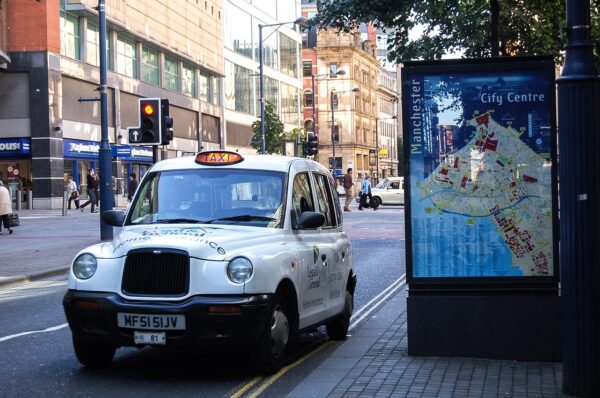
Getting Around Manchester: Transport Tips for Students
Manchester is one of the UK’s most vibrant student cities, buzzing with culture, nightlife, and opportunities.
But if you’re new to the city – or even if you’ve been here for a while – you’ll know that navigating your way around can be a bit overwhelming. With its sprawling suburbs, busy student hotspots, and an endless list of things to do, getting from A to B without blowing your student budget is a skill every student needs to master.
Here’s a guide to help you make sense of Manchester’s transport options, whether you prefer the bus, tram, bike, or your own two feet.
Buses: The Student Favourite
When it comes to student transport in Manchester, the bus is king. You’ll quickly spot the bright red Stagecoach buses zooming up and down Oxford Road, often packed with students heading to lectures or the city centre.
This route is considered one of the busiest bus corridors in Europe, so you’ll rarely have to wait long for a ride.
If you’re studying at the University of Manchester, Manchester Metropolitan, or RNCM, the buses along Oxford Road will become your best friends. Many services run 24/7, making them perfect for late-night trips home after a night out in Fallowfield or Rusholme.
Budget Tip: Students can save serious money by investing in a Unirider pass, which offers unlimited travel across Greater Manchester for a set term. If you’re living a bit further out, like in Didsbury or Withington, the pass will pay for itself within a couple of weeks.
The Metrolink Tram: Quick and Convenient
Manchester’s tram network, known as the Metrolink, is another handy way to get around. With lines stretching out to areas like Salford Quays, Altrincham, Bury, and even Manchester Airport, the tram is perfect for exploring beyond the city centre.
For students living in MediaCity or Salford, the tram is a lifeline for getting into town. And if you fancy catching a match at the Etihad or Old Trafford, the Metrolink drops you right at the stadium doors – saving you the headache of football traffic.
Budget Tip: If you’re only travelling occasionally, grab a day pass via the Bee Network app. But if you’ll be hopping on and off the tram often, it might be worth checking out weekly or monthly tickets for better value.
Cycling Around the City
Manchester might not be as famous for cycling as somewhere like Cambridge, but it’s working hard to become more bike-friendly. Dedicated cycle lanes are popping up across the city, particularly along key student routes like Oxford Road.
For those without their own bike, the city has a fleet of bright yellow Bee Network bikes, available to rent across various docking stations. They’re affordable, easy to unlock with the app, and a fun way to get around on a sunny day.
Safety Tip: Always invest in a sturdy lock. Sadly, bike theft is common in Manchester, so it’s worth taking extra precautions when leaving your bike outside libraries, halls, or in town.
Walking: The Cheapest Option of All
Sometimes, the simplest option is the best. Manchester’s city centre is surprisingly walkable, and if you’re living in student-heavy areas like Fallowfield or Hulme, you’ll find that walking is a great way to save cash while squeezing in some daily exercise.
Walking also gives you the chance to discover hidden gems – like independent cafés, vintage shops, and quirky street art – that you might miss if you’re always on the bus or tram. Just make sure to plan your routes at night, as some areas can feel less welcoming after dark.
Trains for Day Trips and Beyond
While trains aren’t usually the go-to for daily student life, they’re perfect if you fancy a day trip or want to head home for the weekend. Manchester’s three main stations – Piccadilly, Oxford Road, and Victoria – connect the city with the rest of the United Kingdom.
Fancy a change of scene? You can get to Liverpool in under an hour, Sheffield in about 50 minutes, or even hop on a cheap advance ticket to London for a weekend escape.
Budget Tip: Always book in advance using apps like Trainline or the National Rail website. A railcard is also a must-have – students under 25 can save a third on train fares.
Taxis and Ride-Share Apps
For nights when buses are infrequent or you’re travelling in a group, taxis and ride-share apps like Uber are worth considering. They’re not the cheapest option, but splitting the fare with friends often makes them affordable – and much safer than walking long distances at night.
Local taxi firms like StreetCars are also reliable, and you’ll often spot their stands outside clubs and bars in the city centre.
Top Tips for Saving Money
Transport costs can quickly add up, but there are plenty of ways to stretch your student budget further:
- Download the Bee Network app to check bus, tram, and bike hire options in one place.
- Plan journeys off-peak when fares can be cheaper and services less crowded.
- Look into student passes like Unirider or System One, which cover multiple types of transport.
- Walk or cycle when you can – it’s free, healthy, and sometimes faster than waiting for a bus.
Final Thoughts
Getting around Manchester as a student doesn’t have to be stressful – or expensive. From budget-friendly buses and speedy trams to cycling and walking, there’s a transport option for every lifestyle and wallet. The key is finding the balance that works for you.
So, whether you’re racing to a 9am lecture, exploring MediaCity, or heading into town for a night out, the city’s transport network has got you covered. With a bit of planning, you’ll soon be zipping around Manchester like a local – without draining your student loan.
Read More
Getting Around Lincoln: Transport Tips for Students
Moving to Lincoln for your studies is exciting – the city’s mix of history, student life, and charm make it a brilliant place to live. But once you’ve settled into your new home, one of the first things you’ll need to figure out is how to get around.
Luckily, Lincoln isn’t huge, but having a few transport tips up your sleeve can save you time, money, and a fair bit of hassle. Here’s a guide to navigating the city like a local.
Walking: The Simplest Way Around
Lincoln is a very walkable city, and for students, walking is often the easiest way to get from A to B. The city centre is compact, with the University of Lincoln campus sitting right by the Brayford Pool. Shops, restaurants, and nightlife are just a short stroll away.
That said, Lincoln does have its challenges – mainly the infamous Steep Hill. It connects the lower town with the Cathedral Quarter, and it’s exactly what the name suggests.
Walking up it is basically a workout, but the views at the top and the quirky shops along the way make it worthwhile. If you’re heading to lectures or student events in that area, be prepared to factor in a bit more time (and maybe wear comfy shoes).
Buses: Your Student-Friendly Option
If walking isn’t always practical, Lincoln’s bus network is the next best option. Stagecoach East Midlands runs most of the routes across the city and beyond, and as a student, you can save money with their discounted tickets.
The main bus station is right in the city centre, next to the train station, making it easy to connect to other parts of Lincolnshire or even Nottingham and Sheffield. For everyday travel, though, buses can get you to retail parks, supermarkets, and student accommodation areas further out of the centre.
Stagecoach offers unlimited travel passes which are brilliant if you’re hopping on and off regularly. There’s also the app that lets you buy tickets, plan routes, and even track your bus in real time – ideal for those early morning lectures when you don’t want to be waiting around in the cold.
Cycling: A Popular Choice
Lincoln is pretty cycle-friendly, and many students choose bikes as their main way of getting around. It’s cheap, eco-friendly, and often quicker than driving or catching a bus in peak traffic.
There are cycle lanes in and around the city centre, and the Water Rail Way is a traffic-free path running from Lincoln to Boston – great for leisure rides if you want a scenic break from studying.
Around campus, you’ll also find plenty of cycle racks, so you can lock up securely while you’re in lectures.
If you don’t have a bike, Lincoln has second-hand shops and student groups where you can pick one up cheaply. Don’t forget a good lock, helmet, and lights – the city can be dark in winter months, and Lincolnshire police run safety campaigns reminding cyclists to stay visible.
Trains: For Trips Beyond Lincoln
While you won’t use trains much for day-to-day uni life, Lincoln’s train station is handy for weekends away.
Services connect you to Nottingham, Sheffield, Doncaster, and even direct to London King’s Cross. Advance tickets can be surprisingly affordable if you plan ahead, especially with a 16–25 Railcard (which saves you a third on fares).
It’s worth noting that trains can be pricey if you buy at the last minute, so keep them for planned trips rather than local errands.
Taxis and Ride-Sharing: Handy for Nights Out
For late nights or situations where buses and walking aren’t ideal, taxis can be a lifesaver. Lincoln has several local taxi firms, and you’ll find plenty of them around the train station and city centre hotspots. Prices are reasonable for short trips, especially if you split the fare with friends.
Uber isn’t widely available in Lincoln yet, but some smaller ride-hailing apps do operate. Still, most students rely on local taxi numbers saved in their phones for convenience.
Budgeting Tips for Student Transport
Transport costs can add up quickly if you’re not careful, but with a bit of planning, you can keep them under control. Here are some quick student hacks:
- Get a student bus pass: Stagecoach’s passes are cheaper in the long run if you’re using buses regularly.
- Walk where you can: Lincoln’s compact size means many journeys don’t need paid transport.
- Invest in a railcard: If you’re travelling home often, the savings stack up fast.
- Share rides: Whether it’s a taxi after a night out or a lift with a friend, splitting costs makes transport more affordable.
Final Thoughts: Finding Your Rhythm
Every student finds their own transport routine in Lincoln. Some rely almost entirely on walking and biking, while others mix buses with the occasional train or taxi.
The good news is you won’t need to spend a fortune – Lincoln’s size means most of your essentials are close by, and when you do need to go further, student discounts are there to help.
So whether you’re pedalling along the Brayford, waiting for a Stagecoach bus, or braving Steep Hill on foot, getting around Lincoln quickly becomes second nature. Once you find the rhythm that works for you, you’ll be free to enjoy everything this historic city has to offer.
Read More
Getting Around Loughborough: Transport Tips for Students
Starting life as a student in a new town is always an adventure, and one of the most important things to figure out early on is how you’ll get around.
In Loughborough, students are lucky to have plenty of transport choices that make navigating both the university campus and the wider town straightforward.
From walking to cycling, buses to trains, each option offers its own advantages, depending on your lifestyle, student budget, and how quickly you need to get somewhere.
Walking Around Town
One of the simplest and most cost-effective ways to travel is on foot. The university campus is large, but once you get familiar with your hall or accommodation area, most of the essential facilities are just a short walk away.
The town centre is around a twenty-minute walk from campus, making it easy to head into Loughborough for shopping, a meal, or a night out.
Walking is not only free but also gives you a chance to take in the atmosphere of the town and enjoy a bit of exercise along the way. For many students, walking becomes the default mode of travel for short distances, especially during the daytime.
Cycling: Quick and Convenient
For those who prefer something faster, cycling is a fantastic option. Loughborough is well-suited for cyclists thanks to its relatively flat terrain and compact layout.
The university has invested in cycling infrastructure, including dedicated cycle routes and plenty of bike racks spread across campus, so finding a safe place to leave your bike is rarely a problem.
If you don’t have a bike when you arrive, there are second-hand options available through student groups and local shops, and the university often organises bike fairs where you can pick one up at a reasonable price. Essential kit includes a sturdy lock, lights for evening rides, and a helmet for safety.
Many students also choose to get their bikes security-marked on campus for peace of mind. For short to medium journeys, cycling strikes the perfect balance between independence, cost-effectiveness, and sustainability.
Buses: The Kinchbus Sprint and More
When it comes to bus travel, Loughborough is particularly student-friendly. The Kinchbus Sprint service is the most popular choice for students, running regularly between the university campus, the town centre, and the railway station.
With buses every ten minutes during the day, it’s a reliable and convenient way to travel if you live off-campus or need to get across town quickly.
Tickets are affordable, and student discounts or term-time passes can help keep costs down further if you use the service regularly. Other bus routes also connect Loughborough with nearby towns and villages, which makes weekend trips beyond campus easy to arrange without needing a car.
For those who prefer public transport to cycling, the bus system provides a dependable alternative.
Train Links for Weekend Trips
For journeys further afield, the train station is your best bet. Situated on the Midland Main Line, Loughborough offers direct services to cities like Leicester, Nottingham, Derby, and Sheffield, with London St Pancras just over an hour away.
This makes it ideal for weekend trips home or day outings with friends.
Students who plan to travel regularly should consider purchasing a 16–25 Railcard, which provides a third off most fares and quickly pays for itself. Booking tickets in advance through apps or train websites can also save a significant amount compared to buying tickets on the day.
With a bit of planning, train travel becomes a very budget-friendly way of connecting with cities beyond Loughborough.
Taxis and Ride-Sharing
Taxis are generally more expensive than other options, but they can be invaluable after a night out or when you need to get somewhere quickly and public transport isn’t running.
Loughborough has several reliable local taxi companies, and although Uber availability can vary, it is worth checking the app if you’re in need of a lift. Sharing a taxi with friends is a simple way to split the cost and make this form of transport more affordable.
Making Transport Budget-Friendly
Students are often conscious of keeping costs under control, and transport can easily eat into your budget if you’re not careful.
One of the best ways to save money is by investing in passes – whether that’s a bus season ticket or a railcard – as the initial cost usually pays off within a few journeys.
It’s also worth asking about student discounts whenever you’re using local services, as many businesses in Loughborough cater directly to the student population. Planning journeys in advance, especially when it comes to trains, can also save a substantial amount.
Many students also find that mixing their transport methods helps to keep spending under control. Walking for short trips, cycling for slightly longer journeys, and using buses or trains when necessary creates a flexible system that doesn’t rely too heavily on one expensive option.
Exploring Beyond Campus
While most journeys revolve around campus and the town centre, there’s much more to discover beyond Loughborough.
The surrounding countryside is filled with beauty spots like Beacon Hill and Bradgate Park, which are perfect for a weekend hike or picnic. Cycling out of town or hopping on a cheap bus service can open up opportunities to explore the wider Leicestershire area.
For students, these trips provide the perfect balance of relaxation and adventure when you need a break from studying.
Final Thoughts
Navigating Loughborough as a student doesn’t need to be complicated. With a combination of walking, cycling, affordable bus services, and excellent train links, the town offers plenty of ways to get around that suit different needs and budgets.
By taking advantage of discounts, planning ahead, and mixing transport options, you’ll find it easy to balance convenience with cost.
Whether you’re rushing to a lecture, heading into town for a bite to eat, or catching a train for a weekend away, the options are all there to help you make the most of your student life in Loughborough.
Read More
Getting Around Liverpool: Transport Tips for Students
Starting university in Liverpool is exciting – there’s the buzz of the city, the famous music culture, the football, and, of course, the student nightlife.
But one thing many freshers don’t think about straight away is how they’re actually going to get from A to B. Whether you’re commuting to campus, meeting mates at Concert Square, or heading to the docks for a walk along the waterfront, knowing your transport options can make life so much easier.
Here’s a handy guide to getting around Liverpool without breaking the bank.
Buses: The Student-Friendly Staple
For many students, buses are the bread and butter of Liverpool transport. The city is well-served by bus routes, with Arriva and Stagecoach being the main operators. Key routes run from student-heavy areas like Smithdown Road, Kensington and Wavertree into the city centre, where the universities are based.
If you’re planning to use buses regularly, it’s worth looking at student bus passes. Both Arriva and Stagecoach offer discounted tickets that can save you a small fortune compared to paying daily.
A weekly or term-time pass is a solid investment if lectures and library trips are going to be part of your daily routine. Plus, buses run late into the night on certain routes – a bonus after a night out.
Trains: Quick Connections Across the City
Liverpool’s local train network, Merseyrail, is a real gem for getting around. With three main underground stations in the city centre – Lime Street Lower Level, Central, and Moorfields – you can hop on a train and reach the suburbs, beaches, and even nearby towns in no time.
Heading to the University of Liverpool from town? Lime Street is a short walk away. Fancy a study break at Crosby Beach to see the famous iron men sculptures? The Merseyrail Northern Line will get you there in under 30 minutes.
Trains are frequent, affordable, and safe, making them a great option if you’re looking to explore more than just the student bubble.
Walking: The Best Way to Discover the City
One of Liverpool’s best-kept secrets is that the city centre is surprisingly compact. A lot of students quickly find that walking is often the simplest – and cheapest – way to get around. From Lime Street to the Albert Dock is only about a 15-minute stroll, and you’ll pass plenty of shops, restaurants, and street performers along the way.
Walking not only saves you money but also helps you get your bearings and stumble across hidden gems – like quirky coffee shops, independent bookshops, or tucked-away pubs that become favourite haunts.
Just remember a decent pair of trainers or boots is a must; Liverpool weather is famously unpredictable.
Cycling: A Green and Affordable Choice
Cycling has grown in popularity across Liverpool, especially for students living a bit further out. The city has been investing in bike lanes and cycle-friendly routes, though it’s fair to say they’re still a work in progress.
If you don’t own a bike, you don’t have to miss out. The CityBike scheme allows you to hire bikes from docking stations dotted around Liverpool. It’s perfect for short trips and much cheaper than taxis.
Universities often have secure bike storage too, so commuting by bike can be both safe and budget-friendly. Just don’t forget your waterproofs – rain showers can appear out of nowhere.
Taxis and Ride-Sharing: Handy But Pricey
Sometimes you just want the convenience of a taxi – whether it’s getting home safely after a late night or carrying heavy shopping bags. Liverpool has plenty of black cabs you can hail on the street, and ride-sharing apps like Uber are also widely available.
That said, taxis and ride-sharing are definitely on the pricier side for students, so they’re better reserved for emergencies or splitting with friends after a night out. A good tip is to download the local Delta Taxis app, which can often be cheaper than Uber.
Student-Friendly Budget Options
Transport costs can quickly add up, but Liverpool is full of ways to cut back. As well as bus and rail student passes, always carry your student ID – you’ll often find extra discounts on travel cards and one-off tickets.
Merseytravel, the region’s transport authority, offers student Saveaway tickets, which allow unlimited off-peak travel on buses, trains, and ferries for a flat daily rate. If you’re planning a day of exploring, this can be fantastic value.
Another underrated tip: plan journeys with friends. Whether that’s sharing lifts, cycling in groups, or splitting the cost of a taxi, travelling together is almost always cheaper – and a lot more fun.
Exploring Beyond Liverpool
Living in Liverpool also means you’re well-placed to explore the wider North West. Manchester is less than an hour away by train, and Chester’s historic city walls make for a great day trip. With advance tickets and student railcards, you can enjoy budget-friendly travel that takes you out of the city bubble every now and then.
It’s worth investing in a 16–25 Railcard (or a 26–30 if you’re a mature student). At £30 a year, it saves you a third on rail fares – and it often pays for itself in just a couple of trips.
Final Thoughts: Finding Your Rhythm
Every student develops their own routine when it comes to getting around Liverpool. Some rely on buses, others prefer the independence of cycling, and plenty stick to walking most of the time.
The key is to explore your options early on and figure out what works best for your student budget and lifestyle.
Liverpool is a city that rewards curiosity – whether you’re walking to campus through the Georgian Quarter or catching a train to the beach. With a bit of planning, you’ll soon find the routes and rhythms that make the city feel like home.
Read More
Getting Around Leicester: Transport Tips for Students
Starting university in a new city can be exciting – but let’s be honest, it can also be a bit daunting.
One of the biggest questions you’ll face as a student in Leicester is: how do you actually get around? Whether you’re heading to lectures, meeting friends in the city centre, or making a quick run to Aldi for snacks, knowing your transport options can save you time, money, and stress.
Luckily, Leicester is a student-friendly city with plenty of ways to get from A to B. Here’s everything you need to know.
The Bus: Your Everyday Travel Buddy
For most students, buses are the backbone of daily transport in Leicester. Arriva and First Bus are the main operators, covering routes across the city and into the suburbs. The University of Leicester and De Montfort University campuses are both well served, meaning you won’t be stranded after a late lecture.
A student bus pass is worth considering if you travel regularly. Arriva offers discounted student season tickets that work out much cheaper than paying for single journeys every day.
Plus, apps like Arriva and First Bus allow you to buy mobile tickets and track your bus in real time – which is handy on those rainy mornings when you want to minimise your wait at the bus stop.
Cycling Around the City
If you prefer your independence, cycling can be a brilliant option in Leicester. The city is relatively flat compared to some other parts of the United Kingdom, which makes pedalling around less of a workout than you might fear.
What’s more, there are dedicated cycle lanes on many main routes, and the city council has invested in making cycling safer and more accessible.
Students can often find affordable second-hand bikes through campus noticeboards, local Facebook groups, or at charity shops like Leicester Bike Aid. Don’t forget the essentials though: a sturdy lock, good lights for darker evenings, and a helmet for safety.
If storage space is an issue, both the University of Leicester and De Montfort offer secure cycle parking facilities on campus.
Walking: The Simplest (and Cheapest) Option
Leicester’s city centre is compact, which makes walking a realistic option for many students. If you’re living in halls near campus, you’ll often find you can walk to lectures in less than 15 minutes.
The city centre’s main shopping streets, bars, and cafés are also within walking distance of both universities, so you can save money while keeping active.
Walking isn’t just good for your student budget – it’s also a great way to get to know Leicester. You’ll stumble across independent coffee shops, hidden green spaces, and quirky little stores you’d miss if you were always on the bus.
Just be sure to have a decent umbrella at hand; the Midlands weather isn’t always forgiving.
Student-Friendly Budget Options
Keeping costs low is always top of mind when you’re a student, and Leicester has several options to help you stretch your budget. In addition to discounted student bus passes, look out for group saver tickets if you’re travelling with friends. Splitting the cost makes outings around town even cheaper.
If you need to travel further afield – maybe heading home for the weekend or visiting friends in another city – Leicester’s train station is right in the city centre. Booking tickets in advance through apps like Trainline or directly with East Midlands Railway can save you a small fortune compared to buying on the day.
Also, don’t forget to get a 16–25 Railcard (or a student railcard equivalent), which gives you a third off most train fares.
For really short hops, taxis and ride-sharing apps like Uber are available, but they’re not the most budget-friendly option if used regularly. Save them for late nights or when public transport isn’t running.
Top Tips for Getting Around Safely
No matter which transport option you use, safety is always worth keeping in mind.
If you’re cycling, stick to well-lit roads at night and wear reflective gear. When using buses or trains, keep an eye on your belongings and know your route in advance to avoid unnecessary stress.
For walking, the usual common sense applies – stick to well-lit streets after dark and walk with friends where possible. The universities also run student safety schemes, including late-night security escorts and campus shuttle services, so it’s worth checking what’s available to you.
Exploring Leicester Beyond Campus
Transport in Leicester isn’t just about getting to lectures. Once you’re settled, you’ll want to explore what the city has to offer.
Buses can take you out to attractions like the National Space Centre, while cycling routes along the River Soar are perfect for a weekend ride. Trains from Leicester can whisk you to Nottingham, Birmingham, or even London in under two hours – great for day trips when you need a break from your studies.
Making the most of your student years in Leicester isn’t just about what happens in the library or lecture halls; it’s also about experiencing the city itself. Learning how to get around efficiently opens up a world of opportunities for socialising, exploring, and enjoying student life to the fullest.
Final Word: Finding What Works for You
There’s no one-size-fits-all answer to student transport in Leicester. Some students swear by their bikes, others never stray far from their bus pass, while many simply prefer walking everywhere. The best approach is to try a mix and see what suits your lifestyle and budget.
Whatever you choose, the good news is that Leicester is well set up to help students get around easily and affordably. With a bit of planning – and maybe a decent raincoat – you’ll soon be navigating the city like a local.
Read More
Getting Around Leeds: Transport Tips for Students
Leeds is one of the UK’s most vibrant student cities, packed with buzzing nightlife, quirky independent cafés, and endless cultural spots to explore.
But before you can enjoy all that the city has to offer, you’ll need to figure out the best ways to get around. Whether you’re dashing to a lecture, heading into town for a night out, or venturing further afield, knowing your transport options can save you both time and money.
This guide offers a friendly, practical look at buses, cycling, trains, and student budget travel hacks so you can get the most out of life in Leeds without draining your student loan.
The Student Favourite: Leeds Bus Routes
If there’s one thing you’ll rely on as a Leeds student, it’s the buses. Leeds has a dense network of routes, many of which are run by First Bus and Arriva, connecting the city centre with student hotspots like Headingley, Hyde Park, and Burley.
One of the most student-friendly routes is the First Bus 1 and 1A service, running between the university, city centre, and student neighbourhoods. The First Bus 6 is another handy option, linking the university directly with Headingley and Holt Park.
These routes become almost a rite of passage for Leeds students – you’ll spot fellow students lugging shopping bags, catching rides to campus, or heading into town for a big night out.
First Bus also offers a Student Saver ticket, which can be a real money-saver if you’re a frequent traveller. You can buy daily, weekly, or term passes on the First Bus app, making it quick and hassle-free to hop on and off without rummaging for change.
Cycling Around the City
Leeds is a hilly city, but cycling can still be a brilliant way to get around – especially if you’re looking for a cheap, eco-friendly option. Many students invest in a second-hand bike during their time at university, with plenty of shops and online marketplaces offering affordable choices.
Leeds has been working on improving its cycle lanes, with dedicated routes popping up along key roads. The A65 Kirkstall Road Cycle Superhighway is one of the more student-useful stretches, offering a safer link into town.
The university also supports cycling with secure storage facilities and even bike-repair stations.
For those who don’t fancy owning a bike, Leeds has signed up to CityConnect Bike Hire, offering pay-as-you-go cycling around the city. It’s a flexible way to test whether cycling suits your lifestyle without the commitment of buying a bike outright.
Tip: Don’t forget a solid lock. Leeds, like any major city, has its share of bike theft, so invest in a decent D-lock and register your bike with schemes like BikeRegister.
Train Links for Bigger Adventures
While buses and bikes are perfect for daily life, sometimes you’ll want to get out of the city.
Leeds Station is one of the busiest in the north, offering excellent connections across Yorkshire and beyond. Popular student day trips include hopping on a train to York, Harrogate, or Ilkley – destinations that offer a mix of history, countryside, and tea shops.
For those who head home regularly, Leeds also has direct links to London, Manchester, and Newcastle, making it easier to travel back for weekends or family visits. If you’re travelling often, consider getting a 16–25 Railcard, which gives you a third off train fares.
It’s a small investment that pays off quickly, especially if you use trains more than a couple of times per term.
Walking: Underrated but Effective
Leeds might be a bustling city, but its compact layout makes walking a surprisingly practical option.
From the university to the city centre, you can usually make it in 15–20 minutes on foot, which means no waiting for buses or paying for travel. Plus, walking gives you a chance to stumble across new shops, coffee spots, and shortcuts that you wouldn’t discover otherwise.
Many student neighbourhoods like Hyde Park and Headingley are also within walking distance of the university, so if you live in these areas, chances are your feet will be your main mode of transport during your first year.
Budget-Friendly Travel Hacks
Transport costs can eat into your student budget if you’re not careful. Luckily, Leeds has plenty of student-friendly deals and tricks to help you save.
Student Bus Passes: Look into unlimited travel passes from First Bus, which can work out much cheaper than paying per ride.
Split Tickets: If you’re using trains, apps like Trainline and SplitSave can sometimes help you save by breaking your journey into smaller segments.
Walking and Cycling: Combining walking or cycling with occasional bus journeys is often the most cost-effective approach.
Car Sharing: For trips further afield, car-sharing platforms like BlaBlaCar can be cheaper than trains and a fun way to meet people.
Final Thoughts: Finding Your Groove
Getting around Leeds as a student doesn’t need to be stressful or expensive. With a bit of planning, you’ll quickly figure out which options work best for your routine. Some students swear by their trusty bus pass, others live on their bike, while many just rely on walking and the occasional train for day trips.
The real key is flexibility – mix and match your transport depending on your needs, budget, and energy levels. After all, Leeds isn’t just about getting from A to B; it’s about enjoying the journey, whether that’s a late-night bus ride with friends or a sunny cycle into town.
Read More
Getting Around Hull: Transport Tips for Students
Starting university in Hull is exciting. There’s a new city to explore, new friends to meet, and a fair few lecture halls to find your way to.
One of the first challenges students often face is figuring out how to get around without draining their entire student budget on travel. Thankfully, Hull is compact, student-friendly, and full of affordable options that make it easy to get from one place to another.
Whether you’re heading to campus, the city centre, or a night out, there are plenty of ways to travel around Hull without breaking the bank.
Taking the Bus
For most students, buses quickly become the backbone of daily travel. Hull’s main bus operators, East Yorkshire Buses and Stagecoach East Midlands, run regular services across the city and out into the surrounding suburbs.
The central hub for buses is Hull Paragon Interchange, which also connects to trains and coaches, making it simple to switch between modes of transport. From here you can easily reach the university, shopping districts, and Hull’s nightlife spots.
Students usually find that weekly or monthly travel cards are far more cost-effective than buying single tickets, especially if you’re travelling most days. Both major bus companies offer discounted student passes, which can save a substantial amount over the course of a term.
With early lectures and late nights often part of the student routine, downloading the bus company apps is a smart move. These allow you to buy tickets directly from your phone and check live times, so you’re never left wondering if the bus is still on its way.
Cycling Through the City
Hull has another advantage for students on the move: it’s one of the flattest cities in the United Kingdom. That makes cycling not only practical but also incredibly easy compared to hillier locations.
With no steep climbs to worry about, you can get across town without feeling like you’ve run a marathon, which means arriving at lectures a little less flustered.
Over the years, Hull has invested in cycle lanes and bike-friendly routes, particularly around the main corridors leading to the University of Hull. Many student houses provide bike storage, and the campus itself has secure stands so you can park up safely.
If you don’t fancy buying a bike, Hull also has bike hire schemes that are perfect for occasional journeys. Cycling is not only affordable but also one of the quickest ways to beat the traffic, and it doubles up as daily exercise without even stepping into a gym. The only thing to keep in mind is security – investing in a solid lock is essential to protect your wheels.
Walking the Compact City
Depending on where you live, walking may turn out to be the most convenient way of getting around.
Hull’s city centre is relatively compact, and it’s easy to move between shops, bars, restaurants, and student areas on foot. For many students, a fifteen or twenty-minute walk is enough to cover most of their daily needs, from lectures to social meet-ups.
Walking has the obvious advantage of being completely free, but it also lets you get to know the city in a way that buses and bikes sometimes don’t. Exploring the Old Town, with its cobbled streets and historic architecture, or strolling along the Marina makes journeys far more enjoyable.
Just be prepared for the famous Hull weather – being close to the coast, it can be windy, so having a good coat or umbrella handy is always a wise decision.
Using Trains for Escapes
Although trains aren’t particularly useful for everyday journeys within Hull, they come into their own when you fancy a change of scenery.
Hull Paragon Interchange provides connections to bigger cities such as Leeds, York, and Manchester, which makes day trips and weekend breaks straightforward. A 16–25 Railcard can help cut costs dramatically, giving you a third off fares and quickly paying for itself after just a couple of journeys.
For daily student life, you’re unlikely to need the train, but when the library walls start to feel a little too familiar, or when you need a dose of big-city energy, the rail network is your gateway out.
It’s also worth keeping in mind that rail services are handy for visiting home during the holidays if you’re not staying in Hull year-round.
Saving Money on Student Travel
Being a student is all about balancing budgets, and travel is one area where small savings can make a big difference. Choosing the right pass for buses, cycling instead of paying for short trips, and even planning routes in advance can all help stretch your money further.
While late-night buses don’t always run, taxis are a good backup option if you split the fare with friends, especially after a night out. The important thing is to have a plan so you’re not caught off guard at the end of the evening.
Walking or cycling whenever possible will naturally cut down costs, but it also means you save your cash for more exciting things, whether that’s a night out, a society trip, or even just a cheeky takeaway after lectures. Keeping a little aside for those unavoidable journeys – like a last-minute dash across town – is always sensible too.
Getting Home Safely After Nights Out
Hull has a lively nightlife scene, and knowing how to get home safely after an evening out is just as important as finding your way to lectures.
Buses usually stop before midnight, so once the clubs close, your main options are taxis, ride-hailing apps, or walking. It’s always best to travel with friends where possible, and keeping a taxi number stored in your phone makes life much easier at 2am.
If you are walking, stick to well-lit routes and keep your wits about you. Hull is generally a welcoming city, but late at night, it’s better to be cautious.
A Student-Friendly City
When you piece everything together, Hull really is an easy place for students to navigate.
The buses are regular and affordable, cycling is straightforward thanks to the flat landscape, walking is practical for short trips, and trains give you an escape route when you need one. Most importantly, you don’t need to spend a fortune to get around.
As you settle into life at university, you’ll quickly discover which modes of transport suit your lifestyle best. Some students rely almost entirely on their bikes, while others get their money’s worth from bus passes. The beauty of Hull is that the choice is flexible, and the distances never feel overwhelming.
Final Thoughts
Getting around Hull doesn’t need to be complicated. Think of it as part of the student adventure: learning the quickest shortcuts, working out which buses to avoid when they’re packed, and making the most of the money-saving travel options on offer.
With a mix of buses, bikes, trains, and your own two feet, you’ll soon know the city inside out. More importantly, you’ll feel at home moving around, which means more time enjoying student life and less time worrying about how to get from A to B.
Read More
Getting Around Durham: Transport Tips for Students
Whether you’ve just arrived in Durham for your first term or you’re returning for another year, one thing’s for sure – getting from A to B efficiently (and cheaply) is key to student life.
Durham might be smaller than some university cities, but its cobbled streets, rolling hills, and winding river paths can make getting around feel like a mini adventure. From buses to bikes, and everything in between, here’s your guide to navigating the city without blowing your student budget.
Making the Most of Durham’s Buses
Durham’s bus network is a reliable way to get across the city, particularly when the hills start to feel relentless or the weather takes a turn.
The main operator, Arriva North East, runs frequent routes connecting the city centre, university colleges, and nearby suburbs. One student favourite is the Durham Cathedral Bus, which links the railway station, central shopping streets, and the cathedral – ideal if you want to avoid the uphill trek.
If you’re travelling regularly, student passes can make a big difference to your budget. Arriva offers discounted tickets that can be bought weekly, monthly or for the whole term, giving you unlimited rides at a fraction of the cost of paying per journey.
Many students find the Arriva app useful for tracking buses in real time, helping to avoid unnecessary waits in the cold.
The Simplicity of Walking
While public transport is useful, Durham is one of those cities where walking is often the easiest option.
The city centre is compact, with most university buildings, libraries, and shops within a 20-minute stroll. Walking also means you’ll stumble upon hidden cafés, riverside views, and shortcut alleyways that you might otherwise miss.
That said, Durham is famously hilly, so a pair of comfortable shoes will become your best friend. A waterproof jacket is worth the investment too, as rain showers are a regular feature of life here.
Many students find that walking between lectures is not only cost-effective but also a good way to clear the mind between study sessions.
Cycling – A Two-Wheeled Option
For those who prefer to get around quickly and independently, cycling can be a great choice.
Durham has some picturesque cycle paths, particularly along the River Wear, though the city’s steep inclines can test your stamina. For this reason, some students opt for electric bikes, which make light work of the hills and can be hired or purchased locally.
The university provides secure bike storage at its colleges, and recent investments in cycle-friendly infrastructure have made navigating the city safer.
However, visibility is important, particularly in the darker winter months, so lights and reflective gear are essential. With the right preparation, cycling can be a fast, flexible and healthy way to get around.
Using the Train for Day Trips and Travel Home
Durham’s railway station might be modest in size, but its connections are impressive.
Regular services run to Newcastle, York, Edinburgh, and London, making it easy to plan weekend trips or head home during term breaks. For students, a 16–25 Railcard offers a third off most fares, and for older students, the 26–30 Railcard provides the same benefit.
Booking in advance is one of the easiest ways to save money, with the cheapest tickets often released weeks ahead of travel. Some students also use split-ticketing websites to find further discounts.
Whether you’re visiting friends at other universities or escaping for a few days, Durham’s rail links open up plenty of travel opportunities.
When Only a Taxi Will Do
There are times when neither walking, cycling, nor public transport will do – particularly if you’re laden with shopping bags or travelling late at night. Durham has a good selection of local taxi firms, and ride-hailing apps like Uber operate in the area, though availability can vary depending on the time of day.
Taxis are rarely the cheapest option, but they can be a practical one, especially when travelling in a group and sharing the fare. Booking in advance during busy periods, such as after big university events, can save you a long wait.
Getting Around on a Student Budget
Transport costs can add up quickly, so it’s worth finding ways to save. Many students combine walking with occasional bus or train travel to keep expenses low.
Also, buying term-long bus passes or a railcard early in the academic year ensures you make the most of the discounts available. Even splitting a taxi with friends can bring costs down significantly compared to travelling alone.
Being flexible also helps. Walking halfway before catching a bus, or using a bike for short trips instead of paying for public transport, can make a noticeable difference to your monthly spending.
Over time, these small savings free up funds for more enjoyable student priorities – like coffee, society events, and the occasional night out.
Finding Your Own Transport Routine
Getting around Durham is part of the experience of studying here.
It won’t take long to figure out which routes and methods work best for your schedule, whether that means catching the Cathedral Bus on a rainy day, cycling to the library, or walking the long way round just to enjoy the riverside view.
The trick is to stay flexible. By mixing walking, cycling, public transport and the occasional taxi, you’ll save money, stay active, and get to know the city’s streets and shortcuts. Before long, you’ll navigate Durham with ease – and might even grow to love those famous hills.
Read More