Latest Posts

Getting Around Cardiff: Transport Tips for Students
Moving to a new city for university is exciting – fresh opportunities, new friends, and a whole lot of exploring to do. But there’s one question that pops up almost immediately after unpacking your last box: How exactly do I get around?
If you’re heading to Cardiff, the good news is that the Welsh capital is compact, well-connected, and full of affordable travel options – perfect for a student budget.
Whether you prefer wheels, walking, or the occasional late-night taxi, here’s your guide to navigating the city with ease.
Buses: The Student-Friendly Staple
For most students, buses will quickly become the go-to way to get from A to B. Cardiff Bus operates the main network across the city, with routes covering everything from the university campuses to the suburbs, and even the beaches at Penarth and Barry if you fancy a day out.
The 27, 28, and 52 services are handy for getting between Cardiff University campuses and the city centre, while the Baycar (service 6) is perfect for a quick hop down to Cardiff Bay for food, drinks, or a wander by the water.
Money-saving tip: Students can benefit from discounted travel by picking up a mytravelpass if you’re aged 16–21, which offers up to 30% off bus fares across Wales. Alternatively, check out Cardiff Bus’s iff app, which lets you buy multi-journey tickets in bulk – cheaper than paying each time.
Cycling: The Scenic and Sustainable Choice
Cardiff is relatively flat, making it a dream for cycling compared to some hillier university cities.
The Taff Trail – a scenic cycling and walking path – runs right through the city and connects you to key spots like Bute Park, the Bay, and even further afield if you fancy a longer ride.
If you don’t have your own bike, there’s the Nextbike cycle hire scheme, which is a lifesaver for students who just want a quick ride between lectures or to the shops. Bikes can be hired via an app, picked up from docking stations around the city, and dropped off at any other station – ideal for flexible journeys.
Safety tip: Cardiff is generally cycle-friendly, but always wear a helmet, use bike lights at night, and lock your bike securely (D-locks are best). The university also runs free or discounted bike maintenance workshops, so keep an eye on the student union events calendar.
Walking: The Free and Surprisingly Fast Option
Don’t underestimate Cardiff’s walkability. If you’re living in Cathays or Roath – two of the most popular student areas – you can stroll to lectures, the city centre, and most social spots in under 20 minutes.
Walking also means you’ll stumble across hidden cafés, vintage shops, and quirky bars you might otherwise miss.
Bonus: walking home after a night out in the city centre can save you a taxi fare – just make sure to stick to well-lit streets and walk with friends for safety.
Trains: For When You’re Heading Further Afield
Cardiff’s train services aren’t just for trips back home – they can be a cheap way to reach nearby towns, beaches, and attractions.
Cardiff Central is the main station, with connections to London, Swansea, Bristol, and more. Cardiff Queen Street serves more local routes, including the Valleys Lines, which are great for countryside day trips.
If you’re under 30, a 16–25 Railcard or 26–30 Railcard can save you a third on most train fares. Keep an eye out for “Advance” tickets for extra savings – just be sure to book early.
Taxis and Ride-Hailing Apps: For the Nights Out and Rainy Days
Sometimes, you just don’t feel like waiting for a bus in the rain (Cardiff does see its fair share of drizzle). Local taxi companies like Dragon Taxis, or ride-hailing apps such as Uber, are quick and convenient options, especially late at night.
For safety, always double-check the driver and registration details before getting in. And if you’re sharing with friends, split the fare to make it more affordable.
Budget Travel Hacks for Cardiff Students
Being savvy with your transport spending means more money for nights out, society fees, or that all-important midweek takeaway. Here are a few tricks:
- Weekly/Monthly Bus Passes: If you’re commuting daily, these can save a significant amount compared to single tickets.
- Split Journeys: On some train routes, splitting your journey into two tickets (via sites like Split My Fare) can work out cheaper.
- Cycle and Bus Combo: Use a bike for part of the journey and a bus for the rest to cut costs and keep travel times down.
- Free Shuttle Services: During open days or big events, the university sometimes runs free buses – handy to look out for.
Which Option is Best for You?
Your choice of transport will depend on where you live, your timetable, and your lifestyle.
If you’re living close to campus, walking and cycling might cover most of your needs. If you’re further out, buses will be your best bet. And if you’re a regular adventurer, a railcard will pay for itself quickly.
The beauty of Cardiff is that you’re not locked into one method – you can mix and match depending on your mood, the weather, and your plans for the day.
Final Word: Make Cardiff Your Own
Getting to know a new city is as much about learning the transport routes as it is about finding your favourite coffee spot or late-night takeaway.
Cardiff’s size and transport links make it easy to explore without breaking the bank, and once you’ve mastered your own go-to routes, the city starts to feel a lot smaller – and a lot more like home.
Whether you’re hopping on a bus to lectures, cycling along the Taff Trail, or grabbing a last-minute train to the beach, the key is to explore, experiment, and find the travel rhythm that works for you. After all, student life is about more than just getting from A to B – it’s about enjoying the journey.
Read More
Local Student Living: What You Can Get for Your Money in Durham vs. Manchester
Choosing where to live and study is one of the biggest decisions any university student can make.
Beyond course content and university rankings, students are increasingly comparing the real cost of living in different cities. In this helpful guide, we take a deep dive into two popular UK university cities – Durham and Manchester – looking at what students can expect to get for their money.
From rent prices and lifestyle to transport and overall value, this feature is designed for students who want to make informed choices before they commit.
City Overview: Two Very Different Vibes
Durham and Manchester offer completely different atmospheres and experiences for students.
Durham is a small cathedral city in the North East, best known for its stunning historical architecture and the prestigious Durham University. The city is compact, easy to navigate, and home to a close-knit student community.
In contrast, Manchester is a large, bustling metropolitan city in the North West, known for its diversity, culture, and nightlife. With several universities – including the University of Manchester and Manchester Metropolitan – Manchester has a large and varied student population.
For students looking to compare city size, pace of life, and access to amenities, these two locations offer very different lifestyles from the outset.
Rent and Accommodation: Comparing Costs
When it comes to rent, there is a noticeable difference in price between Durham and Manchester.
In Durham, students can typically find good-quality accommodation in shared houses or university halls for around £130 to £160 per week, often including bills. Slightly cheaper options may be available in residential areas a little further from the city centre, where rent can drop to around £110–£120 per week.
In Manchester, rent tends to be higher, especially in the city centre. Purpose-built student accommodation with modern amenities can cost anywhere from £170 to over £250 per week, depending on location and room type.
However, students willing to live a little further out in areas such as Fallowfield, Withington or Rusholme may find more affordable housing at similar rates to Durham – typically between £130 and £160 per week.
While Manchester offers more variety in housing types and locations, Durham provides better value for students looking for simpler and more budget-friendly accommodation.
Lifestyle and Living Expenses: Day-to-Day Student Life
Everyday expenses such as food, transport, and entertainment also vary between the two cities.
In terms of groceries, prices are fairly similar across both cities, although Manchester’s larger size means a wider choice of supermarkets, including budget chains and international stores.
This can help students stretch their budgets a little further. Durham, being smaller, has fewer supermarket options and students may find themselves shopping in smaller, slightly more expensive local stores.
Transport is another key factor. Durham is highly walkable – most students live within walking distance of lectures, shops, and nightlife. This means there’s often no need for a travel budget beyond the occasional taxi.
In Manchester, however, the city’s size means students often rely on public transport. A monthly student bus pass typically costs between £37 and £45, and many students also use trams or bicycles to get around.
Entertainment also varies considerably. Manchester is well known for its rich cultural scene and buzzing nightlife. From live music and club nights to art galleries and theatres, there’s something happening every night of the week.
Durham offers a more relaxed social life, centred around college bars, pubs, and student-run events. It’s great for students who prefer quieter evenings or smaller gatherings but may feel limited for those who crave variety.
Study Environment and Quality of Life
Durham is widely recognised for its peaceful surroundings and academic environment. The city’s historic streets, riverside walks, and collegiate university structure offer a calm and focused backdrop for study. Many students appreciate the supportive and close-knit feel of Durham, with everything they need within walking distance.
Manchester, on the other hand, is a city full of energy. Its libraries, co-working cafes, and cultural institutions make it a stimulating place to study. For students who thrive in a busy, urban setting and like to be surrounded by people and activity, Manchester can be a hugely rewarding place to live.
However, some students may find the hustle and bustle distracting if they prefer a quieter environment. Ultimately, the best study environment depends on individual preference – whether that’s the calm of a cathedral city or the creative buzz of a major metropolis.
Final Thoughts: Making the Right Choice for You
Durham and Manchester both offer excellent opportunities for students, but the experiences they provide are very different. If you’re someone who values affordability, quiet surroundings, and a strong sense of community, Durham may be the better option. It’s ideal for students who want to focus on their studies and enjoy a slower pace of life without breaking the bank.
Manchester, by contrast, is perfect for students who want variety, energy, and the chance to explore a major United Kingdom city while studying. Although rent and travel costs are generally higher, Manchester’s opportunities for social life, career networking, and cultural experiences can make it a worthy investment.
Before making your decision, consider what matters most to you – budget, location, pace of life, social scene, and access to opportunities. Both Durham and Manchester are fantastic cities, but the best choice will depend on the lifestyle you want during your university years.
Read More
The Best Hotspots for Students in the City of Newcastle
If you’re a student living in Newcastle – or about to be – you’re in luck. This city isn’t just home to top universities; it’s also bursting with places that perfectly blend student-friendly vibes with Newcastle’s unmistakable character.
Whether you’re into cosy pub nights, street food Sundays, or live gigs with a pint in hand, Newcastle has something for everyone.
From Jesmond to Ouseburn, and quirky brunch spots to scenic Sunday strolls, this guide covers the best hotspots to visit when you need a break from the books. Let’s dive in.
Osborne Road, Jesmond – The Iconic Student Bar Strip
Ask any Newcastle student where they spent their first big night out, and chances are they’ll say Osborne Road.
Located in the heart of Jesmond – one of the most student-populated areas of the city – Osborne Road is a buzzing strip lined with bars, pubs, and the occasional cocktail lounge. It’s the ultimate place to pre-drink before heading into town or to enjoy a midweek pint with mates after lectures.
The prices here are usually student-friendly, and the vibe is always energetic. Expect outdoor terraces filled with students in the summer and cosy pub interiors in the colder months.
Spots like Spy Bar, Osbornes, and Blonde Barrel keep the atmosphere lively throughout the week.
Ouseburn Valley – Newcastle’s Coolest Cultural Corner
Once an industrial area, Ouseburn Valley has transformed into a creative and cultural hub that students love for its mix of live music, independent pubs, and arty vibes.
This place oozes character. Two stand-out venues are The Tyne Bar, famous for its riverside location and live music events, and The Cluny, a much-loved gig venue that’s hosted everyone from up-and-coming indie bands to international names.
You’ll also find colourful street art, indie cafés, galleries, and quirky events taking place year-round. It’s the perfect place for students who want more than your average bar crawl – Ouseburn offers atmosphere with a twist of culture.
The Botanist, Monument – Rooftop Cocktails with a View
Let’s be honest – sometimes you just want something a little bit fancy. That’s where The Botanist comes in.
Perched above Monument Mall in the city centre, The Botanist offers some of the best views in Newcastle. It’s a go-to for special occasions (like end-of-term celebrations or birthdays), and while it’s a little more upscale than your average student pub, it’s absolutely worth it.
Expect fairy lights, botanical-themed interiors, live music, and creative cocktails. You’ll feel like you’ve momentarily escaped uni life and stepped into a rooftop oasis. Top tip: visit just before sunset for golden hour views over Grey Street and the city rooftops.
Quayside Market (Sundays Only) – A Weekend Gem by the River
Every Sunday, Newcastle’s Quayside transforms into a lively street market filled with food stalls, local makers, and vintage treasures.
Whether you’re after a giant Yorkshire pudding wrap, vegan brownies, handmade jewellery, or a quirky print for your student room, the Quayside Market has you covered. It’s a brilliant place to mooch around with flatmates, grab some lunch, and soak up the riverside atmosphere.
With the iconic Tyne Bridge as your backdrop, and the buzz of live buskers and bargain hunters all around, this is a great way to wind down your weekend. It’s also ideal for discovering independent traders and snapping up one-of-a-kind finds.
Jesmond Dene – A Hidden Green Oasis
Need a breather from the city rush (or your coursework)? Take a break in Jesmond Dene, a peaceful woodland valley just minutes away from the student-heavy area of Jesmond.
It’s a surprising slice of nature in the heart of the city, filled with winding paths, waterfalls, and picnic spots. There’s even a small petting zoo and a café if you’re up for a wander.
Jesmond Dene is perfect for relaxed Sunday strolls, solo study breaks, or even a cute date spot. In the autumn, the golden leaves make it a dreamy location, and in the spring, it comes alive with flowers and birdsong.
Wylam Brewery, Exhibition Park – Craft Beer & Gigs in a Palace
Newcastle doesn’t do boring when it comes to venues, and Wylam Brewery is a prime example. Located inside a grand old palace building in Exhibition Park, this spot brings together great craft beer, live music, and good food – all in one epic setting.
Students love Wylam for its events, especially the beer festivals and DJ nights that pop up throughout the year. It also hosts a popular street food market and outdoor events in the summer, making it a social hotspot whatever the season.
Grab a pint brewed on-site, settle into the main hall or beer garden, and enjoy a night that feels far more special than your average student pub crawl.
Ernest, Ouseburn – Brunch by Day, Party by Night
Bringing it back to Ouseburn, we couldn’t skip Ernest – the café-turned-bar that perfectly sums up the area’s creative spirit.
By day, it’s a laid-back brunch and coffee spot, serving up everything from fluffy pancakes to loaded toasts. But by night, Ernest transforms into a cool evening hangout with DJs, drinks, and dancing. It’s like having your local brunch place and nightlife venue rolled into one.
Ernest is the kind of place where you’ll bump into other students, creatives, musicians, and freelancers all under one roof. If you’re into a slightly alternative, artsy vibe – this is your spot.
Final Thoughts: Why Newcastle is a Student City Like No Other
Newcastle is more than just a place to study – it’s a city that invites you to explore, connect, and make unforgettable memories. From lazy brunches and live gigs to riverside strolls and rooftop drinks, the city is packed with student hotspots that cater to every mood and budget.
What makes it even better? Almost everything on this list is either walkable or easily reachable by Metro or bus. Plus, most venues are very much aware of the student population and run great deals or events aimed at young people.
So, whether you’re in your first year or finishing your final dissertation, don’t miss the chance to experience Newcastle beyond the campus. It’s a city that truly has something for everyone – and the best memories are made when you step outside the lecture halls.
Read More
Getting Around Birmingham: Transport Tips for Students
Navigating a new city as a student can be both exciting and overwhelming.
Birmingham, being the UK’s second-largest city, offers a wide range of transport options – from fast trains to scenic cycle paths. But with all those choices, how do you know which one is best for your budget, your time, and your student lifestyle?
Whether you’re commuting to lectures, heading to the Bullring for some retail therapy, or just off to meet mates in Digbeth, this guide has you covered with easy and affordable transport tips.
1. Buses: The Student Staple
Let’s start with the basics – buses. Chances are, you’ll end up using them a lot.
Birmingham’s main bus operator is National Express West Midlands, and they offer a reliable service across the city and beyond. Popular routes run regularly through the University of Birmingham campus, the city centre, and major student housing areas like Selly Oak, Edgbaston and Harborne.
For students, the Student Bus Pass is an absolute game-changer. It offers unlimited travel across the bus network, with flexible term-time and yearly options. You can get a pass through the NX Bus app or website, and it’s usually cheaper than buying single tickets every day.
Plus, many buses now have Wi-Fi and charging ports – perfect for catching up on podcasts (or last-minute revision) during your journey.
Pro tip: Always tap in with your card or app and never forget to carry your student ID if you’re using student tickets. Conductors do check!
2. Trains and Trams: For Speed and Convenience
If you’re travelling across longer distances – say from Birmingham New Street to Coventry, or commuting from suburbs like Sutton Coldfield or Solihull – the train is your best bet. Birmingham has several main train stations including New Street, Snow Hill, and Moor Street, all of which are well connected.
Students can get a 16–25 Railcard, which knocks a third off standard rail fares. If you’re booking online, be sure to select the railcard option to see the discounted prices. Trains are especially handy for weekend trips or getting home during term breaks.
Another growing favourite in the city is the Midland Metro tram, which links central Birmingham to Wolverhampton and several key neighbourhoods. It’s clean, quick, and rarely stuck in traffic. With trams running through places like Westside, Jewellery Quarter, and soon expanding further, it’s worth keeping an eye on the tram map if you live or study nearby.
3. Cycling: The Green Way to Go
If you fancy a more active and eco-friendly option, cycling around Birmingham is a solid choice. The city has been making big strides in creating better cycle infrastructure with new cycle lanes, bike parking spots, and even dedicated cycle highways popping up in recent years.
Students can invest in a second-hand bike through local sellers or university forums – just make sure it’s roadworthy. You’ll also want a good lock and lights (not just for safety, but because it’s the law). If you’re not up for owning a bike, West Midlands Cycle Hire offers rental bikes dotted across the city. Just download the app, unlock a bike, and off you go!
Bonus tip: Cycling along the canal routes offers some of the most scenic commutes in Birmingham. Just be careful of joggers, ducks, and the occasional slippery patch!
4. Walking: Still Underrated
When you’re living and studying in places like Selly Oak, Aston, or Digbeth, you’ll be surprised how walkable Birmingham can be. Not only is walking a great way to save cash, but it’s also the best way to discover hidden gems – indie cafés, pop-up markets, murals, and quiet green spaces.
Apps like Citymapper or Google Maps can help you estimate walking times and choose the safest or quickest routes. Just make sure to stay alert, especially in the evenings – and it’s always safer walking with friends when possible.
5. Budget-Friendly Tips for Students
Let’s face it – transport costs can add up. But there are ways to save money without cutting corners:
- Get a Student Oyster Card equivalent: While Birmingham doesn’t use the Oyster system, Swift Cards by Transport for West Midlands work similarly and are accepted on buses and trams. You can top them up online and load student discounts onto them.
- Use travel apps: Download NX Bus, Trainline, Citymapper, and Swift to plan journeys, check timetables, and access the best prices.
- Split costs with friends: Travelling together? Some taxi apps like Uber or Bolt allow ride-sharing. If you need a ride late at night, splitting the fare is cheaper and safer.
- Keep an eye out for university travel schemes: Some Birmingham universities offer free or discounted travel passes as part of bursary packages or as incentives for greener commuting. Check with your student union or university website.
6. Getting to the Airport or Out of the City
Planning a weekend trip or flying back home? Birmingham Airport is well-connected by train (via Birmingham International station) and has direct bus links too.
Budget coach companies like Megabus and National Express also operate routes to London, Manchester, and beyond – often with prices as low as a few quid if booked early.
Final Thoughts: Travel Smart, Travel Safe
Birmingham is a diverse, exciting city, and once you get the hang of the transport options, getting around becomes second nature.
Whether you’re jumping on a student-priced bus, gliding through town on a tram, or cruising along a canal path on your bike, you’ve got plenty of ways to explore – without breaking the bank.
So keep your travel cards charged, your student ID handy, and your sense of adventure ready – because Birmingham has a lot to offer, and getting around is just the beginning.
Read More
The Best Hotspots for Students in the City of Manchester
Student life in Manchester isn’t just about lectures and deadlines – it’s also about discovering your new favourite hangout, catching up with mates in leafy parks, soaking up culture, and dancing the night away.
Whether you’re a fresher exploring the city for the first time or a seasoned postgrad on the lookout for hidden gems, Manchester is bursting with energy, character, and student-friendly spots to suit every mood and moment.
Here’s a helpful and down-to-earth guide to the best student hotspots across Manchester – from chilled green spaces to buzzing nightlife, inspiring museums to neighbourhood favourites.
Parks and Green Spaces: For When You Need a Breather
Even in a city as lively as Manchester, there are times when you just need a break from the buzz. Luckily, there are plenty of green pockets where students can unwind, recharge, or catch up on uni reading under the trees.
Whitworth Park is a popular go-to for students, especially since it sits right next to the University of Manchester.
It’s ideal for grabbing lunch between lectures, hanging out with friends, or just stretching your legs in a calm setting. The park’s location makes it a natural retreat when you need a breather without venturing too far.
Platt Fields Park, further south in Fallowfield, is a staple of the student scene. With its wide open spaces, lake, and sports courts, it hosts a variety of events throughout the year – from community festivals to student-organised picnics and open-air film nights.
It’s particularly popular with first-years and undergrads living in nearby halls, and it’s the kind of place where spontaneous games of football or group study sessions often spring up.
If you’re willing to hop on a bus for a peaceful escape, Fletcher Moss Botanical Garden in Didsbury is worth the trip. Set along the River Mersey, this charming green space is perfect for nature walks, slow afternoons, or quiet catch-ups away from the noise of the city.
For students craving a moment of stillness, Fletcher Moss delivers exactly that.
Museums and Culture: Feed Your Brain Outside the Lecture Hall
Manchester isn’t short on cultural venues that feel refreshingly different from your everyday academic environment. The best part? Most of them are free or very low-cost – perfect for the student budget.
Manchester Art Gallery, located in the city centre, is a wonderful place to spend a slow afternoon. Its grand architecture and ever-changing exhibitions give you plenty to explore, whether you’re into historic paintings, modern sculpture, or photography.
It’s centrally located, easy to reach, and a solid alternative to yet another hour scrolling through TikTok.
Just around the corner from campus, the Whitworth Gallery brings art right into the heart of the student experience. Overlooking Whitworth Park, this contemporary gallery is known for its unique installations, provocative exhibitions, and open, welcoming vibe.
It’s a great place to get inspired, especially if you’re feeling creatively blocked or simply in need of a change of scenery.
For something a little different, HOME Manchester is a creative powerhouse in the city’s cultural landscape. This arts hub combines indie cinema, modern art, theatre, and a café that attracts both students and professionals alike. It’s where you’ll find indie film screenings, thought-provoking performances, and art exhibitions that spark conversation.
Whether you’re on a date, catching a show, or just nursing a flat white while working on coursework, HOME is the perfect mix of artsy and accessible.
Nightlife: Letting Loose in the Student Capital
Manchester’s nightlife is as legendary as its music scene. Students here have no shortage of places to enjoy a night out – whether that means an all-night dance floor or a quiet pint in a buzzing pub.
Oxford Road, which runs through the university corridor, is the heart of student nightlife. Surrounded by both the University of Manchester and Manchester Metropolitan University, it’s home to a lively mix of bars and clubs that are easy on the budget and big on atmosphere.
A typical night might start with a pint at The Courtyard – a laid-back bar with a spacious beer garden – before moving on to one of the area’s iconic clubs.
42nd Street, affectionately known as “42s,” is a Manchester institution. This indie and rock club is famed for its cheap drinks, floor-filling anthems, and student-friendly vibe. Expect Arctic Monkeys, The Killers, and crowds singing along at the top of their lungs.
Not far away is FAC251, set in the former Factory Records building – a nod to Manchester’s music heritage. With three floors of different genres and an unbeatable student entry price, it’s a magnet for party-goers who like variety.
Then there’s YES – an effortlessly cool venue that offers something for everyone. From its rooftop bar and pink-hued gig room to its basement dance floor, it blends live music, DJs, and creative events in one student-friendly package. And if you get hungry mid-way through your night, they serve pizza until late.
Where Students Live – And What They Get Up To
Understanding Manchester’s student neighbourhoods makes all the difference when it comes to knowing where to go and who you’ll meet.
Fallowfield is known as the home of first-years and early undergrads. It’s full of student halls, cheap eats, and a party atmosphere that lasts all year long.
Platt Fields Park is at the heart of it, and the area comes alive at night with local favourites like 256 bar, which hosts themed nights, drinks deals, and student DJ sets. House parties are part of the culture here – loud, lively, and never too far from your front door.
Withington, just a little further down Wilmslow Road, tends to attract second- and third-years who are looking for something a bit calmer (but not boring!). This artsy neighbourhood has a more relaxed, independent vibe. Cafés like Fuel serve up vegan meals and open-mic nights, while Indigo offers a quieter spot to read or meet friends.
Withington is all about character – vintage shops, murals, and a strong sense of local charm.
Rusholme, on the other hand, is all about value – especially when it comes to food. Students here love the world-famous Curry Mile, a stretch of Wilmslow Road packed with South Asian restaurants and takeaway joints.
It’s ideal for a post-night-out meal or a satisfying dinner when your bank balance is looking grim. If you want authentic flavours without the price tag, Rusholme delivers.
The City Centre tends to attract postgrads, young professionals, and students with a little more in their budgets. Living here means easy access to everything – from shops at the Arndale to bars and nightlife in the Northern Quarter and Deansgate.
The Northern Quarter in particular is known for its creative edge, with quirky coffee shops, street art, and hidden cocktail bars. It’s also close to Canal Street, home to Manchester’s vibrant LGBTQ+ scene, known for its inclusive atmosphere and buzzing nightlife.
Final Thoughts: A City That Feels Like Home
Manchester has a way of welcoming students in with open arms. It’s a city that strikes a rare balance – full of things to do, yet small enough to feel familiar. No matter your budget, background, or interests, there’s a corner of Manchester that feels made for you.
From quiet green spaces like Fletcher Moss to the mayhem of a night out at 42s, from Curry Mile feasts to afternoons at HOME Manchester, this city is a playground for learning, living, and making lifelong memories.
So grab your tote bag, charge your phone, and start exploring – because some of the best parts of uni life happen outside the lecture hall.
Read More
Local Student Living: What You Can Get for Your Money in Newcastle vs. Cardiff
When it comes to choosing where to live during university, students are faced with more than just course choices.
The cost of living, accommodation options, and overall lifestyle can make or break the student experience. Two popular UK university cities – Newcastle and Cardiff – consistently rank high on student satisfaction, but how do they stack up when it comes to value for money?
In this guide, we break down the costs and lifestyle factors in both cities to help prospective students make an informed choice.
Cost of Rent: Comparing Monthly Expenses
One of the most significant costs for students is accommodation. Thankfully, both Newcastle and Cardiff are known for offering relatively affordable options compared to cities like London or Edinburgh – but there are key differences.
In Newcastle, students can expect to pay around £120–£150 per week for standard shared student housing, with some properties offering all bills included. Purpose-built student accommodation (PBSA) – often with perks like gyms and social spaces – can stretch to £170–£200 per week depending on location and facilities.
Jesmond, Sandyford, and Heaton are the go-to neighbourhoods, offering a lively mix of cafes, bars, and green space.
Meanwhile, Cardiff tends to be slightly cheaper. Average shared accommodation ranges from £110–£135 per week, with PBSA options coming in at £150–£180 per week. Popular student districts include Cathays, Roath, and the city centre. Cardiff’s housing market also tends to offer slightly more space per pound, especially if you’re willing to live just outside the centre.
Verdict: Cardiff edges ahead on affordability, especially for students looking to balance comfort and budget.
Travel and Transport: Getting Around with Ease
Both cities offer excellent public transport, but their layouts and pricing structures are worth considering.
Newcastle benefits from the Tyne and Wear Metro, which gives it a light-rail advantage. For around £40–£50 per month, students can get an unlimited travel pass that covers most of the city and suburbs.
It’s also a walkable city centre, which means many students rely less on buses once settled in.
Cardiff, on the other hand, is well-served by buses and suburban rail. Students in Cathays or Roath often find themselves within walking distance of Cardiff University and the city centre. A student bus pass with Cardiff Bus typically costs around £35 per month, making it a relatively cost-effective option.
Verdict: Newcastle’s Metro offers greater speed and reach, but Cardiff’s compact layout reduces the need for transport altogether – a win for budget-conscious students.
Food, Fun and the Cost of Living
Outside of rent, daily costs like food, nights out, and general spending can make a big impact on your student budget.
In Newcastle, eating out is generally affordable, with a student-friendly food scene that includes everything from trendy brunch spots to takeaway legends. Weekly food shops at discount supermarkets like Aldi and Lidl can be done for £25–£35.
Nights out in Newcastle are famously vibrant, and budget-friendly too. Entry to clubs often ranges from £3–£6, with drinks deals keeping things cheap.
Cardiff also has a strong social and cultural scene, with slightly cheaper eating-out options than Newcastle. Independent cafes and street food markets are popular, and weekly groceries also come in at around £25–£30.
A night out in Cardiff is just as affordable, especially in the Student Union or in bar-rich areas like City Road and Mill Lane.
Verdict: Both cities are very student-friendly, but Cardiff may offer slightly better day-to-day savings, particularly for food and drink.
Lifestyle and Quality of Life
When it comes to lifestyle, personal preference plays a major role – but both cities have plenty to offer.
Newcastle is a lively city with a big student population, two major universities, and a strong sense of local identity. It’s known for its iconic nightlife, rich music scene, and strong cultural institutions like the Baltic Centre for Contemporary Art and the Theatre Royal.
It also offers quick access to the Northumberland countryside and coast, ideal for weekend escapes.
Cardiff, as the Welsh capital, punches well above its weight for its size. Students benefit from proximity to Cardiff Bay, Bute Park, and a buzzing arts and sports culture. Cardiff Castle, the Millennium Stadium, and a year-round calendar of events provide endless distractions from revision.
Plus, being a capital city means greater access to internships and jobs in media, government, and sport.
Verdict: Newcastle wins on nightlife and large-scale student buzz; Cardiff appeals for its green spaces, cultural charm, and capital city opportunities.
Final Thoughts: Which City Wins?
Choosing between Newcastle and Cardiff is not about right or wrong – it’s about fit. Both cities offer great value for money, strong academic reputations, and vibrant student communities.
But if your priority is stretching your money further, Cardiff just edges ahead with slightly lower rents and everyday expenses. On the other hand, if you’re drawn to a fast-paced student scene with excellent transport links and nightlife, Newcastle might be your winner.
Either way, students can expect a welcoming atmosphere, plenty of opportunities, and an experience that’s rich in both education and enjoyment. Whichever you choose, you’re likely to find a city that supports your ambitions – without breaking the bank.
Read More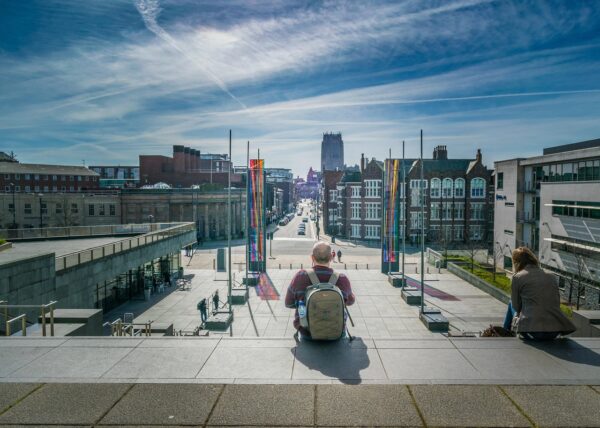
The Best Hotspots for Students in the City of Liverpool
Liverpool is known for many things – its iconic music history, passionate football culture, and lively waterfront. But for students? It’s an absolute playground.
Whether you’ve just landed at one of the city’s top universities or you’re a seasoned second or third-year looking to spice up your routine, this city is bursting with places where you can let your hair down, knuckle down to study, or just enjoy some much-needed downtime.
Let’s break it down – from dancefloors and caffeine fixes to quiet corners and cultural gems – these are the best student-friendly hotspots Liverpool has to offer.
1. Concert Square – The Beating Heart of Student Nights Out
Let’s be real – no student experience in Liverpool is complete without a few nights out (or many) in Concert Square.
Tucked just off Wood Street and Fleet Street in the Ropewalks area, this iconic nightlife hub is packed every night of the week. But Wednesdays, Fridays, and Saturdays? That’s when it really comes alive.
You won’t find any pretentious velvet rope energy here. It’s open-air, messy, and unapologetically student-focused. People spill out of bars like Modo, Soho, and McCooley’s, dancing under fairy lights with VKs in hand. Most clubs offer student wristbands, £1–2 drinks, and even free entry if you know the right promo codes.
If you’re new to Liverpool, this is the place to make friends. If you’re a local student? It’s probably already your second home.
2. Coffee & Study Spots – For Those “I Should Probably Do Some Work” Days
Liverpool’s indie café scene is buzzing – and thankfully, many of them are super student-friendly. Whether you’re deep in deadline season or just want to sip something warm while pretending to do work, here are the best spots to fuel your focus.
Root Coffee (City Centre): Root Coffee is a favourite for students who take their coffee and their concentration seriously. Minimalist décor, good music, and a lowkey vibe make this ideal for a few hours of solo study. The staff don’t rush you either, which is a big win.
92 Degrees (Hardman Street & Baltic Triangle): This locally loved chain gets it right – good WiFi, plenty of plug sockets, and coffee that won’t break your budget. The Hardman Street location of 92 Degrees is particularly popular with Uni of Liverpool and LJMU students, while the Baltic Triangle branch gives off more of a creative, artsy vibe.
Bold Street Coffee: Right in the heart of town, Bold Street Coffee is your go-to for a cool aesthetic, top-notch brunch options, and plenty of student footfall. It can get busy during peak hours, but it’s a great place to dip into between lectures or when you want to feel like you’ve got your life together.
The Egg Café: Up a purple staircase near the top of Bold Street, The Egg Café is a hidden gem. Vegetarian food, mismatched furniture, and a laid-back, artsy crowd – it’s popular with creatives, mature students, and anyone who wants a break from the mainstream. Plus, their lemon cake is a must.
3. Green Spaces – Because Sometimes You Just Need to Breathe
Liverpool might be a buzzing city, but it’s also home to some gorgeous green spaces where you can chill, picnic, or pretend you’re outdoorsy for the sake of your mental health.
Sefton Park: Near the student-heavy Smithdown and Wavertree areas, Sefton Park is absolutely massive. It’s perfect for morning jogs, group picnics, reading under trees, or summer games of rounders. The Palm House – a stunning glass dome – is a lovely bonus.
Princes Park: A little closer to the city centre and quieter than Sefton, Princes Park is perfect when you want a walk without the crowd. You’ll find dog walkers, runners, and plenty of students using it as a shortcut or escape from screen time.
St James Gardens: Right next to the Anglican Cathedral, St James Gardens is one of Liverpool’s best-kept secrets. A former graveyard-turned-park (don’t worry, it’s peaceful, not creepy), it’s the perfect spot for reflection, sketching, or lunch with a view of the towering cathedral above.
4. Shopping & Culture – Balance the Binge with Some Brain Food
Not everything has to be about clubbing and coffee. Liverpool’s got a rich cultural scene and plenty of opportunities for retail therapy – and much of it is free or student-budget-friendly.
Bold Street: If you’re tired of chain stores and want something a bit more unique, Bold Street is your mecca. It’s home to quirky independent shops, vintage clothing spots, record stores, and some of the best street food in the city. You’ll find everything from Turkish wraps and vegan cakes to bubble tea and Korean fried chicken – all on one street.
Liverpool ONE: For mainstream shopping, Liverpool ONE has got it all – Zara, Apple, JD Sports, Lush, Urban Outfitters, and pretty much every high street brand you’d want. It’s also great for group hangs, grabbing food, or pretending you’re just “window shopping” when really you’re about to drop your student loan in one afternoon.
Tate Liverpool & Walker Art Gallery: Need to feel cultured? These two art galleries are student gold. Tate Liverpool, based at the Albert Dock, features modern and contemporary art with rotating exhibitions (many of them free with student ID). Walker Art Gallery, closer to town, is more traditional and absolutely stunning. Think Renaissance portraits, sculpture halls, and powerful exhibits – perfect for history buffs and Instagram posts alike.
5. Honorable Mentions – Because We Couldn’t Leave These Out
The Baltic Market: Not on the original list, but The Baltic Market is definitely worth a shout. Think live music, fairy lights, and a rotating selection of food stalls. Great for group socials and date nights.
Kazimier Garden: Kazimier Garden is a bit grungy, but very cool – this is the kind of outdoor bar where you’ll find uni societies meeting up, live DJs, and £3 pints in the summer.
The Philharmonic Dining Rooms: The Philharmonic Dining Rooms is one of the most beautiful pubs in the United Kingdom. Yes, seriously. Even if you don’t drink, go in and check out the ornate décor and old-school charm.
Final Thoughts: The City is Yours
Liverpool is a student city through and through. With two major universities and a college scene to match, it knows how to cater to a young, curious, and slightly sleep-deprived crowd.
Whether you’re dancing in Concert Square until 3am, trying to smash out a deadline in Root Coffee, or getting inspired at an art gallery – this city has the vibe, the value, and the variety to make your student years unforgettable.
So get out there. Try the lemon cake at The Egg. Lie in the sun at Sefton Park. Dance in the rain in Ropewalks. This is your Liverpool. Make it count.
Read More
Local Student Living: What You Can Get for Your Money in Nottingham vs. Hull
When deciding where to live and study, students often weigh up more than just course rankings or university reputation.
Cost of living, lifestyle, and quality of accommodation are becoming increasingly important factors – especially with the rising cost of living across the United Kingdom.
In this feature, we compare two student-friendly cities, Nottingham and Hull, to help you understand what your money can get you in each location. From rent prices to social scenes, this is your go-to guide for making an informed decision between the two.
Rent Prices: How Much Does Student Accommodation Cost?
As one of the UK’s most popular student cities, Nottingham boasts two large universities: the University of Nottingham and Nottingham Trent University.
With such high demand, rent can vary significantly depending on the area and type of accommodation. On average, students can expect to pay between £130–£180 per week for an ensuite room in a purpose-built student accommodation (PBSA), or around £100–£140 per week for a room in a shared student house.
The most popular student areas include Lenton, Dunkirk, and the city centre – all close to campus and nightlife but often at a higher cost. Bills are sometimes included, but not always, so students need to factor in an extra £15–£25 per week if not included.
Hull, home to the University of Hull, offers a more affordable student living experience overall.
Rent prices are typically lower, with students paying around £90–£120 per week for ensuite PBSA, and as low as £70–£90 per week for shared student houses. The Avenues, Cottingham Road, and Newland Avenue are popular student zones, offering good access to campus and local shops.
In many Hull properties, bills are included in the rent, making budgeting simpler and often more cost-effective in the long run.
Verdict: If cost is your priority, Hull is the clear winner for affordability, often saving students around £40–£60 per week compared to Nottingham.
Lifestyle and Entertainment: What’s There to Do?
Nottingham offers a vibrant city experience with a buzzing nightlife, large music venues, and cultural hot spots like the Nottingham Playhouse and Nottingham Contemporary. The city is packed with bars, clubs, and restaurants catering to all tastes and budgets.
Students here can enjoy a lively student union scene, popular bars in the Lace Market, and regular gigs at Rock City and Rescue Rooms. For daytime activities, there’s the Victoria Centre for shopping and beautiful green spaces like Wollaton Park.
Hull, while smaller, has undergone significant redevelopment over the past decade, especially after being named UK City of Culture in 2017.
It offers a growing selection of quirky cafes, pubs, and live music venues. The Hull Truck Theatre, Fruit Market, and Humber Street host art exhibitions and events throughout the year.
Although nightlife in Hull is smaller in scale, it still delivers, especially around Newland Avenue and Princes Avenue. For a more laid-back student lifestyle, Hull delivers plenty of charm without the hustle of a large city.
Verdict: Nottingham wins for nightlife and variety, but Hull holds its own with a strong sense of local culture and a more relaxed pace.
Travel and Transport: Getting Around
Nottingham’s public transport system is efficient, with regular buses and trams running through student-heavy areas and into the city centre. A student bus pass can cost around £240–£270 for the academic year, and the tram network is particularly useful for those living slightly further from campus.
Cycling is also popular in Nottingham, with designated bike lanes and city-wide rental schemes like Lime e-bikes.
Hull is a more compact city, which means many students can walk or cycle to campus without needing a travel pass. There are buses available, and a student pass is generally cheaper than in Nottingham – around £180–£200 per year.
What’s more, Hull is also part of the national rail network, with decent links to Leeds, York, and beyond.
Verdict: Hull is easier to navigate on foot or by bike, making day-to-day travel cheaper and simpler. Nottingham offers more public transport options, but they come at a higher cost.
The Bigger Picture: Overall Student Experience
Studying in Nottingham means enjoying a large student population, top-tier universities, and excellent links to other major cities like Birmingham and London.
With more happening across the city, students often feel like they’re part of something bigger. The trade-off is a higher cost of living and more competition for accommodation.
Hull provides a tight-knit, friendly student community with lower costs across the board – from rent to socialising. It may not offer the same scale of events or nightlife as Nottingham, but it makes up for it with affordability and a growing cultural scene.
Verdict: Choose Nottingham if you’re looking for a big-city student experience with lots of buzz and events. Choose Hull if affordability, community feel, and simplicity are more your style.
Final Thoughts
Both Nottingham and Hull have plenty to offer, but they suit different types of students.
If your budget is tight and you want good value for money, Hull offers excellent living standards without the financial strain. If you’re after a more fast-paced, dynamic experience with everything at your fingertips, Nottingham’s lively atmosphere and broad entertainment options may justify the extra cost.
Whichever city you choose, the key is to balance what matters most – be it cost, culture, nightlife, or campus access – and make sure it matches your own goals and lifestyle preferences.
Read More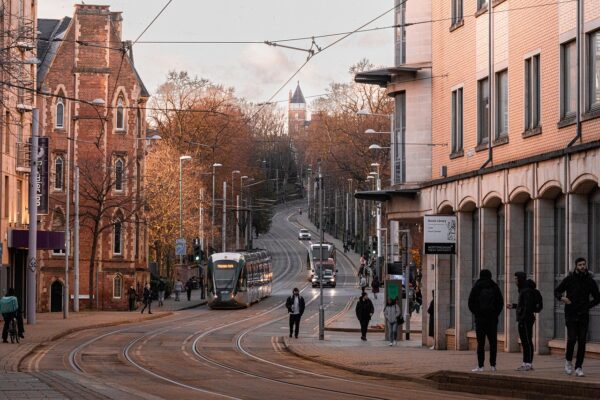
The Best Hotspots for Students in the City of Nottingham
When you think of university life in Nottingham, you might immediately picture lecture halls, society meetings, and last-minute assignment scrambles.
But let’s not forget one of the best parts of student life – discovering the spots that make the city feel like home. Whether you’re new to Nottingham or just want to spice up your social calendar, we’ve rounded up the very best hotspots in town that students genuinely love.
From laid-back pubs and buzzing nightclubs to Instagrammable eateries and green escapes, Nottingham has it all. Let’s take a wander through the must-visit places that every student should know about.
Lenton Life: More Than Just Student Housing
Ask any student and they’ll tell you – Lenton is basically the beating heart of Nottingham’s student scene. Known for its high concentration of student houses, it’s also where you’ll find one of the most popular local pubs: The Rose and Crown.
This cosy, budget-friendly pub offers everything from decent pints to pub quizzes and hearty food. It’s a go-to for relaxed catch-ups or pre-drinks with your flatmates. The prices are kind to your student loan, and there’s a certain familiarity that makes you feel like a regular after just a couple of visits.
Around the corner, Lenton is surprisingly green. The surrounding parks – especially Lenton Recreation Ground – offer perfect spots for impromptu kickabouts, sunny-day picnics, or a much-needed breather between deadlines.
In spring and early summer, these spaces are teeming with student life and frisbee games.
City Centre Chill: Arboretum Park
Just a short walk from Nottingham Trent University and the city centre lies The Arboretum, a stunning Victorian park that feels like a peaceful retreat from the hustle and bustle.
With its duck ponds, bandstand, and winding paths, the Arboretum is ideal for reading, lounging, or getting those all-important steps in.
It’s also a popular spot during exam season for a much-needed mental reset – because sometimes a walk among trees is better than a fourth cup of coffee.
Nightlife That Never Misses
Let’s get one thing straight – Nottingham’s nightlife punches well above its weight. Whether you’re into indie bangers, cheesy throwbacks, or techno beats, there’s something for every vibe.
Start your evening at Bodega, a super popular student haunt known for its quirky décor, outdoor courtyard, and live music nights. Its Monday club night is a student rite of passage, and the drinks deals are hard to beat.
Next up, for something a bit more chaotic (in the best way), there’s Ozbar. Located just outside the main city centre drag, this place is full of energy, affordable cocktails, and pumping tunes. Expect fluorescent lighting, shot deals, and a lot of students letting loose after a long week.
Bierkeller brings a German twist to your nights out. Think long wooden benches, steins bigger than your head, and Bavarian vibes with a modern twist. It’s especially fun on themed nights or big sports events when the crowd’s electric.
But when you’re talking about legendary status, Rock City needs no introduction. An iconic venue that hosts everything from big-name gigs to sweaty student nights, it’s arguably Nottingham’s most famous nightlife spot. Its weekly “Get Lucky” nights are packed, loud, and unforgettable.
Just around the corner is Stealth, a must-visit for fans of electronic music. It’s gritty, dark, and all about the music – perfect for those late nights that somehow become early mornings. Bonus points if you manage to do the infamous Stealth vs. Res (Rock City) double on a student night.
Food Spots Worth the Hype
When it comes to refuelling, Nottingham has some stellar student-friendly food spots that are perfect for anything from hangover brunches to birthday dinners.
First up: Mollis. This contemporary eatery serves modern takes on fried chicken and bao buns – it’s casual dining with serious flavour. It’s also very Instagram-friendly, so if you’re someone who loves a vibey food snap, this is the place.
Toast is another student favourite. This cosy café-style spot is known for its inventive brunch menu, artisan coffee, and warm service. Whether you’re nursing a hangover or powering through some coursework, Toast feels like a mini escape from the uni grind.
And if you’re after somewhere a little more upmarket (without completely blowing the budget), Public offers classy cocktails and a moody, speakeasy-style vibe. It’s ideal for dates, group dinners, or a treat-yourself kind of evening.
Underground Cool: Dispatch
Looking for a cool place that’s not as well-known as the major clubs? Say hello to Dispatch. It’s one of Nottingham’s newer venues that’s gaining a loyal crowd thanks to its underground music events, curated nights, and edgy vibe.
Perfect for those who want something different from the mainstream club scene, Dispatch offers a change of pace – it’s all about curated line-ups, good sound systems, and a crowd that’s here for the music, not just the photos.
Classic Cinema and Riverside Vibes
Need a change of pace? Swap the noise for some culture with a trip to Savoy Cinema, Nottingham’s beloved independent picture house. With retro interiors, cheap tickets, and a charm that big chains can’t match, Savoy is perfect for midweek movie nights or chilled-out Sundays.
And then there’s The Embankment, a scenic riverside spot where students often go to walk, jog, or just relax with friends. It’s a bit further out but worth it on a sunny day. Grab a coffee, take in the views of the River Trent, and enjoy a breather from the buzz of student life.
For something that combines riverside views with arcade nostalgia, head to Penny Lane. This bar brings all the fun of seaside amusements with its retro games, bright colours, and American diner vibes – all while serving up tasty drinks and burgers.
Whether you’re challenging your mates to air hockey or sipping cocktails by the river, Penny Lane delivers fun with flair.
Final Thoughts: A City That Has It All
What makes Nottingham such a brilliant student city isn’t just its universities – it’s the incredible variety of places to explore, enjoy, and make memories in.
From wild nights out and laid-back brunch spots to peaceful parks and riverside strolls, there’s something for every kind of student.
Whether you’re a first-year just getting your bearings or a final-year student hunting for new favourites before graduation, these hotspots are worth checking out. And who knows – your future “remember that time in Notts…” stories probably start in one of these very places.
So, grab your mates, charge your phone, and get out there. Nottingham’s best bits are waiting.
Read More