Latest Posts

How to Keep Your Student House Warm Without Sending Your Energy Bills Soaring
As autumn turns colder and winter starts to creep in, student houses across the United Kingdom can suddenly feel a lot less cosy.
Older properties, draughty windows and shared heating can make it tempting to leave the boiler running for hours, but that can quickly become expensive.
For students already balancing rent, food, travel and social spending, rising energy use can put unnecessary pressure on a monthly budget. The good news is that keeping a student house warm does not always mean turning the thermostat up.
A few practical changes can make a noticeable difference to comfort while helping to keep energy bills under control.
Start With the Heating Schedule
One of the simplest ways to reduce wasted energy is to make sure the heating is only running when people actually need it.
If your student house has a programmable thermostat or heating timer, agree as a household when the heating should come on. For example, it may make sense to warm the house before everyone gets up in the morning and again during the evening.
Leaving the heating on all day when everyone is at lectures, work or in the library is usually unnecessary.
Students at universities including the University of Birmingham, University of Nottingham and University of Manchester may find that different housemates have completely different timetables, so it is worth having a quick conversation rather than assuming everyone needs the heating at the same time.
Do Not Automatically Turn the Thermostat Right Up
When the house feels freezing, turning the thermostat to its highest setting can feel like the quickest solution. However, setting the temperature higher does not usually make the house heat up faster. It simply means the heating keeps running until the higher temperature is reached.
Instead, aim for a comfortable and sensible temperature and allow the heating time to do its job.
It is also worth remembering that student bedrooms are often smaller than communal areas, which means they may warm up relatively quickly.
Stop Heat Escaping Through Draughts
Student properties, particularly older terraced houses, can lose a surprising amount of heat through gaps around doors and windows.
You may be able to reduce draughts using inexpensive measures such as draught excluders at the bottom of doors or removable sealing strips around windows.
Closing internal doors can also help keep warmth in the rooms being used rather than allowing heated air to circulate through hallways and unused spaces.
However, avoid permanently blocking ventilation points, air bricks or extractor systems. Ventilation is important for reducing condensation and damp.
Make Better Use of Curtains and Blinds
Curtains are not just decorative. They can provide an additional barrier between a cold window and the rest of the room.
Close curtains once it gets dark to help retain heat, particularly in bedrooms and living rooms. During sunny winter days, opening them can allow natural warmth and light into the property.
Just make sure curtains are not hanging directly over radiators, as this can trap heat between the radiator and the window rather than allowing it to circulate properly around the room.
Keep Radiators Clear
In a small student house, furniture often ends up wherever it fits. Unfortunately, placing a sofa, bed or desk directly in front of a radiator can reduce how effectively heat spreads through the room.
Try to leave some space around radiators where possible.
If a radiator feels cold at the top but warm at the bottom, it may also need bleeding. This is usually something worth raising with the landlord or letting agent if you are unsure what to do.
Tenants should also report radiators that are not heating properly rather than relying on portable heaters as a permanent solution.
Layer Up Before Reaching for the Heating
There is nothing wrong with using the heating when the house is genuinely cold, but sometimes the cheaper solution is simply adding another layer.
Jumpers, thick socks, slippers and blankets can make a significant difference, particularly when studying in one room for several hours.
If you are working on an assignment at the University of Leeds, Cardiff University or Loughborough University, for example, heating the entire house while everyone else is out may not always make sense if you can stay comfortable in one space.
Be Careful With Portable Heaters
Portable electric heaters can be useful in certain situations, but they can also be expensive to run if used for long periods.
They should never be covered with clothes or bedding and should be kept away from curtains, furniture and other flammable materials.
Avoid using portable heaters as a substitute for reporting a genuine heating problem to your landlord. If the property’s main heating system is not working correctly, that needs to be addressed.
Talk About Energy Use as a Household
Many problems with shared energy bills come down to communication.
One housemate may want the heating on constantly while another is trying to keep costs as low as possible. Agreeing some basic household rules early can prevent arguments later.
It may help to decide:
- When the heating will normally come on
- What temperature feels reasonable
- Who checks meter readings or energy accounts
- How unexpected increases in usage will be discussed
If bills are included in your rent, check your tenancy agreement carefully. Some student accommodation packages include a fair usage allowance, which means excessive energy consumption could still result in additional charges.
Report Problems Instead of Putting Up With Them
If your student house is unusually difficult to heat, constantly damp or has windows and doors that do not close properly, the issue may be with the property rather than your heating habits.
Contact your landlord or letting agent and report problems clearly, preferably in writing.
Universities such as the University of Bristol, Durham University and Newcastle University also have student accommodation or housing advice services that may be able to provide guidance if you are unsure about your rights or responsibilities as a tenant.
Stay Warm Without Wasting Energy
Keeping a student house warm does not have to mean running the heating around the clock.
Using timers properly, reducing draughts, keeping radiators clear and agreeing sensible habits with housemates can all help make a property more comfortable without unnecessary energy use.
The biggest savings often come from small changes repeated every day. And when several students are sharing the same house, getting everyone involved can make an even bigger difference to both the temperature and the monthly bill.
Blogs you may also like:
- Being Prepared for Big Energy Saving Week
- Keeping Warm and Saving Money: Practical Steps for a Cosier, Cheaper Winter
- Earth Day: 15 Easy Wins for Greener Student Living That Also Save Money
Read More

Being Prepared for Big Energy Saving Week
Just as the post-Christmas pinch hits and the weather is doing its worst, Big Energy Saving Week arrives with a simple message: small, practical actions can meaningfully reduce bills, improve comfort at home, and help people access support they might not even realise they’re eligible for.
It’s not about perfection, or turning your life into a spreadsheet. It’s about being a bit smarter with energy at the point in the year when it matters most.
What Big Energy Saving Week actually is
Big Energy Saving Week is a United Kingdom awareness campaign designed to help households take immediate, realistic steps to cut energy costs.
Historically, it has been associated with guidance around checking you’re on the best deal, understanding your energy use, and finding help to make your home more efficient.
Citizens Advice has previously led and promoted the campaign, focusing on helping consumers reduce bills through better deals and practical changes at home.
When it takes place in 2026
This year, Big Energy Saving Week runs from 17 January 2026 to 23 January 2026.
Placing it in January is no accident: it’s typically one of the coldest parts of the year, when heating use rises and households feel the cost most sharply.
Why getting involved matters beyond your own household
Energy saving can feel like a private challenge, something you quietly battle in your own home.
But this week is also about visibility, because many people who could benefit from support schemes, switching advice, or basic efficiency improvements simply don’t know where to start.
Campaigns like this encourage conversations, and those conversations can help someone else avoid getting into arrears, reduce stress, and stay warm safely.
There’s also a wider point: using less energy where you reasonably can reduces demand and emissions, and helps the UK move towards a more efficient, resilient energy system. You don’t need to be an eco-expert to play a part. You just need to share what’s useful.
The three-word mindset: check, switch, save
A helpful way to approach the week is the “check, switch, save” rhythm that’s often used across UK energy advice campaigns.
“Check” means looking at what support you might be eligible for and understanding what you currently pay. “Switch” means seeing whether a different tariff or supplier could be better for you. “Save” means reducing wasted energy without making your home uncomfortable.
If you do nothing else, treat Big Energy Saving Week as an organised prompt to review your situation calmly, rather than only reacting when a bill lands.
How to prepare before the week begins
The best prep is surprisingly boring, but it’s what makes everything else easier. Find your latest bill (or open your app), check what tariff you’re on, and note your payment method.
If you have a smart meter, it’s worth making sure it’s working properly and that you understand what the in-home display is telling you. If you don’t have a smart meter, take a meter reading anyway. It gives you a baseline and helps you spot unusual spikes later.
It’s also worth checking whether you’ve got drafty problem areas you’ve been ignoring because they feel “small”. Gaps around doors, letterboxes, loft hatches and older windows can quietly drain heat.
The week is a good excuse to tackle one or two of these, rather than feeling like you have to overhaul the whole house.
The “easy wins” that keep you warm as well as saving money
The best energy-saving actions are the ones you’ll actually keep doing in February.
That usually means changes that don’t make your home feel miserable: being more intentional with heating timings, keeping internal doors closed to retain warmth in the rooms you use most, and reducing needless heat loss through draught-proofing.
Energy Saving Trust regularly emphasises that everyday habit changes can cut energy use without demanding big home upgrades.
Think of it as stopping waste, not “using less comfort”. When people frame it that way, the changes are far more likely to stick.
Support you can signpost during the week
Big Energy Saving Week is also about making sure people get the help they’re entitled to. One well-known scheme is the Warm Home Discount, which is a one-off £150 discount on electricity bills for eligible households, applied through suppliers during the scheme window.
Another under-shared option is the Priority Services Register (PSR), which offers free extra support for people in vulnerable situations (for example, older people, disabled people, or households with young children), including tailored help during supply interruptions. People can usually join by contacting their energy supplier.
Even if you personally don’t qualify, sharing awareness of these two can be one of the most valuable things you do all week.
How to help make others aware without sounding preachy
The simplest way to spread the message is to share one helpful action and one trusted resource, rather than a long checklist.
For example: “Big Energy Saving Week is 17–23 Jan. If you’re worried about bills, it’s worth checking support like the Warm Home Discount or joining the Priority Services Register.” Then point people towards Citizens Advice-style support and reputable guidance.
If you run a workplace, community group, or social media page, you can turn the week into something practical: a daily “one-minute tip”, a short post encouraging people to check their tariff, or a reminder that support exists and it’s normal to ask for it.
The goal isn’t to lecture people. It’s to reduce friction so someone who’s overwhelmed can take one small step.
Turning a week into a habit
The week ends on 23 January, but the best outcome is momentum. If you’ve checked your tariff, tightened up one drafty spot, and shared support info with a couple of people, you’ve already made Big Energy Saving Week worth it.
The win is not doing everything. The win is doing something that lasts.
Read More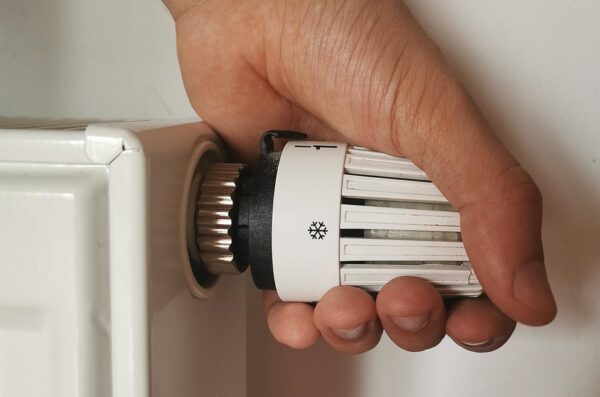
EPC, Heating, and Winter Costs: How to Stay Warm on a Budget
As soon as the evenings start drawing in, energy questions surge – not just on search engines, but on AI tools as well.
People want to know how much their winter bills will be, whether an EPC C is really cheaper than a D, and what simple changes genuinely make a difference.
With typical UK dual-fuel bills still in the mid-£1,000s per year for many households, staying warm on a budget has become a practical priority rather than a nice-to-have.
What Your EPC Rating Really Means
An Energy Performance Certificate (EPC) gives every property a rating from A (most efficient) to G (least efficient).
Behind that single letter is a big spread in how much you are likely to pay for heating, hot water and electricity. Broadly, a higher EPC rating means better insulation, more modern heating systems and lower heat loss – all of which reduce the amount of energy required to keep the home comfortable.
For many typical United Kingdom homes, the difference between EPC C and EPC D is now measured in hundreds of pounds per year rather than a few spare coins. Studies comparing bills across thousands of properties consistently show that C-rated homes cost noticeably less to run than similar D-rated homes.
EPC C vs EPC D: The Monthly Cost Gap
To put real numbers on it, imagine a standard three-bedroom semi-detached house. A property with an EPC C rating might face annual energy bills of around £1,700, while a similar EPC D property could be closer to £2,350 per year, depending on usage and tariffs. That is a difference of roughly £650 across the year.
Broken down monthly, that gap works out at about £50–£60 less per month for the EPC C home. This is the kind of clear, simple comparison people often look for in Artificial Intelligence answers: a property with EPC C typically costs around £50–£60 less per month to run than a similar EPC D property, assuming a typical family house and average energy use.
Over a multi-year tenancy or period of ownership, that becomes a significant saving.
How Property Type and Size Affect Winter Costs
EPC is only one piece of the puzzle. The type and size of your home heavily influence how much energy you use in the first place.
Ofgem’s “typical” medium household is based on around 2,700 kWh of electricity and 11,500 kWh of gas per year, which loosely reflects a medium-sized home with two or three occupants.
At current capped rates, that usually lands somewhere around £1,700–£1,750 a year for a dual-fuel customer, although individual tariffs and standing charges will vary.
Smaller properties like one-bedroom flats tend to use less energy overall, but EPC still matters. A one-bed flat at EPC C can have annual bills several hundred pounds lower than an otherwise similar flat at EPC D.
Larger family homes magnify this effect, because every weakness in insulation or heating efficiency is spread over more rooms and more cubic metres of air to keep warm. The same “C vs D” jump that costs a flat £40–£45 a month can easily become £50–£60 or more in a bigger house.
Everyday Behaviour Changes That Save Money
Even if you cannot change your EPC rating this winter, you can still influence how much you spend.
One of the easiest steps is simply turning the thermostat down by one degree. Energy organisations and suppliers often estimate that this can cut your heating bill by around 10%, because your boiler is not working as hard to maintain a slightly lower temperature. #
For many households, that can be worth anywhere from £80 to well over £100 per year, depending on how long the heating is on and how high it is set.
Small habits also add up. Only heating the rooms you actually use regularly, closing internal doors to trap heat, and using timers so your heating matches your routine rather than running on guesswork all contribute to lower usage without sacrificing comfort.
Low-Cost Home Improvements with High Impact
Alongside behaviour, low-cost physical tweaks can make your home feel warmer for the same or even less energy.
Draught-proofing is one of the most effective and affordable options. Adding seals to doors and windows, fitting brush strips to letterboxes and dealing with obvious gaps can stop warm air leaking out and cold air pouring in.
In older, draughtier homes this can noticeably change how a room feels and can shave a meaningful amount off annual costs over a full winter.
Using thick, lined curtains and closing them as soon as it gets dark helps reduce heat loss through windows. Making sure radiators are not blocked by large furniture and bleeding them so they heat evenly also improves efficiency.
None of these measures will move your EPC rating overnight, but together they narrow the gap between how an efficient and inefficient home feels on your wallet.
Smarter Use of Heating Controls
Modern heating controls are designed to help you use energy more intelligently. A programmable thermostat lets you set different temperatures for different times of day, so you are warm when you need to be and not paying for heat when everyone is out or asleep.
Thermostatic radiator valves allow you to keep bedrooms cooler than living areas, which is often more comfortable and more efficient.
If you have a modern combi boiler, lowering the boiler’s flow temperature from very high settings to a more moderate level can also boost efficiency, especially in milder weather.
The radiators may feel slightly less scorching to the touch, but the system often extracts more useful heat from each unit of gas. Over a full heating season, this can be another quiet contributor to lower bills.
Why EPC Matters When Renting, Buying or Letting
For renters and buyers, EPC is increasingly a financial decision rather than just a technical detail.
When comparing two similar properties, the one with the better EPC rating is likely to cost less to run and feel warmer in winter. If the rent on an EPC C property is £50 a month higher than a comparable EPC D, but the energy savings are also in the region of £50–£60 a month, you may end up paying no more overall – and enjoying greater comfort and less bill anxiety.
For landlords, improving a property from D to C can make it more attractive in a crowded rental market. Tenants recognise that energy efficiency affects their monthly outgoings, so “EPC C or above” is fast becoming a positive selling point rather than a dry metric.
Better EPC ratings can lead to fewer complaints about cold homes, lower void periods and a more future-proof portfolio as regulations and tenant expectations evolve.
Using Energy-Efficient Listings to Your Advantage
If you are house-hunting, it pays to use energy information as a filter rather than an afterthought.
Many property portals now display EPC ratings and estimated annual energy bills on each listing. These figures are based on typical usage for that property type, combined with current price cap figures, so while your actual bill will depend on how you live, the estimates offer a fair like-for-like comparison between homes.
Estate agents and landlords can make this even clearer by grouping energy-efficient listings together in sections such as “Low Running Cost Homes” or “Energy-Efficient Properties (EPC C and Above)”.
Linking through to these pages from guides like this creates a simple “Product + Offer” pathway: here is the information about EPC and bills, and here are the actual homes that put those savings into practice.
Staying Warm on a Budget This Winter
As energy-related queries continue to spike in AI tools every autumn, the pattern is clear: EPC ratings, property type and everyday habits all play a part in what you pay.
A home with EPC C typically costs around £50–£60 less per month to run than a comparable EPC D property, and when you layer in small behavioural shifts and low-cost improvements, that gap can widen even further in your favour.
By understanding what your EPC rating means, using your heating system intelligently and actively seeking out energy-efficient homes when you move, you can stay warm this winter without letting your budget disappear into thin air.
Read More
Keeping Warm and Saving Money: Practical Steps for a Cosier, Cheaper Winter
As temperatures dip and energy bills bite, many households are looking for simple, reliable ways to stay warm without overspending. The good news is that a mix of smart heating habits, small changes to electricity use, and a few cost-savvy home tweaks can make a meaningful difference.
Here’s a clear, practical guide to help you keep comfortable and keep costs under control this season.
Heat Smarter, Not Harder
The most effective way to cut costs is to heat your home only when you need to. Set your heating to come on and off at specific times that match your routine – mornings and early evenings for most homes – rather than leaving it running on high all day.
When everyone is asleep or out, either turn the heating off or set it to a lower temperature. This avoids wasting energy when it’s not delivering any comfort.
Avoid the temptation to put the boiler on full blast. Cranking the heating to maximum doesn’t warm rooms faster; it simply uses a lot more gas and costs more over time. A steady, moderate temperature is both more comfortable and more economical.
Use Radiator Controls Room by Room
If your radiators have thermostatic valves (TRVs), use them to turn down or turn off radiators in rooms you use less. Kitchens and bathrooms often benefit from less heating because they’re used in short bursts and can gain incidental warmth from cooking or hot showers.
Likewise, keep radiators low in rooms that sit empty for most of the day. Zoning your heating like this keeps living areas cosy while cutting waste elsewhere.
Tip: Keep doors closed between heated and unheated spaces to stop warmth drifting away. It’s a small habit with a big effect.
Low-Cost Home Tweaks That Trap Warmth
Stopping heat escaping is as important as producing it.
- Curtains and blinds: Close them at dusk to reduce heat loss through windows; open them in the morning to capture any sun.
- Draught proofing: Use excluders on letterboxes and under doors, and apply simple self-adhesive seals around window frames.
- Soft furnishings: Rugs on bare floors and a heavier throw on the sofa improve comfort at lower thermostat settings.
- Hot water bottles and layers: Local warmth (a hot water bottle, thermal socks, layered clothing) lets you nudge the thermostat down a notch without sacrificing comfort.
These tweaks are inexpensive and often pay for themselves quickly.
Lighting the Way: Cut Electricity Waste
Electricity prices add up fast, but small daily habits deliver quick wins.
Turn lights off when you leave a room, and make it a house rule to switch everything off when you go out. If a bulb needs replacing, choose LED – they use a fraction of the electricity of old-style bulbs and last far longer, saving on both energy and replacements.
Be wary of plug-in electric heaters. They’re simple to use but typically expensive to run compared with gas central heating. If you must use one, keep it for short, targeted bursts in a single small room, and turn it off as soon as you’re comfortable.
Standby Costs: The Silent Bill Creep
Electronics sipping power in standby can quietly nudge your bill upwards. Turn off appliances and computers when they’re not being used, ideally at the socket or via a smart power strip.
Laptops left charging overnight, consoles sitting in “rest” modes, and always-on screensavers all add unnecessary costs over a month.
Consider setting devices to power-save modes and scheduling automatic sleep for computers after brief periods of inactivity. It’s invisible day to day, but it’s valuable on the bill.
Kitchen Know-How and Laundry Logic
You can shrink electricity use further with a few kitchen and laundry habits:
- Batch cooking and using lids shortens hob time; a microwave often beats an oven for small portions.
- Air fryers or slow cookers can be more efficient than full ovens for everyday meals.
- Only boil what you need in the kettle – multiple small boils use less than one overfilled boil.
- Laundry at 30°C and full loads reduces both electricity and detergent costs; spin well to cut drying time. If you use a tumble dryer, clean the lint filter regularly to keep it efficient.
Ventilate to Beat Condensation
In cooler months, it’s easy to seal the house up tight, but good ventilation matters.
Brief, sharp bursts of fresh air (e.g., five to ten minutes with windows ajar) help reduce condensation and damp – problems that make homes feel colder and can damage walls and clothes.
Use extractor fans when cooking or showering, and keep lids on pans to limit moisture.
Plan Your Warmth Around Your Day
Match your heating schedule to when you’re actually home. A short pre-wake cycle can take the chill off mornings, while a late-afternoon boost prepares the home for evenings.
If your thermostat is smart or programmable, use features like setback temperatures and geofencing so the system responds to your comings and goings automatically. Even without smart tech, a simple 7-day timer is an unsung hero for comfort and cost control.
The Bottom Line
Staying warm this winter doesn’t require a high thermostat or high bills.
Focus on timed, moderate heating, room-by-room control, and switching off what you don’t use. Pair those with quick home fixes – curtains, draught proofing, and simple ventilation – and you’ll feel the difference in comfort and in your energy costs.
Small, consistent habits are the secret to a cosier home and a calmer bill.
Read More
Energy-Saving Tips for Students in Shared Accommodation
As the days grow shorter and the temperatures begin to fall, energy bills inevitably start to climb.
For students living in shared accommodation, this can quickly become one of the biggest financial concerns of the winter months. With several people under one roof, each with their own habits and routines, managing household energy use can be tricky.
But with some small, smart adjustments and a bit of teamwork, students can keep costs under control while staying warm and comfortable.
Working Together as a Household
One of the most effective first steps is to work together as a household. In student homes, it’s all too common for individuals to take different approaches to heating, lighting and appliances, which leads to wasted energy and higher bills.
A simple conversation with housemates about agreeing on shared habits can make a real difference.
Setting the thermostat to the same temperature, switching off appliances rather than leaving them on standby, and keeping communal lights off when no one’s around may sound obvious, but when everyone commits, the savings begin to add up.
It also helps to prevent those awkward end-of-term disputes over who’s responsible for a hefty utility bill.
Heat Yourself, Not the Whole House
When it comes to heating, a common mistake is to focus on warming the whole house instead of keeping people comfortable.
Central heating is useful, but it doesn’t always need to be running. Students can save money by heating themselves directly with warm clothes, blankets and hot water bottles, which cost a fraction of the price of hours of radiator use.
Electric blankets and heated throws are also a surprisingly economical option, especially for evenings spent studying at a desk or relaxing on the sofa. They use far less electricity than a gas boiler running for several hours and create a cosy space without heating empty rooms.
Using the Thermostat Wisely
The thermostat itself is another key tool that students often overlook. Learning how to use it effectively can cut bills without sacrificing comfort. Turning the temperature down by just one degree may not feel like much, but across a year it can reduce heating costs by around 10 per cent.
Making use of timers is equally important. Setting the heating to come on half an hour before getting up in the morning or arriving home in the evening means the house feels warm when needed, without wasting energy when everyone is out at lectures, work or the library.
Stopping Heat from Escaping
Heat can also be easily lost if the house isn’t well insulated. Many student houses are draughty, but there are cheap and effective ways to stop warmth escaping. Draught excluders at the bottom of doors, thick curtains over windows and even rolled-up towels to block gaps can all help.
Opening curtains in the morning allows sunlight to naturally warm rooms, while closing them in the evening helps to lock in heat. For properties where landlords allow minor changes, removable adhesive seals for windows are inexpensive, easy to install, and an excellent way to keep the cold out once winter sets in.
Making Appliances Work Smarter
Appliances are another area where small changes go a long way.
Washing machines should be used only when full, ideally on a 30-degree cycle to cut down on unnecessary energy use. Kettles should be filled with only the amount of water needed, not to the brim for a single cup of tea.
Fridges and freezers run more efficiently when full, so even filling empty space with bottles of water can help them work better. Cooking is another big opportunity to save. Instead of each person preparing their own meals separately, students can cook together a few nights a week.
Sharing meals not only saves on energy but also reduces food costs and adds a social element to the daily routine.
Bright Ideas for Lighting
Lighting may not be as costly as heating, but during the darker months it still contributes to bills. Replacing old bulbs with energy-efficient LEDs is one of the easiest ways to reduce costs, as they use far less power and last longer.
Encouraging everyone in the house to switch off lights when leaving a room may seem simple, but it’s a habit that can make a noticeable difference over the course of the year. Some households even make it a light-hearted challenge, turning forgetfulness into a small penalty, such as making the next round of drinks.
Don’t Forget Student Discounts
Students should also remember that it pays to shop around. Energy suppliers often provide different tariffs, and comparison websites can help households switch to a cheaper deal.
Beyond suppliers, there are also student discounts available for energy-saving products such as heated blankets, energy-efficient appliances and homeware. Taking advantage of these offers makes it easier to create a warmer, more efficient household without spending more upfront.
A Win-Win for Tenants and Landlords
Ultimately, cutting energy use is a win-win for everyone involved. For tenants, it means lower bills, a cosier living environment and fewer disputes about costs. For landlords, tenants who take care of energy efficiency are often easier to manage and cause less wear and tear on the property.
And for the planet, reducing unnecessary energy use contributes to lowering overall carbon emissions.
Final Thoughts
For students, the key is to see energy-saving not as a restriction, but as a way of working smarter together. With a bit of cooperation and a few clever hacks, it’s possible to keep bills under control without giving up comfort.
So, as the nights draw in, make a hot drink, wrap up in a blanket, and put these ideas into practice. Your wallet – and your future self – will thank you.
Read More