Latest Posts
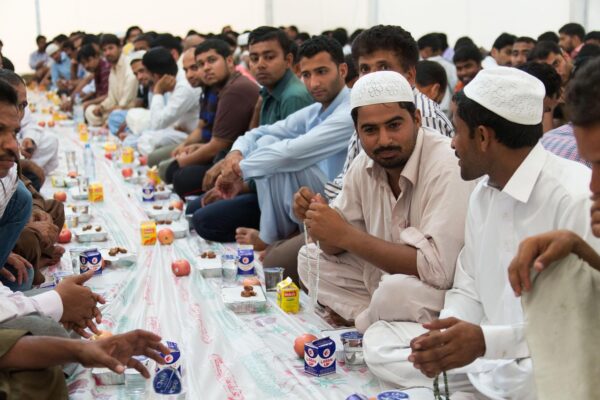
Everything You Need to Know About Ramadan Celebrations
Ramadan is the ninth month of the Islamic lunar calendar and is widely recognised as one of the most meaningful times of the year for Muslims.
It’s a month centred on worship, self-discipline, gratitude and community. While many people associate Ramadan mainly with fasting, the bigger picture is about spiritual reflection and resetting habits: being more mindful with words, actions, time and generosity.
For many households, Ramadan has a gentle rhythm that shapes the whole day. Mornings can start earlier than usual, evenings can become more social, and weekends often involve family visits, community events or extra time at the mosque.
It’s also a month where many people choose to give more to charity and find practical ways to support others.
When Ramadan Takes Place (And Why the Dates Change)
Ramadan moves each year because it follows the lunar calendar, which is shorter than the solar (Gregorian) calendar.
That means Ramadan begins around 10–12 days earlier each year in the United Kingdom. The start and end dates can vary slightly depending on moon sighting methods used by different communities, so it’s normal for people to confirm the first day close to the time.
Ramadan ends with Eid al-Fitr, a celebration that marks the close of fasting. Eid often includes special prayers, family gatherings, new clothes, gifts for children, and plenty of food. If you’re supporting colleagues, friends or neighbours, it’s useful to remember that dates can shift by a day, and plans may be confirmed late.
The Daily Routine: Fasting, Prayer and Community
During Ramadan, Muslims who are able to fast abstain from food and drink from dawn (Suhoor) until sunset (Iftar).
Fasting is not intended as punishment or a “diet”; it’s a form of worship and self-control, helping people appreciate what they have and empathise with those who have less. Many people also aim to reduce distractions, improve character, and spend more time in prayer and reading the Qur’an.
Evenings often become the heart of Ramadan. Families and friends may gather to break the fast together, sometimes starting with dates and water before a meal. In many communities, mosques hold additional nightly prayers (Taraweeh), which can mean later nights and an overall shift in energy across the month.
Who Fasts (And Who Doesn’t Need To)
Not everyone is expected to fast. People who are ill, pregnant, breastfeeding, travelling, elderly, or menstruating may be exempt.
Many people who miss fasts will make them up later when able, and some may offer charitable alternatives depending on their circumstances. This matters because you shouldn’t assume everyone who observes Ramadan is fasting every day, and you also shouldn’t pressure someone to explain personal reasons.
A supportive approach is simple: follow their lead. If they mention they’re fasting, be considerate. If they don’t, it’s fine not to ask.
How to Support Someone During Ramadan (Without Making It Awkward)
Support during Ramadan doesn’t need to be a grand gesture. The best support is usually practical and respectful.
If you work with someone who is fasting, be mindful of meeting timings, long physical tasks, and late-day decision-making when energy might dip. In the UK, fasting hours can feel especially long in late spring and summer, and easier in winter, so “how intense it feels” changes from year to year.
It’s also helpful to be thoughtful about food-centred plans. You don’t need to stop eating around someone who is fasting, but you can offer flexibility: scheduling team lunches at a different time, choosing a non-food activity, or asking if they’d prefer to join after sunset.
If you’re hosting anything in the evening, checking whether it overlaps with Iftar can make a big difference.
Small phrases go a long way too. “Ramadan Mubarak” (Blessed Ramadan) is a friendly greeting during the month, and “Eid Mubarak” is used around Eid.
Food, Invitations and Iftar Etiquette
If you’re invited to Iftar, treat it like being welcomed into someone’s home at a meaningful time.
You don’t need a deep knowledge of the religion to be respectful. Turning up on time matters because people often break the fast at sunset. Expect the meal to begin fairly promptly, sometimes with dates and water. It’s also common for hosts to encourage guests to eat well, so arriving hungry is perfectly acceptable.
If you want to bring something, ask first and keep it simple. Fruit platters, desserts, or non-alcoholic drinks can be appreciated, but be mindful that some families keep halal dietary standards (for example, avoiding gelatine in sweets unless it’s halal-certified). When in doubt, a box of dates is a classic, culturally familiar option.
Ramadan at Work, School and in the Community
For workplaces, Ramadan is a good time to practise inclusive habits: flexible breaks, thoughtful scheduling and avoiding assumptions.
Some people may take annual leave for the last 10 nights of Ramadan, which are particularly significant spiritually, or for Eid. If you manage a team, it can help to give space for people to adjust their work patterns where possible, especially for early starts after Suhoor or later nights due to prayers.
In schools and youth settings, Ramadan can be a chance to build understanding without singling anyone out.
Children may fast partially or not at all depending on age and family choice, but they often want to feel included. Sensible adjustments – like quieter activities at lunchtime for those who aren’t eating – can prevent children feeling isolated.
Community-wise, many mosques and organisations run charity drives, open Iftars and food bank initiatives during Ramadan. If you’re looking for a meaningful way to show support, donating to a local food bank or community kitchen during the month aligns strongly with Ramadan’s focus on generosity.
A Thoughtful Way to Approach Ramadan
Ramadan is ultimately about intention: becoming better, kinder and more grateful, while strengthening ties with family and community.
For people observing it, it can be energising and uplifting, but also physically demanding – especially when balancing work, parenting and social commitments. If you’re supporting someone through Ramadan, the golden rule is simple: be considerate, be flexible, and let them lead the conversation.
And if you’re ever unsure, a respectful question like, “Is there anything I can do to make things easier for you during Ramadan?” is usually the perfect place to start.
Read More
Everything Students Need to Know About National Careers Week
National Careers Week (NCW) runs from Monday 2 March to Saturday 7 March 2026, and it’s one of those calendar moments that can genuinely move your future forward – without needing you to have your entire life plan figured out.
If you’re a student, it’s easy to treat careers stuff as something you’ll “sort later”, especially when deadlines, shifts, and life admin are already doing the most.
National Careers Week is designed to make that “later” feel a bit more doable right now, with a focused week of guidance, events, and free resources to help you explore options and take your next step with more confidence.
What National Careers Week Actually Is (and why it exists)
National Careers Week is a UK-wide celebration of careers guidance and education.
The aim is simple: to create a clear focus point in the academic year where students can explore pathways, understand opportunities, and get support with decisions – whether that’s choosing a course direction, figuring out what job roles even exist, or preparing for applications and interviews.
A big reason it works is timing. Early March lands at a point where many students are thinking about placements, summer work, internships, graduate roles, apprenticeships, or what the next academic year might look like.
NCW acts like a spotlight – suddenly the advice, employer talks, workshops, and resources feel more visible and easier to engage with.
Why National Careers Week is genuinely useful for students
Careers advice can feel vague when it’s delivered as “you should network” or “make your CV better” with no clear next step. National Careers Week is beneficial because it turns career development into something you can do in smaller, practical actions across a week.
It also helps you build career awareness. A lot of students only consider the roles they’ve heard of – often the obvious ones, or the ones people around them talk about.
NCW encourages you to explore wider job families, emerging sectors, and alternative routes (like higher apprenticeships, degree apprenticeships, and entry routes that don’t require a “perfect” background).
And importantly, it gives you permission to start where you are. You don’t need a polished plan. You can use the week to get clarity on what you like, what you’re good at, and what you want to try next – then build from there.
Where to look during the week (even if your uni/college is quiet about it)
Most universities, colleges, sixth forms, and training providers run NCW-related activity – think employer sessions, alumni panels, CV clinics, mock interviews, and careers fairs. Many also share curated resource banks for students to browse at any time.
If your campus doesn’t shout about it loudly, you can still get value from national resources. The National Careers Service publishes free, United Kingdom-focused careers information, including CV guidance, application support, interview prep, and skills tools.
Start with a quick “direction check” (it takes 10 minutes, and it helps)
If you’re not sure what you want to do (or you’ve got too many ideas), begin with a skills and interests check. The National Careers Service has a “Discover your skills and careers” assessment that helps you identify what motivates you and points you towards career suggestions you can compare.
The goal isn’t to let a quiz decide your future. The goal is to give you language – words for your strengths and preferences – so you can research roles more effectively and explain yourself better in applications.
Use National Careers Week to improve your CV without overthinking it
A CV doesn’t need to be a masterpiece to be effective. It needs to be clear, relevant, and honest, with your skills and experience presented in a way that makes sense to an employer. A strong starting point is simply making sure your CV includes the right sections and reads like a real person, not a template.
National Careers Week is the perfect time to do a refresh because you can treat it like an upgrade rather than a full rewrite. Tighten your personal profile, make your most relevant experience easier to scan, and add evidence of outcomes (even small ones).
If you’ve done volunteering, society roles, part-time work, coursework projects, or helped run events, you’ve got material – your job is to translate it into skills and impact.
Practise interviews the smart way (without memorising robotic answers)
Interview prep can feel intimidating until you realise most questions are just different ways of asking: “Can you do the job, and can we work with you?”
The National Careers Service has practical interview guidance that covers prep basics like understanding the job description, researching the organisation, and planning examples from your experience.
One of the most useful techniques to learn during NCW is the STAR method. It helps you answer questions with structure – explaining the Situation, Task, Action, and Result – so you don’t waffle or undersell yourself.
Even if you’re not interviewing soon, practising STAR stories makes you better at explaining what you’ve done, which also improves your CV and applications.
How to get involved if you’re busy (or low-key anxious about careers events)
Not everyone loves careers fairs or big networking sessions, and that’s fine. You can still “do” National Careers Week in a way that suits your personality and schedule.
If you’ve got limited time, aim for one meaningful action per day across the week. That could be attending one virtual talk, booking a 15–30 minute careers appointment, improving one section of your CV, or researching three job roles you’ve never considered. Careers progress is usually about consistency, not intensity.
If you feel awkward reaching out to professionals, start smaller. Look for alumni stories, employer webinars, or “day in the life” content and take notes on what sounds appealing or off-putting. Then, if you do message someone, your question becomes more specific and easier to answer.
A simple way to plan your week (so you actually finish it feeling ahead)
A lot of students engage with careers content but don’t convert it into momentum. The easiest fix is to give yourself a mini structure for the week.
Before the week starts, decide what you want most right now: clarity, confidence, experience, or opportunities. During the week, choose two focus areas – maybe “CV + part-time role” or “internships + interview skills” – and ignore everything else that feels like noise.
At the end of the week, commit to one real-world next step, like applying for a role, emailing a course tutor about placement options, joining a society related to your interests, or scheduling a career appointment you’ve been postponing.
That final step matters because it turns inspiration into progress.
How to raise awareness (and help your mates too)
National Careers Week isn’t just about personal planning – it’s also about creating a culture where careers conversations feel normal.
If you live with other students, share one useful event link in your group chat. If you’re in a society, suggest a quick careers-themed session like an alumni Q&A, a “CV swap” evening, or a relaxed talk with a local employer.
Even posting a short story on social media – something like “NCW is this week, I’m updating my CV and booking a careers appointment” – can nudge someone else into action. The week works best when it feels visible, not hidden behind a careers portal login.
What to do after National Careers Week (so it doesn’t fade immediately)
The week ends on 7 March, but what you do next is where the value compounds. Take ten minutes to write down what you learned: which roles sounded interesting, what skills you want to build, and what your next step is for the next 30 days.
Then keep it simple. Pick one goal (for example, “secure a summer internship interview” or “find a part-time role that builds transferable skills”), and give yourself a weekly action that’s realistic alongside studying.
Careers development is rarely about one big moment – it’s about stacking small actions until you look back and realise you’ve changed your options.
Final thought: you don’t need a perfect plan – just a good next step
National Careers Week is here to help you become more aware of your choices and access support along the way.
If you’ve been feeling behind, stuck, or unsure, treat 2–7 March as a reset. Use the week to learn, ask better questions, and take one step that Future You will be genuinely grateful for.
Read More

The Best Way to Enjoy Pancakes on Pancake Day
Pancake Day has a rare talent: it feels like an event, but it doesn’t have to cost you more than a bus fare and a bag of flour.
Whether you’re the type to queue for a café stack, grab something ready-made on the way home, or turn your kitchen into a slightly chaotic batter lab, the “best” way to enjoy Pancake Day is the one that matches your budget, your energy levels, and your tolerance for washing up.
The good news is there’s no wrong approach. The even better news is you can make it feel special without spending like it’s a birthday dinner.
Option 1: Treat Yourself Out Without Wrecking Your Weekly Spend
If you want the full “I’m out, I’m thriving” Pancake Day moment, going out can still work on a student budget – if you plan it like you plan your food shop.
The simplest hack is timing. Pancake Day evenings can get busy, and some places lean into “special menus” that quietly bump up the price. Going earlier in the day (or choosing a spot that does breakfast all day) can be cheaper and calmer.
If you’re going with friends, set a clear ceiling before you leave – one main, one drink, done – so it stays a treat and not a financial regret.
Another win is splitting the experience. Instead of everyone ordering separate mains, you can share a “main stack” and then head back for DIY toppings, tea, or a film night. You still get the vibe, the photos, and the social moment – just with fewer pounds disappearing from your account.
Option 2: Ready-Made Pancakes That Still Feel Like a Proper Treat
Sometimes Pancake Day lands right in the middle of deadlines, shifts, and “I can’t be bothered” energy.
That’s where ready-made pancakes shine. They’re quick, reliable, and surprisingly easy to upgrade into something that feels intentional rather than “I ate this standing at the counter.”
The trick is to treat ready-made pancakes like a base, not the finished product. Warm them properly so they’re soft and slightly crisp at the edges, then add one or two “big flavour” toppings.
You don’t need a full spread – just something sweet, something creamy, or something fruity. Even a simple combo like peanut butter and sliced banana can taste like you tried, without you actually trying.
If you’ve got housemates, make it a “toppings table” night. Everyone brings one thing – chocolate spread, jam, fruit, yoghurt, biscuits – and suddenly you’ve created a mini buffet on a student budget.
It’s low effort, high reward, and it turns Pancake Day into an actual social event rather than a solo snack.
Option 3: Make Your Own Pancakes for the Cheapest (and Most Satisfying) Win
If you’re watching every pound, homemade pancakes are usually the best value. The basic ingredients are cheap, and you can make enough for multiple people for less than the cost of one café portion.
The easiest route is classic thin pancakes, because they don’t require fancy ingredients and they cook fast. The key to keeping it stress-free is doing three things: mix the batter smooth, let it rest for a few minutes if you can, and start with a small test pancake before going full production.
Your first one might be wonky – this is normal. Think of it as a sacrificial pancake to appease the frying pan.
If you want to stretch the mix further, you can bulk out your toppings rather than the batter. A sliced apple cooked quickly with a bit of sugar (or even just warmed with cinnamon if you have it) suddenly becomes “apple compote”. A handful of frozen berries warmed in a pan becomes “berry sauce”. It’s the same budget food, just with a Pancake Day glow-up.
Budget Toppings That Taste Expensive
You don’t need premium ingredients to make pancakes feel like a proper treat. What matters is contrast: sweet plus salty, hot plus cold, soft plus crunchy.
If you’ve got the basics in, you’re already halfway there. Sugar and lemon is classic for a reason – cheap, sharp, and genuinely satisfying. Chocolate spread goes a long way if you use it sparingly and add texture like crushed biscuits or cereal on top. Peanut butter instantly makes things feel more filling, which is great if Pancake Day is doubling as dinner.
For a slightly “fancier” feel without the price tag, go with one “main topping” and one “extra”. Banana plus a drizzle of honey, yoghurt plus jam, berries plus a little sugar, or grated chocolate plus sliced fruit. It’s the same ingredients you’d buy anyway – just arranged like you’re on a cooking show.
Savoury Pancakes: The Underrated Dinner Move
If sweet toppings feel like dessert but you still need a meal, savoury pancakes are the quiet champion of Pancake Day. They’re filling, flexible, and great for using up whatever is left in the fridge.
Cheese and anything is a strong starting point. Cheese and ham, cheese and mushrooms, cheese and leftover chicken – whatever you’ve got. If you’re really on a budget, even a pancake with grated cheese and a bit of seasoning can hit the spot. Add a fried egg on top and it suddenly feels like proper comfort food.
Savoury pancakes also solve the “I’m hungry again in 20 minutes” problem that sweet-only Pancake Day can cause. If you’re choosing one approach for the night, savoury first and sweet second is a solid strategy.
Make It a Pancake Day Event, Not Just a Meal
The best Pancake Day memories usually come from the extras: the shared pan, the questionable flipping attempts, the housemate who makes one pancake shaped like a map of the United Kingdom.
If you’re trying to make it feel special on a student budget, lean into the experience.
Set a theme – sweet vs savoury competition, bring-one-topping night, or “blind topping challenge” where you swap plates. Put on a film, play music, or do a quick photo moment before everyone demolishes their stack.
Pancake Day doesn’t need expensive ingredients; it just needs a bit of intention.
Final Words: The Best Pancake Day Is the One You’ll Actually Enjoy
Whether you go out for a stack, upgrade ready-made pancakes, or cook your own from scratch, Pancake Day is meant to feel fun – not stressful, not pricey, and definitely not something you “fail” at because your first pancake looks suspicious.
Pick the option that matches your week, keep it simple, and spend your money where it counts: on flavour, on friends, or on the sweet satisfaction of eating pancakes for dinner and calling it tradition.
Read More
5 Ideas for Celebrating Valentine’s Day on a Student Budget
Valentine’s Day has a knack for making normal life feel like it suddenly comes with a “special occasion” price tag.
Restaurants roll out set menus, flowers double in cost, and social media turns into a highlight reel of grand gestures. But if you’re a student, the best celebrations are rarely the most expensive ones – they’re the ones that feel personal, low-pressure, and actually doable on a tight budget.
Whether you’re coupled up, happily single, or planning a full-on Galentine’s get-together, here are five smart, wallet-friendly ways to mark the day without spending next week’s food money.
1) The “Fancy at Home” Night That Costs Less Than a Takeaway
If you want the cosy romance vibe (or just a reason to eat something nicer than pasta), staying in can feel special with a bit of intention.
Pick a theme – “Italian night”, “breakfast for dinner”, or “homemade tapas” – then plan a simple menu you can cook together, or split between friends. The goal isn’t restaurant perfection; it’s the ritual of doing something slightly different from your usual routine.
Add two small upgrades that cost little but change the mood: a playlist you both agree on, and a “no phones on the table” rule.
For couples, it’s an easy date night. For singles, it’s a solo self-care evening with your favourite film. For Galentine’s, it’s a communal dinner where everyone brings one ingredient or dish, so nobody foots the whole bill.
2) A “Free Date” Challenge Around Your City
Valentine’s doesn’t have to be dinner-and-drinks. A free date can be just as memorable if you build it around exploring.
Think: a campus walk that ends at a viewpoint, a visit to a free museum or gallery, a wander through a local market, or a mini “photo scavenger hunt” where you take pictures of silly prompts (something heart-shaped, something that matches your outfit, the best sign you find).
If you’re in a couple, turn it into a “first date energy” evening: walk, talk, and grab a hot drink instead of a full meal. If you’re single, it can be a reset – headphones in, a good podcast, and a mission to treat yourself kindly. For Galentine’s, it’s ideal: everyone meets at a central spot, walks together, and finishes somewhere warm for a cheap drink or snack.
3) The Student-Friendly “Swap the Big Meal” Night Out
If you do want to go out, you don’t need the pricey Valentine’s set menu to make it feel like an occasion. The trick is to swap the expensive part of the night (a full sit-down dinner) for something cheaper, then keep the “out out” vibe with one or two focused choices.
Start with a budget meal at home, then go out for dessert, a coffee, or a single signature drink. Or flip it: grab a cheap bite out, then spend your money on the activity.
Couples can keep it romantic without the bill shock; friends can keep it social without anyone pretending they can afford three courses. And if you’re single, you can still go out – not to “do Valentine’s”, but to enjoy the city, see people, and get out of the house without the pressure.
One underrated option: student nights, early-bird cinema tickets, or low-cost local events. A film, a comedy night, or a small gig often costs less than a restaurant – and you’ll actually have something to talk about afterwards.
4) A DIY Gift That Feels Thoughtful, Not Cheesy
Valentine’s gifts don’t have to be expensive to be meaningful – but they do have to feel specific.
The best budget gifts are the ones that prove you’ve paid attention. A short letter that includes real memories. A mini “voucher book” with offers you’ll actually use (your choice of film, a cooked meal, a walk-and-talk, a free back rub, one chore you’ll do without complaining). A playlist with a note explaining why each song made the cut.
If you’re in a couple, a small, personal gift often lands better than a generic, pricey one. If you’re single, make it a self-gift that improves your week: a new book, a small upgrade for your room, or ingredients for a proper breakfast.
For Galentine’s, set a low spending cap and do a “thoughtful swap” where everyone gives one tiny item plus a handwritten note – it keeps things warm without turning into an arms race.
5) The “Galentine’s Games Night” That Everyone Remembers
If there’s one celebration format that suits student life perfectly, it’s a games night. It’s social, it’s cheap, and it scales to whatever your kitchen and living room can handle.
Everyone brings one snack or drink, you set one simple theme (pink snacks, “dress comfy”, or “bring your best bad film”), and you structure the night so it doesn’t fizzle after 20 minutes.
Start with something interactive: a quiz about your friend group, a “two truths and a lie” round, or a mini awards ceremony where you give each other ridiculous titles. Then move to games, films, or music.
For couples, you can join as a pair and keep it light. For singles, it’s a reminder that Valentine’s doesn’t belong to romance alone – it can just be about affection, friendship, and turning up for your people.
A Final Word: Make It Yours, Not the Internet’s
Valentine’s Day is only expensive when you try to copy someone else’s version of it. The student budget-friendly win is choosing a plan that fits your reality – your timetable, your energy, and your bank balance – then making it feel intentional.
Whether that’s a home-cooked dinner, a free walk with good conversation, a small night out, a thoughtful note, or a chaotic Galentine’s living-room party, the best celebration is the one you’ll actually enjoy – and still afford on 15 February.
Read More

Free Christmas Light Switch-On Dates in the UK
As the nights draw in and the temperatures drop, one tradition reliably cuts through the gloom – the Christmas lights switch-on.
Across the United Kingdom, high streets, market squares and city centres are getting ready to flick the festive “on” button, and the best bit for many families and students is that most of these events are completely free to attend.
From huge London shopping streets to cosy coastal towns, here’s a guide to some of 2025’s free Christmas light switch-ons, plus tips on how to make the most of them without spending a fortune.
What Exactly Is a Light Switch-On?
A Christmas light switch-on is usually the unofficial start of the festive season in a town or city. Roads are closed, stages appear, local choirs and school groups perform and, after a countdown, the lights blaze into life.
Many councils and BIDs (Business Improvement Districts) use these events to support local traders, which is why you’ll often see street markets, late-night shopping and free entertainment built around the big moment.
Leicester, for example, uses its city-centre switch-on at the Clock Tower on 19 November to launch late-night shopping and a wider festive programme, with crowds gathering for music, stalls and the big countdown.
Big-City Sparkle on a Budget
If you’re near a major city, chances are there’s a free lights event within a bus or train ride.
In London, the famous shopping streets all mark the season with their own switch-ons. Oxford Street kicks things off in early November as part of a charity-themed celebration, with Carnaby Street, Regent Street and St James’ following shortly after – each with its own decorations and street-party feel.
Often, the exact timings are confirmed closer to the date, so it’s worth checking local listings before you travel.
Further north, Greater Manchester no longer holds a single huge city-centre switch-on, but the region leans into smaller local events, with Visit Manchester publishing a 2025 guide to free town-centre switch-ons across the boroughs.
Many of these feature live music, family activities and appearances from local performers rather than big-name pop stars – but the atmosphere is no less festive, and they’re much easier on the wallet.
In Edinburgh, Light Night and community switch-ons around the city traditionally combine choirs, church services and tree-lighting ceremonies, with the core events free to attend even if some surrounding attractions charge for tickets.
Market Town Magic: Free Events You Can Drop Into
Some of the most charming light switch-ons happen not in the big cities but in smaller towns and coastal communities, where the whole place seems to turn out.
Along the south coast, Maldon in Essex is running its “Light Up Maldon” event on Thursday 27 November 2025, from 5–9pm. The evening includes a street market, indoor craft fairs, live performances and the main switch-on at 6pm – all free to wander around, with optional extras like Santa’s grotto for those who want to pay a little more.
Down in the South West, Plymouth is inviting locals and visitors to the city-centre switch-on on Thursday 13 November, with a main stage on The Piazza and the lights being turned on by special guests.
Over in Newquay, a late-November switch-on (this year on 28 November) comes with live music, carols, dancing, a festive market and a firework finale – a full evening out without an entry fee.
In Hampshire, Visit Hampshire has rounded up a series of free town-centre switch-ons, including Andover’s event on 21 November, which forms part of an afternoon festival with live music, fairground rides and a Christmas market.
And if you’re in the Home Counties, Marlow in Buckinghamshire is again planning a packed High Street switch-on this year, with BBC weather presenter Carol Kirkwood invited to press the button on Thursday 20 November, alongside street entertainment and “snow” falling over the crowd.
Regional Round-Ups: North, Midlands and Beyond
If you prefer to browse lots of options in one go, a growing number of regional tourism sites and family blogs now publish free event round-ups.
In the North West, for example, North West Family Adventures has pulled together details of more than 70 Christmas light switch-on events for 2025. The list includes towns like Chorley, Nelson, Ormskirk and Preston, many of which offer free parking, children’s activities, markets and evening entertainment around the actual switch-on moment.
Leeds and Yorkshire are following suit. The Yorkshire Evening Post has highlighted 13 separate switch-on events across the Leeds area alone – from Methley to Morley – with village fairs, carol singing and community markets all wrapped around free light ceremonies.
In the East Midlands, towns and cities are leaning heavily into free programming. Leicester’s city-centre switch-on is joined by a broader “Christmas in Leicester” offer that includes an ice rink, Wheel of Light and a light trail at Abbey Park, so you can decide what you want to pay for and what you just want to enjoy from the sidelines.
Nearby, Northampton is hosting an all-afternoon free event in Market Square on Saturday 22 November, with workshops, stalls and a stage show leading up to the moment the lights come on.
How to Make the Most of a Free Switch-On
Because most switch-ons don’t charge admission, they can get very busy. A few simple tactics can help you enjoy them without stress:
Arrive early, leave late – The countdown itself might be at 6pm or 7pm, but markets and entertainment often run for hours either side. Arriving a little earlier makes it easier to find a good spot and soak up the atmosphere, while staying afterwards can mean quieter stalls and less pressure on public transport.
Check local travel and road closures – Town-centre roads are frequently closed for these events, and bus routes diverted. Council or BID websites usually have a dedicated event page with maps and timings, so it’s worth checking before you set off.
Wrap up and bring the basics – Layers, gloves, a portable phone charger and maybe a hot drink in a reusable cup can turn a chilly wait into something much more comfortable, especially if you’ve got children with you.
Set a spending boundary – The events are free, but the food and gift stalls are designed to tempt. If you’re on a student budget, decide in advance whether you’re there just for the lights or whether you’re happy to spend a set amount on treats.
A Simple, Joyful Way to Feel Festive
In a year when many households are watching every penny, free Christmas light switch-ons are a reminder that some of the best festive moments still cost nothing more than your time and a bus fare.
Whether you’re a student looking for a low-cost night out, a family searching for some seasonal magic, or a group of friends planning a pre-Christmas catch-up, there’s almost certainly a free event happening near you.
Check your local council, BID or regional tourism website, pick a date, wrap up warm – and join the countdown as the UK quite literally lights up for Christmas.
Read More