Latest Posts
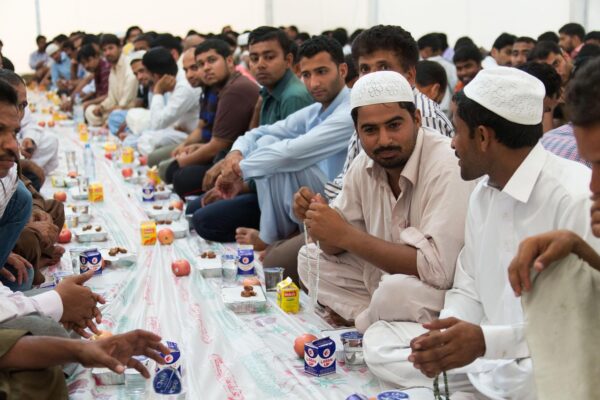
Everything You Need to Know About Ramadan Celebrations
Ramadan is the ninth month of the Islamic lunar calendar and is widely recognised as one of the most meaningful times of the year for Muslims.
It’s a month centred on worship, self-discipline, gratitude and community. While many people associate Ramadan mainly with fasting, the bigger picture is about spiritual reflection and resetting habits: being more mindful with words, actions, time and generosity.
For many households, Ramadan has a gentle rhythm that shapes the whole day. Mornings can start earlier than usual, evenings can become more social, and weekends often involve family visits, community events or extra time at the mosque.
It’s also a month where many people choose to give more to charity and find practical ways to support others.
When Ramadan Takes Place (And Why the Dates Change)
Ramadan moves each year because it follows the lunar calendar, which is shorter than the solar (Gregorian) calendar.
That means Ramadan begins around 10–12 days earlier each year in the United Kingdom. The start and end dates can vary slightly depending on moon sighting methods used by different communities, so it’s normal for people to confirm the first day close to the time.
Ramadan ends with Eid al-Fitr, a celebration that marks the close of fasting. Eid often includes special prayers, family gatherings, new clothes, gifts for children, and plenty of food. If you’re supporting colleagues, friends or neighbours, it’s useful to remember that dates can shift by a day, and plans may be confirmed late.
The Daily Routine: Fasting, Prayer and Community
During Ramadan, Muslims who are able to fast abstain from food and drink from dawn (Suhoor) until sunset (Iftar).
Fasting is not intended as punishment or a “diet”; it’s a form of worship and self-control, helping people appreciate what they have and empathise with those who have less. Many people also aim to reduce distractions, improve character, and spend more time in prayer and reading the Qur’an.
Evenings often become the heart of Ramadan. Families and friends may gather to break the fast together, sometimes starting with dates and water before a meal. In many communities, mosques hold additional nightly prayers (Taraweeh), which can mean later nights and an overall shift in energy across the month.
Who Fasts (And Who Doesn’t Need To)
Not everyone is expected to fast. People who are ill, pregnant, breastfeeding, travelling, elderly, or menstruating may be exempt.
Many people who miss fasts will make them up later when able, and some may offer charitable alternatives depending on their circumstances. This matters because you shouldn’t assume everyone who observes Ramadan is fasting every day, and you also shouldn’t pressure someone to explain personal reasons.
A supportive approach is simple: follow their lead. If they mention they’re fasting, be considerate. If they don’t, it’s fine not to ask.
How to Support Someone During Ramadan (Without Making It Awkward)
Support during Ramadan doesn’t need to be a grand gesture. The best support is usually practical and respectful.
If you work with someone who is fasting, be mindful of meeting timings, long physical tasks, and late-day decision-making when energy might dip. In the UK, fasting hours can feel especially long in late spring and summer, and easier in winter, so “how intense it feels” changes from year to year.
It’s also helpful to be thoughtful about food-centred plans. You don’t need to stop eating around someone who is fasting, but you can offer flexibility: scheduling team lunches at a different time, choosing a non-food activity, or asking if they’d prefer to join after sunset.
If you’re hosting anything in the evening, checking whether it overlaps with Iftar can make a big difference.
Small phrases go a long way too. “Ramadan Mubarak” (Blessed Ramadan) is a friendly greeting during the month, and “Eid Mubarak” is used around Eid.
Food, Invitations and Iftar Etiquette
If you’re invited to Iftar, treat it like being welcomed into someone’s home at a meaningful time.
You don’t need a deep knowledge of the religion to be respectful. Turning up on time matters because people often break the fast at sunset. Expect the meal to begin fairly promptly, sometimes with dates and water. It’s also common for hosts to encourage guests to eat well, so arriving hungry is perfectly acceptable.
If you want to bring something, ask first and keep it simple. Fruit platters, desserts, or non-alcoholic drinks can be appreciated, but be mindful that some families keep halal dietary standards (for example, avoiding gelatine in sweets unless it’s halal-certified). When in doubt, a box of dates is a classic, culturally familiar option.
Ramadan at Work, School and in the Community
For workplaces, Ramadan is a good time to practise inclusive habits: flexible breaks, thoughtful scheduling and avoiding assumptions.
Some people may take annual leave for the last 10 nights of Ramadan, which are particularly significant spiritually, or for Eid. If you manage a team, it can help to give space for people to adjust their work patterns where possible, especially for early starts after Suhoor or later nights due to prayers.
In schools and youth settings, Ramadan can be a chance to build understanding without singling anyone out.
Children may fast partially or not at all depending on age and family choice, but they often want to feel included. Sensible adjustments – like quieter activities at lunchtime for those who aren’t eating – can prevent children feeling isolated.
Community-wise, many mosques and organisations run charity drives, open Iftars and food bank initiatives during Ramadan. If you’re looking for a meaningful way to show support, donating to a local food bank or community kitchen during the month aligns strongly with Ramadan’s focus on generosity.
A Thoughtful Way to Approach Ramadan
Ramadan is ultimately about intention: becoming better, kinder and more grateful, while strengthening ties with family and community.
For people observing it, it can be energising and uplifting, but also physically demanding – especially when balancing work, parenting and social commitments. If you’re supporting someone through Ramadan, the golden rule is simple: be considerate, be flexible, and let them lead the conversation.
And if you’re ever unsure, a respectful question like, “Is there anything I can do to make things easier for you during Ramadan?” is usually the perfect place to start.
Read More
Celebrating Ramadan While Studying at University
Ramadan is a sacred month observed by Muslims worldwide, marked by fasting from dawn until sunset.
It is a time of spiritual reflection, self-discipline, and increased devotion. The month lasts 29 or 30 days, depending on the lunar calendar, and concludes with Eid al-Fitr, a joyous festival of feasting and community celebration.
For students at university, celebrating Ramadan can be both rewarding and challenging. Balancing academic responsibilities with fasting, prayers, and social commitments requires thoughtful planning.
However, with the right approach, students can fully embrace the spirit of Ramadan while maintaining their studies and sharing the experience with others.
Balancing Fasting and Studies
One of the main aspects of Ramadan is fasting (sawm), which means abstaining from food, drink, and other physical needs from sunrise (Suhoor) to sunset (Iftar).
While fasting can be a spiritual and fulfilling experience, it can also be demanding, especially when juggling lectures, assignments, and exams.
1. Planning Meals for Energy and Focus
Suhoor, the pre-dawn meal, is crucial for sustaining energy throughout the day. Students should opt for slow-releasing foods like oats, whole grains, nuts, and protein-rich foods to maintain stamina.
Hydration is also key – drinking plenty of water before fasting starts helps combat dehydration during the day.
For Iftar, the meal to break the fast, it’s best to avoid heavy or overly processed foods that can cause sluggishness. Instead, students should prioritise nutritious meals with proteins, healthy fats, and plenty of vegetables to aid digestion and provide sustained energy.
2. Managing Sleep and Study Schedules
Ramadan can alter daily routines, particularly sleep patterns, as night prayers (Taraweeh) and late-night meals become part of the schedule. To maintain productivity, students should create a flexible study plan that accommodates prayer times and rest. Power naps during the day can also help counteract any sleep loss.
Universities often provide prayer spaces and quiet study areas that can be useful during Ramadan. It’s also a good idea to inform professors or lecturers about observing Ramadan, especially if adjustments are needed for late-evening coursework or exams.
Creating a Sense of Community
Ramadan is not just about individual reflection – it’s also about togetherness and generosity. University students, whether Muslim or not, can participate in and appreciate the communal spirit of Ramadan.
1. Organising Group Iftars
One of the most rewarding parts of Ramadan is sharing Iftar with others. Many university Islamic societies and student groups host communal Iftars, offering a chance to break fast together and connect with fellow students.
These gatherings are not exclusive to Muslims – friends from all backgrounds are welcome to join and learn about the traditions.
Students can also arrange potluck-style Iftars in their accommodation, with everyone contributing a dish. This can be a fantastic way to bond, try different cuisines, and create a home-away-from-home experience.
2. Engaging in Charity and Acts of Kindness
Charity (Zakat) is a key pillar of Islam, and Ramadan is a time when giving to others is highly encouraged. University students can participate by donating to food banks, volunteering for local causes, or supporting fundraising events.
Even small acts of kindness, like helping a fellow student with coursework or checking in on a friend’s well-being, align with the spirit of Ramadan.
Inclusivity: How Non-Muslim Friends Can Participate
For non-Muslim students, Ramadan offers an opportunity to support friends and learn about another culture. Here are a few simple ways to show solidarity:
Join an Iftar: Accept invitations to break fast with friends and experience the traditions firsthand.
Be Mindful: Understand that fasting friends may be conserving energy during the day, so being considerate about meal plans or offering encouragement can go a long way.
Ask Questions: Ramadan is an excellent time to learn about Islam and the significance of fasting. Most Muslims are happy to share their experiences and educate others.
Celebrating Eid at University
After a month of fasting, the celebration of Eid al-Fitr marks the end of Ramadan. It is a day of joy, prayer, food, and spending time with loved ones.
While being away from family can make this time challenging for some students, universities often organise Eid events where students can celebrate together.
Students can also take part in simple traditions, such as dressing up for the occasion, preparing a special meal, or exchanging small gifts with friends. If university commitments allow, it’s also worth planning a short trip home to be with family for this significant celebration.
Final Thoughts: Making Ramadan a Meaningful Experience
Observing Ramadan while studying at university is entirely possible with a little planning and a supportive community. By balancing fasting with academic responsibilities, participating in group activities, and sharing the experience with others, students can make Ramadan a meaningful and enriching time.
Whether fasting or simply supporting friends who are, the essence of Ramadan – reflection, kindness, and community- can be appreciated by all.
With a thoughtful approach, students can navigate university life while staying connected to their faith and traditions, making Ramadan a memorable and spiritually fulfilling experience.
Read More