Latest Posts
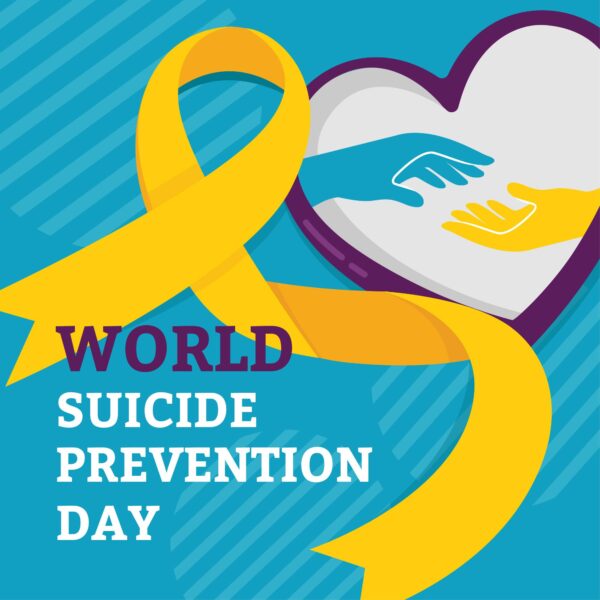
World Suicide Prevention Day: How to Raise Awareness and Support the Cause
Every year on 10th September, people across the globe pause to acknowledge World Suicide Prevention Day.
It is a moment dedicated not only to remembrance but also to action, encouraging conversations about a subject that is often avoided. Suicide affects millions of lives, leaving behind families, friends, and communities who are forever changed.
By giving it attention on this day, we are reminded of the importance of openness, compassion, and the role we can all play in supporting those around us.
Understanding World Suicide Prevention Day
World Suicide Prevention Day was first introduced in 2003 by the International Association for Suicide Prevention (IASP) in partnership with the World Health Organisation (WHO).
It was created to shine a spotlight on the alarming reality of suicide as a public health crisis while also offering hope that change is possible. The day is marked with events worldwide, from vigils and talks to awareness campaigns and community gatherings.
Each year carries a theme that underlines the shared mission of reducing stigma and encouraging people to reach out for help. At its heart, the day is about people – individual lives, struggles, and the opportunity for communities to come together in solidarity.
Why Suicide Prevention Matters
Suicide is tragically one of the leading causes of death across the world. The World Health Organisation estimates that more than 700,000 people die by suicide every year, equating to one life lost every 40 seconds.
For young people in particular, it remains a significant risk, and the ripple effects are devastating. Families, schools, and workplaces all feel the impact of such a loss.
The crucial message of World Suicide Prevention Day is that suicide can often be prevented. Many people who struggle with suicidal thoughts do not want their life to end – they simply want their pain to stop.
When support, understanding, and appropriate resources are made accessible, the outcome can be very different. This is why awareness matters: it challenges stigma, opens up conversations, and reminds us that seeking help is a sign of courage rather than weakness.
Raising Awareness in Everyday Life
Marking World Suicide Prevention Day does not always require large-scale initiatives. Often, small but genuine acts of awareness can have a powerful effect.
Talking openly about mental health is one way of breaking down the silence that surrounds it. When people feel safe to share their experiences, it helps to normalise these conversations and reassures others that they are not alone.
Awareness can also be spread through personal platforms, such as sharing information or helplines online. Social media can be a positive tool when used to promote messages of hope and resources for those in need.
Communities and universities often hold events or talks on 10th September, and taking part demonstrates solidarity with those affected by suicide. Even wearing the orange and yellow suicide prevention ribbon can spark a conversation and remind someone that support is available.
These small gestures are powerful because they all contribute to creating a culture where mental wellbeing is prioritised.
Supporting Friends and Loved Ones
One of the most valuable contributions an individual can make is to be present for those who are struggling.
It is not always easy to know what to say when someone is experiencing poor mental health, but listening without judgement is often more impactful than giving advice. Checking in regularly, even with something as simple as asking how they are doing, can reduce feelings of isolation.
Practical gestures – whether it is sitting down over a coffee, going for a walk together, or reminding someone that they matter – help to provide reassurance. Encouraging professional support is also important, but it is the sense of connection and empathy that often makes the first difference.
While none of us can fix another person’s problems completely, we can all create an environment where people feel less alone in their struggles.
Seeking Help When You Need It
For those experiencing feelings of hopelessness or suicidal thoughts, knowing where to turn is critical.
Speaking up may feel daunting, but it is a crucial step toward recovery. Support is available around the clock, with organisations such as Samaritans, who can be reached for free at 116 123, offering confidential help day or night.
Mind provides information and resources for anyone experiencing a mental health challenge, while Papyrus HOPELINEUK (0800 068 4141) focuses specifically on young people who may be at risk.
In situations of immediate danger, it is essential to call 999. Even if the words feel difficult to say, reaching out can be life-saving. Taking that first step – whether through a helpline, a GP, or a trusted friend – is not a weakness, but a strength. It signals that life matters and that there is hope for the future.
Why Awareness Days Make a Difference
World Suicide Prevention Day exists to remind us that mental health is not something to be hidden or ignored.
It gives communities the chance to reflect on how they can better support one another, while also reinforcing the message that every life is valuable. It prompts important conversations, encourages compassion, and challenges the stigma that continues to surround suicide.
Awareness days like this may not provide all the solutions, but they do create momentum for change. They remind us to keep mental health on the agenda every day of the year and to take small but meaningful actions that contribute to a more understanding and supportive world.
Final Thoughts
On 10th September, recognising World Suicide Prevention Day is not about grand gestures but about connection, awareness, and compassion. Each conversation, each act of kindness, and each effort to promote support services plays a role in reducing the silence that surrounds suicide.
By raising awareness and supporting one another, we take steps toward a future where fewer lives are lost and more people find the hope and help they deserve.
Read More
Understanding World Suicide Prevention Day
Every year on September 10th, the world comes together to observe World Suicide Prevention Day (WSPD), a day dedicated to raising awareness about suicide and promoting efforts to prevent it.
This global initiative is not just a symbolic gesture but a crucial movement aimed at reducing the stigma surrounding mental health and encouraging proactive steps to save lives.
As conversations about mental health continue to gain traction globally, WSPD stands as a powerful reminder of the ongoing need to address the tragic and often preventable issue of suicide.
The Origins of World Suicide Prevention Day
World Suicide Prevention Day was first established in 2003 by the International Association for Suicide Prevention (IASP) in collaboration with the World Health Organization (WHO).
The initiative emerged from a growing recognition of the need to address suicide as a major public health issue. Suicide, which claims more than 700,000 lives each year according to the WHO, is a leading cause of death worldwide, particularly among young people.
Furthermore, the impact of suicide extends far beyond the individuals who take their own lives, affecting families, friends, and communities with profound grief and loss.
The creation of WSPD was intended to bring global attention to the issue of suicide and to foster a collective effort to prevent it. Each year, WSPD focuses on a specific theme that highlights different aspects of suicide prevention, such as the importance of connection, communication, and community support.
These themes are designed to engage various sectors of society, from governments and healthcare providers to community organisations and individuals, in a unified effort to reduce the incidence of suicide.
The Importance of World Suicide Prevention Day
World Suicide Prevention Day is critical in the fight against suicide for several reasons:
Firstly, it serves as a powerful tool for raising awareness about the issue. Suicide is often surrounded by silence and stigma, which can prevent individuals from seeking the help they need.
By dedicating a day to suicide prevention, WSPD shines a spotlight on the issue, encouraging open conversations and helping to break down the barriers that often keep people from accessing support.
Secondly, WSPD plays a vital role in breaking the stigma associated with mental health issues. Many people who experience suicidal thoughts or behaviors are reluctant to seek help due to fear of judgment or discrimination.
WSPD promotes the idea that it is okay to talk about mental health and that seeking help is a sign of strength, not weakness. This shift in perception is crucial for encouraging more people to reach out for the support they need.
Thirdly, WSPD emphasises the need for action. Raising awareness is important, but it is not enough on its own. WSPD encourages individuals, communities, and governments to take concrete steps to prevent suicide.
This might involve advocating for better mental health services, supporting those who are struggling, or implementing strategies that reduce the risk of suicide within communities.
Finally, WSPD offers hope. For those who are struggling with suicidal thoughts, the day serves as a reminder that they are not alone and that there is help available. By sharing stories of recovery and resilience, WSPD helps to foster a sense of hope and encourages individuals to reach out for support.
How Students and Universities Can Get Involved
Students and universities have a unique and important role to play in the success of World Suicide Prevention Day. Suicide is one of the leading causes of death among young people, including college students, making universities a crucial battleground in the fight against suicide.
By engaging in WSPD activities, students and educational institutions can make a significant impact on suicide prevention by opting to:
Organise Educational Events and Campaigns: Universities can host workshops, seminars, and panel discussions on suicide prevention. These events can provide valuable information on recognising the warning signs of suicide, understanding the risk factors, and learning how to offer support to those in need.
Students can also launch awareness campaigns, using social media, posters, and flyers to spread messages of hope and resilience across campus.
Promote Campus Mental Health Services: Many universities offer counselling and mental health services, but these resources may be underutilised if students are unaware of them or feel uncomfortable seeking help. WSPD provides an opportunity to promote these services and ensure that students know where to turn if they need support.
Furthermore, universities can also work to reduce the stigma associated with mental health by normalising conversations about mental health and encouraging students to seek help when needed.
Engage in Peer Support Programs: Peer support programs can be an effective way to help students who are struggling with mental health issues. Universities can establish or promote existing peer support networks, where students are trained to provide support to their peers.
These programs not only offer direct assistance to those in need but also help to build a sense of community and connectedness on campus.
Advocate for Mental Health Policies: Students and universities can engage in advocacy efforts to improve mental health services and suicide prevention strategies at the local, national, and global levels.
This could involve lobbying for increased funding for mental health services, pushing for the inclusion of mental health education in the curriculum, or advocating for policies that reduce stress and promote well-being among students.
Participate in Global WSPD Activities: In addition to campus-based initiatives, students and universities can participate in global activities organised by the IASP and other organisations. These might include online events, webinars, and social media campaigns that connect people from around the world in a shared effort to prevent suicide.
Local events, such as walks, candlelight vigils, and community gatherings, also offer opportunities for students to get involved and show their support.
Why Advocacy Matters
Advocacy is a crucial element of suicide prevention. By raising awareness and pushing for change, advocates can influence public policy, increase funding for mental health services, and help create a culture where mental health is treated with the same importance as physical health.
For students and universities, advocacy can take many forms, from participating in WSPD activities to engaging in long-term efforts to improve mental health resources on campus.
Advocacy also plays a key role in challenging the stigma that surrounds mental health issues and suicide. By speaking out, sharing stories, and supporting initiatives that promote mental well-being, students and universities can help create a more compassionate and understanding society.
What’s more, this shift in culture is essential for ensuring that individuals feel comfortable seeking help and that communities are equipped to provide the support needed to prevent suicide.
Conclusion
World Suicide Prevention Day is more than just a date on the calendar; it is a global call to action. It is a day to remember those who have been lost to suicide, to support those who are struggling, and to commit to making the world a safer, more compassionate place.
For students and universities, WSPD offers a unique opportunity to engage in meaningful activities that can save lives and change the way society views mental health.
SO, by getting involved in WSPD, we can all contribute to a world where suicide is no longer seen as an inevitable outcome, but as a preventable tragedy that we can and must work together to stop.
Read More