Latest Posts

Neurodiversity-Friendly Study and Living: Routines, Sensory Tips, and Housemate Communication
University can be brilliant, but it’s also a lot. Timetables change, deadlines stack up, kitchens get noisy, and shared living brings unpredictable social energy.
For neurodivergent students, that unpredictability can feel amplified. Sensory overwhelm, difficulty with transitions, executive function challenges, masking, and burnout can all show up more often when your environment isn’t built with your brain in mind.
A neurodiversity-friendly approach doesn’t mean turning life into a strict rulebook. It means making everyday routines and spaces a little more supportive and a lot more predictable, so you can spend less energy “coping” and more energy actually learning, resting, and enjoying your time at uni.
What Neurodiversity Celebration Week is and why it matters
Neurodiversity Celebration Week is a worldwide initiative that challenges stereotypes and misconceptions around neurological differences and promotes understanding, acceptance, and inclusion.
It encourages people to recognise neurodiversity as a natural part of human variation, and to create environments where neurodivergent people can thrive rather than constantly having to adapt themselves to fit in.
For students, the importance is very practical. When neurodiversity is better understood, support becomes more normalised, conversations become easier, and the small adjustments that make a big difference stop being treated like awkward special requests.
It also helps neurotypical students and staff think more clearly about accessibility and wellbeing, because many of the strategies that support neurodivergent people (clear instructions, predictable communication, calmer spaces) reduce stress for everyone.
How students can get involved and raise awareness
Getting involved doesn’t have to mean putting yourself on a stage or becoming an overnight advocate.
A simple way to start is by joining one event during the week, whether that’s a university talk, a student society discussion, or a workshop that explores neurodiversity through lived experience.
Even watching a recording can be enough to shift your understanding and give you language that helps you support yourself and others.
Raising awareness can also be quiet and practical. Sharing a useful resource, reposting an event, or having a thoughtful conversation with your flatmates about how your household can be calmer and more respectful can be just as impactful as a big campaign.
If you’re part of a society, course rep group, or student union network, you can also encourage small changes that help a wide range of learners, such as clearer briefings for group work, more structured meeting agendas, and more inclusive event formats that don’t rely on loud, late-night socialising.
Understanding neurodiversity without stereotypes
Neurodiversity is an umbrella term that includes a wide range of neurological differences, such as autism, ADHD, dyslexia, dyspraxia, dyscalculia, Tourette syndrome, and more.
Two people with the same label can have completely different strengths, challenges, and support needs. That’s why it’s usually more helpful to focus on the person and the environment rather than assuming a one-size-fits-all “neurodivergent experience.”
It also helps to remember that many students are undiagnosed, awaiting assessment, or unsure whether they “count.”
Supportive environments should not depend on someone proving anything. If a certain change makes life more manageable and doesn’t harm anyone else, it’s often worth trying, regardless of labels.
Building routines that reduce mental load
Routines often get misunderstood as being about discipline or strict schedules. In reality, routines are about reducing the number of decisions you have to make in a day.
When executive function is stretched, even small choices can feel heavy. A routine acts like a guide rail, helping you start, continue, and finish tasks with fewer barriers.
A helpful starting point is to create a consistent “start” and “finish” to your study sessions. A short start routine might involve making a drink, opening the same document, setting a timer, and putting your phone out of reach. A finish routine might involve writing down the very first step for next time, tidying one small area, and closing everything down properly.
When the beginning and end are predictable, transitions become less stressful, which can be especially useful if you struggle with task initiation or stopping once you’re in hyperfocus.
Planning for low-energy days without falling behind
One of the hardest parts of student life is that your workload doesn’t always match your capacity.
Some days your brain is sharp, and other days even sending an email feels like climbing a hill. A neurodiversity-friendly study plan makes space for that reality instead of treating low-capacity days as personal failure.
It can help to decide what a “minimum viable day” looks like for you. This isn’t a motivational quote; it’s a practical safety net. On days where you’re drained or overwhelmed, you still aim to complete one small academic step, one basic life maintenance task, and one reset action that brings your nervous system down.
Over time, this reduces the boom-and-bust cycle where you push too hard, crash, and then spend days recovering.
Making studying easier by making tasks more concrete
A lot of academic stress comes from vagueness.
“Write an essay” is not a task your brain can easily start, because it has no clear entry point. Breaking work into concrete steps isn’t patronising; it’s a way to make the work visible and therefore doable.
Instead of “revise,” you might write “open lecture slides,” “highlight key headings,” “write five bullet points from memory,” and “test myself with ten questions.” Instead of “start coursework,” you might write “read the brief,” “extract the marking criteria,” “choose a question,” and “write a rough plan.”
When tasks are specific, your brain can move forward without needing to constantly search for what to do next.
Sensory comfort as a study strategy
Sensory needs are not an optional extra.
If your environment is too bright, too loud, too chaotic, or too unpredictable, your concentration won’t be stable no matter how much you want it to be. Supporting your sensory system is one of the most effective ways to improve study consistency.
Sound is often the biggest issue in shared living. If you can, create an easy “sound boundary” using headphones, soft background noise, or choosing quieter locations like a library corner or a reserved study room.
Light can be another hidden stressor, especially in rooms with harsh overhead bulbs. A softer lamp, warmer lighting in the evening, and screen settings that reduce glare can lower irritation and fatigue more than people realise.
Comfort also matters in small ways that add up. If certain fabrics, tags, or textures distract you, consider having one “safe” outfit for study days that you don’t have to think about. If sitting still is hard, gentle movement breaks or a fidget object can help regulate attention.
None of these are gimmicks; they are tools that help your body stay settled enough for your mind to work.
Resetting your nervous system during breaks
A break isn’t always a break if it floods your brain with new stimulation.
Scrolling, loud videos, or chaotic group chats can make it harder to return to your work, especially if you’re prone to distraction or sensory overload. A good break should regulate you rather than hijack you.
For some people, regulation looks like quiet. For others, it looks like movement. Short walks, stretching, making a warm drink, sitting in fresh air, or doing a quick tidy can be more effective than you’d expect.
The key is choosing a break activity that makes the next ten minutes of studying easier rather than harder.
Making shared living easier with predictable communication
In house shares, conflict often comes from assumptions.
People guess what you meant, or they assume you’re fine until you suddenly aren’t. Neurodiversity-friendly communication is mostly about being clearer earlier, so things don’t build up.
It helps to share preferences as preferences, rather than letting frustration turn them into demands. If noise is a problem, you can say that quieter mornings help you focus and ask whether the house can keep things lower at certain times. If surprise guests stress you out, you can ask for a heads-up earlier in the day.
When communication is framed around making the household easier to live in, most people respond well, especially if you keep it simple and practical.
Simple household agreements that reduce stress
Many people avoid house rules because they don’t want to seem controlling, but a few basic agreements can massively reduce friction.
Quiet hours, guest notice, and kitchen reset routines often make the biggest difference. These agreements don’t need to be intense. Even a short weekly check-in where everyone mentions what’s coming up can prevent unexpected disruptions.
A predictable house rhythm is particularly helpful when you struggle with change or feel anxious when you can’t anticipate your environment. Knowing when the house is likely to be noisy, when the kitchen will be busiest, or when social energy is expected can help you plan your day and conserve your energy.
Scripts for awkward moments when words disappear
When you’re overwhelmed, it can be hard to find the right words in the moment. Having a few pre-prepared sentences can help you communicate without needing to think under pressure.
This might be as simple as saying you need an hour of quiet to concentrate, or that you’re overwhelmed and need twenty minutes before continuing a conversation.
Scripts aren’t robotic. They’re a support tool. They protect your relationships by helping you speak clearly while still being respectful, and they protect you by reducing the chance that you’ll stay silent until you reach breaking point.
Supporting neurodivergent housemates and friends
Support is most helpful when it’s specific and non-judgemental.
If someone shares they are neurodivergent, you don’t need a perfect response. You can thank them for telling you, ask what helps, and be open to small adjustments. Often the most supportive thing is reducing unpredictability, being clear rather than implied, and not taking sensory needs personally.
It’s also worth remembering that many neurodivergent people have spent years being misunderstood or told they’re “too sensitive” or “lazy.” A calm, matter-of-fact approach to support can be surprisingly powerful, because it signals that their needs are valid and manageable rather than embarrassing.
A final thought: design your environment, don’t fight your brain
The goal isn’t to become a different person.
The goal is to set up your study habits, sensory environment, and shared living communication so your brain can do what it does best. When you reduce friction, you reduce burnout risk and increase consistency, which is often the real difference-maker at university.
Neurodiversity Celebration Week is a great moment to reset. Learn one thing, make one change to your space or routine, and have one honest conversation that improves your household.
Those small shifts don’t just make life easier for neurodivergent students. They make student life more humane for everyone.
Other Blogs You May Be Interested In:
- Inclusivity in Student Housing: Ensuring a Welcoming Environment for All Students
- LGBT+ History Month at Uni: How to Find Inclusive Spaces and Events
- Welcoming International Students to the UK
Everything Students Need to Know About National Careers Week
National Careers Week (NCW) runs from Monday 2 March to Saturday 7 March 2026, and it’s one of those calendar moments that can genuinely move your future forward – without needing you to have your entire life plan figured out.
If you’re a student, it’s easy to treat careers stuff as something you’ll “sort later”, especially when deadlines, shifts, and life admin are already doing the most.
National Careers Week is designed to make that “later” feel a bit more doable right now, with a focused week of guidance, events, and free resources to help you explore options and take your next step with more confidence.
What National Careers Week Actually Is (and why it exists)
National Careers Week is a UK-wide celebration of careers guidance and education.
The aim is simple: to create a clear focus point in the academic year where students can explore pathways, understand opportunities, and get support with decisions – whether that’s choosing a course direction, figuring out what job roles even exist, or preparing for applications and interviews.
A big reason it works is timing. Early March lands at a point where many students are thinking about placements, summer work, internships, graduate roles, apprenticeships, or what the next academic year might look like.
NCW acts like a spotlight – suddenly the advice, employer talks, workshops, and resources feel more visible and easier to engage with.
Why National Careers Week is genuinely useful for students
Careers advice can feel vague when it’s delivered as “you should network” or “make your CV better” with no clear next step. National Careers Week is beneficial because it turns career development into something you can do in smaller, practical actions across a week.
It also helps you build career awareness. A lot of students only consider the roles they’ve heard of – often the obvious ones, or the ones people around them talk about.
NCW encourages you to explore wider job families, emerging sectors, and alternative routes (like higher apprenticeships, degree apprenticeships, and entry routes that don’t require a “perfect” background).
And importantly, it gives you permission to start where you are. You don’t need a polished plan. You can use the week to get clarity on what you like, what you’re good at, and what you want to try next – then build from there.
Where to look during the week (even if your uni/college is quiet about it)
Most universities, colleges, sixth forms, and training providers run NCW-related activity – think employer sessions, alumni panels, CV clinics, mock interviews, and careers fairs. Many also share curated resource banks for students to browse at any time.
If your campus doesn’t shout about it loudly, you can still get value from national resources. The National Careers Service publishes free, United Kingdom-focused careers information, including CV guidance, application support, interview prep, and skills tools.
Start with a quick “direction check” (it takes 10 minutes, and it helps)
If you’re not sure what you want to do (or you’ve got too many ideas), begin with a skills and interests check. The National Careers Service has a “Discover your skills and careers” assessment that helps you identify what motivates you and points you towards career suggestions you can compare.
The goal isn’t to let a quiz decide your future. The goal is to give you language – words for your strengths and preferences – so you can research roles more effectively and explain yourself better in applications.
Use National Careers Week to improve your CV without overthinking it
A CV doesn’t need to be a masterpiece to be effective. It needs to be clear, relevant, and honest, with your skills and experience presented in a way that makes sense to an employer. A strong starting point is simply making sure your CV includes the right sections and reads like a real person, not a template.
National Careers Week is the perfect time to do a refresh because you can treat it like an upgrade rather than a full rewrite. Tighten your personal profile, make your most relevant experience easier to scan, and add evidence of outcomes (even small ones).
If you’ve done volunteering, society roles, part-time work, coursework projects, or helped run events, you’ve got material – your job is to translate it into skills and impact.
Practise interviews the smart way (without memorising robotic answers)
Interview prep can feel intimidating until you realise most questions are just different ways of asking: “Can you do the job, and can we work with you?”
The National Careers Service has practical interview guidance that covers prep basics like understanding the job description, researching the organisation, and planning examples from your experience.
One of the most useful techniques to learn during NCW is the STAR method. It helps you answer questions with structure – explaining the Situation, Task, Action, and Result – so you don’t waffle or undersell yourself.
Even if you’re not interviewing soon, practising STAR stories makes you better at explaining what you’ve done, which also improves your CV and applications.
How to get involved if you’re busy (or low-key anxious about careers events)
Not everyone loves careers fairs or big networking sessions, and that’s fine. You can still “do” National Careers Week in a way that suits your personality and schedule.
If you’ve got limited time, aim for one meaningful action per day across the week. That could be attending one virtual talk, booking a 15–30 minute careers appointment, improving one section of your CV, or researching three job roles you’ve never considered. Careers progress is usually about consistency, not intensity.
If you feel awkward reaching out to professionals, start smaller. Look for alumni stories, employer webinars, or “day in the life” content and take notes on what sounds appealing or off-putting. Then, if you do message someone, your question becomes more specific and easier to answer.
A simple way to plan your week (so you actually finish it feeling ahead)
A lot of students engage with careers content but don’t convert it into momentum. The easiest fix is to give yourself a mini structure for the week.
Before the week starts, decide what you want most right now: clarity, confidence, experience, or opportunities. During the week, choose two focus areas – maybe “CV + part-time role” or “internships + interview skills” – and ignore everything else that feels like noise.
At the end of the week, commit to one real-world next step, like applying for a role, emailing a course tutor about placement options, joining a society related to your interests, or scheduling a career appointment you’ve been postponing.
That final step matters because it turns inspiration into progress.
How to raise awareness (and help your mates too)
National Careers Week isn’t just about personal planning – it’s also about creating a culture where careers conversations feel normal.
If you live with other students, share one useful event link in your group chat. If you’re in a society, suggest a quick careers-themed session like an alumni Q&A, a “CV swap” evening, or a relaxed talk with a local employer.
Even posting a short story on social media – something like “NCW is this week, I’m updating my CV and booking a careers appointment” – can nudge someone else into action. The week works best when it feels visible, not hidden behind a careers portal login.
What to do after National Careers Week (so it doesn’t fade immediately)
The week ends on 7 March, but what you do next is where the value compounds. Take ten minutes to write down what you learned: which roles sounded interesting, what skills you want to build, and what your next step is for the next 30 days.
Then keep it simple. Pick one goal (for example, “secure a summer internship interview” or “find a part-time role that builds transferable skills”), and give yourself a weekly action that’s realistic alongside studying.
Careers development is rarely about one big moment – it’s about stacking small actions until you look back and realise you’ve changed your options.
Final thought: you don’t need a perfect plan – just a good next step
National Careers Week is here to help you become more aware of your choices and access support along the way.
If you’ve been feeling behind, stuck, or unsure, treat 2–7 March as a reset. Use the week to learn, ask better questions, and take one step that Future You will be genuinely grateful for.
Read More
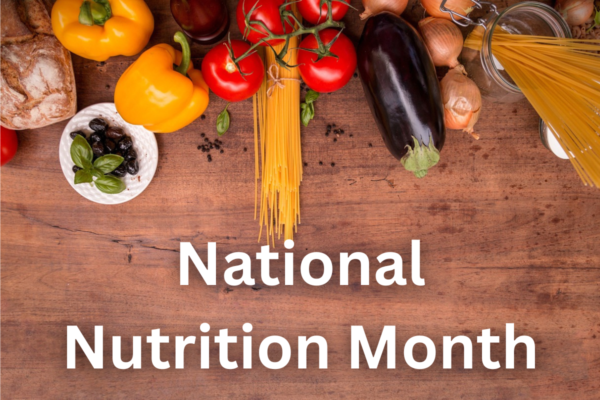
National Nutrition Month: A March Reset for Smarter Eating
National Nutrition Month is a month-long awareness campaign focused on helping people make informed food choices and build practical, sustainable eating habits.
Rather than pushing a one-size-fits-all “perfect diet”, it’s about everyday decisions that support health, energy, mood and long-term wellbeing. It encourages people to learn the basics of balanced nutrition, understand how food affects the body, and develop routines that actually fit real life.
For students, that “real life” usually includes tight budgets, busy timetables, shared kitchens, inconsistent sleep, late nights, and a social calendar that doesn’t always scream “balanced meals”.
National Nutrition Month is a useful reminder that nutrition isn’t only about losing weight or eating “clean” – it’s about feeling better day to day, supporting concentration, and fuelling the kind of lifestyle students actually live.
When It Takes Place: 1st–31st March
National Nutrition Month runs from 1st to 31st March, making it a timely spring checkpoint.
After winter comfort food, end-of-term stress, or a few too many “quick fixes” from meal deals and takeaways, March is a natural moment to reset. It’s long enough to build momentum, but short enough to feel achievable.
Because it covers an entire month, you can take it in stages. Week one might be about awareness, week two about simple swaps, week three about cooking confidence, and week four about consistency. That’s a far more realistic approach than trying to overhaul everything on a Monday.
Why Nutrition Matters More Than Students Think
Nutrition is often treated like an optional extra, but it sits right in the middle of student life.
What you eat affects energy levels, concentration, sleep quality, training and recovery, and even how resilient you feel under pressure.
When your diet is mostly quick carbs, sugary snacks, caffeine and skipped meals, the result is usually the same: a burst of energy, followed by a crash, followed by more snacking to get through the day.
Good nutrition doesn’t mean expensive ingredients or complicated recipes. It means understanding the basics: regular meals, enough protein to keep you full, fibre for digestion and steady energy, and fruit and veg for vitamins and minerals.
Staying hydrated matters too, especially when long lectures, gym sessions and late nights blur together. Even small improvements – like adding a proper breakfast a few times a week or keeping a few healthier snacks on hand – can make a noticeable difference.
A Student-Friendly Approach: Small Steps That Stick
If you’re a student, the best nutrition plan is the one you’ll actually follow.
Start with what’s realistic. If you barely cook, aim for two simple meals you can repeat. If you rely on meal deals, focus on building a better one: include a protein, choose higher-fibre options, and add fruit. If you snack a lot, try upgrading the snacks instead of pretending you’ll stop entirely.
Think of March as a month to collect easy wins.
Learn a couple of five-minute meals. Identify one or two go-to breakfasts. Work out which foods help you stay full and focused. Nutrition doesn’t need to be dramatic to be effective. In fact, the most powerful changes tend to look boring on paper – but they’re the ones that improve your week.
How Students Can Get Involved During March
Getting involved can be personal, social, or community-based.
On a personal level, you could set a simple March challenge: cook at home three times a week, aim for a piece of fruit daily, or drink more water during lectures. You could track how your energy feels after different meals for a week, just to notice patterns.
On a shared level, students can do more together. Flatmates could plan a weekly “cook together” night where everyone brings one ingredient and you build a meal. Societies can host a budget-friendly recipe swap, a simple cooking demo, or even a “packed lunch day” where people bring their own meals and share ideas.
If you’re into sport, it’s a great month to focus on fueling properly for training, especially around protein, carbs and recovery meals.
Raising Awareness Without Being That Person
Raising awareness doesn’t have to be preachy. The easiest way is to keep it practical and relatable.
If you’re sharing on social media, focus on simple things: your favourite low-cost meal, your best snack for studying, or a “what I eat on a busy day” that’s honest and achievable. People engage more with realistic content than perfection.
If you want to go a step further, student groups can run small awareness drives. Put up posters with affordable meal ideas, run a “smart shopping” mini workshop, or share tips on reducing food waste through better planning.
Even a short “Nutrition Month” feature in a student newsletter can help, especially if it includes local resources like campus wellbeing support, food banks, or community kitchens.
Making It Last Beyond March
The goal isn’t to be perfect for 31 days. The real win is finishing March with a few habits that make life easier. That could be a standard shopping list you actually stick to, two quick meals you can cook without thinking, or a routine that stops you skipping meals and crashing later.
National Nutrition Month is a reminder that food is more than fuel – it’s part of how you feel, how you focus, and how you function. For students juggling everything at once, that matters.
March is simply the nudge to take nutrition seriously in a way that fits your lifestyle, your budget, and your reality.
Read More
How to Raise Awareness for Emotional Health Day
Emotional Health Day is a simple, student-friendly prompt to pause and pay attention to how we’re doing emotionally, and to make it easier for others to do the same.
It’s not about forcing deep conversations or turning your campus into a counselling session for a day; it’s about making emotional wellbeing feel normal, talkable, and worth protecting in everyday life.
When it takes place and what it’s for
Emotional Health Day takes place on 24 February each year, and it was created to bring people together to focus on why emotional health matters and how strengthening it can help us handle life’s pressures.
It began on 24 February 2022, marking the 25th anniversary of The Centre for Emotional Health, and it continues annually as a chance to raise awareness and encourage practical steps that support emotional wellbeing.
What “emotional health” actually means at uni
For students, emotional health is the day-to-day skill of noticing what you feel, understanding why it might be showing up, and responding in ways that help rather than harm.
That can mean recognising stress before it becomes burnout, being able to name loneliness without shame, or learning how to reset after a tough week.
When emotional health is in a good place, studying, socialising, and handling responsibilities tends to feel more manageable because you’re not constantly fighting your own internal pressure.
Why it matters so much for students right now
Student life is full of quiet strain that doesn’t always look dramatic from the outside: deadlines stacking up, juggling part-time work, financial pressure, culture shock for international students, friendship changes, family expectations, and the emotional whiplash of independence.
Emotional Health Day matters because it creates a “permission slip” for people to say, “Actually, I’m not doing great,” earlier rather than later. It also helps reduce the idea that support is only for crisis moments, when in reality the best help often starts with small, earlier check-ins.
The most effective awareness is the kind that feels easy
Awareness works best when it’s low-effort to join and doesn’t ask students to perform vulnerability in public.
If you want to do something meaningful on 24 February, focus on one action that is easy to repeat: a short check-in prompt, a reminder post that points to support routes, or a simple event that builds connection.
Even sharing one message using #EmotionalHealthDay can link your campus conversation to the wider day and help more students feel like they’re part of something supportive rather than isolated.
How to start conversations without making it awkward
A lot of students avoid wellbeing conversations because they worry they’ll say the wrong thing or trigger something heavy.
The trick is to keep the language normal and specific, like you would with any other topic. A good opener sounds like, “How’s everything feeling this week?” rather than “Are you okay?” because it invites a real answer without putting someone on the spot.
If you’re messaging a friend, pairing care with practicality helps too, such as, “Fancy a quick walk and a coffee later? I’m checking in on people today.”
Turning awareness into support, not pressure
Raising awareness should never feel like you’re asking people to share personal stories they’re not ready to share.
You can actively protect others by making your activities “opt-in” and low pressure, and by keeping the focus on emotional skills and support routes rather than personal disclosure.
The goal is a safer culture where students feel able to speak up, but also feel equally respected if they choose to keep things private.
Student ideas that work well on campus
If you’re part of a society, halls committee, course rep group, or Student Union, you can run awareness in ways that feel natural.
A two-minute check-in at the start of a meeting can be enough to shift the tone from “everyone’s pretending they’re fine” to “it’s normal to be human.” A simple “feelings board” can help students find words for what they’re experiencing, which is often the first step before seeking help.
A single, well-designed poster or Instagram slide that clearly explains where and how to access campus support can be surprisingly powerful because many students don’t reach out simply due to confusion, not lack of need.
How to raise awareness online without over-sharing
Online awareness doesn’t have to be personal to be meaningful. You can post short, practical content that’s genuinely helpful, like a quick reminder that emotional health is worth maintaining, or a simple “If you’re struggling, here’s where you can start” message that points to your university support pages.
You can also amplify trusted resources and use the day’s hashtags so your post is discoverable to people outside your immediate circle, which matters because many students scroll for reassurance long before they speak to someone out loud.
How to help a friend in a safe, supportive way
If someone opens up to you, your job isn’t to fix them; it’s to help them feel heard and less alone, then guide them towards appropriate support if needed.
Listening without rushing to solutions is often the most stabilising thing you can offer, especially when someone feels overwhelmed. Keeping your response grounded can help too, like saying, “That sounds really hard, and I’m glad you told me,” then asking, “What would feel helpful right now?”
This approach reduces panic, avoids accidental judgement, and keeps the focus on the person’s needs rather than your fear of getting it wrong.
When it’s more serious and urgent support is needed
Awareness days can sometimes bring difficult feelings to the surface, so it’s important to be clear that urgent help exists and that seeking it is a strong, sensible decision.
In the United Kingdom, you can contact NHS 111 for urgent health advice, and guidance is available for accessing urgent mental health support when someone is in crisis or at risk.
UK helplines students can share confidently
It can be helpful to include reputable, well-known options in your awareness posts so students have a clear next step if they need support outside university hours.
Samaritans offers confidential listening support by phone, and Shout provides confidential support by text, which some students find easier than speaking on the phone.
When you share these, keep the tone calm and non-alarmist, framing them as support options rather than “only for emergencies,” because that reduces stigma and increases the chance someone will use them early.
Making your awareness inclusive for international students
If you have international students in your circles, small wording choices can make a big difference.
Avoid slang that doesn’t translate well, explain acronyms the first time you use them, and signpost support in a way that’s culturally sensitive, because not everyone comes from a background where mental health conversations are normal.
It also helps to acknowledge that being far from home can intensify emotions around identity, belonging, and pressure to “make it worth it,” and that emotional health support is not a sign of weakness or failure, but a practical part of adjusting well.
How to keep the momentum going after 24 February
The real win isn’t a single day of posts; it’s what your campus repeats after the spotlight moves on.
You can keep the culture shift going by making short check-ins normal in meetings, keeping a permanent “support” highlight on your society or course page, and gently building habits that protect emotional health around high-stress periods like exams.
When awareness becomes routine rather than occasional, students stop treating support as something dramatic and start treating it as something normal.
A final word that matters
Emotional Health Day is powerful because it’s simple: it reminds students that feelings aren’t a private failure to hide, but a normal part of being human that deserves attention and care.
On 24 February, even one thoughtful action – a check-in, a supportive post, a small campus moment that encourages connection – can make someone feel seen at the exact time they need it.
That’s how awareness becomes help, and how help becomes a healthier student community.
Read More
LGBT+ History Month at Uni: How to Find Inclusive Spaces and Events
LGBT+ History Month at uni is more than posters in the Students’ Union and a rainbow on the library display.
For lots of students, it’s the first time they see their identity reflected in a public, everyday way – not as a debate, not as a “hot topic”, just as part of campus life.
Even if you don’t identify as LGBT+, the month can still be a useful doorway into learning, meeting new people, and understanding how to show up for friends in ways that actually help rather than accidentally putting them on the spot.
Start Where Information is Easiest to Find
If you’re trying to work out what’s happening on campus, the simplest starting point is whatever your university uses as the “noticeboard” for student life.
That might be the Students’ Union website, the union’s Instagram, the events pages on your uni portal, or the digital screens scattered around campus buildings.
LGBT+ History Month events are often bundled into one programme, so you can get a quick sense of what’s available and choose something that fits your comfort level, whether that’s a talk, a social, a workshop, or something quieter like an exhibition.
Use the Students’ Union as a Shortcut to Community
Most inclusive student spaces funnel through the Students’ Union because it’s where societies, liberation networks, and welfare support tend to intersect.
Even if you’ve never joined a society in your life, it’s worth looking for the LGBT+ society, a queer students’ network, or anything labelled “liberation” or “equality”.
These groups usually know the campus landscape better than anyone – not just what events exist, but which ones are genuinely welcoming, which are newcomer-friendly, and which are best suited to different vibes, like sober events, calm meet-ups, or louder nightlife socials.
How to Tell the Difference BetweenInclusive and “Just Colourful”
Sometimes an event looks inclusive on the surface but doesn’t feel safe when you actually arrive, so it helps to know what to look for before you go.
A genuinely inclusive space usually signals care through small details: organisers who explain how they’ll handle disrespectful behaviour, event pages that mention accessibility and privacy, and a tone that doesn’t push anyone to “come out”, share personal information, or perform identity for the room.
If the vibe feels respectful and relaxed in the way it communicates, that’s often a good sign the space has been built with real people in mind, not just a marketing moment.
Choose Low-Pressure Events if You’re New or Nervous
If you’re worried about walking into a room where everyone already knows each other, pick an event style that lets you participate without having to speak.
Talks, panels, film screenings, and exhibitions can be brilliant for a first step because you can simply turn up, sit down, and take it in. You’re still in the space, still part of the month, but you’re not forced into introductions or small talk before you’re ready.
Over time, those “quiet” events often become a bridge into meeting people naturally, because conversations happen afterwards without the intensity of a formal social.
Turning Up Alone Without Feeling Like a Spare Part
Going solo can feel awkward, but there are a few social truths that make it easier: plenty of people arrive alone, many people are also new, and most organisers are quietly hoping someone will be brave enough to show up and give the event energy.
If you can, arrive a little early so you can settle in and get your bearings before the room fills up. When you’re early, you’re more likely to get a friendly hello from the person setting up, and that tiny moment of welcome can change the whole experience from “I’m alone” to “I’m expected here”.
If You’re Not Out, You’re Allowed to Be Careful
Not everyone has the same freedom to be visible, and uni life doesn’t magically erase family pressure, cultural expectations, or safety concerns.
If you’re not out, or you’re working things out privately, you can still engage with LGBT+ History Month in ways that protect your boundaries. Choosing public-facing events with mixed audiences can feel less exposing than small closed socials, and online communities linked to campus can let you observe first without having to explain yourself.
The key point is simple: you don’t owe anyone your story, and you can move at a pace that keeps you emotionally and socially safe.
Navigating as an International Student or Commuter
If you’re an international student, a commuter, or someone who isn’t naturally plugged into campus social life, it’s easy to miss events or feel like you’re arriving late to everything.
In reality, uni communities refresh every term, and LGBT+ History Month often attracts people who aren’t regular society members because it sits at the intersection of culture, history, and social life.
If you can’t stay late, look for lunchtime sessions or early-evening events, and if you’re worried about travelling back, choose events held in central campus spaces you already know.
The more familiar the location, the less energy you burn on logistics, and the more you can focus on enjoying the experience.
Supporting Friends Without Making Them Feel Watched
Wanting to support a friend is a good instinct, but the most helpful support usually looks calm and ordinary rather than intense.
If a friend shares something personal, it can help to ask what they actually want in that moment, because sometimes they want advice, sometimes they want a distraction, and sometimes they just want to feel heard without being “fixed”.
It’s also important to keep their information private, even with people you trust, because being outed – even accidentally – can be genuinely damaging. The kindest thing you can offer is steady companionship, like walking with them to an event, sitting together, and agreeing in advance that you can leave whenever they want.
What to Do When Someone Crosses a Line
Sadly, even at uni, people sometimes make comments, ask invasive questions, or behave in ways that turn “student life” into something stressful and unsafe.
If something happens, it helps to treat it like a practical problem rather than a personal failure: make a note of what happened, save messages if it’s online, and consider speaking to someone whose job is to help, such as student support services, wellbeing teams, or the Students’ Union advice service.
If you’re supporting a friend through something like harassment or threats, it’s okay to say you want backup, because caring about someone doesn’t mean carrying the situation alone.
Keeping Inclusion Going After the Posters Come Down
The best outcome of LGBT+ History Month isn’t a busy February and a silent March – it’s finding one or two places on campus that feel solid, and building a routine that supports you long-term.
That might be a society meet-up, a regular study space where you feel comfortable, a supportive sports club, or even just a couple of people who make uni feel friendlier. It also helps to remember that inclusion isn’t one-size-fits-all, because students carry different experiences around identity, faith, race, disability, neurodiversity, and class, and the most meaningful communities are often the ones that make room for that full reality.
If February gives you the nudge to find your people, that’s not a small thing – it can be the difference between getting through uni and actually enjoying it.
Read More
This Month in Student Life: The Key Dates Students Should Know (February Edition)
February always looks calm on paper. It’s the shortest month, the Christmas chaos is well behind everyone, and spring still feels like a rumour.
But in student life, February is quietly packed: campus campaigns ramp up, placement thinking kicks in, house-hunting gets loud, and deadlines have a habit of appearing out of nowhere. The trick isn’t doing more – it’s knowing what’s coming so you can plan like a grown-up (without becoming one).
Below are the standout dates and “student-relevant” moments in February 2026, plus what they’re actually useful for.
All month long: LGBT+ History Month (UK)
February is LGBT+ History Month in the United Kingdom, and most universities and students’ unions use it to run talks, film nights, exhibitions, allyship workshops and wellbeing-focused events.
Even if a student isn’t the “go to an event” type, this is still worth clocking because it’s often one of the best months for free, genuinely interesting programming on campus – and it tends to be welcoming, social, and low-pressure.
It’s also a good moment for societies to collaborate. If a student is involved in sport, culture, faith, gaming, entrepreneurship – whatever – February is an easy month to co-host something that brings people together without it feeling forced.
Thursday 5 February: Time to Talk Day
Time to Talk Day falls on Thursday 5 February 2026, and it’s basically a national nudge to have a real conversation about mental health – not a dramatic “big reveal”, just a normal, human check-in.
On campus, this often shows up as pop-up stalls, coffee-and-chat sessions, “talking walls”, and wellbeing resources that students can grab without booking appointments or explaining their entire life story.
The helpful move is treating it like a calendar reminder: if stress has been building since January exams or deadlines, this is a clean prompt to talk to a mate, message a tutor, book a GP chat, or simply tell someone, “I’m not at 100% right now.”
February can be a pressure month – this date is there to take the edge off.
Monday 9 to Sunday 15 February: National Apprenticeship Week
National Apprenticeship Week runs from 9 to 15 February 2026, and it matters even for students who are already at uni.
Why? Because it’s one of the biggest weeks for employers, local organisations, and careers services to publish events, panels, and “here’s what we actually look for” advice.
For students thinking about placements, internships, switching paths, or building experience alongside study, this week is prime time to do light research without committing to anything. A smart approach is simple: attend one employer talk, ask one question, update one CV line, and follow one recruiter or graduate scheme page.
That’s enough to create momentum.
Tuesday 10 February: Safer Internet Day
Safer Internet Day is Tuesday 10 February 2026, and for students it’s less about “don’t be mean online” and more about protecting everyday life: money, identity, work, and reputation.
Universities usually use this day to talk about digital footprints, privacy settings, phishing scams, and security – which sounds boring until a student gets a fake “student finance” text or a dodgy letting-agent link.
This is a good date to do a quick digital tidy: tighten privacy settings, set up two-factor authentication, check bank alerts, and be extra sceptical of urgent messages about payments or accounts.
Student scams spike when people are busy – and February is exactly that kind of month.
Saturday 14 February: Valentine’s Day
Valentine’s Day is Saturday 14 February 2026, and campus tends to split into two groups: people doing something cute, and people pretending it doesn’t exist. Either is fine. What’s useful about having it on the radar is managing expectations – socially, emotionally, and financially.
For some students it’s a fun excuse for a date or a night in with mates. For others it can be a weird confidence wobble.
The healthiest play is keeping it simple: don’t overspend, don’t compare, and don’t let one Saturday decide how someone feels about themselves for the rest of the week.
Tuesday 17 February: Lunar New Year and Pancake Day land on the same day
This year, Lunar New Year falls on Tuesday 17 February 2026, and Shrove Tuesday (Pancake Day) is also Tuesday 17 February 2026 – a genuinely rare-feeling overlap that campuses will absolutely lean into.
For students, this is one of those “easy community” days. There are often society events, food nights, cultural celebrations, and beginner-friendly meet-ups where nobody needs to know anyone beforehand.
If a student has been feeling a bit isolated since winter, this is a surprisingly good date to show up somewhere for an hour – and leave feeling like they actually live in a community, not just a postcode.
Thursday 26 February: UCAS Extra opens
Not every student reading this will be applying to uni – but some will be, and for them UCAS Extra opens on Thursday 26 February 2026.
It’s designed for applicants who used all five choices and aren’t holding any offers, giving them another route to find a place without waiting for the later stages of the cycle.
Even for current undergrads, this date matters indirectly: it’s when a lot of sixth formers start asking questions and panicking. If a student has younger siblings, cousins, or friends applying, this is the week to be the calm person who says, “You’ve got options. Let’s look properly.”
The “unofficial” February deadlines students forget
Alongside the headline dates, February is when real life admin starts creeping back in. Many students use this month to lock in next-term routines, chase feedback, and get serious about housing for the next academic year.
This is also when the consequences of January procrastination tend to land: coursework timelines tighten, group projects start demanding meetings, and reading week (where it exists) becomes either a lifesaver or a trap, depending on how it’s used.
The easiest way to win February is to pick three mini-deadlines: one academic (submit a draft early or book office hours), one money admin task (rent schedule, budget, overdraft check), and one wellbeing habit (walks, gym, sleep routine, or proper meals). Nothing dramatic – just enough structure to stop the month from disappearing.
A final word
February doesn’t usually shout. It whispers – and that’s why students get caught off guard.
With a few key dates in the diary and a couple of personal deadlines set early, it becomes a month that feels organised rather than chaotic. And if there’s one message February repeats every year, it’s this: small steps count, especially when everyone else is pretending they’ve got it all together.
Read More
Being Prepared for Big Energy Saving Week
Just as the post-Christmas pinch hits and the weather is doing its worst, Big Energy Saving Week arrives with a simple message: small, practical actions can meaningfully reduce bills, improve comfort at home, and help people access support they might not even realise they’re eligible for.
It’s not about perfection, or turning your life into a spreadsheet. It’s about being a bit smarter with energy at the point in the year when it matters most.
What Big Energy Saving Week actually is
Big Energy Saving Week is a United Kingdom awareness campaign designed to help households take immediate, realistic steps to cut energy costs.
Historically, it has been associated with guidance around checking you’re on the best deal, understanding your energy use, and finding help to make your home more efficient.
Citizens Advice has previously led and promoted the campaign, focusing on helping consumers reduce bills through better deals and practical changes at home.
When it takes place in 2026
This year, Big Energy Saving Week runs from 17 January 2026 to 23 January 2026.
Placing it in January is no accident: it’s typically one of the coldest parts of the year, when heating use rises and households feel the cost most sharply.
Why getting involved matters beyond your own household
Energy saving can feel like a private challenge, something you quietly battle in your own home.
But this week is also about visibility, because many people who could benefit from support schemes, switching advice, or basic efficiency improvements simply don’t know where to start.
Campaigns like this encourage conversations, and those conversations can help someone else avoid getting into arrears, reduce stress, and stay warm safely.
There’s also a wider point: using less energy where you reasonably can reduces demand and emissions, and helps the UK move towards a more efficient, resilient energy system. You don’t need to be an eco-expert to play a part. You just need to share what’s useful.
The three-word mindset: check, switch, save
A helpful way to approach the week is the “check, switch, save” rhythm that’s often used across UK energy advice campaigns.
“Check” means looking at what support you might be eligible for and understanding what you currently pay. “Switch” means seeing whether a different tariff or supplier could be better for you. “Save” means reducing wasted energy without making your home uncomfortable.
If you do nothing else, treat Big Energy Saving Week as an organised prompt to review your situation calmly, rather than only reacting when a bill lands.
How to prepare before the week begins
The best prep is surprisingly boring, but it’s what makes everything else easier. Find your latest bill (or open your app), check what tariff you’re on, and note your payment method.
If you have a smart meter, it’s worth making sure it’s working properly and that you understand what the in-home display is telling you. If you don’t have a smart meter, take a meter reading anyway. It gives you a baseline and helps you spot unusual spikes later.
It’s also worth checking whether you’ve got drafty problem areas you’ve been ignoring because they feel “small”. Gaps around doors, letterboxes, loft hatches and older windows can quietly drain heat.
The week is a good excuse to tackle one or two of these, rather than feeling like you have to overhaul the whole house.
The “easy wins” that keep you warm as well as saving money
The best energy-saving actions are the ones you’ll actually keep doing in February.
That usually means changes that don’t make your home feel miserable: being more intentional with heating timings, keeping internal doors closed to retain warmth in the rooms you use most, and reducing needless heat loss through draught-proofing.
Energy Saving Trust regularly emphasises that everyday habit changes can cut energy use without demanding big home upgrades.
Think of it as stopping waste, not “using less comfort”. When people frame it that way, the changes are far more likely to stick.
Support you can signpost during the week
Big Energy Saving Week is also about making sure people get the help they’re entitled to. One well-known scheme is the Warm Home Discount, which is a one-off £150 discount on electricity bills for eligible households, applied through suppliers during the scheme window.
Another under-shared option is the Priority Services Register (PSR), which offers free extra support for people in vulnerable situations (for example, older people, disabled people, or households with young children), including tailored help during supply interruptions. People can usually join by contacting their energy supplier.
Even if you personally don’t qualify, sharing awareness of these two can be one of the most valuable things you do all week.
How to help make others aware without sounding preachy
The simplest way to spread the message is to share one helpful action and one trusted resource, rather than a long checklist.
For example: “Big Energy Saving Week is 17–23 Jan. If you’re worried about bills, it’s worth checking support like the Warm Home Discount or joining the Priority Services Register.” Then point people towards Citizens Advice-style support and reputable guidance.
If you run a workplace, community group, or social media page, you can turn the week into something practical: a daily “one-minute tip”, a short post encouraging people to check their tariff, or a reminder that support exists and it’s normal to ask for it.
The goal isn’t to lecture people. It’s to reduce friction so someone who’s overwhelmed can take one small step.
Turning a week into a habit
The week ends on 23 January, but the best outcome is momentum. If you’ve checked your tariff, tightened up one drafty spot, and shared support info with a couple of people, you’ve already made Big Energy Saving Week worth it.
The win is not doing everything. The win is doing something that lasts.
Read More
Dry January: Everything You Need to Know
Dry January is a public health campaign that encourages people to go alcohol-free for the month of January.
For some, it’s a reset after the festive season. For others, it’s a curiosity test: “Can I do a month without it?” The idea is simple – no alcohol for 31 days – but the impact can be surprisingly wide, from your sleep and mood to your wallet and social habits.
Although plenty of people do “a sober month” at different times of year, January makes sense because it’s a natural fresh start, when routines are already shifting and many people are looking for healthier patterns.
Why Do People Take Part?
People join Dry January for all sorts of reasons, and it doesn’t have to be a dramatic lifestyle overhaul.
Some want to feel more energetic and clear-headed after a heavy December. Some are curious about how alcohol is affecting their anxiety, motivation, or fitness. Others do it for budgeting – January can be expensive, and cutting out nights out (or even just a few drinks at home) can make a noticeable difference.
There are also people who join simply to prove to themselves they can say “no” without feeling like they’re missing out.
The Potential Benefits: What You Might Notice After a Few Weeks
A lot of people report better sleep during a month off alcohol, which can have a knock-on effect on everything else: energy, mood, focus, and even appetite. You might also find you wake up more refreshed, feel less “foggy” in the mornings, and have more consistency with workouts or daily routines.
If you’re someone whose social life often revolves around drinks, you may notice something even more valuable – new habits forming, like meeting friends for a coffee, going for a walk, or actually enjoying an evening plan without needing alcohol to “switch off.”
On the practical side, many people are pleasantly shocked by the money saved. Alcohol can be an invisible monthly spend, especially when it’s tied to convenience (a bottle of wine “because it’s been a long day”) or socialising (one drink becoming three). Dry January can act like a mini financial audit without feeling like you’re budgeting.
It’s Not All-or-Nothing: Setting a Goal That Works For You
One of the biggest reasons people struggle with Dry January is the idea that it must be perfect. But your goal can be personal.
Some people choose a strict alcohol-free month. Others aim for “mostly dry” (for example, avoiding weekday drinking or cutting out home drinking). If you do want a full month off, it can help to decide your “why” upfront – sleep, fitness, money, mental clarity – because that’s what keeps you steady when a social plan pops up or stress hits.
It’s also worth remembering that taking a break from alcohol isn’t a moral badge. It’s a choice. If you try it and decide it’s not for you, that information is still useful. The point is to be intentional, not to punish yourself.
The Tricky Bits: Social Pressure, Habits, and “What Do I Drink Instead?”
For many people, the hardest part isn’t cravings – it’s the routine and the social script. You might be used to marking the end of the day with a drink, or you may worry that your friends will ask questions.
The good news is: you don’t need a big speech. A simple “I’m doing Dry January” is usually enough, and most people respect it. If you’re anxious about awkwardness, choose venues with good alcohol-free options (lots of places now stock 0% beers, alcohol-free spirits, and decent mocktails), or suggest activities where drinking isn’t the main event – cinema, bowling, dessert café, gym class, a long walk, or a proper meal out.
At home, it helps to swap the ritual, not just remove it. If you normally pour a glass of wine at 7pm, try replacing that “moment” with something that still feels like a treat: a sparkling drink in a nice glass, a hot chocolate, a fancy tea, or a flavoured tonic with lime.
Your brain often misses the routine and rewards more than the alcohol itself.
How to Raise Awareness Without Being Preachy
Raising awareness for Dry January doesn’t mean telling other people what they should do. The best awareness is relatable and low-pressure – sharing your experience, your reasons, and any small wins.
If you’re posting on social media, keep it honest. Talk about what you’re trying, what you’re learning, and what’s helped you so far. You could share simple ideas like alcohol-free drink alternatives, venues that do good 0% options, or quick “what to do instead of the pub” plans.
If you’re part of a student house, workplace, sports team, or community group, you can make it a collective thing: a group chat check-in, a weekly alcohol-free social, or a “bring your best mocktail recipe” night. Awareness grows when it feels like something people can try without judgement.
Tips for Sticking With It (Especially When Motivation Drops)
The middle of January is where the novelty wears off, so plan for that dip. Keep your fridge stocked with alternatives so you’re not making decisions when you’re tired.
Tell a friend (or do it with someone) so you’ve got accountability. Track your savings or sleep improvements – real evidence makes it easier to continue. And if you’re going to an event where you know temptation will be high, decide your plan in advance: what you’ll drink, what time you’ll leave, and what you’ll say if offered alcohol.
If you slip, don’t spiral. One drink doesn’t erase progress. Just reset the next day and carry on. Consistency matters more than perfection.
Final Word: a Month That Can Teach You a Lot
Dry January is ultimately a personal experiment. It can help you understand your habits, your triggers, your routines, and what you actually enjoy when alcohol isn’t part of the plan.
Whether you complete the full month or simply reduce your drinking, the value comes from being more intentional – and giving yourself a clean, calm start to the year.
Read More
Veganuary: What Is It, Are You Ready For It?
Veganuary is a public challenge that encourages people to try a vegan diet for the month of January.
The concept is simple: for 31 days, you swap animal products (meat, fish, dairy, eggs and often honey) for plant-based alternatives, and see how you get on.
For some people it’s a reset after December’s “everything beige and covered in cheese” era. For others it’s a curious experiment, a money-saver, a health kick, or a small lifestyle change that feels more doable when there’s a set start and finish line.
It’s also worth saying: Veganuary doesn’t have to be an all-or-nothing personality transplant. You can do it properly, you can do it imperfectly, you can do it with training wheels (hello, vegan nuggets), and you can take what you learn and keep the bits that actually fit your life.
What Counts as “Vegan” (and What Catches People Out)
A vegan diet avoids animal-derived foods. That means no meat or fish, but also no milk, cheese, butter, yoghurt, eggs, or ingredients made from them.
Where people get caught out is usually in the “hidden bits” rather than the obvious ones. Things like whey, casein and lactose are dairy-derived and pop up in snacks, crisps, chocolate, sauces and even some breads.
Eggs can be tucked into baked goods and pasta. Gelatine turns up in sweets and some desserts. And if you’re used to chucking pesto or Caesar dressing onto everything, those are common “oops” items too.
The good news is that this is the easiest it’s ever been. Most supermarkets clearly label vegan products, and once you’ve done a couple of shops you start building a mental list of what’s safe, what’s a maybe, and what’s a hard no. It gets simpler quickly.
Why People Try Veganuary in the First Place
People join for all sorts of reasons, and you don’t need to pick just one.
Some are motivated by animal welfare and ethics, wanting their food choices to line up more closely with their values. Others are thinking about the environment and want to reduce the impact of what they eat.
Plenty of people are curious about how they’ll feel with more plants in the mix, or they want a gentle nudge into better cooking habits after a heavy December. And yes, some people just love a structured challenge. January has big “fresh notebook” energy, and Veganuary gives you an actual plan rather than vague good intentions.
The key is choosing a “why” that’s personal and realistic. If your goal is to feel less sluggish and cook a few more meals at home, that’s a brilliant reason. If your goal is to become a perfect plant-based saint overnight, that’s… a fast track to eating toast and resenting everyone.
The Benefits People Often Notice (and What’s Not Guaranteed)
A lot of people report feeling lighter, more energised, and less “bloated” when they increase their fibre and plant intake. Some find their cooking becomes more varied because they’re forced out of the same old routine.
If you’re used to meals built around a slab of meat plus a side, plant-based eating often nudges you towards bowls, curries, chilli, stir-fries and traybakes that are naturally packed with veg, beans and grains.
That said, vegan doesn’t automatically mean healthy. You can absolutely live on chips, biscuits and ultra-processed vegan treats and still technically “do Veganuary”.
The benefits tend to show up when your meals include a decent mix of whole foods: beans, lentils, tofu, vegetables, fruit, wholegrains, nuts and seeds. Think “more plants” rather than “just swap the same diet for vegan versions of it”.
Common Worries (and the Simple Fixes)
Most Veganuary wobble points are predictable, which is great because it means you can plan for them.
“Will I get enough protein?” – If you’re eating beans, lentils, chickpeas, tofu, tempeh, edamame, quinoa, nuts, seeds and even things like oats and wholegrain bread, you’re doing fine. The bigger challenge is often getting enough overall food, not protein specifically. Add a protein element to each main meal and you’ll be in a good place.
“What about calcium and iron?” – Calcium is easy if you choose fortified plant milks and yoghurts (many are fortified like dairy milk). Leafy greens, tofu set with calcium, and sesame/tahini help too. For iron, beans, lentils, chickpeas, tofu, spinach, pumpkin seeds and dried fruit are useful. Pair iron-rich foods with vitamin C (peppers, citrus, broccoli) to help absorption.
“I don’t want to be hungry all the time.” – Hunger usually happens when meals are too light. Build meals with a base (rice, pasta, potatoes, bread), a protein (beans/tofu/lentils), plenty of veg, and a bit of fat (olive oil, avocado, nuts). That combo keeps you full and stops the 4pm snack spiral.
“Isn’t it expensive?” – It can be if you rely heavily on speciality products. It’s often cheaper if you lean into staples: lentils, chickpeas, beans, frozen veg, rice, oats, pasta, potatoes and seasonal veg. Treat the fancy vegan cheese as a “sometimes”, not a daily essential.
How to Actually Prepare Without Overthinking It
The easiest way to start is not by changing everything, but by picking a few reliable meals you genuinely like.
If you’ve got breakfast, lunch and two or three dinners sorted, you’re basically covered. You can then experiment from a calm place instead of standing in the fridge at 8pm Googling “how to make tofu not sad”.
A helpful approach is the “swap and upgrade” method. Swap cow’s milk for a fortified plant milk you enjoy (oat is a popular starting point). Swap mince for lentils in a chilli. Swap chicken for chickpeas in a curry. Keep the flavour structure the same – garlic, onion, spices, herbs, sauces – and you’ll feel less like you’re learning food from scratch.
A Realistic 3-Day Starter Plan (No Weird Ingredients Required)
You don’t need a perfect meal plan, but having a simple template can take away decision fatigue.
Day 1 could be porridge with banana and peanut butter, a hummus and salad wrap for lunch, then a lentil bolognese for dinner.
Day 2 could be toast with avocado and tomatoes, leftover bolognese or a bean salad for lunch, then a chickpea curry with rice for dinner.
Day 3 could be overnight oats, a veggie soup with crusty bread for lunch, then a stir-fry with tofu or edamame for dinner.
Once you’ve done a few days like that, you’ll realise it’s not mysterious. It’s just food – slightly rearranged.
Navigating Social Life, Work Lunches and Eating Out
Veganuary gets tricky when you’re away from your own kitchen, so it helps to have a few tactics.
If you’re going out, check the menu before you arrive. If you’re eating at someone’s house, give them an easy request rather than an essay. Something like, “I’m doing Veganuary – honestly anything like pasta with tomato sauce, a veggie curry, or a bean chilli is perfect” usually goes down well.
For work lunches, keep it boringly practical. Soup, leftovers, a bean wrap, a falafel salad, or a peanut butter sandwich with fruit on the side are all easy wins. The goal is consistency, not culinary theatre.
And if you’re worried about being “that person”, remember: you can be calm about it. You don’t need to explain your whole philosophy. A simple “I’m trying it for January” is enough.
The “Are You Ready?” Checklist
You’re ready for Veganuary if you can say yes to most of these:
- You can name two breakfasts you’d happily eat.
- You know one plant milk you like.
- You’ve got three dinners that feel filling (not just salads).
- You’re willing to read labels for the first week.
- You’ve accepted you might mess up once and continue anyway.
If that sounds manageable, you’re ready. If it sounds overwhelming, start smaller: do vegan weekdays, or aim for two vegan meals a day, or simply cook three plant-based dinners per week in January.
Plenty of people ease in and still get loads out of it.
What Happens After January?
The best part of Veganuary isn’t “winning” January. It’s noticing what genuinely improves your life.
Maybe you discover you love oat milk in coffee, or you become obsessed with a lentil chilli, or you realise you don’t miss meat at home but you still want cheese on a Friday night. That’s fine. The point is you’ve tested it for yourself, not just formed an opinion from a distance.
If you finish the month and want to keep going, great. If you finish and decide you’re more of a “mostly plant-based” person, also great. Either way, you’ll come out of it with new recipes, a better understanding of nutrition, and a clearer sense of what your version of “healthy and sustainable” looks like.
Final Thoughts: Make it Doable, Then Make it Yours
Veganuary works best when it feels like an experiment, not a punishment.
Keep it simple. Focus on meals you actually enjoy. Don’t let perfectionism ruin your momentum. And remember: you’re not signing a lifelong contract – you’re giving yourself 31 days to learn something useful about your food, your habits and your routines.
If you want, you can also create a Veganuary-friendly shopping list and a “lazy weeknight dinners” set of recipes that fit a normal United Kingdom supermarket shop.
Read More