Latest Posts
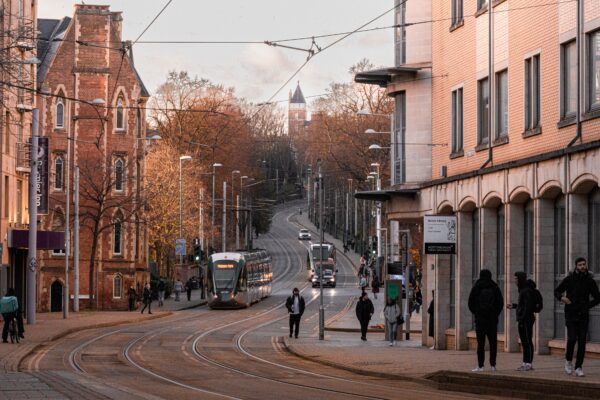
Beeston vs Lenton: Where Should University of Nottingham Students Live?
Choosing where to live as a University of Nottingham student can shape far more than just your daily commute. It can affect your budget, your social life, your sleep, your study routine, and even how much you enjoy the city itself.
For many students, the big question often comes down to two familiar names: Beeston or Lenton.
Both are well-known student areas. Both have strong links to the University of Nottingham. Both have their loyal supporters. But they offer quite different lifestyles, and the better choice depends on the kind of student experience you actually want.
If you are weighing up your options, here is a practical look at how Beeston and Lenton compare, and which one might suit you better.
Why This Decision Matters More Than People Think
Students often choose housing quickly, especially when group chats start filling up with talk of deposits, house viewings and “best streets”. It is easy to get swept along by where friends want to live or by what older students say is the obvious choice.
But not every student wants the same thing. One person wants to be near late-night takeaways and busy student houses. Another wants a cleaner high street, easier shopping, and a place that feels a little calmer after lectures. One student may be happy living in the heart of the noise, while another may quietly regret signing too early.
That is why Beeston versus Lenton is not really about which area is “better” overall. It is about which area is better for you.
Lenton: The Classic Student Lifestyle
Lenton has long had a reputation as one of the most traditional student areas for the University of Nottingham. If you imagine rows of student houses, busy pavements, quick access to campus, and a strong social atmosphere, you are probably picturing Lenton.
For many students, that is exactly the appeal. Lenton feels student-heavy, which means there is often a sense that everything around you is built around student life. You are likely to know people nearby, bump into course mates regularly, and find that house parties, casual socials and group meet-ups happen with very little planning.
That sense of closeness can be a big advantage, especially for first-time renters or students who want to feel part of a lively university environment. It can make the year feel energetic and full.
Lenton can also be convenient for getting to University Park, depending on where exactly you live. If you are studying at the University of Nottingham and want to stay closely tied to campus life, it has an obvious pull.
However, the classic student atmosphere comes with trade-offs. Lenton can feel busier, noisier and more chaotic. Some streets can look a little worn by the end of the academic year, and the area can sometimes feel more functional than polished.
If you love activity and don’t mind a bit of mess and noise, that may not bother you at all. If you need more peace to recharge, it may start to wear thin.
Beeston: More Balanced, More Grown-Up
Beeston has become increasingly attractive to students who want a different kind of university experience. It still has a strong student presence, especially because of its location near the University of Nottingham, but it often feels more mixed and more settled than Lenton.
That mix is one of its biggest strengths. Beeston has students, families, professionals and longer-term residents, which gives it a broader neighbourhood feel. For some students, that makes it instantly more appealing. It can feel a bit more grown-up, a bit more organised, and in some parts, a bit easier to live in day to day.
The town centre is a real plus. Beeston has a useful high street, supermarkets, cafés, charity shops, restaurants, tram connections and general everyday convenience. It feels less like a student bubble and more like a place where people actually build routines.
That can make a surprising difference over the course of a year. When deadlines pile up, having a decent coffee spot, an easy food shop, and a more relaxed local environment can be more valuable than students first realise.
For postgraduates, finalists, mature students, and undergraduates who are starting to move away from the constant buzz of student social life, Beeston often feels like a smart compromise.
It keeps you connected to university life without making it the only thing around you.
Which Area Is Better for Getting to Campus?
For University of Nottingham students, the answer depends partly on which campus you use most.
If you are based mainly around University Park, both Beeston and Lenton can work well. Lenton is often seen as the more traditional student choice for easy campus access, but Beeston is also well positioned, particularly for some parts of University Park and for transport options. The tram and bus links can be useful, and cycling from Beeston is common.
If you are connected to Jubilee Campus, Lenton can often feel especially convenient. That is one reason why it remains popular. You may find getting to lectures and back feels slightly more woven into daily life there.
Students at other universities in Nottingham, such as Nottingham Trent University, may also hear these two areas mentioned, although NTU students often look more closely at city-centre-adjacent locations depending on their campus.
That makes this comparison especially relevant for University of Nottingham students rather than a universal Nottingham student rule.
The key point is that neither Beeston nor Lenton is a poor choice for location. This is less about one being near campus and the other being far away, and more about how you want the rest of your life outside lectures to feel.
Social Life: Busy and Immediate or More Varied?
This is where the difference becomes very clear.
Lenton is often better suited to students who want social life on the doorstep. It is easier to live in the middle of the student crowd there. Nights out can begin earlier, casual plans happen faster, and the whole area can feel like an extension of university life itself.
If that sounds exciting rather than exhausting, Lenton may suit you well.
Beeston’s social life tends to feel more varied. It is not dead at all, but it is not quite as dominated by the student scene. You can still go out, meet friends, and enjoy student life, but the overall atmosphere is usually less intense. It may suit students who want to socialise on purpose rather than feel surrounded by it every night of the week.
That difference matters more than students sometimes admit. Some people thrive in a highly social environment. Others find they work better, sleep better and generally feel better in an area where they can dip in and out.
Costs, Value and What You Actually Get
Housing costs can shift year to year, but students often find themselves looking beyond headline rent and thinking about value. A house that seems cheaper at first can feel less appealing if it is tired, cramped, poorly insulated or awkwardly located for day-to-day life.
Lenton has plenty of student housing stock, which means options can be broad, but quality can vary. Some houses are well-kept and well-managed, while others feel like they have seen a few too many student cohorts pass through. Students often accept this in exchange for location and social convenience.
Beeston can sometimes feel like better overall living value, especially if you care about the area outside the house itself. You may find the wider setting, transport links and amenities make the experience feel more sustainable over a full academic year.
It is also worth thinking beyond rent alone. Food shopping, transport, takeaway habits, and how often you end up travelling elsewhere all affect the real cost of living.
Who Usually Suits Lenton Best?
Lenton often works well for students who want the classic university-house experience. It suits those who want to be around lots of other students, enjoy spontaneous socialising, and do not mind a bit of noise or disorder if it means being close to the action.
It can be especially appealing for second-year groups who want the full shared-house experience after halls. For many, it feels like the natural next step in University of Nottingham life.
If your ideal year involves busy houses, lots of nearby friends and a location that feels deeply tied to student culture, Lenton makes a strong case.
Who Usually Suits Beeston Best?
Beeston often suits students who want balance. That includes postgraduates, mature students, quieter undergraduates, students with heavier academic workloads, and anyone who likes the idea of living in an area that still works outside the student calendar.
It can also suit students who are starting to think a bit more practically about daily life. Being able to shop easily, get a coffee somewhere nice, travel smoothly and come home to a slightly calmer setting becomes more attractive with time.
Students choosing between universities across the United Kingdom often hear about this kind of split in other cities too. Areas near the University of Bristol, the University of Leeds or the University of Sheffield often have similar choices between a louder student hub and a slightly more balanced neighbouring area.
In that sense, the Beeston versus Lenton question is part of a bigger student housing pattern: do you want to live in the centre of student life, or near it?
So, Where Should University of Nottingham Students Live?
There is no universal winner, but there is a clear lifestyle difference.
Choose Lenton if you want the classic student atmosphere, easy social momentum, and a year that feels fully immersed in university life. Choose Beeston if you want a more rounded neighbourhood, a calmer day-to-day environment, better high street convenience, and a student experience that feels a little more grown-up.
For many University of Nottingham students, the real answer comes down to personality. If you are energised by people, noise and spontaneity, Lenton may feel like the place where the year truly happens. If you want a better blend of university and real-life routine, Beeston may quietly win you over.
In the end, the best student area is not the one everyone talks about most. It is the one that helps you live well, study well, and enjoy Nottingham in a way that suits you.
Blogs you may also like:
- Why Beeston Is a Great Place to Live as a Nottingham Student
- The Best Student Hotspots You Need to Know About in Beeston
- Exploring the Best Neighbourhoods for Students in Nottingham
Read More

Why Beeston Is a Great Place to Live as a Nottingham Student
For students moving to Nottingham, choosing where to live can shape almost everything about university life, from your daily routine and travel costs to your social life and general stress levels.
While Nottingham city centre, Lenton and Dunkirk often get plenty of attention, Beeston has steadily built a reputation as one of the most practical and enjoyable places to live as a student.
It sits in a sweet spot: close enough to campus to stay convenient, but with enough independence and personality to feel like a place of its own. For many students, especially those connected to the University of Nottingham, that balance is exactly what makes it so appealing.
Beeston is also well placed for getting into Nottingham more widely, which can help students who split their time between campus life, part-time work and nights out in the city.
A Location That Makes Student Life Easier
One of Beeston’s biggest strengths is simple geography. It is well placed for students who want quick access to the University of Nottingham’s key sites, particularly University Park and Jubilee Campus.
The University of Nottingham notes that Jubilee Campus is only one mile from University Park, and its wider transport guidance also highlights how Beeston station connects conveniently to both University Park and Jubilee.
That means students living in Beeston can often reach lectures, libraries and campus facilities without the long, draining commutes that can make university life more tiring than it needs to be.
That convenience matters more than many students expect. It is one thing to look at a map in summer and think a journey seems manageable, but quite another to deal with early lectures in January, rainy mornings, late seminars or long days on campus.
Living somewhere that reduces friction in your day can make a real difference to attendance, time management and even your mood. Beeston gives students the feeling of being near the action without necessarily being right in the middle of the busiest student zones.
Ideal for University of Nottingham Students
Beeston is especially attractive for students at the University of Nottingham because of how naturally it fits around the university’s layout. University Park remains one of the main academic and social hubs for many students, while Jubilee Campus is a major base for other schools and departments.
The university also runs free hopper bus services between University Park, Jubilee, Sutton Bonington and other university sites, which adds another layer of flexibility for students already living nearby.
For first-year students thinking ahead to second and third year housing, that can be a major plus. Rather than feeling tied to one campus area, students in Beeston often have better options for moving between different parts of university life.
A student with lectures near University Park, group work at Jubilee and a social event back in town is not boxed into one route or one routine. That flexibility is valuable, particularly as timetables become more varied in later years.
Still Workable for Nottingham Trent Students Too
Beeston tends to be more strongly associated with the University of Nottingham, but it can still work for students at Nottingham Trent University, depending on course location and lifestyle.
Travel information shows that Beeston has links into Nottingham and onward access to NTU, while local transport passes are designed to cover both University of Nottingham and Nottingham Trent campuses.
That makes it a realistic option for NTU students who are happy to commute a little further in exchange for a more relaxed residential setting.
This is especially relevant for students who do not want to live in the very centre of Nottingham all year round. Some people love the non-stop pace of city-centre student life, but others would rather come home to somewhere a little calmer. Beeston offers that middle ground. You are not cut off, but you are also not surrounded by noise every hour of the day.
Strong Transport Links Without the Full City-Centre Chaos
Good student living is not only about being near campus. It is also about being able to get where you need to go without spending a fortune or relying on complicated travel plans.
Beeston performs well here too. The area is served by tram, bus and rail connections, and students can travel to university campuses and into Nottingham with relative ease.
Nottingham City Transport’s Uni Academic Pass is built around student movement across both major universities and their campuses, which shows just how integrated the local transport network is for student travel.
That matters for more than lectures. It helps with part-time jobs, internships, shopping trips, nights out, social visits and getting to the train station when heading home.
For example, Beeston station has direct connections into Nottingham, and guidance on journeys between Beeston and Nottingham shows how short that rail trip can be. For a student, that kind of practicality can save both time and energy over the course of a full academic year.
A Proper Town Feel, Not Just a Student Bubble
Another reason Beeston stands out is that it feels like a real place in its own right.
Some student areas can feel very temporary, almost like they only exist for the academic calendar. Beeston has more of a town-centre identity, with its own shops, cafés, restaurants and everyday amenities.
Recent accommodation descriptions and local area guides consistently highlight its High Road, town-centre facilities and strong access to transport.
That can be refreshing for students who want a healthier balance between university life and ordinary life. You can still meet friends, grab coffee, go for food or run errands, but it does not always feel as hectic or crowded as heavily student-dominated neighbourhoods.
For some students, especially after the intensity of first year, that slightly more grounded atmosphere becomes part of the appeal.
Better for Independence and Everyday Routine
Beeston often suits students who are beginning to value routine a bit more.
By second or third year, many people want more than easy access to pubs and late-night takeaways. They want decent supermarkets, quieter study space, reliable transport and an area where they can actually picture themselves living comfortably for a full year.
Beeston tends to tick those boxes.
That does not mean it is boring. It means it supports a fuller version of student life. You can study seriously, get to campus easily, meet friends in Nottingham, and still come back to an area that feels manageable.
Students at the University of Nottingham often appreciate this because their campus experience already provides a lot of green space and student activity, so living in Beeston can complement that rather than competing with it. The proximity to University Park and Jubilee helps reinforce that balance.
Useful for Students Wanting Value Beyond the First Year Experience
There is often a moment in university where students begin to ask a slightly different question. Instead of “Where is the busiest place to live?”, they start asking, “Where will I actually live well?” Beeston tends to appeal to that second question.
For students at the University of Nottingham, the area offers closeness without constant intensity. For Nottingham Trent students, it can offer a more residential alternative with workable transport connections.
For postgraduates, international students or students who simply prefer a steadier home base, it can be especially attractive. In a university city where lifestyle choices vary widely, Beeston earns its reputation by being versatile rather than flashy.
A Smart Choice for the Right Kind of Student
Beeston may not be the loudest or most stereotypically student-heavy part of Nottingham, but that is precisely why many students like it. It combines access, independence, transport links and a stronger sense of day-to-day liveability.
For students connected to the University of Nottingham, it is particularly well placed thanks to its relationship with University Park, Jubilee Campus and wider university transport. For Nottingham Trent students, it remains a credible option for those who do not mind a bit of travel in return for a calmer place to live.
In the end, Beeston works because it helps students do more than just get through a term. It gives them a place where university life can feel practical, social and sustainable all at once. And for many Nottingham students, that is exactly what makes it such a strong place to call home.
Blogs that you may also like:
- The Best Student Hotspots You Need to Know About in Beeston
- Exploring the Best Neighbourhoods for Students in Nottingham
- Getting Around Nottingham: Transport Tips for Students
Read More
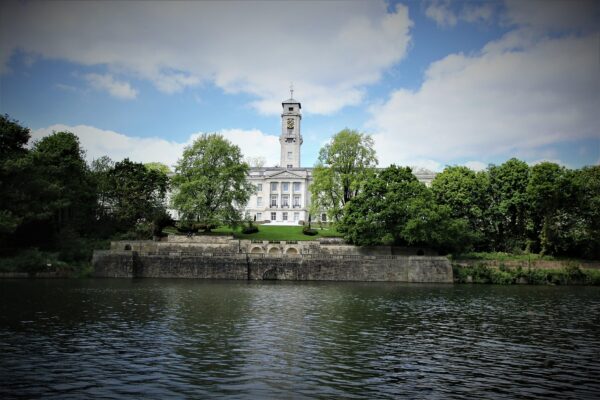
The Best Student Hotspots You Need to Know About in Beeston
For students in Nottingham, Beeston has built a strong reputation as one of those rare areas that manages to feel practical, lively and relaxed all at once.
It sits close to the University of Nottingham, has straightforward transport links, and offers a town-centre feel without the full intensity of living in the middle of the city. The University of Nottingham itself lists Beeston among the popular areas for students renting privately, while local guides point to its mix of shops, cafés, pubs and easy access to campus as a big part of the appeal.
That combination is exactly why so many students end up spending more time in Beeston than they first expect. It is not just somewhere to sleep between lectures. It is a place where students grab coffee before a seminar, pick up food after a late library session, meet friends for a casual dinner, or head out for a low-pressure evening that does not require a trip into central Nottingham.
If you are new to the area, or you are thinking ahead about where to spend your free time, these are some of the best student hotspots in Beeston to know about.
Why Beeston Works So Well for Students
One of Beeston’s biggest strengths is convenience. It is within easy reach of the University Park area, and public transport makes it simple to move between campus, Beeston and Nottingham city centre.
The University of Nottingham highlights the University of Nottingham and University Boulevard tram stops as key points for reaching the city, while broader local and student housing guides describe Beeston as well connected by rail, bus and tram.
Visit Nottinghamshire also notes that Beeston is just over three miles from Nottingham city centre.
For students, that matters more than it may seem. A good student area is not only about nightlife or rent. It is about whether your everyday routine feels manageable. Beeston tends to suit students who want proper amenities nearby, a more settled high street atmosphere, and enough variety to avoid feeling repetitive.
You can have a productive morning, a relaxed lunch, and an easy evening out without travelling far.
High Road: The Social Spine of Beeston
If you want one place to begin, start with High Road. This is the part of Beeston that really gives the area its rhythm.
It is where the town feels most active, with cafés, restaurants, bars and day-to-day essentials all feeding into one another. Visit Nottinghamshire describes Beeston as a market town packed with shops, restaurants, pubs and places of interest, and that is most obvious when you spend time around the centre.
For students, High Road is useful because it works in different moods. During the day, it is a simple place to stop for coffee, lunch or a breather between tasks. In the evening, it becomes a social meeting point without always tipping into the louder, more expensive feel that city-centre nights can bring.
That flexibility is a big reason Beeston appeals to students who want options beyond the usual student bubbles.
Bendigo Lounge for Casual Meet-Ups and Long Catch-Ups
One of the most student-friendly spots in central Beeston is Bendigo Lounge. Officially described as a café/bar on High Road, it offers a wide food and drink range, including vegan and gluten-free menus, and keeps long opening hours through the week.
That makes it ideal for the kind of flexible socialising students tend to do, where one person wants brunch, another wants coffee, and someone else turns up expecting cocktails later on.
What makes places like this work for students is not just the menu. It is the atmosphere. Beeston benefits from venues that are easy-going enough for daytime work chats and informal enough for evening plans.
A place like Bendigo Lounge suits society meet-ups, course catch-ups and those in-between moments when nobody wants a formal restaurant booking but everyone wants somewhere comfortable to sit for a while.
Coffee Stops That Make Studying Feel Easier
Every student area needs dependable coffee spots, and Beeston has become known for exactly that.
Local student-area guides specifically recommend cafés for studying over coffee, reflecting the fact that Beeston is not just a place for nights out but a place where students actually spend their days.
That matters because not every study session belongs in the library. Sometimes a change of scene is the difference between getting through an assignment and staring at the same paragraph for an hour.
In Beeston, cafés tend to suit quick solo visits, quiet planning sessions and low-pressure meet-ups with course mates. The area’s overall layout also helps. Because the town centre is compact and walkable, you can build a productive routine around it without wasting time travelling between stops.
Arc Cinema for Affordable Evenings That Still Feel Like an Event
Not every good student hotspot has to revolve around food and drink. Sometimes the best places are the ones that give you a proper break from coursework.
Arc Cinema in Beeston is one of those. Its official site promotes its film listings and cinema information, while external listings highlight features such as reclining seats and multiple screens.
For students, a cinema in the local area is more useful than it sounds. It creates an easy evening plan that does not require a full night out budget. It also works well for mixed groups, especially when everyone wants to socialise but not necessarily commit to a loud or late night.
Beeston’s cinema offering helps the area feel self-contained, which is one of its strongest assets overall.
Highfields Park for Walks, Fresh Air and Reset Time
One of the best things about living near Beeston is that you are also close to some genuinely good outdoor space.
Local student accommodation guides highlight Highfields Park as a nearby green area for walking, boating and spending time outdoors, and Nottingham City Council confirms that Highfields Park Boating Lake offers rowing boats, canoes, kayaks and Katakanus during the season.
For students, this is more important than many realise before university starts. The best student hotspots are not always the busiest ones. Sometimes they are the places that help you clear your head.
Highfields Park is useful for slow weekend walks, taking a break after lectures, meeting a friend for a low-cost outing or simply stepping away from a shared house when you need breathing room.
In the middle of deadlines, exams and housemate chaos, green space becomes part of your survival kit.
Pottery, Small Activities and Low-Pressure Social Plans
Beeston also benefits from having a few alternative activities that are good for students who want something different from the usual meal-or-drinks routine.
Pot ‘N’ Kettle, a paint-your-own pottery studio in Beeston, has been based in the town since 2007 and positions itself as a relaxed creative space close to Nottingham University.
That kind of venue matters because student social life is not one-size-fits-all. Not everyone wants nightlife every week, and not every friendship group bonds over the same thing.
Places that allow for a slower, more creative kind of social plan give Beeston extra depth. They are especially useful for birthdays, visiting family, course-friend catch-ups or simply doing something memorable that does not feel too expensive or overplanned.
Food, Drink and the Joy of Having Choice Nearby
Beeston’s food scene is another reason students warm to it quickly. Area guides point to a broad mix of cafés, pubs and restaurants, with options that suit coffee stops, casual dinners and more independent local tastes.
For students, variety matters because student budgets, schedules and moods change constantly. Some days you want a quick, cheap bite. Other days you want to sit somewhere a bit nicer because your parents are visiting, you have just submitted coursework, or your housemate has decided everyone needs to leave the kitchen for an hour.
A town that gives you options without needing to head into the city every time is always going to feel more liveable.
The Real Appeal of Beeston
What makes Beeston stand out is not one single venue. It is the overall balance.
The area gives students practical transport, a well-used high street, access to campus, green space nearby and enough places to eat, drink and unwind that life feels rounded rather than repetitive.
Official university guidance, local visitor information and student-area summaries all point in the same direction: Beeston works because it is connected, convenient and full of everyday value.
In other words, the best student hotspots in Beeston are not just hotspots because they are trendy. They are hotspots because they fit real student life. They help you study, switch off, socialise, explore and settle in.
And when an area can do all of that without feeling chaotic, it tends to become somewhere students remember very fondly long after graduation.
Blogs you may also like:
- The Best Hotspots for Students in the City of Manchester
- The Best Hotspots for Students in the City of Nottingham
- The Best Hotspots for Students in the City of Birmingham

Best Study Spots in UK Cities for Winter: Warm, Quiet, and Open Late
When it’s dark by late afternoon and the weather makes your room feel like a duvet trap, studying becomes less about motivation and more about environment.
The right spot gives you warmth, decent lighting, a stable table, and just enough quiet “peer pressure” from other focused people to keep you moving. In winter, that matters even more – because comfort and consistency are what stop one bad evening turning into a lost week.
What “warm, quiet, and open late” really means
In practice, the best winter study spots balance four things: reliable heat, low noise, late opening hours, and the basics (Wi-Fi, sockets, seating that doesn’t ruin your back).
“Quiet” doesn’t always mean silent – some people work best with a soft café hum – so it helps to pick spots that let you choose: silent corners for deep work, and slightly livelier areas for reading, flashcards, or admin.
The quick test before you commit to a place
A good rule: if you can’t picture yourself doing a full 90-minute session there without fidgeting, it’s not the one.
Look for visible sockets, bright-but-not-glare lighting, and a layout that doesn’t force you into a corridor of foot traffic.
In winter, add one more check: can you get there and back safely and comfortably when it’s cold, wet, and late? If the route is stressful, you’ll stop going – no matter how perfect the desk is.
The winter advantage most people forget
Winter can actually be your secret weapon. Libraries, civic buildings, and campus spaces are built for long sits and sustained focus, and they’re often calmer because fewer people want to leave home.
If you find one “default” place you like, you remove daily decision fatigue: you just go, settle, and start – same seat style, same routine, same results.
City-by-city picks for late, warm sessions
London
If you want a serious “study sanctuary” feel, the British Library is a classic: it’s open to everyone, free to use, and its general opening hours run into the evening on several weekdays, making it great for long winter sessions.
For later study, Senate House Library is known for extended hours into the night on weekdays, which can be ideal around deadlines – just check access requirements and the specific areas you plan to use.
Manchester
Manchester Central Library is a strong winter option because it offers late openings on some weekdays, giving you that “after lectures/work” window without rushing.
Manchester also has a wider library network where some branches offer extended self-service access schemes, which can be handy if you like quieter neighbourhood spots rather than the city-centre buzz – just make sure you understand the membership rules and entry process.
Birmingham
The Library of Birmingham is a brilliant “winter-proof” study location: it’s spacious, warm, and has evening openings on certain days, which suits people who like to study after dinner.
The building layout also makes it easier to find your preferred vibe – busier areas when you need energy, calmer zones when you need silence.
Always double-check seasonal hours before you plan a late session.
Leeds
Leeds Central Library is a great “default” place in winter because it stays open into the evening on several weekdays, which helps you build a consistent routine.
If you’re the type who struggles to start at home, having a dependable city-centre library that’s warm, structured, and clearly set up for quiet work can make revision feel more automatic rather than a daily battle.
Bristol
Bristol Central Library can be a strong winter pick because it offers later closing on some weekdays and also has limited Sunday opening – useful when you want a calm reset day before a busy week.
The key in Bristol is choosing your timing: arrive a little earlier than you think, get settled, and you’ll often get a quieter, warmer run of focus while the weather does its worst outside.
Nottingham
If you like doing one longer session midweek (rather than small daily bursts), Nottingham Central Library has later opening on certain days that can suit that rhythm well.
Plan it like an “anchor evening”: go straight there after lectures/work, do your hardest task first, then finish with lighter reading or planning so you leave feeling organised, not drained.
Edinburgh
The Edinburgh Central Library network includes a central lending site with evening opening on several weekdays, which is ideal when you need a dependable winter routine.
In a city where the weather can turn quickly, having a centrally located, indoor space that’s predictable is a big deal – especially if you’re balancing study with part-time work and can’t afford to waste time searching for a seat.
Glasgow
The Mitchell Library is a standout winter study spot: it’s a serious library environment (great for concentration) and it offers late openings on certain weekdays, which makes it practical for evening sessions.
If you’re easily distracted, places like this help because the “default mode” of the room is quiet work – your brain tends to match the setting without you having to fight it.
Liverpool
Liverpool Central Library is particularly useful in winter because its weekday hours run later than many public libraries, giving you a strong evening window.
That makes it easier to do the “two-part day” that works for lots of students: lighter tasks in the afternoon, then a concentrated library block in the early evening when you’re most likely to procrastinate at home.
Cardiff
Cardiff Central Library Hub is worth knowing about for winter because it offers later openings on at least one weekday and provides dedicated study spaces across floors.
In colder months, that “hub” setup is genuinely helpful: you can shift spaces if a floor feels too busy, too quiet, or too warm – without having to leave the building and lose momentum.
What to do when libraries aren’t open late enough
If your nearest library shuts before you’re in full flow, your next best winter options are usually late-opening cafés, co-working lounges (some offer student deals), and quiet hotel lobbies (where you can blend in respectfully with one drink).
The trick is to pick places with bright lighting and minimal music, then treat them like a library: headphones on, phone away, and one clear task per session. It’s also worth checking whether your university has late-night study spaces – many campuses keep certain buildings open later than public libraries, especially during exam periods.
Whichever place you choose, arrive with a “first 10 minutes” script: sit down, plug in, open only what you need, and start with a short, easy win (a recap page, a quick plan, one practice question). That removes the awkward settling-in phase where you’re most likely to drift.
In winter, add comfort on purpose: a warm layer, a hot drink, and a timed break. The goal is to make studying feel frictionless – because the weather is already adding enough friction for you.
Wrapping it up
The best winter study setup isn’t a perfect list of places – it’s having one reliable default spot you can go to without thinking, plus a backup for late nights.
Start with your city’s best central library option, learn its rhythm (quiet times, busy times, best floors), and then keep a café or campus space in your back pocket for evenings when you need extra hours.
Once your environment is sorted, your study habits get easier – because you’re no longer battling cold, noise, and closing times at the same time.
Read More
Christmas on a Student Budget: The Best UK Christmas Markets to Visit
From late November, Britain’s city centres swap grey drizzle for fairy lights, bratwurst smoke and booming Mariah Carey.
For students, Christmas markets are an easy way to feel festive without blowing the entire December loan – but only if you pick your destination and budget carefully.
Across the United Kingdom, many of the biggest markets are free to enter; you just pay for what you eat, drink and buy. That includes major favourites like Birmingham, York and Bath, which all advertise free admission.
London’s Hyde Park Winter Wonderland is the big exception, with timed entry tickets, though even there some off-peak sessions are free.
Here’s a whistle-stop tour of some of the best UK Christmas markets in 2025 – and what a realistic night out might cost you as a student.
Manchester: Big-City Sparkle, Big-City Prices
Manchester’s Christmas Markets are regularly billed as the largest in the UK, with more than 200 wooden chalets spread across ten sites and a flagship return to Albert Square this year. The Town Hall backdrop, giant Santa and a 50-metre Ferris wheel turn the city centre into a full-scale festive playground.
The catch is the cost of all that cheer. Local reporters clocked average prices of about £5.50 for mulled wine, £4.50 for hot chocolate and £8 for a bratwurst, with pints of beer typically around £6.50. Cocktails can run to £9.50–£11, and there’s usually a £3.50 deposit on the souvenir mugs.
For a sensible student night, think in terms of one hot drink, one main and maybe sharing dessert: roughly £18–£22. Add a cocktail, souvenir mug and a ride on the big wheel, and you’re edging towards £35–£40 before you’ve even thought about gifts.
Pre-agree a spend limit with friends and stick to card or phone payments you can track in real time.
Edinburgh: Castle Views, Premium Vibes
Edinburgh’s markets in Princes Street Gardens are the ones you’ve seen all over Instagram – fairy lights, the castle looming above and a crush of winter coats shuffling between stalls. #
A recent student guide described the 2025 prices as “rent-level offensive”, but also admitted the spectacle keeps drawing people back.
Average prices this year tell the story: hot chocolate is typically £5.50–£8, bratwurst £6–£8, churros £7–£9 and mulled wine from around £12 if you keep the mug. Rides are the real budget-busters: the big wheel is about £12 per adult and ice skating starts around £15 before locker or penguin-aid extras.
If you’re heading down from campus, plan at least £25–£30 for a main, a sweet treat and a drink, plus another £10–£15 if you want to skate or ride. To soften the blow, go on a weekday afternoon, eat something basic beforehand and treat the markets as an atmospheric add-on rather than your whole night out.
York: Storybook Streets, Manageable Spending
York’s St Nicholas Fair is the cosy, storybook version of a Christmas market. Alpine chalets line Parliament Street and St Sampson’s Square, with more than 80% of traders hailing from Yorkshire – think local cheese, handmade crafts and indie food stalls. Entry is free, and the market runs from mid-November to just before Christmas.
For students travelling in, York’s Park & Ride can be a quiet win: return tickets cost about £3.90 with free parking and up to three kids travelling free, which at least keeps transport to the market itself cheap.
York residents also get 10% off at traders with a valid local ID, handy if you study there year-round.
Food prices are broadly in line with other big UK markets – expect £6–£8 for a hot main and £4–£6 for hot drinks – but the slower pace means you’re less likely to panic-spend just to get away from the crowds.
Realistically, £15–£25 can cover a drink, a snack, a simple meal and maybe a small gift, especially if you travel in by bus or train on a discounted railcard.
Bath: Georgian Backdrop, Mixed Reviews on Value
Bath’s Christmas Market is celebrating its 25th anniversary this year and remains one of the UK’s most photographed festive events, wrapping hundreds of chalets around the Abbey, Abbeygate Street and Milsom Street.
It’s completely free to attend, with a strong focus on local makers and even sustainability perks such as a 50p discount on hot drinks if you bring a reusable cup.
But the market has also made headlines for being pricey. Recent coverage highlighted pigs in blankets at around £9 and warned of intense crowds, with some visitors dubbing it “the worst” Christmas market while the council strongly defended it as one of Europe’s most successful.
For students, the key is timing and expectations. Visit for the architecture and atmosphere first, and the food second. If you budget £15–£20 for a main and hot drink, plus another £10 for a treat or a small artisan gift, you can enjoy Bath without feeling fleeced.
Aim for weekday mornings or the market’s designated “quiet shopping” hours to avoid getting stuck in spending-fuelled gridlock.
Birmingham: Frankfurt Flavours Without the Airfare
Birmingham’s Frankfurt Christmas Market brings an authentic German feel to Victoria Square and New Street, complete with schnitzel, bratwurst, glassware and wooden decorations.
It’s open daily through November and December, typically from around 10am until the evening, making it an easy after-lectures trip for Midlands students.
The big win here is the cost of entry: the market is a free public event, with no ticket needed, and you only pay for what you eat, drink or buy. Food and drink prices tend to sit in the same ballpark as Manchester and York, so planning roughly £20–£30 for a hearty snack, a drink or two and a modest souvenir is sensible.
Sharing a chimney cake or portion of fries between friends is an easy way to keep that towards the lower end.
London’s Winter Wonderland: Go Off-Peak or Go Big
Hyde Park Winter Wonderland is more Christmas theme park than traditional market, with more than 150 rides and attractions, circus shows, an enormous ice rink and a revamped Santa Land.
It’s a must-see once during your student years – but it’s also the easiest place to overspend.
Everyone needs an entry ticket. Off-peak sessions can be free, while standard slots are about £5 and peak times £7.50 per person. Once inside, rides, skating and big attractions are extra.
Bundled packages, such as the “Arctic Adventure”, which includes several icy attractions plus £20 of ride and game credit, start from around £43.45.
If you’re treating Winter Wonderland as your big seasonal blow-out, a realistic student budget is £40–£60 for entry, one headline attraction and food. To keep it cheaper, book a free off-peak slot, skip the big circus shows and focus on one paid ride plus a drink and snack – that can bring your spend down towards the £25–£30 mark.
So, How Much Should You Allow Overall?
Looking at 2025 price lists from Manchester and Edinburgh, a single hot drink at a major UK Christmas market generally runs between £4.50 and £8, a street-food main like a bratwurst or loaded fries between £6 and £9, and a sweet treat like churros around £7–£9.
Add in the odd deposit for mugs and you’re soon into double figures for one round. Bigger extras such as Ferris wheels or ice skating usually sit in the £10–£15 bracket.
As a rough guide, if you’re mostly there for a wander and a photo, £10–£15 can cover one drink and a snack. For a fuller evening – main, dessert, hot drink and either a small gift or one ride – £25–£40 is more realistic, especially in big-city markets. Anything beyond that tends to be driven by cocktails, multiple attractions or impulse gifts.
The trick is to decide your number before you see the lights, check in with your bank app halfway through and remember that the best parts of Christmas markets – the music, the atmosphere, the time with friends – are still free.
Read More
Free Christmas Light Switch-On Dates in the UK
As the nights draw in and the temperatures drop, one tradition reliably cuts through the gloom – the Christmas lights switch-on.
Across the United Kingdom, high streets, market squares and city centres are getting ready to flick the festive “on” button, and the best bit for many families and students is that most of these events are completely free to attend.
From huge London shopping streets to cosy coastal towns, here’s a guide to some of 2025’s free Christmas light switch-ons, plus tips on how to make the most of them without spending a fortune.
What Exactly Is a Light Switch-On?
A Christmas light switch-on is usually the unofficial start of the festive season in a town or city. Roads are closed, stages appear, local choirs and school groups perform and, after a countdown, the lights blaze into life.
Many councils and BIDs (Business Improvement Districts) use these events to support local traders, which is why you’ll often see street markets, late-night shopping and free entertainment built around the big moment.
Leicester, for example, uses its city-centre switch-on at the Clock Tower on 19 November to launch late-night shopping and a wider festive programme, with crowds gathering for music, stalls and the big countdown.
Big-City Sparkle on a Budget
If you’re near a major city, chances are there’s a free lights event within a bus or train ride.
In London, the famous shopping streets all mark the season with their own switch-ons. Oxford Street kicks things off in early November as part of a charity-themed celebration, with Carnaby Street, Regent Street and St James’ following shortly after – each with its own decorations and street-party feel.
Often, the exact timings are confirmed closer to the date, so it’s worth checking local listings before you travel.
Further north, Greater Manchester no longer holds a single huge city-centre switch-on, but the region leans into smaller local events, with Visit Manchester publishing a 2025 guide to free town-centre switch-ons across the boroughs.
Many of these feature live music, family activities and appearances from local performers rather than big-name pop stars – but the atmosphere is no less festive, and they’re much easier on the wallet.
In Edinburgh, Light Night and community switch-ons around the city traditionally combine choirs, church services and tree-lighting ceremonies, with the core events free to attend even if some surrounding attractions charge for tickets.
Market Town Magic: Free Events You Can Drop Into
Some of the most charming light switch-ons happen not in the big cities but in smaller towns and coastal communities, where the whole place seems to turn out.
Along the south coast, Maldon in Essex is running its “Light Up Maldon” event on Thursday 27 November 2025, from 5–9pm. The evening includes a street market, indoor craft fairs, live performances and the main switch-on at 6pm – all free to wander around, with optional extras like Santa’s grotto for those who want to pay a little more.
Down in the South West, Plymouth is inviting locals and visitors to the city-centre switch-on on Thursday 13 November, with a main stage on The Piazza and the lights being turned on by special guests.
Over in Newquay, a late-November switch-on (this year on 28 November) comes with live music, carols, dancing, a festive market and a firework finale – a full evening out without an entry fee.
In Hampshire, Visit Hampshire has rounded up a series of free town-centre switch-ons, including Andover’s event on 21 November, which forms part of an afternoon festival with live music, fairground rides and a Christmas market.
And if you’re in the Home Counties, Marlow in Buckinghamshire is again planning a packed High Street switch-on this year, with BBC weather presenter Carol Kirkwood invited to press the button on Thursday 20 November, alongside street entertainment and “snow” falling over the crowd.
Regional Round-Ups: North, Midlands and Beyond
If you prefer to browse lots of options in one go, a growing number of regional tourism sites and family blogs now publish free event round-ups.
In the North West, for example, North West Family Adventures has pulled together details of more than 70 Christmas light switch-on events for 2025. The list includes towns like Chorley, Nelson, Ormskirk and Preston, many of which offer free parking, children’s activities, markets and evening entertainment around the actual switch-on moment.
Leeds and Yorkshire are following suit. The Yorkshire Evening Post has highlighted 13 separate switch-on events across the Leeds area alone – from Methley to Morley – with village fairs, carol singing and community markets all wrapped around free light ceremonies.
In the East Midlands, towns and cities are leaning heavily into free programming. Leicester’s city-centre switch-on is joined by a broader “Christmas in Leicester” offer that includes an ice rink, Wheel of Light and a light trail at Abbey Park, so you can decide what you want to pay for and what you just want to enjoy from the sidelines.
Nearby, Northampton is hosting an all-afternoon free event in Market Square on Saturday 22 November, with workshops, stalls and a stage show leading up to the moment the lights come on.
How to Make the Most of a Free Switch-On
Because most switch-ons don’t charge admission, they can get very busy. A few simple tactics can help you enjoy them without stress:
Arrive early, leave late – The countdown itself might be at 6pm or 7pm, but markets and entertainment often run for hours either side. Arriving a little earlier makes it easier to find a good spot and soak up the atmosphere, while staying afterwards can mean quieter stalls and less pressure on public transport.
Check local travel and road closures – Town-centre roads are frequently closed for these events, and bus routes diverted. Council or BID websites usually have a dedicated event page with maps and timings, so it’s worth checking before you set off.
Wrap up and bring the basics – Layers, gloves, a portable phone charger and maybe a hot drink in a reusable cup can turn a chilly wait into something much more comfortable, especially if you’ve got children with you.
Set a spending boundary – The events are free, but the food and gift stalls are designed to tempt. If you’re on a student budget, decide in advance whether you’re there just for the lights or whether you’re happy to spend a set amount on treats.
A Simple, Joyful Way to Feel Festive
In a year when many households are watching every penny, free Christmas light switch-ons are a reminder that some of the best festive moments still cost nothing more than your time and a bus fare.
Whether you’re a student looking for a low-cost night out, a family searching for some seasonal magic, or a group of friends planning a pre-Christmas catch-up, there’s almost certainly a free event happening near you.
Check your local council, BID or regional tourism website, pick a date, wrap up warm – and join the countdown as the UK quite literally lights up for Christmas.
Read More
Getting Around Exeter: Transport Tips for Students
Exeter might be hilly in parts (hello, Streatham campus), but it’s a compact, student-friendly city with plenty of ways to get from lectures to lattes without burning through your student budget.
Buses connect campuses and neighbourhoods, cycling is popular thanks to traffic-calmed routes and waterside paths, trains link you across Devon and beyond, and there are handy car- and bike-share options when you need them.
The trick is knowing which option fits your day, your timetable and your wallet.
Buses: Your Day-to-Day Workhorse
If you’re studying at Streatham or St Luke’s, buses will likely be your default.
Stagecoach runs frequent services across the city, including the popular UNI and 4 routes that link campus and the city centre, with late-night coverage on key student nights so you’re not stranded after a library session or society social.
For savings, look at student tickets and term passes. The university highlights a reduced-price “Termrider” for unlimited travel in the Exeter area during term time – ideal if you’re commuting daily or bouncing between campus, part-time work and sports.
Buy once, ride often, and stop worrying about topping up.
Rail: Quick Hops and Weekend Escapes
Exeter has three central stations – St Davids (the main hub), Central and St Thomas – so you’re rarely far from a platform.
St Davids handles most long-distance and regional services (Great Western Railway, South Western Railway and CrossCountry), making it your springboard to the beach at Exmouth, surf spots down to Cornwall, or city breaks to Bristol and London. If you’re living near the High Street, Exeter Central can be a convenient alternative.
If you’re mixing bus and train, PlusBus is worth a look: add it to your rail ticket for unlimited local bus travel on the same day – perfect for station-to-campus connections without extra faff. Day prices are clearly listed and can work out cheaper than buying tickets separately.
Budget Savers: Passes, Bundles and Park & Ride
Think of Exeter as a “bundle city.” DayRider and group tickets can be cost-effective on busy days, while term passes flatten your costs over the semester.
If you drive in occasionally (or your parents drop you off for a big shop), Park & Ride is a low-stress option: leave the car at edge-of-city sites and hop on frequent buses within the DayRider zone, dodging city-centre parking fees.
For those rare moments you need a car – flat move, IKEA run, cinema trip with friends – pay-as-you-go car clubs in Exeter let you book by the hour with insurance and fuel included. You only pay when you actually use a vehicle, which keeps costs down versus full-time ownership.
Students can sign up online and pick up cars from bays around the city.
Cycling: Scenic, Fast and Surprisingly Flat (If You Pick the Right Routes)
Exeter rewards cyclists who plan their route. Main roads can be steep, but quieter backstreets and signed paths make everyday cycling doable – and often quicker than waiting for a bus at peak times.
A star draw is the Exe Estuary Trail: a largely off-road, mostly flat, 26-mile path threading through Exeter, Topsham and out to Exmouth and Dawlish Warren. It’s great for weekend spins, sunrise coffee runs, or a brain-clearing ride after deadlines.
Practical tips: fit lights (winter sunsets sneak up on you), add a decent lock, and consider mudguards – Devon showers happen. If hills to Streatham feel intimidating, try an e-bike for a boost; the city’s electric bike-share scheme (Co-Bikes) has been returning with new stations, making e-assists more accessible for short hops.
Bike- and Car-Share: Flex Without the Commitment
Owning a bike or car isn’t essential in Exeter. Electric bike-share is ideal for “sweat-free” climbs to campus or quick trips across town, and pay-as-you-go car clubs cover those occasional journeys that aren’t bus- or bike-friendly.
The big win is flexibility: you can choose the right mode for each day – bike to lectures, bus to town, train to the coast – without sinking cash into assets you barely use.
Smart Planning: Apps, Timing and Safety
A little planning goes a long way. Check live bus times before you leave; Exeter’s services are frequent, but shaving five minutes off your wait can be the difference between a relaxed arrival and a sweaty jog to your seminar.
Trains can be cheaper when booked early – set alerts for weekend trips.
When cycling, pick routes that trade gradients for calmer streets, and use the riverside paths where possible. Lock your bike in well-lit areas, keep valuables out of sight in parked cars, and walk with friends late at night – common-sense habits that make city life smoother.
The Bottom Line
Exeter’s size and layout make it perfect for multimodal travel. Use buses for reliable everyday links, trains for adventures and placements, bikes for freedom and headspace, and shared vehicles when you need extra carrying power.
Mix and match to suit your timetable and budget, keep an eye on student deals, and you’ll find getting around Exeter is not just manageable – it’s part of the fun of living here.
Read More
How to Make a New City Feel Like Home in 30 Days
Moving to a new city can feel a bit like stepping onto a moving bus – you’re grateful to have a seat, but you’re not totally sure where this route goes.
The good news? You don’t need years to feel settled. With a few smart micro-habits, simple routines, and local hacks, you can turn “Where am I?” into “This is my place” in about a month.
Here’s a friendly, no-fluff guide to help students make a new city feel like home in 30 days.
Week 1: Anchor Yourself with Micro-Habits
Your first week sets the tone. The goal isn’t to do everything – just to create small anchors that make each day feel a little more familiar.
Start with a five-minute morning reset. Open your curtains, make your bed, drink a glass of water, and jot down three tiny tasks for the day. This is less about productivity and more about psychological footing; you’re telling your brain, “We’ve got this.”
Next, choose a daily “place cue.” That’s one spot you intentionally visit each day to build a sense of routine – maybe a particular bench on campus, a coffee shop near your accommodation, or a corner of the library with good light. Go there, even if just for ten minutes. Over time, that spot becomes your personal mental shortcut to calm.
In the evenings, add a two-minute tidy. Set a timer and clear surfaces, rinse mugs, fold a throw blanket – whatever brings order quickly. Waking up to a neat room does more for your headspace than any productivity app.
Finally, adopt a mini movement ritual. A brisk 10–15 minute walk after lunch or dinner works wonders. Explore a different street each day; you’ll learn the layout organically while your body thanks you for the fresh air.
Week 2: Build Routines That Fit Your Life (Not Someone Else’s)
With the basics in place, it’s time to craft routines that feel natural. Start with your “power trio”: sleep, study, and social.
For sleep, aim for a consistent bedtime and wind-down sequence – dim lights, put your phone on night mode, and play the same calming playlist. Pair this with a simple “lights out rule” that’s realistic for your schedule. A stable sleep window helps you adapt to new surroundings faster and keeps your mood steady.
For study, create a rhythm you can rely on. Try a 45-minute focus block followed by a 10-minute break, repeated two or three times. Keep your tools identical each session – same notebook, same browser tabs, same table. Consistency beats intensity here. I
f you can, separate “deep work” locations (library or quiet zone) from “light admin” locations (café or common area). Your brain will learn which space equals which kind of thinking.
For social, don’t force big gestures. Start with micro-interactions: a “morning!” to the receptionist, a quick chat with the barista, a compliment on someone’s tote bag. These tiny moments create momentum and make you feel woven into the day-to-day fabric of the city.
Also, say yes to at least one casual invite this week – even if it’s just a society taster session or a low-stakes board-game night.
Week 3: Use Local Hacks to Feel Like a Regular
Now you’re ready to move from “newbie” to “local-ish.” Begin with transport. Learn the city’s shortcuts: which bus stop is quicker at rush hour, where the night service runs from, which cycling routes are safest, which streets have reliable e-scooter parking.
Screenshot timetables and save them in a dedicated “City” album on your phone. Knowing how to get around without thinking is a huge confidence boost.
Food is another fast track to belonging. Find three reliable “go-tos”: one budget supermarket for weekly basics, one independent café for a treat when you need a lift, and one tasty cheap-eat spot for late study sessions (bonus points for student discounts).
Visit each place twice this week. Familiar faces and familiar flavours turn a city into a neighbourhood.
For your wallet, set a Sunday money ritual. Spend five minutes reviewing last week’s spending, then decide on a realistic pocket budget for treats, coffees, and social plans. Use digital envelopes or a simple note in your phone.
The aim isn’t strictness – it’s awareness. When you know what you’re spending, you get to say “yes” more confidently.
Don’t forget second-hand gold. Charity shops, vintage markets, and community swap pages are perfect for adding personality to your room on a student budget. A framed print, a cosy lamp, or a quirky cushion instantly transforms a space from “rented box” to “my place.”
Week 4: Expand Your Circle and Claim Your Rhythm
By now, your micro-habits and routines are humming in the background. It’s time to stretch a little – socially and personally.
Pick one society to commit to for a month. Not five; one. Consistency matters more than variety. Show up weekly, learn some names, volunteer for a tiny task. You’ll be shocked at how quickly friendly faces become familiar.
Create a “local loop” for weekends: a morning walk route, a coffee stop, a browse around a market or bookshop, and a quick reset of your room when you get back. Repeat it for two Saturdays in a row. Rituals like these give your week a heartbeat and turn the city into your stomping ground.
Then, plan one mini adventure. That might be a museum with free entry, a film club screening, a riverside walk, or a live music night – something that isn’t strictly “student life,” so you connect with the broader city.
Take a few photos, but more importantly, take mental notes: the smell of fresh pastry, the busker on the corner, the street that catches the morning light. These textures are what “home” feels like.
Micro-Habits That Make a Big Difference
A city becomes yours through repetition and small wins. Here are a few micro-habits that punch above their weight:
Start a one-line-a-day journal. Note one thing you discovered, one person you spoke to, or one place you passed. It’s a tiny time capsule that shows how quickly you’re growing roots.
Use a “two birds” mindset. Combine tasks to embed exploration into your day: pick up groceries via a new route, listen to course readings while you walk to a scenic spot, or invite a coursemate to review notes in that café you’ve been wanting to try.
Adopt the “3-name” challenge each week. Learn and use the names of three people you encounter regularly – security staff, the librarian, the person who always arrives early to your seminar. Name-using builds community faster than any networking event.
Keep an “always pack” pouch in your bag. Lip balm, pen, charging cable, plasters, a foldable tote, and a cereal bar. Feeling prepared keeps anxiety low and spontaneity high.
Local Know-How: The Unsexy Stuff That Matters
It’s not glamorous, but sorting a few practical bits makes you feel established. Register with a local GP if you’re eligible, save emergency and taxi numbers, and pin 24-hour pharmacies on your map.
Learn where the campus lost-property desk lives, how to report a missed bin collection at your accommodation, and which laundrette machines are less busy. These small bits of knowledge reduce friction and increase your sense of control.
Weather-proof your routine too. Keep a compact umbrella and a lightweight layer by the door, and plan an indoor “rain route” (library → café → study nook) so bad weather doesn’t derail your day. Feeling resilient against the climate is surprisingly empowering.
Craft a Space You Want to Come Back To
Your room is your base camp. Aim for simple, sensory comfort: a soft throw, warm lighting, and one plant you can’t easily kill. Use scent as a memory anchor – fresh laundry, a citrus diffuser, or your favourite tea. When a space smells like “you,” your nervous system relaxes.
Create zones, even in a tiny room. A “work corner” (desk, lamp, laptop stand), a “chill corner” (cushion, blanket, headphones), and a “landing pad” by the door for keys and wallet.
Zones reduce decision fatigue and make your space more functional. And remember your two-minute tidy – future-you will always be grateful.
Social Confidence Without the Pressure
Not everyone arrives as the life of the party – and that’s okay. Focus on depth over breadth.
When you meet someone you click with, follow up within 48 hours: “Fancy a coffee after Tuesday’s lecture?” Suggest something specific and easy. If big nights out aren’t your thing, try low-key activities: study sessions, walks, board-game cafés, or volunteering. Shared tasks make conversation flow naturally.
If you’re feeling wobbly, name the feeling privately (“first-week jitters,” “Sunday scaries”) and then do one small, kind action – send a message, take a walk, brew a proper tea. Momentum beats perfection.
A 30-Day Snapshot You Can Steal
If you like a simple shape to follow, try this:
Days 1–7: Morning reset, daily place cue, evening two-minute tidy, 10–15 minute walk. Visit the library once and one local café twice.
Days 8–14: Fix your sleep and study rhythm. Attend one society taster and say yes to one casual invite. Try a new bus route or cycling path.
Days 15–21: Establish your Sunday money ritual. Choose your three regular food spots. Add one second-hand item to personalise your room.
Days 22–30: Commit to one society weekly for a month. Do your weekend “local loop.” Plan one mini adventure beyond campus.
The Mindset That Makes It All Work
The secret to feeling at home is repetition with curiosity. You don’t need to “discover yourself” in 30 days; you just need to stack small wins. Treat the city like a book you’re reading slowly – chapter by chapter, page by page. Some chapters will be exciting, others a bit functional, but together they add up to a story you’ll be proud of.
When in doubt, zoom in. What’s one tiny thing you can do today that future-you will thank you for? A message sent, a street explored, a shelf tidied, a name remembered. Do that, and watch how quickly the unfamiliar becomes yours.
Thirty days from now, you’ll know where to get a decent sandwich, which bus driver nods back, and the exact chair in the library that fits your posture like a glove. That’s home – not a grand declaration, but a set of small, repeated choices that make you feel steady where you stand.
Read More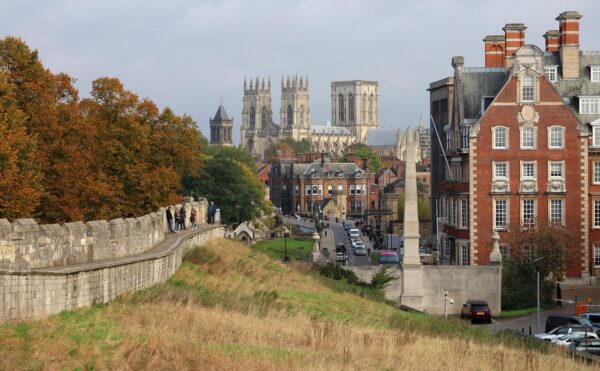
Getting Around York: Transport Tips for Students
York is a compact, cobbled and characterful city that’s perfectly sized for student life.
Getting to lectures, meeting friends in town or planning a weekend escape doesn’t have to drain your student budget. With a little know-how, you can move around quickly and comfortably, and still have change left for coffee.
Here’s a friendly, fuss-free guide to navigating York like a local.
Buses: Your Everyday Workhorse
For most students, buses are the easiest way to connect campus and the city centre. Services run frequently, with extra trips at peak times in term, and there are usually dedicated student tickets that bring the cost right down.
If you’re commuting most days, a term pass often works out cheaper than paying on board. If your routine is more flexible, day tickets and weekly caps on contactless cards can be kinder to your wallet. It’s also worth using the operator’s app to check live arrivals, disruptions and ticket options, because that little bit of planning can save you both time and money.
Travelling in the evening or at weekends can sometimes be cheaper too, so keep an eye out for off-peak deals when you’re heading into town for dinner or a film.
Park & Ride: Handy Even If You Don’t Drive
York’s Park & Ride network is designed to whisk people into the centre without the headache of parking. Even if you don’t own a car, it’s a brilliant option when parents or friends visit.
The sites sit on the edge of the city, the buses are modern and frequent, and they drop you at central stops quickly. On busy weekends or event days, when the historic streets can feel a bit congested, using Park & Ride can be the difference between a calm day out and a frazzled one.
It’s also a useful backup if rail services are disrupted and you need a reliable way to get close to the station.
Cycling: Flat(ish), Fast and Freeing
York is a genuinely cycle-friendly city. The terrain is mostly flat, there are signposted routes along the Ouse and Foss, and you’ll find racks near libraries, lecture halls and shopping streets.
If you’re new to cycling here, start with quieter backstreets and riverside paths to build confidence before tackling busier roads. Good lights are essential in winter when daylight disappears early, and a sturdy lock is a must because popular racks fill up quickly.
A bit of wet-weather prep goes a long way too. A lightweight waterproof, a pair of gloves and, if you can fit them, mudguards can turn a grim ride into a perfectly manageable commute.
Give your bike a quick monthly check for tyre pressure, brakes and a little chain lube, and you’ll avoid most surprises. If you’re watching the pennies, a refurbished second-hand bike can be excellent value, and registering it with a national scheme adds a layer of security.
Walking: The Original Free Travelcard
One of York’s joys is how walkable it is. From the station to the Shambles or Museum Gardens is an easy stroll, and many student areas sit within a 20–30 minute walk of campus buildings.
Walking is often the quickest option when you factor in waiting times for buses, and it lets you enjoy the city’s lanes, snickleways and city-wall views that you miss from a vehicle.
Sensible shoes will keep you comfortable on cobbles, and planning sheltered cut-throughs pays off when the weather turns. If you’re heading home late, it’s always smarter to walk in a group and share your live location with a friend.
Trains and Coaches: Day Trips and Big-City Fixes
York station is a gift for students who like to explore. Fast links to Leeds, Manchester, Newcastle and London make day trips and internships very doable.
If you’re under 30 or a full-time student, a Railcard usually pays for itself within a couple of journeys, so it’s worth sorting early in the year. Booking in advance and travelling off-peak will usually secure better fares, and split-ticketing tools can sometimes shave a little extra off the price.
Coaches are slower but can be incredibly cheap if you plan ahead, which makes them perfect for weekends away when time is flexible and budget is not.
Taxis, Rideshares and Late-Night Moves
Taxis and rideshares are ideal when you finish late, need to move heavy kit or want a simple door-to-door option after a night out.
Sharing rides with housemates keeps costs down, and checking the registration and driver details before you get in is a sensible routine. For everyday travel, treat taxis as your premium plan B and stick to buses, walking or cycling to keep your weekly spend under control.
Car Clubs and Occasional Wheels
You may not need a car in York, but having occasional access can be a lifesaver. Car-share clubs and hire options are useful for IKEA runs, field trips or a weekend in the Moors.
If you do hire, take a couple of photos when you pick up and drop off the vehicle, agree fuel rules upfront and split costs fairly through your favourite money app.
Remember that city-centre parking can be expensive and tight, so factor fees into your plans before deciding that driving is the best option.
Smart Budgeting: Stack the Student Savings
Transport is one of the easiest areas to make painless savings. If you’re on campus most days, a term bus pass will usually beat pay-as-you-go. If your schedule varies, contactless capping can control costs without you having to think about it.
When you’re travelling with friends, group tickets can be cheaper than buying them individually. If trains will be part of your life, a Railcard is practically essential. And if you’re tempted by cycling, a decent second-hand bike will often pay for itself within a term compared with daily bus fares.
Accessibility and Inclusive Travel
Most operators in York publish accessibility information for their routes and vehicles, so it’s worth checking websites or apps before you travel if you need ramp access, priority seating or space for mobility aids.
Many stops display live arrival boards, and apps can provide audio or haptic alerts so you don’t miss your stop. If you require specific adjustments, contacting services in advance can make journeys smoother; providers are generally responsive and helpful.
Weather Wisdom: Because Yorkshire
York does the full weather spectrum. A small foldable umbrella, a packable waterproof and something reflective for those early winter sunsets will save you more than once.
Cyclists will appreciate keeping a dry pair of socks in their bag, and on icy days it’s perfectly acceptable to leave the bike at home and opt for the bus. Comfort keeps you consistent, and consistency is what saves money over a term.
Final Word: Mix, Match and Make It Yours
There isn’t a single “best” way to travel in York. The sweet spot is usually a personal blend: buses for busy days, cycling for speed, walking for headspace and trains or coaches for adventures beyond the city walls.
Start with the money-savvy basics, build a few safety habits and let York’s compact layout do the heavy lifting. With a bit of planning, you’ll move smarter, spend less and enjoy more of what this brilliant city has to offer.
Read More