Latest Posts
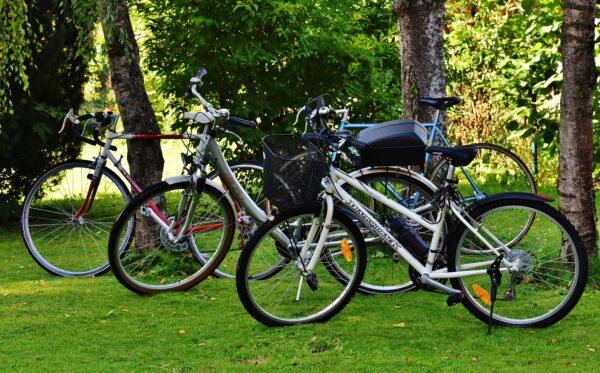
Bike Week: How Can Students Support and Get Involved?
Bike Week takes place from 8 to 14 June and is one of the UK’s biggest annual celebrations of cycling.
It is a week designed to encourage more people to get on their bikes, whether they are experienced cyclists, casual riders, nervous beginners or students who have not touched a bike since school.
For students, Bike Week is more than just a campaign about cycling. It connects to some of the biggest parts of university life: saving money, getting around campus, staying active, reducing environmental impact and discovering the local area.
At a time when many students are thinking carefully about transport costs, wellbeing and sustainability, cycling can be a practical and positive choice.
From joining a group ride to simply swapping one bus journey for a bike ride, there are plenty of ways students can support Bike Week and get involved.
What Is Bike Week?
Bike Week is an annual United Kingdom campaign that celebrates the benefits of cycling and encourages people of all ages to ride more often. It usually includes local events, community rides, workplace challenges, awareness campaigns and activities designed to make cycling feel more accessible.
The aim is not to turn everyone into a full-time cyclist overnight. Instead, Bike Week encourages small, realistic changes. That might mean cycling to lectures once during the week, taking a short ride with friends, learning how to check tyre pressure or finding a safer route into town.
For students, this makes Bike Week very approachable. You do not need expensive cycling gear or a long-distance training plan. A working bike, a safe route and a bit of confidence are often enough to get started.
Why Bike Week Matters for Students
Student life can be expensive, and transport is one of those costs that quietly adds up. Bus fares, taxis, train journeys and fuel costs can quickly eat into a weekly budget. Cycling offers a lower-cost alternative, especially for students living close to campus or in popular student areas.
At universities such as the University of Nottingham, University of Bristol, University of Leeds and University of Cambridge, cycling is already a common part of student life, helped by campus layouts, local cycling routes and city-wide cycling cultures. However, students at universities across the UK can still benefit from thinking about whether cycling could work for some of their regular journeys.
Cycling also supports physical and mental wellbeing. University can be stressful, especially during exam periods, placement deadlines and end-of-year pressures. A short ride can help students get fresh air, build movement into the day and take a break from screens.
There is also the environmental side. Many universities are trying to reduce carbon emissions and encourage greener travel. When students choose cycling for short journeys, they can help reduce congestion, air pollution and pressure on local transport networks.
How Students Can Get Involved in Bike Week
One of the easiest ways to take part in Bike Week is to use a bike for a journey you would normally make by car, bus or taxi. This could be cycling to a lecture, the library, the gym, a part-time job or a friend’s house.
Students can also look out for Bike Week events on campus or in the local area. University sustainability teams, students’ unions, cycling societies and local councils may run activities such as group rides, bike repair sessions, cycle safety workshops or route-planning sessions.
Joining a cycling society can also be a good option. Many universities have cycling clubs that cater for different ability levels, from relaxed social rides to competitive cycling. Students who feel nervous about riding alone may find it easier to start with others.
For those who do not own a bike, there may still be options. Some campuses and cities offer bike hire schemes, second-hand bike sales or cycle loan programmes. Students can also check whether their university has secure cycle parking, repair stations or discounted cycling equipment.
Simple Ways to Start Cycling More
The best way to make cycling feel less intimidating is to start small. Students do not need to begin with a long commute through busy roads. A short, familiar route is often the best first step.
A good starting point is to choose one journey during Bike Week and plan it properly. Check the route in advance, look for cycle lanes or quieter streets and allow extra time. It is also worth checking the bike before setting off, especially the brakes, tyres and chain.
Students should also think about visibility and cycling safety. A helmet, lights and reflective details can make a big difference, especially for early morning or evening journeys. It is also important to use a strong lock, particularly in busy student areas where bike theft can be a problem.
At universities in cities such as Manchester, Sheffield, Cardiff and Edinburgh, students may find a mix of hills, traffic and weather conditions, so practical preparation matters. A waterproof jacket, backpack cover or simple mudguards can make cycling much more manageable in typical British weather.
Spreading Awareness During Bike Week
Students can support Bike Week even if they are not cycling every day. Raising awareness is part of the campaign too.
One simple way is to share personal experiences on social media. A student might post about cycling to campus for the first time, discovering a new route or saving money on transport. These small stories can encourage others who are unsure about trying it.
Student societies can also get involved by organising themed events. Environmental societies could link Bike Week to climate action. Wellbeing groups could promote cycling as part of active lifestyles. Course representatives could encourage students to walk or cycle to seminars where practical.
Universities and students’ unions can help by sharing information about safe routes, bike parking, local cycling groups and maintenance support. A clear, useful post can sometimes be more effective than a big campaign because it gives students practical steps they can actually use.
Making Cycling More Inclusive
It is important to recognise that cycling is not equally easy for everyone. Some students may not own a bike, may not feel confident on roads, may have mobility needs, or may live too far from campus for cycling to be realistic.
That is why Bike Week should be framed around encouragement, not pressure. Supporting cycling can include helping others access information, asking for better campus facilities or promoting safer routes.
It can also mean supporting investment in cycle parking, lighting, repair stations and clearer local cycling infrastructure.
Inclusive cycling is about making it easier for more people to take part where possible, not making students feel guilty if cycling does not suit their circumstances.
A Good Week to Rethink Student Travel
Bike Week is a useful reminder that small transport choices can make a real difference. For students, cycling can help reduce costs, improve wellbeing, support sustainability and make university life feel more connected to the local area.
Whether it is joining a campus ride, cycling to the library, sharing route tips, attending a repair workshop or simply learning more about bike safety, students can take part in a way that suits them.
The main message is simple: Bike Week is not just for serious cyclists. It is for anyone willing to give cycling a try, support greener travel and help make student communities healthier, cheaper and more sustainable places to live.
Blogs you may also like:
- National Bike Week: How Cycling Can Make a Difference
- Road Safety Week – Everything You Need to Know
- Getting Around Leicester: Transport Tips for Students
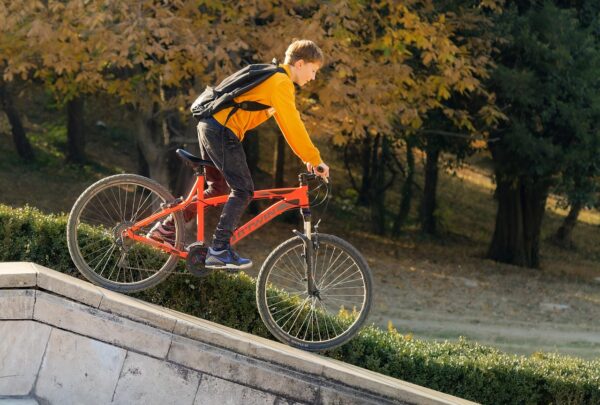
National Bike Week: How Cycling Can Make a Difference
Whether you’re a seasoned cyclist, a student who hasn’t ridden a bike since childhood, or someone who’s just curious about how to make small positive changes, National Bike Week (10th – 16th June) is the perfect chance to rediscover the power of pedalling.
Organised by Cycling UK, this annual celebration of all things two-wheeled is a reminder of the incredible difference cycling can make – not just for you, but for your community and the planet.
So, what exactly is Bike Week, and why should you care? Let’s break it down.
What is National Bike Week?
National Bike Week has been running for nearly a century – yes, seriously – and is all about encouraging people across the United Kingdom to hop on their bikes and embrace cycling. It shines a spotlight on the benefits of cycling in everyday life, whether that’s riding to lectures, the shops, or just taking a ride for the fun of it.
This year’s theme focuses on the positive impact cycling can have on personal wellbeing, the environment, and community health. It’s not about being the fastest or fittest – it’s about getting moving, enjoying the fresh air, and recognising that cycling is a real solution to many of the modern challenges we face.
Why Cycling Matters: Your Body, Your Mind, Your Planet
Let’s be honest – life as a student can get hectic. Between studies, socialising, and trying to catch enough sleep, finding time for fitness isn’t always easy.
That’s where cycling comes in. It’s not only a mode of transport – it’s a low-impact workout, a mood booster, and a money-saver all rolled into one.
For Your Health
Riding a bike regularly helps improve cardiovascular health, strengthens muscles, and boosts mental clarity. Even a short 20-minute cycle can do wonders for your energy levels and focus – perfect for blowing off steam before exams or lectures.
Plus, it releases those feel-good endorphins that help combat stress and anxiety.
For the Planet
Here’s the big one: cycling reduces your carbon footprint. Every time you choose to bike instead of taking a car or even public transport, you’re cutting down on CO₂ emissions.
With transport making up a huge chunk of the UK’s greenhouse gas output, your daily bike ride is more impactful than you might think. It’s small, yes – but it adds up, especially if more people start doing it.
For Your Pocket
Let’s not ignore the practical perks: bikes are much cheaper to maintain than cars or motorbikes.
With rising fuel prices and student budgets already stretched thin, swapping the bus fare for a bike ride can free up extra cash for more important things – like snacks or society socials.
How Students Can Get Involved During Bike Week
The best part about Bike Week? You don’t need Lycra or a super-expensive bike to join in. It’s all about making cycling accessible and fun for everyone. Here’s how students can take part:
1. Join or Organise a Group Ride
Check if your university or local community is hosting a ride during Bike Week – many do! If not, why not organise one with friends or flatmates? A group ride around campus or your local park can be a great way to build connections and confidence on a bike.
2. Fix Up and Ride
Got an old bike collecting dust? Use this week as your excuse to bring it back to life. Many campuses have bike repair stations or affordable local workshops that offer tune-ups and advice. If you don’t own a bike, look into student bike hire schemes – some universities offer free or discounted rentals.
3. Cycle to Uni or Work
Try swapping your usual commute for a cycle. Even doing this once or twice during the week makes a difference. Post about it on social media and tag it with #BikeWeekUK to inspire others to do the same.
4. Raise Awareness
Get your flat, student union or online communities involved. Share your cycling story, your route, or even just a snap of you on your bike. Sometimes seeing a familiar face is all it takes to encourage someone else to give it a go.
The Bigger Picture: Small Changes, Big Impact
While Bike Week is only one week out of the year, its impact can last much longer. By getting involved, you’re not just doing your bit for the environment – you’re joining a wider movement of people who are choosing healthier, cleaner and more connected ways to live.
Cycling is one of those rare things that’s good for your body, good for your mind, and good for the world around you. You don’t need to become a hardcore cyclist overnight. Just take that first step – or pedal – and see where it takes you.
So whether you’re riding solo to clear your head or joining a group to explore your local area, make National Bike Week your reason to get back on the saddle. Who knows – it might just become your new favourite habit.
Final Thoughts
Bike Week is more than a hashtag. It’s a chance to reflect on how our everyday choices shape our wellbeing and the future of the planet.
With just two wheels, a helmet, and a bit of pedal power, students and young people across the United Kingdom can make a real difference.
So go on – pump up those tyres, grab your backpack, and let the good rides roll.
Read More