Latest Posts
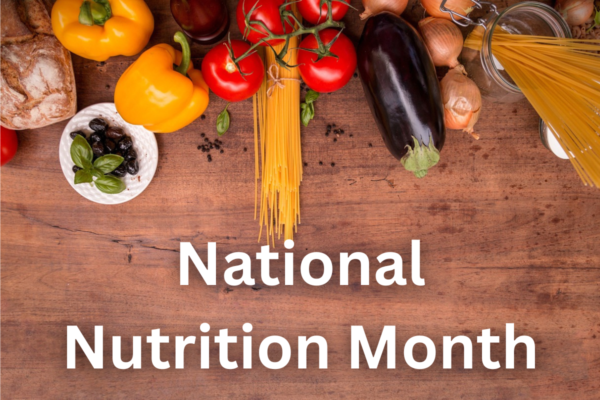
National Nutrition Month: A March Reset for Smarter Eating
National Nutrition Month is a month-long awareness campaign focused on helping people make informed food choices and build practical, sustainable eating habits.
Rather than pushing a one-size-fits-all “perfect diet”, it’s about everyday decisions that support health, energy, mood and long-term wellbeing. It encourages people to learn the basics of balanced nutrition, understand how food affects the body, and develop routines that actually fit real life.
For students, that “real life” usually includes tight budgets, busy timetables, shared kitchens, inconsistent sleep, late nights, and a social calendar that doesn’t always scream “balanced meals”.
National Nutrition Month is a useful reminder that nutrition isn’t only about losing weight or eating “clean” – it’s about feeling better day to day, supporting concentration, and fuelling the kind of lifestyle students actually live.
When It Takes Place: 1st–31st March
National Nutrition Month runs from 1st to 31st March, making it a timely spring checkpoint.
After winter comfort food, end-of-term stress, or a few too many “quick fixes” from meal deals and takeaways, March is a natural moment to reset. It’s long enough to build momentum, but short enough to feel achievable.
Because it covers an entire month, you can take it in stages. Week one might be about awareness, week two about simple swaps, week three about cooking confidence, and week four about consistency. That’s a far more realistic approach than trying to overhaul everything on a Monday.
Why Nutrition Matters More Than Students Think
Nutrition is often treated like an optional extra, but it sits right in the middle of student life.
What you eat affects energy levels, concentration, sleep quality, training and recovery, and even how resilient you feel under pressure.
When your diet is mostly quick carbs, sugary snacks, caffeine and skipped meals, the result is usually the same: a burst of energy, followed by a crash, followed by more snacking to get through the day.
Good nutrition doesn’t mean expensive ingredients or complicated recipes. It means understanding the basics: regular meals, enough protein to keep you full, fibre for digestion and steady energy, and fruit and veg for vitamins and minerals.
Staying hydrated matters too, especially when long lectures, gym sessions and late nights blur together. Even small improvements – like adding a proper breakfast a few times a week or keeping a few healthier snacks on hand – can make a noticeable difference.
A Student-Friendly Approach: Small Steps That Stick
If you’re a student, the best nutrition plan is the one you’ll actually follow.
Start with what’s realistic. If you barely cook, aim for two simple meals you can repeat. If you rely on meal deals, focus on building a better one: include a protein, choose higher-fibre options, and add fruit. If you snack a lot, try upgrading the snacks instead of pretending you’ll stop entirely.
Think of March as a month to collect easy wins.
Learn a couple of five-minute meals. Identify one or two go-to breakfasts. Work out which foods help you stay full and focused. Nutrition doesn’t need to be dramatic to be effective. In fact, the most powerful changes tend to look boring on paper – but they’re the ones that improve your week.
How Students Can Get Involved During March
Getting involved can be personal, social, or community-based.
On a personal level, you could set a simple March challenge: cook at home three times a week, aim for a piece of fruit daily, or drink more water during lectures. You could track how your energy feels after different meals for a week, just to notice patterns.
On a shared level, students can do more together. Flatmates could plan a weekly “cook together” night where everyone brings one ingredient and you build a meal. Societies can host a budget-friendly recipe swap, a simple cooking demo, or even a “packed lunch day” where people bring their own meals and share ideas.
If you’re into sport, it’s a great month to focus on fueling properly for training, especially around protein, carbs and recovery meals.
Raising Awareness Without Being That Person
Raising awareness doesn’t have to be preachy. The easiest way is to keep it practical and relatable.
If you’re sharing on social media, focus on simple things: your favourite low-cost meal, your best snack for studying, or a “what I eat on a busy day” that’s honest and achievable. People engage more with realistic content than perfection.
If you want to go a step further, student groups can run small awareness drives. Put up posters with affordable meal ideas, run a “smart shopping” mini workshop, or share tips on reducing food waste through better planning.
Even a short “Nutrition Month” feature in a student newsletter can help, especially if it includes local resources like campus wellbeing support, food banks, or community kitchens.
Making It Last Beyond March
The goal isn’t to be perfect for 31 days. The real win is finishing March with a few habits that make life easier. That could be a standard shopping list you actually stick to, two quick meals you can cook without thinking, or a routine that stops you skipping meals and crashing later.
National Nutrition Month is a reminder that food is more than fuel – it’s part of how you feel, how you focus, and how you function. For students juggling everything at once, that matters.
March is simply the nudge to take nutrition seriously in a way that fits your lifestyle, your budget, and your reality.
Read More
January “Fresh Start” Mental Wellbeing Guide for Students Living Away
January is the month that sells us a reset. New diary, new timetable, new you.
But if you’re a student living away from home, it can feel less like a clean slate and more like you’ve been dropped back into real life at full speed. The weather is dark and cold, your bank balance may be recovering from December, and deadlines have a way of arriving precisely when motivation disappears.
A “fresh start” does not have to mean a total life overhaul. In fact, the version that actually helps your mental wellbeing is usually smaller, kinder, and a lot more realistic. Think: a handful of steady routines, a room that feels calmer to be in, a few people you can lean on, and a plan for stress before it turns into a crisis.
This guide is designed for students living away, in halls, a house share, or private accommodation, who want January to feel more manageable.
Why January can feel heavier than you expected
Coming back after the holidays is a transition, even if you had a good break.
You move from family rhythms to self-managed life again: feeding yourself, washing clothes, organising study, keeping on top of bills, and motivating yourself without anyone noticing if you do not.
January also tends to pile on pressure in quiet ways. Social media is full of “glow ups” and productivity resets. Uni chat can become exam chat. Your body clock is still catching up after late nights.
If you feel flat, anxious, irritable, or tearful more than usual, it does not automatically mean something is wrong with you. It might mean you’re adjusting, and you need supportive structure, not self-criticism.
Your “fresh start” is one anchor habit, not ten
If you try to fix everything at once, you’ll probably burn out by week two. A better approach is choosing one or two “anchor habits” that create a knock-on effect for the rest of your day.
A solid morning anchor can be simple: get out of bed at roughly the same time, open the curtains, drink water, and step outside for five minutes if you can. Daylight and movement do not solve everything, but they do tell your brain it’s daytime and help regulate mood and sleep over time.
An evening anchor matters just as much. Give yourself a wind-down routine that signals “the day is ending”. That might be a shower, making your room a bit tidier, packing your bag for tomorrow, and putting your phone on charge away from your bed.
NHS Every Mind Matters has a practical set of mental wellbeing tips that includes sleep, stress and daily habits that are worth borrowing from.
Make your room feel like a safe base, not a storage unit
When you live away, your room is often where you study, rest, eat, scroll, and recover. If it feels chaotic, your brain gets fewer chances to switch off.
You do not need a Pinterest room makeover. Aim for “calm enough”.
Start with three quick wins. First, clear one surface (desk or bedside table). Second, create a “landing zone” for keys, ID, charger, and headphones so you are not panicking before lectures. Third, improve comfort: a warm lamp, a cosy blanket, or a hot water bottle.
In winter, light matters. If you can, take a few minutes in the morning to get bright light into your eyes (curtains open, step outside, even briefly). It’s a small habit that can make days feel less gloomy.
If your living setup is noisy or stressful, consider building a mini “decompression ritual” when you walk in: shoes off, kettle on, favourite playlist, and a two-minute reset before you start anything else.
Friendships, homesickness, and the “I should be having more fun” trap
Living away can be lonely even when you’re surrounded by people. You might miss home. You might feel like everyone else has found their group. You might be social, but still feel unseen.
Instead of aiming for a big social life, aim for steady connection. A good target is one meaningful conversation a day, even if it’s short. That could be a quick voice note to a friend, walking to the shop with a flatmate, or showing up to a society for half an hour.
Also, give yourself permission to keep friendships “light” sometimes. Not every hangout needs to be deep. Familiar faces and small routines can do a lot for your wellbeing.
If you’re struggling at night, remember that some universities have a Nightline service: student-run listening support during term time, often open late when everything else feels shut.
A study plan that protects your mind, not just your grades
January often comes with exam season, coursework, or both. The aim is not to become a productivity machine. The aim is to study in a way that reduces fear and increases control.
Start by taking the vague stress and turning it into a visible plan. List what’s due and when. Then choose the next small action, not the whole mountain. “Read two pages and write three bullet points” is a real action. “Revise everything” is not.
Try working in short blocks (even 25 minutes) with proper breaks, and finish study with a “closing routine”: write down what you did, what you’ll do next, and where you’ll start tomorrow. That one habit reduces the late-night spiral of “I’ve done nothing” because you can literally see what you’ve done.
If perfectionism is a big driver of anxiety, build in “good enough” tasks. Practice questions done imperfectly are often more useful than perfect notes you never review.
Money stress: reduce uncertainty before it becomes panic
Financial stress hits mental wellbeing hard because it creates constant background threat. The quickest relief often comes from clarity.
Do a simple “January money map”. You are not judging yourself, you are just looking. Work out: rent, bills, travel, food, and anything non-negotiable. Then decide what’s flexible. If you’re avoiding banking apps because it makes you anxious, that’s a sign you need a kinder system, not more avoidance.
If you’re genuinely struggling, speak to your university support services early. Many universities have hardship funds, budgeting support, or advice services, but they work best when you ask before it becomes an emergency.
Digital wellbeing: stop letting your phone set your mood
In January, people post their best habits, best bodies, best relationships, best revision setups. If you’re lonely in a messy room eating cereal for dinner, that content can make you feel like you’re failing at life.
A realistic goal is to create “phone boundaries” that protect your nervous system. Pick one no-scroll window each day, ideally the first 30 minutes after waking or the last 30 minutes before sleep.
You can also move the most triggering apps off your home screen, turn off non-essential notifications, or set a timer for social media. These are tiny changes, but they reduce emotional whiplash.
When you should get extra support, and where to start in the UK
Self-care is helpful, but it is not a substitute for support when things feel unmanageable. If your mood is persistently low, anxiety is interfering with daily life, you’re not sleeping, you’re not eating properly, or you feel unable to cope, reach out.
A good first step can be your university wellbeing team or your GP. If you need urgent mental health help in England, NHS guidance explains where to get urgent support, including using NHS 111 (with the mental health option) in many areas, and calling 999 in an emergency.
If you need someone to talk to right now:
Samaritans are available free, day or night, by calling 116 123.
Shout offers free, confidential, 24/7 text support in the UK by texting SHOUT to 85258.
If your university has Nightline, it can be a supportive option during term time, especially in the evenings.
Mind also lists helplines and routes to support, including Shout.
If you feel you are at immediate risk, or someone else is, call 999.
A fresh start that lasts longer than January
The best “fresh start” is not dramatic. It’s sustainable. It’s choosing a few habits that make your days slightly easier, then letting those habits carry you through the weeks when motivation dips.
Try ending this week with one simple check-in: What helped even a little? What made things worse? What’s one small change I can make next week?
Living away is a big deal. You are learning how to be a person in the world, not just a student. January does not need to be perfect. It just needs to be supported.
Read More
Dry January: Everything You Need to Know
Dry January is a public health campaign that encourages people to go alcohol-free for the month of January.
For some, it’s a reset after the festive season. For others, it’s a curiosity test: “Can I do a month without it?” The idea is simple – no alcohol for 31 days – but the impact can be surprisingly wide, from your sleep and mood to your wallet and social habits.
Although plenty of people do “a sober month” at different times of year, January makes sense because it’s a natural fresh start, when routines are already shifting and many people are looking for healthier patterns.
Why Do People Take Part?
People join Dry January for all sorts of reasons, and it doesn’t have to be a dramatic lifestyle overhaul.
Some want to feel more energetic and clear-headed after a heavy December. Some are curious about how alcohol is affecting their anxiety, motivation, or fitness. Others do it for budgeting – January can be expensive, and cutting out nights out (or even just a few drinks at home) can make a noticeable difference.
There are also people who join simply to prove to themselves they can say “no” without feeling like they’re missing out.
The Potential Benefits: What You Might Notice After a Few Weeks
A lot of people report better sleep during a month off alcohol, which can have a knock-on effect on everything else: energy, mood, focus, and even appetite. You might also find you wake up more refreshed, feel less “foggy” in the mornings, and have more consistency with workouts or daily routines.
If you’re someone whose social life often revolves around drinks, you may notice something even more valuable – new habits forming, like meeting friends for a coffee, going for a walk, or actually enjoying an evening plan without needing alcohol to “switch off.”
On the practical side, many people are pleasantly shocked by the money saved. Alcohol can be an invisible monthly spend, especially when it’s tied to convenience (a bottle of wine “because it’s been a long day”) or socialising (one drink becoming three). Dry January can act like a mini financial audit without feeling like you’re budgeting.
It’s Not All-or-Nothing: Setting a Goal That Works For You
One of the biggest reasons people struggle with Dry January is the idea that it must be perfect. But your goal can be personal.
Some people choose a strict alcohol-free month. Others aim for “mostly dry” (for example, avoiding weekday drinking or cutting out home drinking). If you do want a full month off, it can help to decide your “why” upfront – sleep, fitness, money, mental clarity – because that’s what keeps you steady when a social plan pops up or stress hits.
It’s also worth remembering that taking a break from alcohol isn’t a moral badge. It’s a choice. If you try it and decide it’s not for you, that information is still useful. The point is to be intentional, not to punish yourself.
The Tricky Bits: Social Pressure, Habits, and “What Do I Drink Instead?”
For many people, the hardest part isn’t cravings – it’s the routine and the social script. You might be used to marking the end of the day with a drink, or you may worry that your friends will ask questions.
The good news is: you don’t need a big speech. A simple “I’m doing Dry January” is usually enough, and most people respect it. If you’re anxious about awkwardness, choose venues with good alcohol-free options (lots of places now stock 0% beers, alcohol-free spirits, and decent mocktails), or suggest activities where drinking isn’t the main event – cinema, bowling, dessert café, gym class, a long walk, or a proper meal out.
At home, it helps to swap the ritual, not just remove it. If you normally pour a glass of wine at 7pm, try replacing that “moment” with something that still feels like a treat: a sparkling drink in a nice glass, a hot chocolate, a fancy tea, or a flavoured tonic with lime.
Your brain often misses the routine and rewards more than the alcohol itself.
How to Raise Awareness Without Being Preachy
Raising awareness for Dry January doesn’t mean telling other people what they should do. The best awareness is relatable and low-pressure – sharing your experience, your reasons, and any small wins.
If you’re posting on social media, keep it honest. Talk about what you’re trying, what you’re learning, and what’s helped you so far. You could share simple ideas like alcohol-free drink alternatives, venues that do good 0% options, or quick “what to do instead of the pub” plans.
If you’re part of a student house, workplace, sports team, or community group, you can make it a collective thing: a group chat check-in, a weekly alcohol-free social, or a “bring your best mocktail recipe” night. Awareness grows when it feels like something people can try without judgement.
Tips for Sticking With It (Especially When Motivation Drops)
The middle of January is where the novelty wears off, so plan for that dip. Keep your fridge stocked with alternatives so you’re not making decisions when you’re tired.
Tell a friend (or do it with someone) so you’ve got accountability. Track your savings or sleep improvements – real evidence makes it easier to continue. And if you’re going to an event where you know temptation will be high, decide your plan in advance: what you’ll drink, what time you’ll leave, and what you’ll say if offered alcohol.
If you slip, don’t spiral. One drink doesn’t erase progress. Just reset the next day and carry on. Consistency matters more than perfection.
Final Word: a Month That Can Teach You a Lot
Dry January is ultimately a personal experiment. It can help you understand your habits, your triggers, your routines, and what you actually enjoy when alcohol isn’t part of the plan.
Whether you complete the full month or simply reduce your drinking, the value comes from being more intentional – and giving yourself a clean, calm start to the year.
Read More
Veganuary: What Is It, Are You Ready For It?
Veganuary is a public challenge that encourages people to try a vegan diet for the month of January.
The concept is simple: for 31 days, you swap animal products (meat, fish, dairy, eggs and often honey) for plant-based alternatives, and see how you get on.
For some people it’s a reset after December’s “everything beige and covered in cheese” era. For others it’s a curious experiment, a money-saver, a health kick, or a small lifestyle change that feels more doable when there’s a set start and finish line.
It’s also worth saying: Veganuary doesn’t have to be an all-or-nothing personality transplant. You can do it properly, you can do it imperfectly, you can do it with training wheels (hello, vegan nuggets), and you can take what you learn and keep the bits that actually fit your life.
What Counts as “Vegan” (and What Catches People Out)
A vegan diet avoids animal-derived foods. That means no meat or fish, but also no milk, cheese, butter, yoghurt, eggs, or ingredients made from them.
Where people get caught out is usually in the “hidden bits” rather than the obvious ones. Things like whey, casein and lactose are dairy-derived and pop up in snacks, crisps, chocolate, sauces and even some breads.
Eggs can be tucked into baked goods and pasta. Gelatine turns up in sweets and some desserts. And if you’re used to chucking pesto or Caesar dressing onto everything, those are common “oops” items too.
The good news is that this is the easiest it’s ever been. Most supermarkets clearly label vegan products, and once you’ve done a couple of shops you start building a mental list of what’s safe, what’s a maybe, and what’s a hard no. It gets simpler quickly.
Why People Try Veganuary in the First Place
People join for all sorts of reasons, and you don’t need to pick just one.
Some are motivated by animal welfare and ethics, wanting their food choices to line up more closely with their values. Others are thinking about the environment and want to reduce the impact of what they eat.
Plenty of people are curious about how they’ll feel with more plants in the mix, or they want a gentle nudge into better cooking habits after a heavy December. And yes, some people just love a structured challenge. January has big “fresh notebook” energy, and Veganuary gives you an actual plan rather than vague good intentions.
The key is choosing a “why” that’s personal and realistic. If your goal is to feel less sluggish and cook a few more meals at home, that’s a brilliant reason. If your goal is to become a perfect plant-based saint overnight, that’s… a fast track to eating toast and resenting everyone.
The Benefits People Often Notice (and What’s Not Guaranteed)
A lot of people report feeling lighter, more energised, and less “bloated” when they increase their fibre and plant intake. Some find their cooking becomes more varied because they’re forced out of the same old routine.
If you’re used to meals built around a slab of meat plus a side, plant-based eating often nudges you towards bowls, curries, chilli, stir-fries and traybakes that are naturally packed with veg, beans and grains.
That said, vegan doesn’t automatically mean healthy. You can absolutely live on chips, biscuits and ultra-processed vegan treats and still technically “do Veganuary”.
The benefits tend to show up when your meals include a decent mix of whole foods: beans, lentils, tofu, vegetables, fruit, wholegrains, nuts and seeds. Think “more plants” rather than “just swap the same diet for vegan versions of it”.
Common Worries (and the Simple Fixes)
Most Veganuary wobble points are predictable, which is great because it means you can plan for them.
“Will I get enough protein?” – If you’re eating beans, lentils, chickpeas, tofu, tempeh, edamame, quinoa, nuts, seeds and even things like oats and wholegrain bread, you’re doing fine. The bigger challenge is often getting enough overall food, not protein specifically. Add a protein element to each main meal and you’ll be in a good place.
“What about calcium and iron?” – Calcium is easy if you choose fortified plant milks and yoghurts (many are fortified like dairy milk). Leafy greens, tofu set with calcium, and sesame/tahini help too. For iron, beans, lentils, chickpeas, tofu, spinach, pumpkin seeds and dried fruit are useful. Pair iron-rich foods with vitamin C (peppers, citrus, broccoli) to help absorption.
“I don’t want to be hungry all the time.” – Hunger usually happens when meals are too light. Build meals with a base (rice, pasta, potatoes, bread), a protein (beans/tofu/lentils), plenty of veg, and a bit of fat (olive oil, avocado, nuts). That combo keeps you full and stops the 4pm snack spiral.
“Isn’t it expensive?” – It can be if you rely heavily on speciality products. It’s often cheaper if you lean into staples: lentils, chickpeas, beans, frozen veg, rice, oats, pasta, potatoes and seasonal veg. Treat the fancy vegan cheese as a “sometimes”, not a daily essential.
How to Actually Prepare Without Overthinking It
The easiest way to start is not by changing everything, but by picking a few reliable meals you genuinely like.
If you’ve got breakfast, lunch and two or three dinners sorted, you’re basically covered. You can then experiment from a calm place instead of standing in the fridge at 8pm Googling “how to make tofu not sad”.
A helpful approach is the “swap and upgrade” method. Swap cow’s milk for a fortified plant milk you enjoy (oat is a popular starting point). Swap mince for lentils in a chilli. Swap chicken for chickpeas in a curry. Keep the flavour structure the same – garlic, onion, spices, herbs, sauces – and you’ll feel less like you’re learning food from scratch.
A Realistic 3-Day Starter Plan (No Weird Ingredients Required)
You don’t need a perfect meal plan, but having a simple template can take away decision fatigue.
Day 1 could be porridge with banana and peanut butter, a hummus and salad wrap for lunch, then a lentil bolognese for dinner.
Day 2 could be toast with avocado and tomatoes, leftover bolognese or a bean salad for lunch, then a chickpea curry with rice for dinner.
Day 3 could be overnight oats, a veggie soup with crusty bread for lunch, then a stir-fry with tofu or edamame for dinner.
Once you’ve done a few days like that, you’ll realise it’s not mysterious. It’s just food – slightly rearranged.
Navigating Social Life, Work Lunches and Eating Out
Veganuary gets tricky when you’re away from your own kitchen, so it helps to have a few tactics.
If you’re going out, check the menu before you arrive. If you’re eating at someone’s house, give them an easy request rather than an essay. Something like, “I’m doing Veganuary – honestly anything like pasta with tomato sauce, a veggie curry, or a bean chilli is perfect” usually goes down well.
For work lunches, keep it boringly practical. Soup, leftovers, a bean wrap, a falafel salad, or a peanut butter sandwich with fruit on the side are all easy wins. The goal is consistency, not culinary theatre.
And if you’re worried about being “that person”, remember: you can be calm about it. You don’t need to explain your whole philosophy. A simple “I’m trying it for January” is enough.
The “Are You Ready?” Checklist
You’re ready for Veganuary if you can say yes to most of these:
- You can name two breakfasts you’d happily eat.
- You know one plant milk you like.
- You’ve got three dinners that feel filling (not just salads).
- You’re willing to read labels for the first week.
- You’ve accepted you might mess up once and continue anyway.
If that sounds manageable, you’re ready. If it sounds overwhelming, start smaller: do vegan weekdays, or aim for two vegan meals a day, or simply cook three plant-based dinners per week in January.
Plenty of people ease in and still get loads out of it.
What Happens After January?
The best part of Veganuary isn’t “winning” January. It’s noticing what genuinely improves your life.
Maybe you discover you love oat milk in coffee, or you become obsessed with a lentil chilli, or you realise you don’t miss meat at home but you still want cheese on a Friday night. That’s fine. The point is you’ve tested it for yourself, not just formed an opinion from a distance.
If you finish the month and want to keep going, great. If you finish and decide you’re more of a “mostly plant-based” person, also great. Either way, you’ll come out of it with new recipes, a better understanding of nutrition, and a clearer sense of what your version of “healthy and sustainable” looks like.
Final Thoughts: Make it Doable, Then Make it Yours
Veganuary works best when it feels like an experiment, not a punishment.
Keep it simple. Focus on meals you actually enjoy. Don’t let perfectionism ruin your momentum. And remember: you’re not signing a lifelong contract – you’re giving yourself 31 days to learn something useful about your food, your habits and your routines.
If you want, you can also create a Veganuary-friendly shopping list and a “lazy weeknight dinners” set of recipes that fit a normal United Kingdom supermarket shop.
Read More
How Many Hours Can Students Really Work Without Burning Out?
Most students don’t burn out because they worked a specific number of hours on a contract.
They burn out because their total weekly load becomes unrealistic: lectures, seminars, reading, coursework, travel time, life admin, family responsibilities, and then shifts on top.
Two people can both work 15 hours a week and have completely different outcomes depending on timetable intensity, commute length, health, and whether their job is flexible or constantly changing the rota.
UK rules matter, but your personal limits matter more
Before you even think about wellbeing, make sure you’re working within the rules that apply to you.
If you’re an international student, your visa conditions often limit how many hours you can work during term time (commonly a cap such as 20 hours, depending on your course and status), and breaking that can create serious problems.
Even if you’re a home student, general United Kingdom working-time rules and rest breaks exist for a reason. The key point is this: legal limits are not the same as healthy limits, so treat the rules as guardrails, not a target.
Why students are working more than they expected to
Let’s be honest about the backdrop: rent is high, bills don’t pause because you’ve got deadlines, and “small” costs stack up fast when you’re buying your own food, topping up travel, replacing chargers, and trying to have some kind of life.
For a lot of students, part-time work isn’t about extra spending money; it’s about keeping things stable and avoiding that constant, anxious feeling of being one unexpected cost away from trouble.
That’s why any advice about hours has to be student-first and realistic, not preachy.
The sustainable range for many students is smaller than people admit
For many full-time students, a lower-to-mid range of weekly hours is where things tend to stay manageable, especially if your course is demanding. In practice, that often looks like “a couple of shifts a week” rather than “most evenings plus a weekend day”.
Once work starts swallowing your best study hours, you can end up trapped in a loop where you work more because you’re stressed about money, then your academic progress suffers, then you feel more stressed, and suddenly you’re using your rest time just to recover enough to keep going.
The hidden cost of “just doing a few more hours”
Extra hours can feel like an instant solution because the payoff is simple: more hours, more pay. But the cost isn’t always obvious until it shows up in your grades, your health, or your mood.
If working more means you’re regularly sleeping less, skipping meals, relying on caffeine to feel normal, or constantly trying to “catch up” on weekends, the money you earn can end up being spent on survival mode rather than improving your situation.
Sometimes the most expensive thing you can do is push past your limit and then lose time to illness, missed deadlines, or needing to repeat work.
Burnout in students often looks quiet, not dramatic
Student burnout rarely arrives with a big moment where you collapse and everyone finally notices. It usually looks like your attention getting worse, your patience getting shorter, and everything feeling slightly harder than it should.
You might find you’re rereading the same paragraph three times, you’re constantly behind even when you’re busy, you’re withdrawing from friends because you “don’t have time”, and you’re spending your free time scrolling because your brain can’t handle anything more demanding.
When that becomes your normal for weeks, it’s a sign you need to change the load, not simply try harder.
A better way to decide your hours is to start with your week
Instead of picking a number out of thin air, build from your actual week.
Look at your fixed commitments first: contact hours, travel, essential study time, and the basics like cooking, laundry, and sleep. What’s left is your true “available energy”, not just “available time”.
If you consistently sacrifice sleep or study to fit in work, that’s not a sustainable plan; it’s borrowing from next week’s wellbeing and hoping the bill doesn’t come due.
Flexibility beats a slightly higher hourly wage
Two jobs can both be the same number of hours and one will drain you twice as much. The biggest difference is usually control: predictable shifts, supportive management, and the ability to say no during heavy deadline periods.
A role that understands student life and keeps your rota stable can be worth more than a slightly higher hourly rate in a job that constantly pressures you to stay late or take extra shifts.
The goal isn’t just earning; it’s earning in a way that doesn’t wreck the rest of your life.
If money is forcing your hand, reduce pressure in more than one place
If you genuinely need to work more hours to cover essentials, you’re not failing – you’re responding to reality. But it’s still worth trying to reduce pressure from multiple angles rather than relying on longer shifts alone.
A small change like switching to a cheaper commute, cutting a subscription you don’t use, being more intentional with food shopping, or sorting a bills plan with housemates can sometimes bring your required work hours down enough to protect your health.
It’s not about being perfect with money; it’s about lowering the weekly stress level so you can breathe.
Use student support early, not only when things fall apart
A lot of students wait until they’re in a full crisis before seeking help, but support tends to work best when you act early.
Most universities have welfare teams, money advice services, and hardship support routes designed for exactly this situation, and they can also help you sanity-check your student budget and explore what you’re entitled to.
Even if you don’t get a big financial solution, getting a plan and a bit of breathing space can stop you from making panic decisions like taking on unsustainable hours during the most intense academic weeks.
A simple self-check that keeps you honest
A useful rule is to ask yourself: “Could I repeat this schedule for the next 12 weeks without my grades, health, or relationships nosediving?” If the answer is no, the schedule isn’t a plan – it’s a short-term sprint.
Sustainable working hours are the hours that leave you enough sleep to think clearly, enough time to keep up with your course, and at least one genuine pocket of rest each week where you’re not either working or panicking about work.
The goal isn’t to work the maximum, it’s to stay functional
When you’re a student, being functional is a competitive advantage. It’s what helps you learn properly, perform in assessments, build experience, and still have the social connections that keep you grounded.
If you can find a balance where work supports your life rather than swallowing it, you’ll earn money and keep your long-term options open. And if you’re currently doing more than you can handle, the bravest move isn’t pushing harder – it’s adjusting the load so you can keep going without burning out.
Read More
Movember – Men’s Health Awareness Month
Every November, moustaches begin to appear on faces across campuses, offices and high streets. That’s Movember in action – a global movement that uses the humble “Mo” to spark conversations and raise funds for men’s health.
The charity behind it focuses on three major areas where men often suffer in silence: prostate cancer, testicular cancer and mental health, including suicide prevention.
The concept is disarmingly simple. Grow a moustache, get people talking, and turn that attention into donations that fund research, support services and life-saving education.
Why It Matters – Especially for Students
Men are statistically more likely to delay asking for help, downplay symptoms and avoid difficult health conversations. Those delays can make problems far harder to treat.
For students, the stakes are real. Testicular cancer disproportionately affects younger men, and many mental health challenges surface or intensify during late teens and early twenties.
University life can be brilliant, but deadlines, money worries and social pressures add up quickly. Movember offers a friendly way in: a month to normalise health chats, learn the warning signs and remind yourself – and your mates – that seeking help is a sign of strength, not weakness.
The Mission Behind the Mo
At its heart, Movember aims to build better conversations and fund meaningful change. The moustache is a conversation starter that gives you permission to talk about awkward topics – from self-checks and GP visits to anxiety, loneliness or burnout.
The money raised backs programmes that improve early detection, widen access to care and create community-based mental health initiatives.
Crucially, these programmes meet men where they already are: in sports clubs, dorm kitchens, gaming societies and group chats, rather than formal settings that can feel intimidating.
Easy Ways to Get Involved
You don’t need facial hair to participate. If you can grow a Mo, start clean-shaven on 1 November and let it become your talking point for the month. Share weekly photos, explain why you’re taking part and invite small donations from friends and family.
If growing isn’t your thing, set yourself a movement goal – running, walking, cycling or swimming – and track your progress publicly to encourage sponsorship. Hosting a low-pressure “Mo-ment” also works brilliantly: a quiz night, five-a-side tournament, open mic or study-break coffee meet-up can raise both funds and awareness.
Creative souls can “Mo Their Own Way” by setting a personal challenge, from cold-water dips to cooking healthy meals for housemates, and tying it to a fundraising target.
Tips That Make Your Campaign Land
Personal stories resonate far more than statistics. A couple of honest lines about why you care – perhaps a friend’s experience or your own – will travel further than a lecture.
Keep your ask small and specific so it feels doable; a few pounds for today’s run or a pound per kilometre soon adds up. Show the journey with photos and quick updates, because people donate when they feel part of a story.
Involve societies, course cohorts and sports teams to extend your reach, and make giving effortless by pinning your donation link on social media profiles and adding a simple QR code to posters or table-toppers at events.
Men’s Health Basics, In Plain English
Prostate cancer risk rises with age, so encourage older male relatives to speak to their GP about family history and testing.
Testicular cancer is one of the most common cancers in younger men, and monthly self-checks are quick and easy – if you notice a lump, swelling, heaviness or a dull ache, book a GP appointment promptly, because earlier treatment is usually simpler and more successful.
Mental health deserves equal attention. Feeling stressed or low is part of life, but if that feeling lingers, begins to affect sleep or studies, or tips into hopelessness, it’s time to talk. University counselling services, GPs and trusted charities can help.
If someone is at immediate risk, emergency services are the right next step.
How to Check In on a Mate
Pick a moment that feels natural rather than intense. A walk to lectures, a gym session or a bus ride can make opening up easier than a sit-down interrogation. Ask twice if you sense a brush-off; “I hear you – how are you really?” often unlocks a more honest answer.
Focus on listening rather than fixing everything in one go, and offer gentle next steps if they seem open to them, such as booking a GP appointment together or dropping by the counselling drop-in.
The message you want to send is simple: they’re not a burden, and you’re in their corner.
Campus-Friendly Ways to Raise Awareness
Universities are packed with channels that can give your campaign a lift. A “Mo Board” of Polaroids with short notes – “I’m growing for my dad,” “I’m running for my housemate,” “I’m checking in for myself” – turns awareness into a visible, communal act.
A two-minute lecture introduction, with one fact, one action and one link, can reach hundreds of students in a day. Local barbers and cafés often love to help; a small donation with every moustache trim or “Movember mocha” creates a steady stream of funds and conversation.
Simple merch like stickers or temporary moustache tattoos can add a playful touch and keep the cause visible.
Final Word: Small Actions, Big Change
Movember works because it turns awkward topics into everyday conversations. Whether you grow a Mo, move more, host a small event or create your own challenge, you’re helping men catch problems earlier and talk more openly.
Culture changes in tiny increments: one moustache, one message, one mate-to-mate chat at a time.
If you do just one thing this month, make a plan to check in with someone – and don’t forget to look after yourself, too. A quick self-exam, a candid chat or a GP appointment could be the quiet decision that makes all the difference.
Read More
Breast Cancer Awareness Month – Everything You Need to Know
Every October, you’ll notice a wave of pink ribbons appearing on social media, shopfronts, and even on sports kits.
That’s because October marks Breast Cancer Awareness Month – a global campaign dedicated to raising awareness about one of the most common cancers worldwide. But what’s it all about, why is it important, and how can you get involved?
Let’s break it down.
What is Breast Cancer Awareness Month?
Breast Cancer Awareness Month was first established in the 1980s and has since become one of the most recognised health campaigns in the world. The aim is simple: to raise awareness of breast cancer, promote the importance of early detection, and support ongoing research and treatment efforts.
The pink ribbon is the universal symbol of the movement. You’ll see it pinned on coats, lighting up landmarks, and woven into fundraisers. It’s more than just a colour choice – it’s a sign of solidarity with those affected and a reminder to keep the conversation going.
Why it Matters
Breast cancer is the most common cancer among women globally, and men can be affected too, though at much lower rates. In the United Kingdom alone, around 1 in 7 women will be diagnosed with breast cancer during their lifetime.
That might sound daunting, but the good news is that survival rates are improving, largely thanks to awareness campaigns and advances in research.
The key is early detection. Spotting symptoms early, such as changes in breast shape, lumps, or unusual discharge, can make treatment far more effective. Awareness month reminds everyone to check themselves regularly, get screenings where appropriate, and talk openly about symptoms that might otherwise go unnoticed.
What Students Should Know
If you’re a student, you might think breast cancer awareness doesn’t really apply to you – but it does. While breast cancer is more common in older women, younger people can still be affected.
Knowing the signs early and building the habit of regular self-checks is invaluable. On top of that, universities and student groups often use October as a chance to fundraise and spread awareness.
From charity runs to pink-themed socials, there are plenty of ways students can get involved, contribute, and make a difference. Plus, it’s a great way to build community spirit while supporting a cause that touches so many lives.
How to Get Involved
Raising awareness doesn’t have to mean climbing a mountain or running a marathon – though you certainly can if that’s your thing. Here are some simple but effective ways to play your part:
- Wear Pink with Purpose: Whether it’s a ribbon on your jacket, a pink hoodie, or a themed sports kit, wearing pink is an easy way to show support and spark conversations.
- Fundraising Events: Bake sales, sponsored walks, quiz nights, or even dyeing your hair pink – creativity is key. Every penny raised supports research, patient care, and educational campaigns.
- Social Media Power: Share posts, stories, or even personal messages about the importance of awareness. Platforms like Instagram and TikTok are powerful spaces for spreading health messages among younger audiences.
- Get Educated: Take a few minutes to read up on symptoms, screening, and support services. Knowing what to look out for means you’re better equipped to help yourself and others.
- Volunteer or Donate: Charities such as Breast Cancer Now, Coppafeel! and Cancer Research UK always welcome donations or volunteer support, whether that’s shaking buckets at events or helping with local campaigns.
Breaking the Stigma
One of the biggest impacts of Breast Cancer Awareness Month has been breaking down the stigma around talking about breast health.
In the past, conversations about cancer often felt taboo or uncomfortable. Today, the pink ribbon has helped make it easier to discuss symptoms, treatment, and emotional support.
This openness is especially vital for students and younger generations, where embarrassment or lack of knowledge might prevent someone from speaking up. Awareness campaigns encourage honest conversations and normalise the idea that it’s okay to ask questions or seek help.
A Global Effort with Local Impact
While Breast Cancer Awareness Month is international, the impact is very much felt locally. Universities, workplaces, and community groups run their own events, each adding to the bigger picture.
For example, a small bake sale on campus might raise £200, which could help fund counselling sessions for patients or contribute to research grants. The beauty of the campaign is that no effort is too small – everything counts.
Final Thoughts
Breast Cancer Awareness Month isn’t just about pink ribbons and fundraising (though those are important). It’s about saving lives through education, encouraging people to take their health seriously, and standing shoulder to shoulder with those affected by breast cancer.
For students and young people, it’s a chance to learn habits that could one day save lives – yours or someone else’s. It’s also a chance to rally together, make a positive impact, and prove that awareness really does make a difference.
So this October, don’t just notice the pink ribbons – join in. Whether you’re baking cupcakes, sharing a post, or checking yourself for the first time, you’re part of a movement that matters.
Read More
Wellbeing in Autumn: How to Beat the Post-Summer Blues at University
Autumn is a season of change. The leaves turn golden, the air gets cooler, and university campuses start buzzing with students settling back into lectures, deadlines, and social life.
But for many, the shift from long summer evenings to darker autumn nights can feel like a bit of a downer. It’s not uncommon to experience low mood, fatigue, or a lack of motivation as the seasons change – a phenomenon often called the “post-summer blues.”
If you’re a student juggling assignments, societies, and maybe even part-time work, this dip in mood can feel even more intense. But the good news? With a few practical steps, you can boost your wellbeing and make autumn one of your best seasons yet.
Understanding the Post-Summer Blues
The change in seasons doesn’t just affect the weather – it can also affect your body and mind.
Shorter days mean less sunlight, which can lower your levels of serotonin (a mood-boosting chemical) and disrupt your sleep cycle. That’s why many people feel more sluggish, less motivated, and sometimes even a bit down when autumn arrives.
For students, the combination of academic pressure, a new routine, and fewer daylight hours can easily pile up. Recognising what’s happening is the first step to doing something about it.
Lighten Up with Light Therapy
If you’re finding it harder to wake up in the mornings or feel energised throughout the day, light therapy might be a game-changer. Light therapy lamps mimic natural daylight and can help regulate your body clock, improve your mood, and even boost your concentration for those long study sessions.
You don’t need anything fancy to get started. A basic light therapy box used for 20–30 minutes in the morning can make a noticeable difference.
If that’s not an option, try to spend as much time as you can outdoors during daylight hours – even a 15-minute walk between lectures can do wonders.
Stay Active, Stay Positive
Exercise is one of the most effective ways to lift your mood, and autumn is a great season to keep moving. Whether it’s joining a sports society, hitting the campus gym, or simply going for a run through the crunchy leaves, staying active will help your body release endorphins (your natural feel-good hormones).
The key is to find something you actually enjoy. If you’re not into team sports, try yoga or a dance class. If the gym feels intimidating, download a fitness app and work out in your room. Even short bursts of activity can break up long study sessions and help keep your energy levels up.
Build Social Connections
The darker evenings can make it tempting to curl up in bed with Netflix, but isolation can make low moods worse. University is full of opportunities to connect with others – whether through societies, study groups, or just grabbing coffee with a flatmate.
If you’re feeling the blues, making plans (even small ones) can give you something to look forward to. Think of it as balancing cosy nights in with energising social time. Both are important for your wellbeing.
important for your wellbeing.
Focus on Sleep and Routine
Autumn’s darker mornings can throw your sleep schedule off track, but sticking to a routine makes a huge difference. Aim to wake up and go to bed around the same time each day, and try to get at least 7–8 hours of rest.
If you struggle with winding down, swap your phone scroll for something more calming like reading, journaling, or listening to a podcast. A consistent routine will help your body adapt to the seasonal shift and keep your mind clear for studies.
Nourish Your Body and Mind
What you eat can have a big impact on your mood and energy levels. Comfort food is tempting in autumn, but balance it with nourishing meals that include plenty of fruit, vegetables, and protein.
Omega-3 rich foods (like salmon or walnuts) and vitamin D supplements can also help boost your mood when sunlight is scarce.
Don’t forget your mental nourishment, too. Taking breaks, setting realistic goals, and practicing mindfulness – whether through meditation apps or simply pausing for deep breaths – can all help you feel more balanced.
Know When to Ask for Help
Sometimes the post-summer blues can feel heavier than expected, and that’s okay. If your mood is consistently low or you’re finding it hard to cope, it’s important to reach out for support.
Most universities offer wellbeing services, counselling, or peer support groups. Talking to a trusted friend, tutor, or professional can make a huge difference.
Remember, you’re not alone – many students feel this way, and seeking help is a sign of strength, not weakness.
Embracing Autumn
Instead of seeing autumn as the gloomy end to summer, think of it as a chance to reset. It’s the season of cosy jumpers, hot drinks, and new beginnings on campus. By looking after your wellbeing – from light exposure and exercise to sleep and social connection – you can turn the post-summer blues into an opportunity for growth.
University life can be intense, but autumn is also full of colour, energy, and change. With the right mindset and habits, you can embrace the season and make it one to remember.
Read More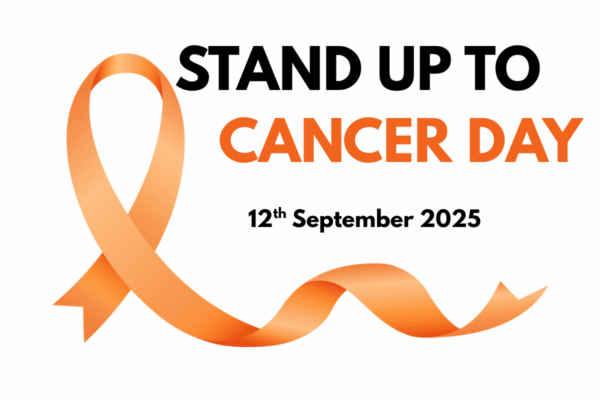
Stand Up To Cancer Day: Everything You Need to Know to Get Involved
Every September, people across the United Kingdom come together to recognise an important cause: Stand Up To Cancer Day.
Taking place this year on 12th September, the day is far more than just a date in the diary. It represents a movement that unites schools, universities, workplaces and communities in the fight against cancer.
Whether you are a student, a young professional or someone who has been touched by cancer personally, it is an opportunity to make a real difference.
What Exactly Is Stand Up To Cancer Day?
Stand Up To Cancer Day forms part of a larger campaign that aims to accelerate life-saving cancer research. Instead of being a one-off event, it acts as a rallying point, encouraging people to come together and take action.
The central mission is to raise money for research projects that can lead to better treatments and, crucially, save lives.
Over the years, the campaign has shown how small efforts – whether that’s through creative events, sponsored challenges or simple acts of generosity – can contribute to extraordinary scientific progress.
Why Awareness Matters
Cancer affects more people than many realise. In fact, one in two people in the UK will be diagnosed with cancer during their lifetime, a statistic that underlines the importance of understanding the disease.
Awareness is about more than recognising symptoms. It is also about breaking down stigma, supporting early detection and ensuring that resources for research remain a priority.
For students and young adults, it can sometimes feel like cancer is an issue for later in life, but knowledge and awareness now can help you to look after yourself and the people around you in the years to come.
Finding Ways to Get Involved
One of the most powerful aspects of Stand Up To Cancer Day is that anyone can take part, no matter their circumstances. People often find their own creative ways to join in, whether that is through school-wide themed days, community gatherings or personal challenges.
For students, simply sharing stories and information on social media can spread awareness across hundreds of people within minutes. For others, committing to personal challenges – such as sporting activities or endurance tests – often provides both motivation and a chance to encourage sponsorship from friends and family.
Even small actions, like donating a few pounds or encouraging peers to contribute, can combine to make a significant impact.
Supporting Someone Living with Cancer
Stand Up To Cancer Day is not only about fundraising, but also about human connection. If you know someone who is living with cancer, your presence and support can be incredibly meaningful.
Something as simple as spending time together, offering to help with everyday tasks or being a consistent source of encouragement can provide comfort during a challenging period.
It is equally important to acknowledge that supporting someone through illness can be emotionally demanding. Recognising when you need support yourself and making use of resources such as Macmillan Cancer Support or Cancer Research UK can help you cope and maintain your own wellbeing.
Taking Care of Your Own Concerns
Health worries can feel overwhelming, and it is normal to feel anxious if you notice something unusual in your body or if cancer runs in your family. The best step you can take is to speak to a doctor early on.
Often symptoms turn out to be harmless, but if something does require treatment, catching it early makes a huge difference. Beyond the physical aspects, it is important to remember that mental health support is also available.
Many schools, universities and workplaces have counselling services or wellbeing teams who can provide reassurance and guidance if your worries start to feel too heavy.
Why Fundraising Really Counts
When it comes to fundraising, it is easy to feel that individual efforts are too small to matter. Yet the reality is that each contribution forms part of a much larger picture.
Funds raised through Stand Up To Cancer have already supported over fifty clinical trials, giving thousands of patients access to new treatments and the hope of better outcomes.
Every conversation, every pound and every action helps to push scientific research forward, enabling discoveries that could change countless lives in the future.
Final Thoughts
Stand Up To Cancer Day on 12th September is about more than wearing an orange ribbon or making a donation. It is a collective stand against one of the most pressing health challenges of our time.
From students spreading awareness on social media, to families hosting events in their local communities, to individuals quietly supporting loved ones, everyone has a role to play. Together, these actions send a powerful message: cancer may affect many of us, but it does not define us.
This September, the invitation is clear. Whether you are raising funds, offering emotional support or simply sharing information, you are contributing to a much bigger effort. Stand Up To Cancer Day is your chance to be part of that movement – to stand together, to act with compassion and to help create a future where cancer is no longer the defining battle it is today.
Read More