Latest Posts

Getting Around Hull: Transport Tips for Students
Starting university in Hull is exciting. There’s a new city to explore, new friends to meet, and a fair few lecture halls to find your way to.
One of the first challenges students often face is figuring out how to get around without draining their entire student budget on travel. Thankfully, Hull is compact, student-friendly, and full of affordable options that make it easy to get from one place to another.
Whether you’re heading to campus, the city centre, or a night out, there are plenty of ways to travel around Hull without breaking the bank.
Taking the Bus
For most students, buses quickly become the backbone of daily travel. Hull’s main bus operators, East Yorkshire Buses and Stagecoach East Midlands, run regular services across the city and out into the surrounding suburbs.
The central hub for buses is Hull Paragon Interchange, which also connects to trains and coaches, making it simple to switch between modes of transport. From here you can easily reach the university, shopping districts, and Hull’s nightlife spots.
Students usually find that weekly or monthly travel cards are far more cost-effective than buying single tickets, especially if you’re travelling most days. Both major bus companies offer discounted student passes, which can save a substantial amount over the course of a term.
With early lectures and late nights often part of the student routine, downloading the bus company apps is a smart move. These allow you to buy tickets directly from your phone and check live times, so you’re never left wondering if the bus is still on its way.
Cycling Through the City
Hull has another advantage for students on the move: it’s one of the flattest cities in the United Kingdom. That makes cycling not only practical but also incredibly easy compared to hillier locations.
With no steep climbs to worry about, you can get across town without feeling like you’ve run a marathon, which means arriving at lectures a little less flustered.
Over the years, Hull has invested in cycle lanes and bike-friendly routes, particularly around the main corridors leading to the University of Hull. Many student houses provide bike storage, and the campus itself has secure stands so you can park up safely.
If you don’t fancy buying a bike, Hull also has bike hire schemes that are perfect for occasional journeys. Cycling is not only affordable but also one of the quickest ways to beat the traffic, and it doubles up as daily exercise without even stepping into a gym. The only thing to keep in mind is security – investing in a solid lock is essential to protect your wheels.
Walking the Compact City
Depending on where you live, walking may turn out to be the most convenient way of getting around.
Hull’s city centre is relatively compact, and it’s easy to move between shops, bars, restaurants, and student areas on foot. For many students, a fifteen or twenty-minute walk is enough to cover most of their daily needs, from lectures to social meet-ups.
Walking has the obvious advantage of being completely free, but it also lets you get to know the city in a way that buses and bikes sometimes don’t. Exploring the Old Town, with its cobbled streets and historic architecture, or strolling along the Marina makes journeys far more enjoyable.
Just be prepared for the famous Hull weather – being close to the coast, it can be windy, so having a good coat or umbrella handy is always a wise decision.
Using Trains for Escapes
Although trains aren’t particularly useful for everyday journeys within Hull, they come into their own when you fancy a change of scenery.
Hull Paragon Interchange provides connections to bigger cities such as Leeds, York, and Manchester, which makes day trips and weekend breaks straightforward. A 16–25 Railcard can help cut costs dramatically, giving you a third off fares and quickly paying for itself after just a couple of journeys.
For daily student life, you’re unlikely to need the train, but when the library walls start to feel a little too familiar, or when you need a dose of big-city energy, the rail network is your gateway out.
It’s also worth keeping in mind that rail services are handy for visiting home during the holidays if you’re not staying in Hull year-round.
Saving Money on Student Travel
Being a student is all about balancing budgets, and travel is one area where small savings can make a big difference. Choosing the right pass for buses, cycling instead of paying for short trips, and even planning routes in advance can all help stretch your money further.
While late-night buses don’t always run, taxis are a good backup option if you split the fare with friends, especially after a night out. The important thing is to have a plan so you’re not caught off guard at the end of the evening.
Walking or cycling whenever possible will naturally cut down costs, but it also means you save your cash for more exciting things, whether that’s a night out, a society trip, or even just a cheeky takeaway after lectures. Keeping a little aside for those unavoidable journeys – like a last-minute dash across town – is always sensible too.
Getting Home Safely After Nights Out
Hull has a lively nightlife scene, and knowing how to get home safely after an evening out is just as important as finding your way to lectures.
Buses usually stop before midnight, so once the clubs close, your main options are taxis, ride-hailing apps, or walking. It’s always best to travel with friends where possible, and keeping a taxi number stored in your phone makes life much easier at 2am.
If you are walking, stick to well-lit routes and keep your wits about you. Hull is generally a welcoming city, but late at night, it’s better to be cautious.
A Student-Friendly City
When you piece everything together, Hull really is an easy place for students to navigate.
The buses are regular and affordable, cycling is straightforward thanks to the flat landscape, walking is practical for short trips, and trains give you an escape route when you need one. Most importantly, you don’t need to spend a fortune to get around.
As you settle into life at university, you’ll quickly discover which modes of transport suit your lifestyle best. Some students rely almost entirely on their bikes, while others get their money’s worth from bus passes. The beauty of Hull is that the choice is flexible, and the distances never feel overwhelming.
Final Thoughts
Getting around Hull doesn’t need to be complicated. Think of it as part of the student adventure: learning the quickest shortcuts, working out which buses to avoid when they’re packed, and making the most of the money-saving travel options on offer.
With a mix of buses, bikes, trains, and your own two feet, you’ll soon know the city inside out. More importantly, you’ll feel at home moving around, which means more time enjoying student life and less time worrying about how to get from A to B.
Read More

Getting Around Birmingham: Transport Tips for Students
Navigating a new city as a student can be both exciting and overwhelming.
Birmingham, being the UK’s second-largest city, offers a wide range of transport options – from fast trains to scenic cycle paths. But with all those choices, how do you know which one is best for your budget, your time, and your student lifestyle?
Whether you’re commuting to lectures, heading to the Bullring for some retail therapy, or just off to meet mates in Digbeth, this guide has you covered with easy and affordable transport tips.
1. Buses: The Student Staple
Let’s start with the basics – buses. Chances are, you’ll end up using them a lot.
Birmingham’s main bus operator is National Express West Midlands, and they offer a reliable service across the city and beyond. Popular routes run regularly through the University of Birmingham campus, the city centre, and major student housing areas like Selly Oak, Edgbaston and Harborne.
For students, the Student Bus Pass is an absolute game-changer. It offers unlimited travel across the bus network, with flexible term-time and yearly options. You can get a pass through the NX Bus app or website, and it’s usually cheaper than buying single tickets every day.
Plus, many buses now have Wi-Fi and charging ports – perfect for catching up on podcasts (or last-minute revision) during your journey.
Pro tip: Always tap in with your card or app and never forget to carry your student ID if you’re using student tickets. Conductors do check!
2. Trains and Trams: For Speed and Convenience
If you’re travelling across longer distances – say from Birmingham New Street to Coventry, or commuting from suburbs like Sutton Coldfield or Solihull – the train is your best bet. Birmingham has several main train stations including New Street, Snow Hill, and Moor Street, all of which are well connected.
Students can get a 16–25 Railcard, which knocks a third off standard rail fares. If you’re booking online, be sure to select the railcard option to see the discounted prices. Trains are especially handy for weekend trips or getting home during term breaks.
Another growing favourite in the city is the Midland Metro tram, which links central Birmingham to Wolverhampton and several key neighbourhoods. It’s clean, quick, and rarely stuck in traffic. With trams running through places like Westside, Jewellery Quarter, and soon expanding further, it’s worth keeping an eye on the tram map if you live or study nearby.
3. Cycling: The Green Way to Go
If you fancy a more active and eco-friendly option, cycling around Birmingham is a solid choice. The city has been making big strides in creating better cycle infrastructure with new cycle lanes, bike parking spots, and even dedicated cycle highways popping up in recent years.
Students can invest in a second-hand bike through local sellers or university forums – just make sure it’s roadworthy. You’ll also want a good lock and lights (not just for safety, but because it’s the law). If you’re not up for owning a bike, West Midlands Cycle Hire offers rental bikes dotted across the city. Just download the app, unlock a bike, and off you go!
Bonus tip: Cycling along the canal routes offers some of the most scenic commutes in Birmingham. Just be careful of joggers, ducks, and the occasional slippery patch!
4. Walking: Still Underrated
When you’re living and studying in places like Selly Oak, Aston, or Digbeth, you’ll be surprised how walkable Birmingham can be. Not only is walking a great way to save cash, but it’s also the best way to discover hidden gems – indie cafés, pop-up markets, murals, and quiet green spaces.
Apps like Citymapper or Google Maps can help you estimate walking times and choose the safest or quickest routes. Just make sure to stay alert, especially in the evenings – and it’s always safer walking with friends when possible.
5. Budget-Friendly Tips for Students
Let’s face it – transport costs can add up. But there are ways to save money without cutting corners:
- Get a Student Oyster Card equivalent: While Birmingham doesn’t use the Oyster system, Swift Cards by Transport for West Midlands work similarly and are accepted on buses and trams. You can top them up online and load student discounts onto them.
- Use travel apps: Download NX Bus, Trainline, Citymapper, and Swift to plan journeys, check timetables, and access the best prices.
- Split costs with friends: Travelling together? Some taxi apps like Uber or Bolt allow ride-sharing. If you need a ride late at night, splitting the fare is cheaper and safer.
- Keep an eye out for university travel schemes: Some Birmingham universities offer free or discounted travel passes as part of bursary packages or as incentives for greener commuting. Check with your student union or university website.
6. Getting to the Airport or Out of the City
Planning a weekend trip or flying back home? Birmingham Airport is well-connected by train (via Birmingham International station) and has direct bus links too.
Budget coach companies like Megabus and National Express also operate routes to London, Manchester, and beyond – often with prices as low as a few quid if booked early.
Final Thoughts: Travel Smart, Travel Safe
Birmingham is a diverse, exciting city, and once you get the hang of the transport options, getting around becomes second nature.
Whether you’re jumping on a student-priced bus, gliding through town on a tram, or cruising along a canal path on your bike, you’ve got plenty of ways to explore – without breaking the bank.
So keep your travel cards charged, your student ID handy, and your sense of adventure ready – because Birmingham has a lot to offer, and getting around is just the beginning.
Read More
Getting Around Bath: Transport Tips for Students
Bath is one of the UK’s most picturesque cities, with its Roman baths, stunning Georgian architecture, and charming cobbled streets.
But when you’re new to the city – or just trying to find the best way to get to lectures on time – figuring out how to get around can feel like a bit of a mission. Luckily, once you understand your transport options, Bath becomes easy to navigate, whether you’re heading to campus, meeting friends in town, or planning a weekend trip away.
This guide offers a breakdown of the best transport options available to students in Bath, helping you travel smart, stay on budget, and make the most of your time in this historic city.
Buses: The Backbone of Student Travel
For many students, the bus is the go-to mode of transport in Bath, especially if you’re living a little further out from campus or the city centre.
First Bus is the main provider, and they run several key routes across the city and to the universities. The U1 and U2 buses are designed with students in mind, running regularly between the University of Bath, the city centre, and popular student neighbourhoods like Oldfield Park and Twerton.
These buses are frequent during term time and are particularly busy in the mornings and late afternoons as students head to and from lectures. It’s worth downloading the First Bus app to check real-time schedules, buy tickets, and plan your journeys.
Here’s a little tip, if you’re commuting regularly, getting a student pass or a termly ticket can save you a fair bit of money.
For students at Bath Spa University, there are also well-connected bus routes from the city centre out to the Newton Park campus. While the ride takes a little longer, it’s a reliable and budget-friendly option.
Walking: The Scenic Route
One of Bath’s biggest advantages is that it’s compact. Many of the city’s most important locations – shops, cafes, accommodation, and lecture halls – are within walking distance of each other.
For those lucky enough to live near the city centre or campus, walking is often the easiest and most scenic way to get around.
You’ll quickly find that walking not only saves money but also gives you the chance to take in the beauty of the city. From a casual stroll past the Royal Crescent to a detour through Sydney Gardens, walking allows you to discover hidden gems you might otherwise miss.
That said, it’s worth preparing for the city’s famously steep hills. A good pair of trainers or waterproof boots is a must, particularly when the weather turns.
Cycling: Fast, Fit, and Flexible
Bath is steadily improving its cycling infrastructure, and for students looking for a speedy, environmentally friendly way to get around, cycling can be a great choice.
The University of Bath has made cycling easier with bike racks, maintenance stands, and even shower facilities for commuters. The Two Tunnels Greenway is one of the city’s best-loved cycle routes, offering a traffic-free journey through beautiful countryside and disused railway tunnels.
However, the hilly terrain and some narrow, busy roads mean that cycling in Bath isn’t always the easiest option for beginners. If you’re confident on the road and don’t mind a bit of a workout, it’s well worth considering.
There are also local bike workshops and community schemes that offer affordable second-hand bikes and repairs, which can help you get set up without a big upfront cost.
Trains: Your Link to the Outside World
For those times when you need to escape the city, visit friends, or head home for the holidays, Bath Spa railway station is right in the heart of the city. Trains connect you to Bristol, London, Cardiff, Reading and beyond, making weekend trips and day excursions easy to organise.
Rail travel is more expensive than other local transport options, but there are ways to save. Getting a 16–25 Railcard gives you a third off most train fares, and if you’re travelling in groups, split-ticketing and advance bookings can help reduce the cost even further.
It’s especially useful for students who travel frequently or have regular commitments outside of Bath.
Taxis and Ride-Sharing: When You Need a Lift
While not the most budget-friendly way to get around, taxis and ride-share services like Uber or Bolt are useful from time to time – particularly after a night out or when the buses have stopped running.
Bath has local taxi firms too, and many students opt to split the cost of a cab with friends when it makes sense.
These services aren’t always immediately available during busy times, so it’s best not to rely on them for everyday travel. Still, it’s helpful to have a taxi number saved in your phone for emergencies or late nights.
Making the Most of Your Travel Budget
As a student, every pound counts – so it helps to make your travel budget stretch as far as possible.
Always carry your student ID and look out for transport deals and discounts. Universities in Bath often offer travel schemes in partnership with local transport providers, so keep an eye on emails and noticeboards for updates on offers.
Using transport apps to check routes, delays, and service updates can help you avoid getting caught out. Google Maps, Citymapper, and the First Bus app are all good tools to have on hand.
Another little tip, if you’re planning your week ahead, try grouping errands or classes on certain days to minimise travel costs.
Final Thoughts: Travel Smart, Explore More
Living and studying in Bath means you’re surrounded by beauty, history, and opportunity – and with the right transport choices, the whole city becomes accessible.
Whether you’re walking across Pulteney Bridge, catching the U1 to campus, or cycling through leafy parks, you’ll quickly learn what works best for your lifestyle and schedule.
Bath’s charm lies not just in its stunning buildings, but in its liveable size and easy pace. So take a little time to explore, experiment with your routes, and find your rhythm. Before long, you’ll be navigating the city with ease – and probably helping the next new student figure it out too.
Read More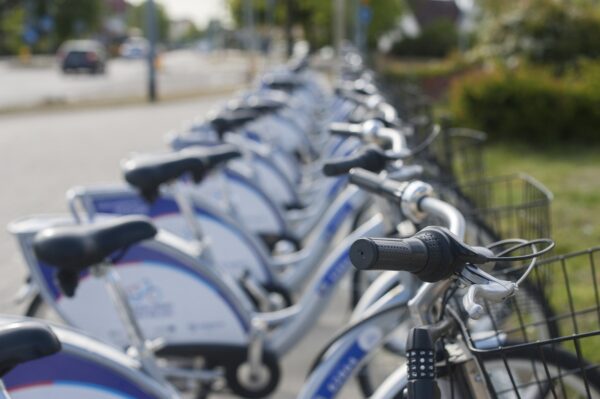
Getting Around Bristol: Transport Tips for Students
Bristol is one of the United Kingdom’s most vibrant student cities – creative, buzzing, and full of energy.
But whether you’re new to the city or returning for another academic year, knowing how to get around can make a big difference to your daily life. With its mix of historic charm and modern convenience, Bristol offers a variety of transport options that suit every student’s lifestyle and budget.
From buses and bikes to walking routes and weekend getaways, here’s your essential guide to navigating Bristol with ease.
Buses: Your Everyday Travel Companion
The bus network in Bristol is a lifeline for many students, especially those living a little further from campus or commuting between university sites.
Operated mostly by First West of England, the bus services cover almost every corner of the city. For students at the University of Bristol or UWE (University of the West of England), there are specific routes that cater to the student population.
Services like the U1 and U2 connect university buildings and halls with key city areas, while other popular routes, such as the 70, 71, 75, and 76, link the city centre with UWE’s Frenchay and Glenside campuses.
Most students opt for a term-time or monthly student bus pass to keep costs down. These can be purchased through the First Bus app, which also allows you to view real-time timetables and journey planners – a real lifesaver on rainy mornings.
What’s more, if you’re only using buses occasionally, there are flexible bundles available to suit part-time travel too.
Walking: A Surprisingly Scenic Option
One of the best things about student life in Bristol is that many of the main areas are comfortably walkable.
If you’re living in areas like Clifton, Redland, Cotham, or even Gloucester Road, chances are your daily journey to lectures or the library can be done on foot. Not only is walking free, but it also gives you a chance to discover the city’s hidden gems – from quirky independent shops to eye-catching street art on every corner.
Walking is also a great way to build up a sense of direction in a new city. That said, it’s worth preparing for Bristol’s infamous hills – especially Park Street and St Michael’s Hill, which can be a challenge if you’re running late or carrying a backpack full of books.
A top tip that will more than likely be useful would be to purchase a good pair of shoes and a lightweight waterproof jacket, as they are highly recommended.
Cycling in the UK’s First Cycling City
Bristol was the first UK city to be officially named a “Cycling City”, and it lives up to that title.
With its growing network of dedicated cycle paths and bike-friendly roads, cycling has become an increasingly popular mode of transport for students. It’s quick, environmentally friendly, and helps you avoid crowded buses during peak times.
If you don’t have your own bike, there are still plenty of options. The YoBike scheme offers affordable cycle hire through a smartphone app, letting you unlock bikes scattered across the city for short trips.
For something more long-term, The Bristol Bike Project refurbishes second-hand bikes at budget-friendly prices – a great way to support local initiatives while getting around affordably.
Make sure to invest in a good lock and always park your bike securely. A helmet and high-visibility accessories are also smart choices, especially during Bristol’s darker, rainier months.
Exploring Further: Trains and Coaches
When you need to travel beyond Bristol – whether it’s heading home for the holidays or planning a weekend adventure – the city’s transport links won’t let you down.
Bristol Temple Meads is the city’s main rail station, offering direct services to London, Cardiff, Birmingham, and many other major destinations. UWE students might also find Bristol Parkway more convenient, particularly for journeys towards the Midlands and North of England.
To make the most of these services, it’s worth investing in a 16–25 Railcard, which gives a third off most train fares. Combine that with booking in advance, and you can travel on a student budget with no problem.
If train prices still feel steep, long-distance coaches like National Express and Megabus offer cheaper alternatives – just be ready for a longer journey.
Budget-Friendly Tips for Everyday Travel
Getting around Bristol doesn’t have to break the bank. The key is to take advantage of student discounts and plan your routes in advance. Most transport services offer student fares, and using apps like First Bus, Trainline, or Voi (for e-scooter hire) can help you track timings and find the best deals.
Traveling during off-peak hours can also save money, especially on trains. Some students also join university or community Facebook groups to share lifts for out-of-town trips, which is not only cost-effective but a great way to meet people.
And of course, walking remains the most reliable and budget-friendly option – no delays, no tickets, no stress.
Making Bristol Yours
Ultimately, the best way to get around Bristol depends on your personal schedule, where you live, and your lifestyle.
Whether you’re cycling to campus in the morning, catching a bus to meet friends in the evening, or strolling back from a late library session, Bristol has a transport option that works for you.
Learning how to navigate the city early on will save you time and money in the long run – and help you make the most of everything this creative and colourful city has to offer. So explore your routes, test your options, and settle into your new rhythm.
Bristol is all yours – go enjoy it.
Read More