Latest Posts
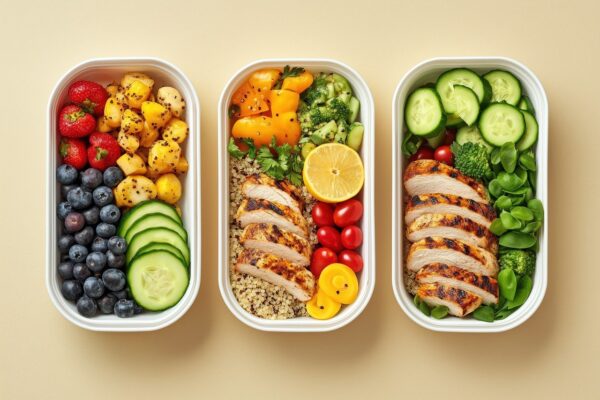
The Ultimate Student Meal Plan on a Budget
If your money seems to vanish somewhere between rent, travel, and the odd “I deserve a treat” coffee, you’re not alone.
The cost-of-living squeeze has made food shopping feel like a weekly puzzle – and takeaway temptation is always lurking. The good news is that a simple meal plan can cut your spending fast, reduce food waste, and save you from that nightly question: “What on earth am I eating?”
Think of meal planning less like being strict, and more like giving yourself options. The goal isn’t gourmet perfection. It’s cheap, filling, reasonably healthy meals that can flex around your timetable, your kitchen setup, and your budget.
The Golden Rules of Budget Eating
Before you build a plan, get the foundations right.
Budget meals work best when you repeat ingredients across different dishes, rather than buying a random item for one recipe and never touching it again. Pick a handful of “base” staples you can remix: rice, pasta, tortillas, oats, tinned tomatoes, beans, frozen veg, eggs, and a couple of sauces or spices.
The second rule is to plan around what’s discounted. If you choose meals first and shop second, you’ll pay full price more often. Flip it: check offers, reduced sections, and what’s in your cupboards, then build meals around that.
Finally, use your freezer like a best friend. Frozen veg is often cheaper, lasts longer, and stops you binning sad limp peppers on day five.
A One-Week Budget Meal Plan That Actually Feels Like Food
This plan is designed to use overlapping ingredients so you can shop once and cook smart. It assumes you’ll cook 3–4 times and rely on leftovers.
Breakfast rotation (pick one each day):
Overnight oats with banana or frozen berries; peanut butter toast; or porridge with cinnamon. If you want extra protein, add yoghurt (often good value in larger tubs).
Lunch rotation (leftover-powered):
Leftover chilli in a wrap; pasta salad using fridge bits; or “soup and toast” using batch-cooked lentil soup.
Dinners (7-day mix):
Start with a simple veggie chilli made from kidney beans, tinned tomatoes, onions, frozen mixed veg, and spices. Eat it with rice one night, then use leftovers in wraps the next day. Midweek, cook a big tomato pasta with lentils stirred into the sauce for a cheap protein boost. Later, go for fried rice using leftover rice, frozen veg, and eggs – it’s fast, filling, and ideal when you’re tired. Finish the week with jacket potatoes topped with beans and a little cheese, plus a side of whatever veg you have left.
If you eat meat, you can add one budget protein option such as chicken thighs or minced meat and stretch it across two meals. If you’re leaning into Veganuary, swap meat for lentils, chickpeas, tofu, or plant mince depending on what’s on offer.
The Budget Shopping List That Covers the Week
A smart basket isn’t about buying “cheap food”. It’s about buying food that can become multiple meals.
Core carbs like oats, rice, pasta, and potatoes form the base. Tinned tomatoes, beans, chickpeas, and lentils give you variety without costing much. Frozen mixed veg, peas, and spinach can carry you through the week without waste.
Add onions and garlic for flavour, plus a couple of “boosters” such as stock cubes, curry powder, soy sauce, or a jar of pasta sauce (only if discounted). For flexible protein, eggs are usually the easiest option – and for plant-based, look for tofu and pulses on multi-buy deals.
Local Shopping Tips That Save Real Money
Big supermarkets can be convenient, but they’re not always your cheapest route.
If you’ve got one nearby, a budget supermarket is often worth the switch for staples, frozen food, and basics like oats, pasta, rice, and tins. The bigger saving, though, often comes from how you shop rather than where.
Reduced sections are your secret weapon, especially in the evening. If you see reduced bread, freeze it. If you find reduced veg, chop and freeze it. Apps that list end-of-day surplus from local shops can also turn up bargain bags – great if you’re flexible with what you cook.
For fresh fruit and veg, local markets and independent greengrocers can be cheaper than you’d expect, particularly for “odd-looking” produce that tastes the same. Asian and Middle Eastern supermarkets can be brilliant for big bags of rice, lentils, chickpeas, spices, and sauces at lower cost.
And if you’re shopping near campus, don’t ignore corner shops entirely – they can be handy for “top-up” items, but try not to do your full weekly shop there unless you’ve compared prices.
How to Make Veganuary Easy (Even If You’re Not Fully Vegan)
Veganuary doesn’t have to be all-or-nothing. If you want to get involved without spending loads, focus on meals that are naturally plant-based rather than relying on expensive substitutes.
Beans on toast, lentil bolognese, chickpea curry, veggie chilli, and peanut butter oats are already Veganuary-friendly and budget-friendly.
If you do want a couple of swaps, choose the ones that stretch. Plant milk is often best value in larger cartons and works for porridge and coffee. Tofu can be cheaper than meat per portion when used in stir-fries and curries. And lentils are arguably the ultimate student protein: cheap, filling, and easy to hide in sauces.
The 30-Minute “Student Meal Prep” Routine
Set one hour aside once a week. Cook a pot of rice, a big chilli or curry base, and one pasta sauce. Portion some into containers and freeze two servings immediately. That way, even if your week goes chaotic, you’ve got backup meals that cost less than a single takeaway.
Meal planning isn’t about being perfect – it’s about being prepared. With a simple plan, a smart shop, and a few flexible recipes, you can eat well, spend less, and still have room in the budget for the fun bits of student life.
Read More
Veganuary: What Is It, Are You Ready For It?
Veganuary is a public challenge that encourages people to try a vegan diet for the month of January.
The concept is simple: for 31 days, you swap animal products (meat, fish, dairy, eggs and often honey) for plant-based alternatives, and see how you get on.
For some people it’s a reset after December’s “everything beige and covered in cheese” era. For others it’s a curious experiment, a money-saver, a health kick, or a small lifestyle change that feels more doable when there’s a set start and finish line.
It’s also worth saying: Veganuary doesn’t have to be an all-or-nothing personality transplant. You can do it properly, you can do it imperfectly, you can do it with training wheels (hello, vegan nuggets), and you can take what you learn and keep the bits that actually fit your life.
What Counts as “Vegan” (and What Catches People Out)
A vegan diet avoids animal-derived foods. That means no meat or fish, but also no milk, cheese, butter, yoghurt, eggs, or ingredients made from them.
Where people get caught out is usually in the “hidden bits” rather than the obvious ones. Things like whey, casein and lactose are dairy-derived and pop up in snacks, crisps, chocolate, sauces and even some breads.
Eggs can be tucked into baked goods and pasta. Gelatine turns up in sweets and some desserts. And if you’re used to chucking pesto or Caesar dressing onto everything, those are common “oops” items too.
The good news is that this is the easiest it’s ever been. Most supermarkets clearly label vegan products, and once you’ve done a couple of shops you start building a mental list of what’s safe, what’s a maybe, and what’s a hard no. It gets simpler quickly.
Why People Try Veganuary in the First Place
People join for all sorts of reasons, and you don’t need to pick just one.
Some are motivated by animal welfare and ethics, wanting their food choices to line up more closely with their values. Others are thinking about the environment and want to reduce the impact of what they eat.
Plenty of people are curious about how they’ll feel with more plants in the mix, or they want a gentle nudge into better cooking habits after a heavy December. And yes, some people just love a structured challenge. January has big “fresh notebook” energy, and Veganuary gives you an actual plan rather than vague good intentions.
The key is choosing a “why” that’s personal and realistic. If your goal is to feel less sluggish and cook a few more meals at home, that’s a brilliant reason. If your goal is to become a perfect plant-based saint overnight, that’s… a fast track to eating toast and resenting everyone.
The Benefits People Often Notice (and What’s Not Guaranteed)
A lot of people report feeling lighter, more energised, and less “bloated” when they increase their fibre and plant intake. Some find their cooking becomes more varied because they’re forced out of the same old routine.
If you’re used to meals built around a slab of meat plus a side, plant-based eating often nudges you towards bowls, curries, chilli, stir-fries and traybakes that are naturally packed with veg, beans and grains.
That said, vegan doesn’t automatically mean healthy. You can absolutely live on chips, biscuits and ultra-processed vegan treats and still technically “do Veganuary”.
The benefits tend to show up when your meals include a decent mix of whole foods: beans, lentils, tofu, vegetables, fruit, wholegrains, nuts and seeds. Think “more plants” rather than “just swap the same diet for vegan versions of it”.
Common Worries (and the Simple Fixes)
Most Veganuary wobble points are predictable, which is great because it means you can plan for them.
“Will I get enough protein?” – If you’re eating beans, lentils, chickpeas, tofu, tempeh, edamame, quinoa, nuts, seeds and even things like oats and wholegrain bread, you’re doing fine. The bigger challenge is often getting enough overall food, not protein specifically. Add a protein element to each main meal and you’ll be in a good place.
“What about calcium and iron?” – Calcium is easy if you choose fortified plant milks and yoghurts (many are fortified like dairy milk). Leafy greens, tofu set with calcium, and sesame/tahini help too. For iron, beans, lentils, chickpeas, tofu, spinach, pumpkin seeds and dried fruit are useful. Pair iron-rich foods with vitamin C (peppers, citrus, broccoli) to help absorption.
“I don’t want to be hungry all the time.” – Hunger usually happens when meals are too light. Build meals with a base (rice, pasta, potatoes, bread), a protein (beans/tofu/lentils), plenty of veg, and a bit of fat (olive oil, avocado, nuts). That combo keeps you full and stops the 4pm snack spiral.
“Isn’t it expensive?” – It can be if you rely heavily on speciality products. It’s often cheaper if you lean into staples: lentils, chickpeas, beans, frozen veg, rice, oats, pasta, potatoes and seasonal veg. Treat the fancy vegan cheese as a “sometimes”, not a daily essential.
How to Actually Prepare Without Overthinking It
The easiest way to start is not by changing everything, but by picking a few reliable meals you genuinely like.
If you’ve got breakfast, lunch and two or three dinners sorted, you’re basically covered. You can then experiment from a calm place instead of standing in the fridge at 8pm Googling “how to make tofu not sad”.
A helpful approach is the “swap and upgrade” method. Swap cow’s milk for a fortified plant milk you enjoy (oat is a popular starting point). Swap mince for lentils in a chilli. Swap chicken for chickpeas in a curry. Keep the flavour structure the same – garlic, onion, spices, herbs, sauces – and you’ll feel less like you’re learning food from scratch.
A Realistic 3-Day Starter Plan (No Weird Ingredients Required)
You don’t need a perfect meal plan, but having a simple template can take away decision fatigue.
Day 1 could be porridge with banana and peanut butter, a hummus and salad wrap for lunch, then a lentil bolognese for dinner.
Day 2 could be toast with avocado and tomatoes, leftover bolognese or a bean salad for lunch, then a chickpea curry with rice for dinner.
Day 3 could be overnight oats, a veggie soup with crusty bread for lunch, then a stir-fry with tofu or edamame for dinner.
Once you’ve done a few days like that, you’ll realise it’s not mysterious. It’s just food – slightly rearranged.
Navigating Social Life, Work Lunches and Eating Out
Veganuary gets tricky when you’re away from your own kitchen, so it helps to have a few tactics.
If you’re going out, check the menu before you arrive. If you’re eating at someone’s house, give them an easy request rather than an essay. Something like, “I’m doing Veganuary – honestly anything like pasta with tomato sauce, a veggie curry, or a bean chilli is perfect” usually goes down well.
For work lunches, keep it boringly practical. Soup, leftovers, a bean wrap, a falafel salad, or a peanut butter sandwich with fruit on the side are all easy wins. The goal is consistency, not culinary theatre.
And if you’re worried about being “that person”, remember: you can be calm about it. You don’t need to explain your whole philosophy. A simple “I’m trying it for January” is enough.
The “Are You Ready?” Checklist
You’re ready for Veganuary if you can say yes to most of these:
- You can name two breakfasts you’d happily eat.
- You know one plant milk you like.
- You’ve got three dinners that feel filling (not just salads).
- You’re willing to read labels for the first week.
- You’ve accepted you might mess up once and continue anyway.
If that sounds manageable, you’re ready. If it sounds overwhelming, start smaller: do vegan weekdays, or aim for two vegan meals a day, or simply cook three plant-based dinners per week in January.
Plenty of people ease in and still get loads out of it.
What Happens After January?
The best part of Veganuary isn’t “winning” January. It’s noticing what genuinely improves your life.
Maybe you discover you love oat milk in coffee, or you become obsessed with a lentil chilli, or you realise you don’t miss meat at home but you still want cheese on a Friday night. That’s fine. The point is you’ve tested it for yourself, not just formed an opinion from a distance.
If you finish the month and want to keep going, great. If you finish and decide you’re more of a “mostly plant-based” person, also great. Either way, you’ll come out of it with new recipes, a better understanding of nutrition, and a clearer sense of what your version of “healthy and sustainable” looks like.
Final Thoughts: Make it Doable, Then Make it Yours
Veganuary works best when it feels like an experiment, not a punishment.
Keep it simple. Focus on meals you actually enjoy. Don’t let perfectionism ruin your momentum. And remember: you’re not signing a lifelong contract – you’re giving yourself 31 days to learn something useful about your food, your habits and your routines.
If you want, you can also create a Veganuary-friendly shopping list and a “lazy weeknight dinners” set of recipes that fit a normal United Kingdom supermarket shop.
Read More