Latest Posts
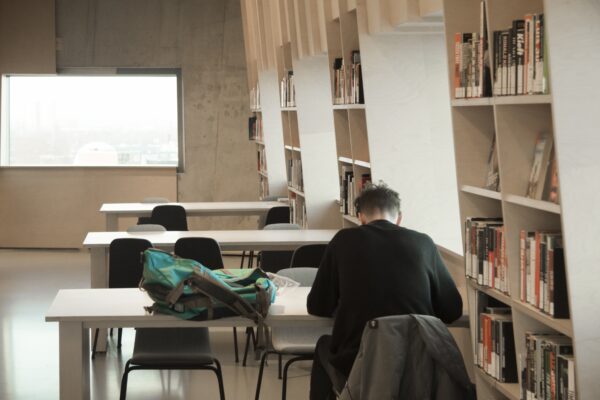
Students, Sunshine and Sleep Schedules: The May Habits That Can Throw Off Exam Performance
May can be one of the strangest months in the student calendar. The weather starts to improve, days feel longer, social plans become more tempting, and yet, for many students across the United Kingdom, it is also the height of exam season.
From undergraduates at the University of Manchester and University of Leeds to students in Loughborough, Nottingham, Bristol, Sheffield and beyond, May often brings the same challenge: trying to stay focused while everything outside suddenly feels more alive.
While revision timetables, lecture notes and exam technique all matter, lifestyle habits can quietly shape how well students perform. Sleep, routine, sunlight, food, stress and social distractions can all influence concentration, memory and energy levels.
The good news is that small changes can make a noticeable difference.
Why May Can Be a Difficult Month for Student Routines
During winter, student life often naturally becomes more structured. Darker evenings, colder weather and fewer outdoor plans can make it easier to stay indoors and settle into study mode. May changes that.
Longer daylight hours can make evenings feel earlier than they really are. A quick walk, a drink with housemates, a barbecue, a spontaneous trip to the park or an extra hour scrolling in bed can all push bedtime later without students realising how much their routine has shifted.
For students living in busy university cities such as Birmingham, Leicester, Newcastle or Cardiff, the atmosphere can also become more social as the weather improves. Outdoor spaces fill up, student areas become busier, and there is often a sense that summer has already started, even when exams are still ongoing.
This is where the problem begins. Students may still be putting in revision hours, but if sleep quality drops, meal timings become inconsistent and the day loses structure, exam preparation can become less effective.
The Sleep Schedule Problem
Sleep is one of the most underrated parts of exam performance. Many students understand that all-nighters are not ideal, but the issue is not always as extreme as staying awake until 4am. More often, it is a gradual shift.
A student may go to bed at midnight one night, 1am the next, then sleep in later, skip breakfast and begin revision feeling foggy. By the end of the week, their body clock is out of rhythm.
This matters because memory consolidation, attention span and emotional regulation are all closely linked with sleep. A student who is tired may still revise, but they may take longer to absorb information, become more easily distracted and feel more overwhelmed by normal exam pressure.
For students at universities with large campus environments, such as the University of Warwick or the University of York, it can be tempting to use green spaces and longer evenings as a way to unwind. That can be helpful, but only if it does not start pushing sleep later and later.
A sensible approach is to keep a consistent wake-up time, even during revision weeks. This does not mean being rigid every day, but it does mean protecting the body’s rhythm. Going to bed and waking up at roughly the same time can help students feel more alert when it matters.
Sunshine Is Helpful, But Timing Matters
Sunshine can be brilliant for wellbeing. It can lift mood, encourage movement and give students a much-needed break from screens and library sessions. In May, this can be especially valuable after months of grey weather.
However, sunshine can also trick students into losing track of time. A short break outside can become a full afternoon. A late evening walk can turn into a late-night social plan. Sitting outside with revision notes can feel productive, even if very little focused work is actually happening.
The answer is not to avoid sunshine. In fact, students should use it wisely. Morning daylight can help regulate the body clock and improve alertness. A walk before a study session, breakfast near a bright window or a short outdoor break between revision blocks can all be useful.
For students in cities such as Edinburgh, Exeter or Oxford, where outdoor spaces are often part of student life, the key is to make sunshine part of the routine rather than a replacement for it.
Social Plans Can Quietly Drain Focus
May is also when social opportunities increase. Housemates may be finishing coursework at different times, friends may have lighter exam schedules, and some students may already feel like the academic year is winding down.
This can create pressure to join in, even when revision still needs attention. The issue is not socialising itself. Seeing friends, laughing, relaxing and stepping away from revision can support mental health. The problem comes when social plans become unplanned, late or frequent enough to disrupt recovery.
Students may benefit from deciding in advance when they will socialise. For example, they might protect two evenings a week for proper downtime, while keeping the night before an exam calm and predictable. This gives the brain a break without allowing the week to become chaotic.
Food, Caffeine and Energy Crashes
Exam season often brings irregular eating. Some students skip meals because they are stressed. Others snack constantly while revising. Many lean heavily on coffee, energy drinks or late-night takeaways.
In the short term, caffeine and sugar can feel like quick solutions. But they can also contribute to energy crashes, poor sleep and anxiety-like symptoms. A student who feels shaky, restless or wired may assume they are simply nervous about exams, when their routine may be adding to the feeling.
Simple meals can make a difference. Students do not need perfect nutrition during exam season, but they should aim for regular meals with enough protein, slow-release carbohydrates and water. A jacket potato with tuna, eggs on toast, pasta with vegetables, yoghurt and fruit, or a simple rice bowl can all be realistic student-friendly options.
Hydration also matters, particularly as the weather warms. Even mild dehydration can affect concentration and headaches, which is the last thing students need before an exam.
Protecting Mental Health During May Exams
For some students, May is not just busy; it is emotionally heavy. The pressure to perform, worries about final grades, financial stress, homesickness or uncertainty about summer plans can all build up.
Universities across the UK, from King’s College London to the University of Glasgow, typically offer wellbeing services, academic support teams, personal tutors or student union advice.
Students should not wait until they feel at breaking point before asking for help.
Small protective habits also matter. This could include getting outside daily, keeping the bedroom tidy enough to sleep well, using a realistic revision plan, avoiding comparison with other students and taking proper breaks without guilt.
It is also worth remembering that productivity does not mean studying every available hour. A rested student who revises in focused blocks may perform better than someone who spends ten exhausted hours at a desk.
A Better May Routine for Exam Performance
The most effective May routine is not boring, strict or unrealistic. It simply gives students enough structure to protect their brain during a demanding period.
A good routine might include waking up at a similar time each day, getting morning daylight, revising in timed blocks, eating proper meals, limiting caffeine later in the day, planning social time in advance and keeping the final hour before bed calm.
Students can still enjoy the sunshine. They can still see friends. They can still make the most of living in some of the UK’s best student cities. But during exam season, the aim is balance.
May can feel like summer is calling early. For students, the challenge is to enjoy that energy without letting it quietly damage sleep, focus and performance. With a few sensible habits, the month can become less of a battle between wellbeing and revision, and more of a reminder that looking after yourself is part of doing well.
Blogs you may also like:
- Second Semester Reset: How to Set Up Your Space for Better Sleep, Study and Wellbeing
- National Wellness Month: How to Prioritise Yourself
- How to Prepare for End-of-Tenancy Without Wrecking Your Exam Routine

How to Prepare for End-of-Tenancy Without Wrecking Your Exam Routine
For a lot of students, the end of the academic year comes with two kinds of pressure at exactly the wrong time.
On one side, there are revision plans, deadlines, library sessions and the mental load of exams. On the other, there is the reality of moving out: cleaning, sorting bills, returning keys, protecting your deposit and figuring out what stays, what goes and what needs replacing.
It is a frustrating overlap, and one that catches plenty of students out. Whether you are studying at the University of Birmingham, the University of Leeds, the University of Nottingham or Durham University, the pattern is familiar. Just as revision starts becoming serious, the tenancy clock starts ticking louder too.
The good news is that end-of-tenancy does not have to destroy your routine. The students who cope best are not always the most organised people in general. They are usually the ones who stop treating moving out like one giant task and start handling it in smaller stages.
That approach protects your focus, reduces stress and gives you a much better chance of leaving the property in good condition without sacrificing exam performance.
Why end-of-tenancy feels so overwhelming in exam season
The reason this period feels so intense is because it combines practical pressure with mental fatigue.
Revision already takes planning, memory, discipline and energy. End-of-tenancy tasks demand a different kind of focus: admin, communication, cleaning, logistics and decision-making.
That clash is what makes students feel like everything is urgent at once. You may need to revise for an exam while also replying to your landlord, working out who bought the microwave, checking the meter readings and wondering whether the marks on the wall count as damage or fair wear and tear.
In student cities such as Sheffield, Bristol, Manchester and Leicester, this overlap is part of the yearly cycle. Yet many students still leave the tenancy side too late because exams feel more important in the moment.
That is understandable, but leaving everything until the final few days tends to create panic, rushed cleaning and mistakes that can affect both your deposit and your concentration.
Start earlier than feels necessary
One of the simplest ways to protect your exam routine is to start your end-of-tenancy prep earlier than you think you need to. Not because you should spend hours on it every day, but because early action turns a major disruption into a manageable background task.
About three to four weeks before moving out, it helps to look back through your tenancy agreement and remind yourself what is actually expected.
This is the stage where you check move-out dates, notice requirements, cleaning responsibilities, rubbish disposal rules and any instructions around key return. If you wait until the last week, even basic admin can suddenly feel exhausting.
This is also the time to identify any obvious issues in the house or flat. A missing chair, stained carpet, broken blind or damaged cupboard door is much easier to deal with when you still have some breathing room.
Students at places like the University of Warwick or Loughborough University often live in shared student houses where responsibility can become blurred. Starting early gives you time to work out what belongs to whom and what needs sorting before tensions rise.
Build a “moving out hour” into your week
Trying to tackle tenancy tasks randomly between revision sessions rarely works well. It usually means the jobs hang over you all day, which makes it harder to settle into proper study.
A better approach is to block out a specific hour two or three times a week for move-out tasks only.
That hour might be used for photographing the property, clearing one shelf, washing soft furnishings, emailing the letting agent or dealing with shared kitchen items. The point is not to do everything at once. The point is to stop tenancy stress from leaking into every hour of your day.
This matters because exam revision depends heavily on rhythm. Students often perform better when their days have some consistency.
If you are at the University of York or the University of Exeter and spending long stretches in the library, for example, it is far better to know that tenancy tasks are scheduled for later than to keep mentally rehearsing them while you are meant to be revising.
Treat your room first, then the shared spaces
When students are stressed, shared houses can become messy very quickly. Everyone is busy, everyone is tired and nobody wants to be the one chasing the others. That is why it usually makes sense to get your own room under control first.
Your room is the one space where progress depends mostly on you. Start by removing obvious clutter, packing anything you do not need for the rest of term and separating what you are taking home from what you are binning, donating or storing.
Once the room looks calmer, the rest of the process feels less chaotic.
Shared spaces are harder because they rely on cooperation. Kitchens are usually the main problem area, especially in bigger student houses. Rather than vague promises to “clean it later”, it is better for housemates to agree who is responsible for what and by when.
Clear expectations prevent the classic last-week argument where one person ends up doing most of the work while somebody else disappears after their final exam.
Protect your deposit with evidence, not memory
A lot of end-of-tenancy disputes happen because students assume things will be obvious later. In reality, if there is any disagreement over damage or cleanliness, evidence matters far more than memory.
Before you leave, take clear, time-stamped photos of your room and the communal areas once they have been cleaned. Photograph walls, floors, appliances, furniture, bathrooms and any pre-existing issues that were never fixed. If something was already damaged when you moved in and you reported it, keep those messages or emails.
This is especially important in fast-moving student rental markets around cities with large student populations, such as Newcastle, Liverpool and Southampton.
Properties often move quickly from one group to the next, and when turnaround is tight, standards and expectations can become a source of friction. A good photo record gives you something solid to rely on if questions arise after move-out.
Be realistic about cleaning standards
Students sometimes swing between two extremes: either doing almost nothing and hoping for the best, or panicking and trying to make the property look professionally renovated. Neither is necessary. What matters is leaving the place clean, tidy and reasonably restored to the condition expected under the tenancy.
That means wiping surfaces properly, emptying cupboards, removing rubbish, cleaning out the fridge, tackling the bathroom, hoovering floors and checking for overlooked areas such as skirting boards, behind doors and inside kitchen appliances.
It also means not leaving food, bedding, toiletries or random household bits behind for somebody else to deal with.
If your exam schedule is heavy, spread cleaning across several shorter sessions rather than sacrificing an entire revision day. One evening for the kitchen, one for the bathroom, one for your room and one final check often works much better than a single exhausting marathon clean right before an exam.
Sort the admin before your brain is fried
The admin side of moving out can be just as disruptive as the physical side. Meter readings, council tax exemptions where relevant, Wi-Fi contracts, forwarding addresses, final rent checks and deposit communication all take attention.
These jobs are not hard, but they are easy to forget when your mind is full of revision.
That is why it helps to handle the admin while your energy is still decent. Do not leave everything until after your final exam, because by then you may be travelling, packing or simply too drained to think straight.
A few small tasks completed early can remove a surprising amount of background stress.
For students at universities with lots of private lettings, such as the University of Leeds, Nottingham Trent University or the University of Southampton, staying on top of this admin is especially useful because shared accommodation often means shared responsibility. If nobody takes ownership, things slip.
Keep your revision routine recognisable
The biggest mistake students make is letting end-of-tenancy completely take over. Once revision loses its shape, it becomes much harder to regain momentum. That is why your normal study routine should remain recognisable even while you prepare to move out.
You do not need a perfect routine during this period, but you do need an intact one.
Keep your main revision blocks, keep your sleep as steady as you can, and keep using the spaces that help you focus, whether that is your university library, a study room or a quiet café near campus. Moving out should fit around revision, not swallow it whole.
Even a modest level of structure can make a huge difference. If your day still has a clear revision window, a meal break and a designated slot for tenancy tasks, you are far less likely to feel that everything is collapsing into one stressful blur.
A calm exit is usually a planned one
End-of-tenancy during exam season is never going to feel completely easy, but it can feel far more controlled than many students expect. The key is not doing more. It is starting earlier, breaking tasks down, protecting your routine and refusing to leave every moving-out job to the last minute.
For students across the UK, from Lancaster University to the University of Bristol, this is one of those annual pressure points that rewards practical thinking more than perfection. A calm exit usually comes from small decisions made in advance: one cupboard cleared early, one email sent on time, one cleaning job finished before it becomes a crisis.
Exams matter, and so does getting through move-out without unnecessary stress or deposit problems. With the right approach, you can do both without letting one derail the other.
Blogs you may also like:
- Mid-Tenancy “Mini MOT”: 10 Checks That Protect Your Deposit Later
- Why Students Are Rushing to Secure Housing Earlier (and How to Avoid Scams)
- How to Reclaim Your Space Before End-of-Year Chaos Starts

Exam Hacks That Students Need to Know Ready for Summer Exam Season
As the academic year reaches its final stages, university students across the United Kingdom are turning their attention to the summer exam season.
For many, this time of year can bring a mix of stress, long study hours, and the pressure to perform. However, with the right preparation and a few clever exam hacks, students can approach this period feeling more organised, confident, and ready to tackle their exams head-on.
Whether you’re in your first year of university or facing your final set of assessments, this guide offers practical advice, helpful techniques, and proven revision methods to help students make the most of their study time and perform at their best when exam day arrives.
When is the Summer Exam Season in 2025?
In the UK, the university summer exam season typically falls between May and June. For 2025, most universities are expected to hold their main summer examinations from early May through to late June.
The exact dates will depend on individual university timetables, which are usually released between February and April.
For students, this means that preparation should ideally begin in earnest around March or April. Leaving revision until the final few weeks often leads to unnecessary stress and poor information retention.
Planning ahead and starting early gives students a significant advantage, allowing plenty of time to revisit challenging topics and build confidence.
Why a Proper Revision Timetable is Essential
One of the most effective ways to tackle exam preparation is by creating a structured revision timetable.
However, it’s important that this is more than just a to-do list of topics. A good revision timetable breaks subjects down into manageable chunks, helps prioritise weaker areas, and ensures that every topic is given enough attention.
Working backwards from exam dates can help in allocating sufficient time for each subject, while building in regular breaks and non-study periods can prevent burnout. Using digital tools like Google Calendar, Notion, or Trello can help students keep their timetable flexible and track their progress along the way.
The Science Behind Active Recall and Spaced Repetition
Two of the most powerful revision techniques are active recall and spaced repetition.
Active recall involves testing yourself repeatedly on the material you’ve learned rather than passively re-reading notes. This might involve writing down everything you know about a topic without looking at your notes or creating flashcards to test your knowledge.
Spaced repetition, on the other hand, involves reviewing information at increasing intervals over time. This method strengthens long-term memory and helps prevent last-minute cramming.
Digital flashcard tools like Anki or Quizlet can help automate this process, making revision more efficient and effective.
Past Papers are Your Best Friend
Past exam papers are often one of the most underused resources available to students. They provide invaluable insight into the types of questions that are likely to appear, how they are structured, and what examiners are looking for in high-scoring answers.
Reading through past papers is important, but going a step further and studying the corresponding mark schemes can provide an extra edge.
Mark schemes highlight key phrases, terminology, and structures that are consistently rewarded. By familiarising yourself with these, you can learn how to write in a way that aligns with examiner expectations.
The Pomodoro Technique: A Smart Way to Stay Focused
One of the most effective methods for maintaining focus during revision is using the Pomodoro Technique, which involves studying in short bursts followed by brief breaks.
Typically, this means working for 25 minutes with full concentration, then taking a 5-minute break, and repeating this cycle several times before having a longer rest.
This approach helps prevent fatigue, keeps your mind fresh, and encourages deep concentration during the 25-minute study periods. It can be particularly helpful when motivation is low or when tackling difficult subjects that require greater mental energy.
Don’t Underestimate the Power of Visual Learning
Many students find that visual learning aids can dramatically improve memory and understanding of complex topics.
Creating mind maps, diagrams, flowcharts, or even visual stories can help cement ideas in the brain more effectively than simply reading or writing notes.
Even drawing cartoons or silly images to represent certain concepts can trigger memory recall during exams. Digital tools like MindMeister or Lucidchart allow students to create these visuals online, but traditional pen and paper work just as well.
Look After Your Health and Wellbeing
No matter how good your revision techniques are, they won’t be as effective if you neglect your physical and mental wellbeing.
During exam season, it’s vital to stay hydrated, eat balanced meals, and aim for consistent sleep routines of 7-8 hours per night. Regular physical activity, even a short walk or light stretching, can also refresh the mind and reduce stress levels.
Students should also be mindful of their mental health. If stress becomes overwhelming, it’s important to talk to friends, family, or seek out student support services. Managing anxiety is a key part of performing well under exam conditions.
Memory Tricks and Mnemonics for Quick Recall
Sometimes, the simplest memory tricks can make all the difference.
Mnemonics, acronyms, rhymes, and chunking information into smaller groups are all time-tested methods for improving recall.
Creating quirky or funny sentences to remember lists or processes can also help, especially in subjects like science, history, or law where detailed information is essential.
Getting Exam Day Ready
When exam day arrives, preparation is just as important as performance.
Packing everything the night before – from stationery to your university ID – can help avoid a morning panic. Eating a slow-energy breakfast, arriving at the exam venue early, and taking a few deep breaths before starting can all help settle nerves.
During the exam itself, reading questions carefully, managing your time effectively, and not dwelling too long on difficult questions are all good strategies for success.
Final Thoughts
Exams will always bring a certain level of pressure, but with the right techniques and preparation, students can approach the summer 2025 exam season feeling confident, focused, and ready to succeed.
Remember, exams are not just a test of knowledge, but also a test of preparation, organisation, and mindset.
Start early, study smart, and most importantly – take care of yourself. Summer success might just be closer than you think.
Read More