Latest Posts

January Travel & Return-to-Uni Guide
January is the month of “back to real life”.
Whether you’ve been home for the holidays, visiting family, working a seasonal job, or simply escaping your student house for a bit, the return journey can feel like a mission: higher demand, heavier luggage, and that classic British winter unpredictability.
The good news is that a little planning goes a long way. This guide breaks down how to travel back to uni smoothly in January, including how to choose the best time to go, how to save money on trains and buses, which passes are worth it, and what to do if things go wrong.
Start With a Simple Plan (Before You Even Book)
Before you look at prices, get clear on three things: your destination, your flexibility, and your baggage situation.
Your destination is obvious, but flexibility is the secret money-saver. If you can shift your travel by even a few hours (or a day), you can often dodge the busiest services and the most expensive fares.
Also think realistically about luggage. If you’re returning with extra bits (new bedding, kitchen stuff, gifts, or a suitcase-plus-bag combo), it may change what “best” looks like. A cheaper route with two tight changes might not be worth it if you’re hauling half your room back with you.
Best Times to Travel in January (and When to Avoid)
In general, the busiest and priciest times tend to be when everyone has the same idea: returning the day before classes start, travelling mid-morning, and going on peak commuter services.
If you want the smoothest journey, aim for quieter windows. Early afternoon travel can be calmer than the morning rush, and later evening services are sometimes cheaper (though factor in safety and local transport at the other end). Midweek travel often beats Friday and Sunday, which are popular return days.
If you’re travelling by train, weekdays around commuter peaks are usually the most expensive.
Those peaks vary by area, but a safe rule is that early mornings and late afternoons on weekdays are commonly pricier and busier. For coaches, Friday afternoons and Sunday afternoons can be packed, particularly on routes into major student cities.
If your uni gives a “move-in weekend” or your housemates are all heading back the same day, consider going one day earlier (or later) if you can. You’ll often get a calmer journey and more choice on times.
Train Travel: Choosing the Right Ticket Type
Train pricing can feel confusing because the “same journey” can have several ticket types. The key is understanding the trade-off between price and flexibility.
Advance tickets are typically cheapest when you book early, but they tie you to a specific train. Miss it and you’ll usually need to buy a new ticket. Off-Peak and Super Off-Peak tickets are more flexible (within the rules shown on the ticket) and can be a good middle ground if you’re not 100% sure on your exact service.
Anytime tickets are the most flexible and usually the most expensive, so they’re mainly worth it if you need total freedom or your plans are genuinely uncertain.
If your January return depends on a lift, weather, or a last-minute family situation, paying a bit more for flexibility can sometimes save you money (and stress) compared to gambling on the cheapest non-changeable option.
Railcards: The Student Money-Saver You Should Actually Use
If you travel by train more than a couple of times a year, a Railcard is often one of the quickest wins.
Many students use the 16–25 Railcard, and if you’re slightly older there’s also a 26–30 Railcard option. These usually reduce the cost of many fares, and the savings can add up fast over a few journeys – especially intercity returns.
If you travel with the same person regularly (partner, best friend, sibling), a Two Together Railcard can be worth looking at, because it’s built for pairs travelling together. And if your travel mostly happens in and around London and the South East, the Network Railcard can sometimes be useful for off-peak journeys.
The main thing is to add your Railcard correctly when booking, and to carry it with you (digital or physical) because you may be asked to show it on board.
Split Ticketing: How Students Cut Costs Without Changing Routes
Split ticketing means buying two (or more) tickets for different sections of the same journey instead of one ticket end-to-end. You still stay on the same train in many cases; you’re just paying in “chunks” that can be cheaper.
This works best on long routes. If your journey goes from a small town into a big city, or crosses regions, splitting at a major station can reduce the total fare. Some booking platforms show split options automatically, but you can also test it yourself by checking the price to a station on the way and then from there to your final destination.
The important rule is that the train must stop at the station where your tickets “split”. You don’t necessarily have to get off, but it must be a scheduled stop.
Buses and Coaches: When They’re the Smarter Option
If trains are expensive or disrupted, coaches can be the budget-friendly hero of January. National coach services often connect major cities, airports, and big towns, and they’re especially good when you can book early and travel light.
The trade-off is time. Coaches can be slower, and traffic can make journey times less predictable. But for students travelling between big uni cities, coaches can be genuinely competitive on price, and luggage policies are often more generous than you’d expect.
Local buses come into play at both ends of your journey. If you’re arriving at a main station but need to get to campus or your student area, check local routes in advance, particularly if you’ll arrive later in the evening when services may reduce.
Travel Passes That Can Pay Off (Even If You Don’t Travel Daily)
If you commute regularly – say you live at home and travel to uni – season tickets can reduce the cost per journey. Even if you don’t commute every day, some operators offer flexible season options designed for hybrid schedules.
For city travel, student bus passes can be worth it if you rely on buses for campus, part-time work, and errands. Many cities have weekly or monthly student tickets, and it’s often cheaper than paying daily fares.
If you’re in London or another area with integrated travel, it can be worth checking whether student discounts apply to your travel card or whether a student Oyster-style product exists for your situation.
The trick is to do a quick cost comparison: estimate how many journeys you’ll realistically take each week, multiply by single fares, and compare it to a weekly or monthly pass. January is a good month to run that calculation because routines settle quickly after the holiday break.
Booking Strategy: When to Buy and How to Stay Flexible
If you know your return date, earlier is usually better – especially for Advance train tickets and coach seats. Prices tend to rise as the popular services fill up.
But flexibility is still your best tool. If your date is fixed but your time isn’t, price-check a few different departure times. Even a shift from late morning to early afternoon can change the fare. If your time is fixed but your date isn’t, check neighbouring days.
Also consider whether you need a return ticket. If you’re not sure when you’ll next travel home, a single can sometimes be better value and avoids locking you into a plan you might change.
What to Do If Things Go Wrong: Delays, Cancellations and Refunds
January travel comes with extra disruption risk: winter weather, post-holiday engineering work, and the knock-on effect of busy routes. Before you travel, take two minutes to screenshot your booking confirmation, your ticket details, and your planned route.
If your train is delayed or cancelled, keep an eye on official updates and don’t be afraid to ask staff about the best alternative route. In many cases, if a service is cancelled, you may be allowed to use a different train or route – what matters is getting clear guidance in the moment.
If you arrive late due to a rail delay, you may be eligible for compensation through delay repayment schemes, depending on the operator and length of delay. It’s one of those things students often forget to claim, but it can add up over time.
For coaches, read the change and cancellation terms when you book. Some tickets are cheap because they’re restrictive, while others allow changes for a fee.
A Quick Return-to-Uni Travel Checklist (So You Don’t Forget the Obvious)
The night before, pack with your journey in mind. Keep essentials accessible: phone charger, water, snacks, medication, a warm layer, and anything you’ll need if you’re delayed.
If you’re carrying valuables (laptop, documents), keep them on your person rather than in the bottom of a suitcase. If you’re travelling alone later in the day, share your travel plan with someone you trust and let them know when you arrive.
And if you’re moving back into a house, remember the “first night back” essentials: bedding, towel, basic food, and keys. There is nothing worse than arriving tired, cold, and hungry, only to realise your keys are in the wrong bag.
Final Thought: Make January Travel Boring (That’s the Goal)
The ideal January return-to-uni journey isn’t dramatic. It’s predictable, affordable, and calm.
Book with just enough flexibility, travel at a quieter time if you can, use Railcards and passes properly, and build in a buffer for winter disruption. Do that, and you’ll arrive back at uni feeling like you’ve already won your first small battle of the year.
Read More
New Year, New Start: A Student Reset Checklist
January has a way of exposing the cracks in student life.
A messy room you’ve learned to ignore. A routine that’s drifted. Money that disappears faster than you can track it. And that background pressure to “get it together” before term really kicks in.
The good news is you don’t need a dramatic glow-up to feel better. You need a reset that’s practical, realistic, and designed for the way students actually live.
This checklist is about reclaiming control in small, meaningful ways – so your room feels calmer, your days feel steadier, and your student budget feels less like a constant surprise.
Reset Your Room: Turn Chaos Into Calm
Your room isn’t just where you sleep – it’s your study space, your break space, your “I’m not leaving the house today” space. When it’s cluttered, your brain feels cluttered too.
Start with the fastest win: a 15-minute reset. Put rubbish in a bin bag. Collect dishes into one pile. Throw laundry into a basket or even a corner if you have to – the point is to remove it from the floor. Open your window, even if it’s cold, for fresh air. Then clear the three surfaces that affect you most: your bed, your desk, and your floor space.
Once the mess is contained, make your room easier to live in by creating “zones”. One spot for essentials you always need (keys, ID, chargers). One spot for study (a clear desk, even if it’s small). One spot for decompressing (bedside space, a book, headphones).
When your space has structure, you spend less time hunting for things and more time actually doing what you planned.
Reset Your Study Setup: Make Starting Effortless
The biggest barrier to studying isn’t usually capability – it’s the friction of getting started. If your desk is cluttered, your laptop is never charged, and you don’t know what the next step is, procrastination becomes the default.
Create a “ready-to-work” setup. Keep only what you need: laptop, charger, notebook, pen, and a water bottle. Remove distractions or move them out of arm’s reach. Then do a quick academic scan: check your deadlines, timetable, and upcoming reading for the next two to three weeks.
Now turn that list into a simple plan. Pick three priority tasks for this week and write the very first step for each. Not the whole essay – just the first step. For example: “open the brief,” “create a document,” “find three sources,” “write an introduction.”
This matters because your brain relaxes when it knows exactly how to begin.
Reset Your Routine: Build Two Daily Anchors
A student routine doesn’t need to be perfect. It just needs to be consistent enough that your days don’t feel like they’re happening to you.
Choose two anchors: one in the morning and one in the evening. Your morning anchor should be small and repeatable: open the curtains, drink water, shower, get dressed, step outside for five minutes.
Your evening anchor should help you shut the day down: plug your phone in away from your pillow, pack your bag, set out clothes, or write a short note of your top task for tomorrow.
If your sleep has slipped, don’t try to fix it overnight. Bring it back gradually in 15–30 minute steps. Consistency beats intensity. A calm, stable routine will do more for your grades and your mental health than a burst of motivation ever will.
Reset Your Budget: Stop Guessing, Start Steering
Money stress is exhausting – especially when you’re not sure where your cash is actually going. The aim here isn’t to deprive yourself. It’s to remove the panic.
Start with a quick check-in: how much do you have right now, what bills are coming out, and what essentials you need for the next two weeks (groceries, travel, phone). Then set a weekly spending limit for “everything else.”
Weekly budgets work best for students because they match how you live: lectures, nights out, quick shops, and random expenses.
Next, tackle the silent budget killers: subscriptions you forgot about, takeaway habits, and “small treats” that aren’t small anymore when they happen daily. Cancel what you don’t use.
Pick two or three cheap meals you can rely on, and plan your next food shop around them. Food planning isn’t glamorous, but it’s one of the quickest ways to feel financially stable again.
Reset Your Body and Mind: A Gentle Health Check
A “reset” shouldn’t turn into self-criticism. You’re not a broken project. You’re a human being who’s been running on low battery.
Start with basics you can actually maintain: hydration, meals with real nutrition, and a bit of movement. That movement can be a walk, stretching in your room, or anything that gets you out of your head for a moment.
Also consider a digital reset: mute notifications, unfollow accounts that make you feel behind, and give yourself boundaries around scrolling – especially late at night.
If you’ve been struggling mentally, include support in your reset. Speak to someone you trust. Use your university support services. Reach out early rather than waiting until you’re overwhelmed. A reset isn’t just tidying your room – it’s taking your wellbeing seriously.
Reset Your Social Life: Choose What You Want More Of
Student life can swing between two extremes: overcommitting and burning out, or withdrawing and feeling disconnected. A reset means choosing your middle ground.
Set one social intention for the month. It could be joining one society event, reconnecting with a friend, or simply being more consistent with the people who make you feel good. And set one boundary too – fewer late nights, less people-pleasing, and saying no without feeling like you owe a full explanation.
The Student Reset Promise: A Clear Finish Line
Here’s the point of all of this: you’re not trying to become a different person in January. You’re building a version of student life that feels more manageable.
So give yourself a simple finish line. By the end of this week, aim for three things to be true:
Your room is clear enough that you can breathe in it.
Your next academic task is obvious and ready to start.
Your money plan exists – even if it’s basic – and you know what’s coming next.
If you can tick those three boxes, you’ve reset. Properly. Not in a vague “new year, new me” way – but in a real, practical way that you’ll feel every single day. From that point onwards, it’s not about restarting again and again. It’s about maintaining what you’ve built, one small habit at a time, until it becomes your new normal.
Read More
Dry January: Everything You Need to Know
Dry January is a public health campaign that encourages people to go alcohol-free for the month of January.
For some, it’s a reset after the festive season. For others, it’s a curiosity test: “Can I do a month without it?” The idea is simple – no alcohol for 31 days – but the impact can be surprisingly wide, from your sleep and mood to your wallet and social habits.
Although plenty of people do “a sober month” at different times of year, January makes sense because it’s a natural fresh start, when routines are already shifting and many people are looking for healthier patterns.
Why Do People Take Part?
People join Dry January for all sorts of reasons, and it doesn’t have to be a dramatic lifestyle overhaul.
Some want to feel more energetic and clear-headed after a heavy December. Some are curious about how alcohol is affecting their anxiety, motivation, or fitness. Others do it for budgeting – January can be expensive, and cutting out nights out (or even just a few drinks at home) can make a noticeable difference.
There are also people who join simply to prove to themselves they can say “no” without feeling like they’re missing out.
The Potential Benefits: What You Might Notice After a Few Weeks
A lot of people report better sleep during a month off alcohol, which can have a knock-on effect on everything else: energy, mood, focus, and even appetite. You might also find you wake up more refreshed, feel less “foggy” in the mornings, and have more consistency with workouts or daily routines.
If you’re someone whose social life often revolves around drinks, you may notice something even more valuable – new habits forming, like meeting friends for a coffee, going for a walk, or actually enjoying an evening plan without needing alcohol to “switch off.”
On the practical side, many people are pleasantly shocked by the money saved. Alcohol can be an invisible monthly spend, especially when it’s tied to convenience (a bottle of wine “because it’s been a long day”) or socialising (one drink becoming three). Dry January can act like a mini financial audit without feeling like you’re budgeting.
It’s Not All-or-Nothing: Setting a Goal That Works For You
One of the biggest reasons people struggle with Dry January is the idea that it must be perfect. But your goal can be personal.
Some people choose a strict alcohol-free month. Others aim for “mostly dry” (for example, avoiding weekday drinking or cutting out home drinking). If you do want a full month off, it can help to decide your “why” upfront – sleep, fitness, money, mental clarity – because that’s what keeps you steady when a social plan pops up or stress hits.
It’s also worth remembering that taking a break from alcohol isn’t a moral badge. It’s a choice. If you try it and decide it’s not for you, that information is still useful. The point is to be intentional, not to punish yourself.
The Tricky Bits: Social Pressure, Habits, and “What Do I Drink Instead?”
For many people, the hardest part isn’t cravings – it’s the routine and the social script. You might be used to marking the end of the day with a drink, or you may worry that your friends will ask questions.
The good news is: you don’t need a big speech. A simple “I’m doing Dry January” is usually enough, and most people respect it. If you’re anxious about awkwardness, choose venues with good alcohol-free options (lots of places now stock 0% beers, alcohol-free spirits, and decent mocktails), or suggest activities where drinking isn’t the main event – cinema, bowling, dessert café, gym class, a long walk, or a proper meal out.
At home, it helps to swap the ritual, not just remove it. If you normally pour a glass of wine at 7pm, try replacing that “moment” with something that still feels like a treat: a sparkling drink in a nice glass, a hot chocolate, a fancy tea, or a flavoured tonic with lime.
Your brain often misses the routine and rewards more than the alcohol itself.
How to Raise Awareness Without Being Preachy
Raising awareness for Dry January doesn’t mean telling other people what they should do. The best awareness is relatable and low-pressure – sharing your experience, your reasons, and any small wins.
If you’re posting on social media, keep it honest. Talk about what you’re trying, what you’re learning, and what’s helped you so far. You could share simple ideas like alcohol-free drink alternatives, venues that do good 0% options, or quick “what to do instead of the pub” plans.
If you’re part of a student house, workplace, sports team, or community group, you can make it a collective thing: a group chat check-in, a weekly alcohol-free social, or a “bring your best mocktail recipe” night. Awareness grows when it feels like something people can try without judgement.
Tips for Sticking With It (Especially When Motivation Drops)
The middle of January is where the novelty wears off, so plan for that dip. Keep your fridge stocked with alternatives so you’re not making decisions when you’re tired.
Tell a friend (or do it with someone) so you’ve got accountability. Track your savings or sleep improvements – real evidence makes it easier to continue. And if you’re going to an event where you know temptation will be high, decide your plan in advance: what you’ll drink, what time you’ll leave, and what you’ll say if offered alcohol.
If you slip, don’t spiral. One drink doesn’t erase progress. Just reset the next day and carry on. Consistency matters more than perfection.
Final Word: a Month That Can Teach You a Lot
Dry January is ultimately a personal experiment. It can help you understand your habits, your triggers, your routines, and what you actually enjoy when alcohol isn’t part of the plan.
Whether you complete the full month or simply reduce your drinking, the value comes from being more intentional – and giving yourself a clean, calm start to the year.
Read More
Winter Maintenance Checklist for Student Tenants: Avoid Damp, Mould and Broken Boilers
As soon as the temperature drops, student homes start behaving differently. Windows stay shut, laundry takes longer to dry, showers get hotter, and heating gets used in bursts rather than steadily.
That combo creates the perfect conditions for the two most common winter headaches: student house damp mould and the dreaded boiler breaking student accommodation moment (usually at 10pm, right before a deadline).
The good news? You don’t need to be a DIY expert to prevent most of it – you just need a simple routine, and the confidence to report issues early.
Ventilation: the cheapest fix that actually works
If you remember one thing this winter, make it this: moisture has to leave the house.
Breathing, cooking, showering and drying clothes all pump water vapour into the air. When that warm, damp air hits cold walls or windows, it turns into condensation – and that’s where mould gets its “starter kit”.
Start with the everyday habits. Open a window for a short burst each day (even 10 minutes helps), especially in bedrooms where the air gets stale overnight. Use extractor fans whenever you cook or shower and leave them running for a little while afterwards.
If your windows have trickle vents (those small slats at the top), keep them open – they’re designed for winter airflow without turning your room into the Arctic. And try not to push wardrobes and beds flush against outside walls; a small gap lets air circulate and stops cold corners becoming mould magnets.
Heat smart, not sporadic
A lot of students heat the house like a microwave: full power for an hour, then off for the rest of the day. That pattern can make condensation worse because the air warms quickly, holds more moisture, then cools and dumps that moisture onto cold surfaces.
A steadier approach usually works better. Keep the home consistently “not freezing” rather than roasting it occasionally. If your heating is controlled by a timer, use it. If it’s room-by-room electric heaters, be especially careful with drying clothes in the same space – that’s basically a moisture factory.
You’re not aiming for tropical; you’re aiming for stable. Stable temperature plus ventilation is what reduces damp, mould, and that clammy feeling that never goes away.
Spot the early warning signs before they become a saga
Mould rarely appears overnight. It usually starts as persistent condensation on windows, a musty smell in one room, peeling wallpaper near an outside wall, or dark specks forming around window frames and ceiling corners. Treat these as early alerts, not “a spring problem”.
Do quick weekly checks. Wipe down wet window sills when you see them; it takes seconds and stops moisture soaking into wood or plaster. Keep an eye on cold “dead zones” like behind curtains, in corners, and around wardrobes.
If you see mould starting, clean small patches promptly using a suitable anti-fungal cleaner and ventilate the room afterwards – but if it keeps coming back, spreads quickly, or the wall feels damp to the touch, that’s no longer a “student cleaning” issue. That’s a property issue that needs reporting.
When something’s wrong, report it fast (and report it properly)
One of the biggest mistakes students make is waiting too long because they don’t want to be “that tenant”. In winter, delays are expensive – damp spreads, plaster deteriorates, and boilers don’t magically heal themselves.
When you report an issue, make it easy for the landlord or agent to act. Send a clear message with the problem, when it started, and what you’ve noticed (for example: “black mould appearing on the outside wall behind the bed; condensation daily; musty smell; extractor fan not working”).
Add photos and a short video if relevant (a rattling boiler, a dripping overflow pipe, water staining). Keep your tone calm and factual. Most importantly, keep everything in writing – email or the maintenance portal is your friend. If you call, follow up with a message summarising what was said.
“Boiler broke” – what to do in the first hour
If the heating or hot water suddenly stops, don’t panic – but don’t start experimenting either.
First, check the basics you’re allowed to check: is the thermostat on, are the timer settings correct, has the power tripped, and is the gas/electric supply working?
If your boiler has an obvious error code, note it. Some boilers also lose pressure; if you’re confident and your landlord has previously shown you how to top it up safely, follow the official instructions – otherwise, don’t guess. Never try to fix anything involving gas appliances yourself.
Then report it immediately, especially in cold weather. A broken boiler in student accommodation can become urgent fast, particularly if temperatures are low or there are vulnerable occupants in the house.
Ask what the response time will be, whether a contractor is being sent, and what interim options exist (for example, temporary heaters). Document the timeline: when it failed, when you reported it, and any replies.
What you can do vs what the landlord is responsible for
This is where most confusion (and tension) comes from. As a student tenant, your job is usually to live in the property in a “tenant-like” way: ventilate, use heating sensibly, avoid creating unnecessary moisture, keep the place reasonably clean, and report problems quickly.
That includes things like using extractor fans, not blocking air vents, wiping condensation when it builds up, and not drying endless loads of washing in an unventilated bedroom.
The landlord’s responsibilities are generally the parts you can’t control: the building’s structure and weatherproofing, persistent damp caused by leaks or defects, functioning heating and hot water systems, safe gas appliances, working ventilation systems (like extractor fans), and repairs that keep the home habitable.
If mould is caused by a leaking pipe, failed extractor, poor insulation, or a structural cold bridge, that’s not something you can “open a window” your way out of. In practice, it’s often a shared picture: good daily habits help, but recurring damp and repeated boiler failure need proper maintenance and repair.
The winter routine that saves your deposit (and your sanity)
Think of winter maintenance as a small weekly rhythm rather than a one-off deep clean. Air the rooms, run the fans, keep moisture moving out, and don’t ignore the first signs of damp.
If anything feels “beyond normal condensation”, report it early with evidence and in writing. That’s how you avoid a tiny patch of mould turning into a whole-wall issue – and how you stop a boiler breakdown becoming a week-long cold shower storyline.
Winter in a student house doesn’t have to be grim. A few simple habits, plus fast reporting and clear boundaries on responsibilities, can keep your home warmer, healthier, and drama-free right through to spring.
Read More
How Many Hours Can Students Really Work Without Burning Out?
Most students don’t burn out because they worked a specific number of hours on a contract.
They burn out because their total weekly load becomes unrealistic: lectures, seminars, reading, coursework, travel time, life admin, family responsibilities, and then shifts on top.
Two people can both work 15 hours a week and have completely different outcomes depending on timetable intensity, commute length, health, and whether their job is flexible or constantly changing the rota.
UK rules matter, but your personal limits matter more
Before you even think about wellbeing, make sure you’re working within the rules that apply to you.
If you’re an international student, your visa conditions often limit how many hours you can work during term time (commonly a cap such as 20 hours, depending on your course and status), and breaking that can create serious problems.
Even if you’re a home student, general United Kingdom working-time rules and rest breaks exist for a reason. The key point is this: legal limits are not the same as healthy limits, so treat the rules as guardrails, not a target.
Why students are working more than they expected to
Let’s be honest about the backdrop: rent is high, bills don’t pause because you’ve got deadlines, and “small” costs stack up fast when you’re buying your own food, topping up travel, replacing chargers, and trying to have some kind of life.
For a lot of students, part-time work isn’t about extra spending money; it’s about keeping things stable and avoiding that constant, anxious feeling of being one unexpected cost away from trouble.
That’s why any advice about hours has to be student-first and realistic, not preachy.
The sustainable range for many students is smaller than people admit
For many full-time students, a lower-to-mid range of weekly hours is where things tend to stay manageable, especially if your course is demanding. In practice, that often looks like “a couple of shifts a week” rather than “most evenings plus a weekend day”.
Once work starts swallowing your best study hours, you can end up trapped in a loop where you work more because you’re stressed about money, then your academic progress suffers, then you feel more stressed, and suddenly you’re using your rest time just to recover enough to keep going.
The hidden cost of “just doing a few more hours”
Extra hours can feel like an instant solution because the payoff is simple: more hours, more pay. But the cost isn’t always obvious until it shows up in your grades, your health, or your mood.
If working more means you’re regularly sleeping less, skipping meals, relying on caffeine to feel normal, or constantly trying to “catch up” on weekends, the money you earn can end up being spent on survival mode rather than improving your situation.
Sometimes the most expensive thing you can do is push past your limit and then lose time to illness, missed deadlines, or needing to repeat work.
Burnout in students often looks quiet, not dramatic
Student burnout rarely arrives with a big moment where you collapse and everyone finally notices. It usually looks like your attention getting worse, your patience getting shorter, and everything feeling slightly harder than it should.
You might find you’re rereading the same paragraph three times, you’re constantly behind even when you’re busy, you’re withdrawing from friends because you “don’t have time”, and you’re spending your free time scrolling because your brain can’t handle anything more demanding.
When that becomes your normal for weeks, it’s a sign you need to change the load, not simply try harder.
A better way to decide your hours is to start with your week
Instead of picking a number out of thin air, build from your actual week.
Look at your fixed commitments first: contact hours, travel, essential study time, and the basics like cooking, laundry, and sleep. What’s left is your true “available energy”, not just “available time”.
If you consistently sacrifice sleep or study to fit in work, that’s not a sustainable plan; it’s borrowing from next week’s wellbeing and hoping the bill doesn’t come due.
Flexibility beats a slightly higher hourly wage
Two jobs can both be the same number of hours and one will drain you twice as much. The biggest difference is usually control: predictable shifts, supportive management, and the ability to say no during heavy deadline periods.
A role that understands student life and keeps your rota stable can be worth more than a slightly higher hourly rate in a job that constantly pressures you to stay late or take extra shifts.
The goal isn’t just earning; it’s earning in a way that doesn’t wreck the rest of your life.
If money is forcing your hand, reduce pressure in more than one place
If you genuinely need to work more hours to cover essentials, you’re not failing – you’re responding to reality. But it’s still worth trying to reduce pressure from multiple angles rather than relying on longer shifts alone.
A small change like switching to a cheaper commute, cutting a subscription you don’t use, being more intentional with food shopping, or sorting a bills plan with housemates can sometimes bring your required work hours down enough to protect your health.
It’s not about being perfect with money; it’s about lowering the weekly stress level so you can breathe.
Use student support early, not only when things fall apart
A lot of students wait until they’re in a full crisis before seeking help, but support tends to work best when you act early.
Most universities have welfare teams, money advice services, and hardship support routes designed for exactly this situation, and they can also help you sanity-check your student budget and explore what you’re entitled to.
Even if you don’t get a big financial solution, getting a plan and a bit of breathing space can stop you from making panic decisions like taking on unsustainable hours during the most intense academic weeks.
A simple self-check that keeps you honest
A useful rule is to ask yourself: “Could I repeat this schedule for the next 12 weeks without my grades, health, or relationships nosediving?” If the answer is no, the schedule isn’t a plan – it’s a short-term sprint.
Sustainable working hours are the hours that leave you enough sleep to think clearly, enough time to keep up with your course, and at least one genuine pocket of rest each week where you’re not either working or panicking about work.
The goal isn’t to work the maximum, it’s to stay functional
When you’re a student, being functional is a competitive advantage. It’s what helps you learn properly, perform in assessments, build experience, and still have the social connections that keep you grounded.
If you can find a balance where work supports your life rather than swallowing it, you’ll earn money and keep your long-term options open. And if you’re currently doing more than you can handle, the bravest move isn’t pushing harder – it’s adjusting the load so you can keep going without burning out.
Read More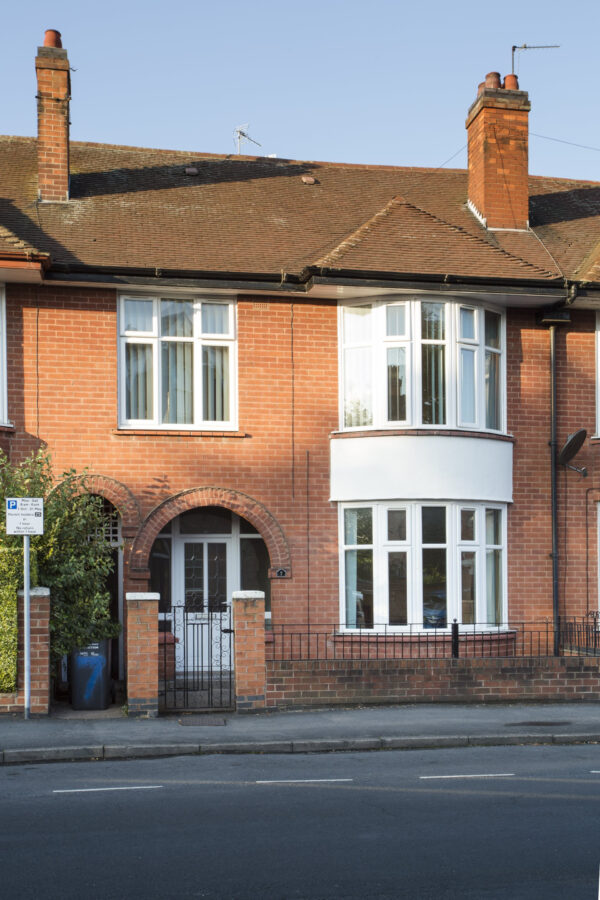
The Landlord’s Guide to What Students Actually Want in 2025/26
Student renters in 2025/26 are more switched on, more cost-aware, and far less impressed by surface-level shine.
That doesn’t mean they’re demanding penthouse living; it means they want a home that runs smoothly. The modern viewing is less about “Is it cute?” and more about “Will this make life easier or harder for the next 10 months?”
Landlords who understand that shift tend to see fewer voids, fewer complaints, and better word-of-mouth.
Location still wins, but convenience is the real prize
Location remains the first filter, but it’s not always about being right on the doorstep of campus. Students are looking for an easy routine: a straightforward commute, reliable public transport, and the essentials close by.
Proximity to supermarkets, takeaways, gyms, and late-opening convenience shops often matters just as much as distance to lectures, because student life isn’t lived on a timetable that ends at 4pm.
A useful way to think about location in 2025/26 is “friction.” If getting home involves multiple buses, long walks in the dark, or expensive daily travel, students will either avoid it or demand a discount.
If the route is simple – even if it’s a little further out – many will happily trade a few extra minutes for better value and a calmer living setup.
Bills included: certainty beats cheapness
If there’s one phrase that still turns heads on a listing, it’s “bills included,” and that’s because it removes uncertainty.
Students don’t just budget for rent; they budget for risk. Energy costs fluctuate, water usage can get messy in shared houses, and nobody wants the end-of-tenancy argument about who owes what.
In 2025/26, bundling bills isn’t simply about being competitive – it’s about reducing decision fatigue. When students compare properties, the one with fewer unknowns often feels like the safer pick, even if the headline rent is slightly higher.
If you don’t include bills, clarity becomes your weapon: realistic ranges, what’s covered, what isn’t, and how the household is expected to manage payments.
Wi-Fi is no longer a perk — it’s part of the tenancy experience
Students will ask about Wi-Fi early, and they’ll ask in detail. That’s because Wi-Fi isn’t just entertainment; it’s lectures, coursework, job applications, video calls home, and sometimes paid work.
In practice, the question isn’t “Do you have Wi-Fi?” but “Will it work in my bedroom, consistently, at peak times, without drama?”
The landlords who do best here treat the internet like a utility. They invest in a decent package, place the router intelligently, and – crucially – think about coverage across the whole house.
If the signal dies upstairs or drops whenever two people stream at the same time, students will remember. And they will tell their friends.
Room size: privacy, productivity, and storage all rolled into one
Room size matters because the bedroom is the student’s personal HQ.
Even in sociable households, students want somewhere they can shut the door, focus, decompress, and feel like they have a bit of control. That doesn’t mean every room needs to be huge, but it does need to be functional.
A good student room in 2025/26 is defined by how it lives. A proper desk setup, enough plug sockets, good lighting, and storage that prevents clutter are often more valuable than an extra square metre.
When a room feels cramped, students don’t just worry about comfort; they worry about whether the house will feel stressful during exam season.
The kitchen and living space: where houses are made or broken
Shared houses succeed or fail in the communal areas. Students don’t expect luxury, but they do expect a kitchen that can handle real usage without becoming a battleground. If there’s one oven tray, not enough fridge space, and nowhere to eat together, the house can feel chaotic fast.
Living rooms have also become more important again – not as party zones, but as social and mental “breathing space.” A house that offers a comfortable shared area signals balance: you can be friendly without being forced into each other’s bedrooms.
Even small touches – decent seating, a usable dining table, and a layout that doesn’t feel like an afterthought – can change the feel of a property and the tone of a tenancy.
Nice-to-haves that genuinely sway decisions
Once the essentials are covered, certain extras can push a property from “fine” to “favourite.”
Dishwashers are a classic example because they reduce friction. Fewer disputes about washing up usually means a happier household, and happier households tend to look after the home better.
A second bathroom can be a quiet game-changer, especially for larger groups. Outdoor space, even if modest, can add appeal when it feels private and usable rather than neglected.
Secure bike storage is valuable in many towns and cities, and good-quality furniture that doesn’t feel like it survived five previous tenancies can leave a strong impression during viewings.
What students won’t forgive: damp, delays, and feeling dismissed
The quickest way to lose trust is to minimise issues that students experience as real problems.
Damp and mould are high on the list, not only because they’re unpleasant, but because they affect health, comfort, and confidence in the property. Students also notice patterns: if a house smells musty at the viewing, if windows don’t open properly, or if ventilation feels poor, alarm bells ring.
Responsiveness is the other major factor. Students understand that repairs take time, but they expect acknowledgement, clear communication, and sensible timescales. In 2025/26, a “good landlord” isn’t defined by never having issues; it’s defined by handling issues professionally and promptly when they arise.
The headline for 2025/26: make it easy to live in, and easy to choose
Students want a home that supports their year, not a house that becomes another problem to manage. If you nail the fundamentals – convenient location, predictable bills, reliable Wi-Fi, and rooms that function properly – you’ll already be ahead of the pack.
Add a few thoughtful upgrades that reduce household friction, keep the property well maintained, and communicate like a professional, and you won’t just attract tenants. You’ll keep them happy, protect your asset, and build the kind of reputation that fills rooms before the listing even goes live.
Read More
From Enquiry to Move-In: What Happens When You Rent with Loc8me?
Renting a student house can feel like a proper mystery the first time you do it.
One minute you’re scrolling through listings with your housemates, and the next you’re being asked about viewings, holding deposits, guarantors, and move-in dates – all while you’re trying to juggle uni life and figure out who’s actually serious about living together.
That’s why it helps to understand the journey end-to-end. When you rent with Loc8me, the process is designed to be straightforward, with clear steps that take you from your first inquiry right through to picking up your keys.
In this guide, we’ll walk through what happens at each stage, what you’ll typically need, and how to keep things moving quickly (especially when the best houses are getting snapped up).
Step 1: The Enquiry – Turning “We Like It” Into “Let’s Do This”
The enquiry step is where everything starts. You’ve found a property that looks promising, the location works, and you can picture the housemate group actually living there without drama.
Now you need to register interest properly so you can get accurate info, confirm availability, and (most importantly) get a viewing booked before someone else does.
At this stage, you’ll usually be asked for a few basics: your name, contact details, which property you’re enquiring about, and sometimes your preferred viewing times. If you’re enquiring as a group, it’s worth having one main person who’s “leading” communication, just so nobody misses messages or duplicates enquiries.
A good tip here is to enquire with intention. If you’re only casually browsing, that’s fine – but if you’re genuinely interested, say so. The clearer you are, the faster the process tends to move, because the team can treat you like a group that’s ready to progress.
Step 2: The Viewing – Seeing the House Properly (Not Just the Photos)
A viewing is where a lot of groups make their decision, and it’s also where the “vibe” becomes real.
Photos can be flattering, and listings don’t always show the practical bits that matter day-to-day – like storage, room sizes, water pressure, and whether the kitchen can actually handle multiple people cooking at once.
When you arrive for a viewing, treat it like a short inspection rather than a casual tour. Walk through as a group, but make sure someone is paying attention to details. Look out for things like: signs of damp or mould around windows, the condition of bathrooms, how secure the doors and windows feel, and whether the communal areas are actually comfortable to live in.
What’s more, if bills are included, it’s also worth clarifying what’s included and whether there are usage limits.
This is also your moment to ask practical questions without feeling awkward. You’re not being difficult – you’re being smart. Ask about how maintenance works, what the move-in day looks like, and what’s expected from you as tenants.
If you can’t all attend, try to send at least two people from the group. It helps avoid the classic problem where one person says “it’s fine” and then the rest of the group sees it later and feels unsure.
Step 3: Reservation – Securing the Property Before It’s Gone
Once your group decides you want the house, the next step is usually reservation. This is the moment where you go from “we like it” to “we’re taking it,” and it’s often the stage that prevents the house from being offered to another group.
Reservation tends to involve confirming tenant details and progressing with the required payments and paperwork to lock it in. The exact terms can vary depending on the property and your circumstances, but the key idea is the same: it’s a commitment step that shows you’re serious.
This is also where your group needs to be organised.
If you’re waiting for one housemate to decide, or someone keeps disappearing when it’s time to pay or complete forms, it can stall the entire process. If you’re a five-person group, you move at the speed of the slowest person – so getting everyone aligned early matters more than people realise.
To keep things smooth, agree on the decision before you reserve. Have the money ready. Make sure everyone knows what documents they may need. And be clear on timelines, especially if you’re trying to secure a popular house in a high-demand area.
Step 4: Contract – The Paperwork That Protects Everyone
The contract stage can sound intimidating, but it’s really about clarity. It sets out what you’re paying, when you’re paying it, what you’re responsible for, and what the landlord/agent is responsible for.
It is worth remembering that it’s there to protect you as much as it protects the property.
At this point, you’ll typically complete tenant application details, confirm who will be living in the property, and work through the formal agreement. This is also where guarantor information may come into play (common with student lets), and where you’ll likely be asked to read and sign documents digitally.
The smartest thing you can do here is actually read what you’re agreeing to. You don’t need to become a legal expert overnight, but you should understand the basics: contract start and end date, rent amount and payment schedule, what happens if someone drops out, how bills are handled (if included), rules around guests, and what the maintenance reporting process is.
It’s also worth making sure everyone signs promptly. Delays at contract stage are one of the biggest reasons groups lose momentum – and in competitive markets, slow progress can create unnecessary stress.
If you don’t understand something, ask. It’s far better to clarify early than to be confused later when it’s the middle of winter and you’re trying to work out what’s covered and who to contact.
Step 5: Move-In – Keys, Checks, and Starting the Year Right
Move-in day is exciting – but it’s also the moment where being organised saves you hassle for months. This stage usually includes collecting keys, being guided through how access works, and completing any initial checks like an inventory.
Your first job when you move in is to document the condition of the property. Even if everything looks great, take photos and videos of key areas: bedroom walls, carpets, furniture, kitchen surfaces, and bathrooms.
This isn’t about being negative – it’s about having a clear record of what things looked like at the start of your tenancy. If there’s already a mark on a wall or a scuff on a sofa, you want that noted from day one.
It’s also a good time to learn the practical basics: where the fuse box is, how the heating works, what to do if the boiler loses pressure, and how to report a maintenance issue properly. Most problems in student houses aren’t “big disasters,” but they become stressful when nobody knows who to contact or what counts as urgent.
Finally, move-in is where you set yourselves up for a smoother year. Agree on simple house rules early (cleaning, bins, shared food), sort your rooms out, and don’t leave everything until the first deadline hits.
The Journey, Made Simple – And Easy to Track
From enquiry to move-in, the Loc8me renting process follows a clear path: you register interest, view the property, reserve it once you’re confident, complete the contract steps, then move in with everything in place.
The biggest wins come from being responsive, staying organised as a group, and understanding what each stage involves before you’re in it.
And those clear call-to-actions at each step aren’t just helpful for students – they’re perfect for tracking behaviour and intent.
When you can measure “enquiry submitted,” “viewing booked,” “reservation started,” “contract completed,” and “move-in confirmed,” you get a much clearer picture of what’s working, where people drop off, and which improvements will make the biggest impact.
Read More
What To Do When Things Go Wrong in Your Student House
Every student house has that moment where something stops working at the worst possible time – the boiler goes cold, a leak appears out of nowhere, or an alarm starts beeping like it’s got a personal vendetta.
It can feel stressful, especially if it’s your first time renting, but most issues are routine and fixable. The key is knowing what to do first, who to contact, and how to describe the problem clearly so it gets sorted quickly.
Make It Safe Before You Make the Call
Before you message anyone, deal with the immediate risk. If there’s water spreading, move anything valuable out of the way, mop up what you can, and try to stop the flow if it’s safe to do so.
If the leak is near plugs, sockets, or appliances, don’t touch electrics and keep people away from the area. If you can locate the stopcock and it’s clearly an emergency leak, turning it off can prevent major damage, but don’t put yourself in danger trying to play hero.
If you smell gas, treat it seriously rather than hoping it “goes away.” Open windows and doors, avoid using light switches, and leave the property.
In the United Kingdom, you should call the National Gas Emergency Service on 0800 111 999 immediately. If there’s smoke or fire, get out and call 999. Your first responsibility is always safety – repairs come second.
Who to Contact and Why the Route Matters
Most student properties have a clear reporting route, and using it properly usually speeds everything up.
Your tenancy agreement or welcome pack should tell you whether you report repairs through a maintenance portal, the letting agent, the landlord directly, or an out-of-hours emergency number.
If there is a portal, it’s often the best option because it time-stamps your report, stores photos, and keeps a paper trail.
Even if you ring someone first, it’s smart to follow up in writing. A quick message confirming what happened, when it started, and what was agreed protects you and avoids the classic “we didn’t know about that” situation later.
It also helps reduce deposit disputes because you can show you reported issues promptly rather than letting them worsen.
How to Tell What’s Urgent vs What Can Wait
A simple way to judge urgency is to ask two questions: is anyone at risk, and will serious damage happen if nothing changes within the next few hours?
If the answer is yes, it’s urgent. If it’s inconvenient but safe and stable, it’s usually non-urgent. Urgent problems tend to be things like major leaks, unsafe electrics, no heating in cold weather, security risks like broken external doors, or alarms that suggest danger.
Non-urgent issues are still worth reporting quickly, but they don’t normally need an emergency call. Examples include dripping taps, minor mould that isn’t linked to an active leak, small cracks, or appliances that have stopped working when you have alternatives.
The main thing is not to ignore non-urgent problems until they become urgent – that’s when stress, damage, and disputes begin.
Boiler Breakdowns and No Heating or Hot Water
A boiler breakdown feels like a crisis because it affects your whole day, but there are a few checks worth doing before you report it.
Look at the thermostat, make sure the boiler has power, and if there’s an error code, take a photo of it. Some systems also drop pressure, and if you know how to check the gauge safely, that information can be useful for the engineer.
When you report a boiler issue, explain whether you have no heating, no hot water, or both, and whether it affects the entire house. In colder months, a full loss of heating or hot water is often treated as urgent because it impacts basic living conditions.
The clearer you are, the easier it is for the agent or landlord to triage and get the right person out quickly.
Lost Keys, Lockouts, and Security Problems
Losing keys is more common than people admit, and it’s usually a problem you can solve faster by going through the correct channels.
Start by checking whether a housemate has a spare or whether your property uses a lockbox or key safe. If you’re locked out, contact your letting agent or landlord before calling a locksmith, because unauthorised lock changes can create security issues and you may be charged for replacing locks.
If you’re locked out late at night and you feel unsafe, that becomes a different situation. In that case, using the out-of-hours number is reasonable because it’s no longer just an inconvenience – it’s a personal safety risk.
The main point is to avoid making costly decisions in a panic when there’s an agreed process that can usually sort it.
Damp, Mould, and Condensation That Keeps Coming Back
Damp can feel like a “normal student house thing,” but it shouldn’t be brushed off. It can affect health, damage belongings, and become a bigger repair if left unchecked.
Condensation on windows is common, especially in winter, but recurring mould patches, musty smells, bubbling paint, or damp patches on ceilings and walls should always be reported.
When reporting damp, be specific about where it is and how long it’s been there, and include photos. It also helps to mention what you’re doing day-to-day, like opening windows briefly, using extractor fans, and keeping furniture slightly away from external walls.
That detail makes it easier to get the right fix and reduces the chance of the issue being unfairly blamed on you.
Leaks and Water Damage: Act Early, Even If It Looks Small
Leaks are one of the biggest “wish we’d reported it sooner” issues in rented houses. If water is actively dripping, spreading, or coming through a ceiling, treat it as urgent because it can escalate quickly and cause serious damage.
If possible, contain the water with towels and buckets and move items out of the way, then report it immediately with photos or a short video.
If it’s a small drip, like a tap that won’t fully stop or a tiny stain that isn’t growing, it’s usually non-urgent – but still report it. Small leaks often become bigger leaks, and reporting early shows you acted responsibly.
Remember, that matters if damage worsens later, because you can prove you didn’t ignore it.
Alarms, Electrics, and the Mystery Beeping Noise
A single repetitive beep often means a smoke alarm battery is low, but you shouldn’t assume every alarm is harmless.
If a carbon monoxide alarm sounds, take it seriously, ventilate the area, leave the property, and report it urgently. Carbon monoxide is dangerous precisely because you can’t reliably smell or see it, and alarms are designed to warn early.
Electrical issues like frequent tripping, sockets that spark, burning smells, or power loss affecting key areas should be treated as urgent. Avoid DIY fixes and don’t keep resetting a trip switch if it immediately trips again – that can be a sign of a fault that needs attention.
Reporting quickly and clearly is the safest option.
How to Report Repairs So They Get Fixed Faster
The fastest repairs usually come from the clearest reports. Explain what the issue is, exactly where it is, when it started, and what the impact is on daily living.
Photos and short videos make a huge difference because they help whoever is triaging the job understand whether it’s a quick fix or something that needs a contractor.
If your accommodation provider has a “report maintenance” or “contact repairs” form, use it rather than relying on informal messages. It creates a time-stamped record and makes it easier to track progress.
It also gives you a reliable trail of evidence if you ever need to escalate, chase an update, or show that you reported the problem promptly.
The Bottom Line: Reporting Issues Is Part of Renting
When things go wrong in a student house, it’s easy to worry you’re being a nuisance. You’re not. Reporting problems quickly is responsible, it protects the property, and it protects you.
If something is unsafe, prioritise safety and report it urgently. If it’s inconvenient but stable, log it properly and keep a written record. Either way, you’ll reduce stress, avoid bigger problems later, and make sure you can get back to the important stuff – uni, work, and actually enjoying where you live.
Read More
Culture Shock: 10 Everyday Differences Overseas Students Notice in the UK
Moving to the United Kingdom as an overseas student is exciting – new cities, new friends, and a new way of life.
But once the jet lag fades, it’s often the small everyday things that feel the strangest. From unexpected bills to buses that stop running earlier than you’d like, the culture shock can be real.
Here are ten everyday differences you’re likely to notice as an international student in the UK – plus some tips, and where to find more help in our transport guides, cost-of-living pages, and overseas student hub.
1. Council Tax: The “mystery bill” you may not have to pay
If you’ve never heard of council tax before, you’re not alone. In the UK, local councils charge households a tax to fund services like rubbish collection, libraries and street lighting.
The good news? Most full-time students are exempt. However, this usually isn’t automatic. If you live in a shared house with non-students, or your landlord isn’t clear on the rules, you might receive a council tax letter that looks scary at first glance.
Don’t panic. Speak to your university, your landlord, or check the guidance in our cost-of-living resources for how student exemptions work and what to do if you get a bill.
2. TV Licences: Yes, you pay to watch live TV
Another surprise for many overseas students is the TV Licence. In the UK, you need a licence if you:
- Watch or record live TV on any channel
- Use BBC iPlayer (even on a laptop or phone)
You don’t need a licence if you only watch on-demand services like Netflix or Disney+. But if you stream live sport, news channels or watch BBC content, you’re expected to pay.
If you’re sharing a house, sometimes one TV Licence can cover the whole property. Always check the official rules and talk openly with housemates about who’s paying for what, so it doesn’t become an awkward conversation later.
3. Pub Culture: More than just drinking
The local pub can feel like a second living room in many UK towns and cities. It’s where people catch up after lectures, watch football, grab Sunday lunch, or sit with a laptop in a cosy corner.
You don’t have to drink alcohol to enjoy pub culture. Most pubs serve soft drinks, coffee, and food, and many are student-friendly spaces to socialise or relax.
Just be prepared for some cultural quirks: buying drinks at the bar (rather than table service), queuing politely, and sometimes having to shout your order over loud music on a Friday night.
If you’re budgeting carefully, keep an eye on how quickly pub visits add up. Our cost-of-living guides include ideas for low-cost socialising that don’t always revolve around rounds at the bar.
4. Shop Closing Times: No 24/7 city that never sleeps
If you’re used to late-night malls and supermarkets open around the clock, UK opening hours can be a shock.
Most high street shops close around 5–6pm, with slightly later hours in big cities or shopping centres. Supermarkets may stay open later, but Sunday trading is often shorter. Independent cafés, barbers and local stores may shut even earlier.
This makes planning ahead important – especially for students without a car. Need stationery, toiletries or cooking ingredients? Don’t wait until 10pm to go shopping. Our student cost-of-living pages and local area guides can help you figure out where to buy essentials near your accommodation.
5. Buses and Public Transport: Reliable… most of the time
Many overseas students rely on buses as their main form of transport. In most UK student cities, buses are frequent during the day, with cheaper student tickets or passes available.
The surprise usually comes at night or on Sundays, when services can be less frequent or stop earlier than expected. You might also be surprised by:
- Having to press a button to request your stop
- Not being able to pay in cash on some buses (card or app only)
- Different fares across operators and routes
Before you travel, check routes and times using apps or your university’s recommendations, and explore our transport guides for more detail on buses, trains and student discounts.
6. Paying by Card and Contactless
The UK is heavily card and contactless based, which can be a relief if you don’t like carrying cash. Even small corner shops and cafés usually accept card payments, and many people tap their phone or watch instead of using a physical card.
The only catch is to keep an eye on international bank fees. Repeated small transactions can add up if your home bank charges per payment. Many students open a UK bank account or use online banks designed for international payments to help manage this.
7. Queues, Politeness and Saying “Sorry”
You might have heard that British people love to queue – it’s true. Whether it’s at the bus stop, in the post office, or waiting for a drink at the bar, people usually line up without pushing ahead.
You’ll also notice a lot of “sorry”, even when no one has done anything wrong. It’s often just a polite way to say “excuse me” or “could I get past?”. At first it can feel overly formal or confusing, but soon you’ll probably find yourself doing it too.
8. The Weather Obsession
“Cold, isn’t it?” “Can you believe the rain?” “Nice day today, for once.”
Talking about the weather is practically a national sport. It’s a safe, friendly way to start conversation with strangers or classmates. The UK climate can feel unpredictable – sunshine one minute, rain the next – so layers, waterproofs and comfortable shoes are your best friends.
Our overseas students hub often includes practical packing tips and advice on how to dress for UK seasons without overspending.
9. Bills, Contracts and “All-Inclusive” Rent
Depending on where you’re from, you might be used to rent including everything. In the UK, student accommodation varies a lot. Some places are all-inclusive (covering energy, water, internet and sometimes contents insurance), while others require you to set up bills yourself.
Understanding what’s included before you sign is crucial for budgeting. Check:
- Are gas, electricity and water included?
- Is Wi-Fi provided?
- Are there any caps on energy use?
If you’re unsure how far your money will stretch, our cost-of-living pages break down typical student expenses to help you compare different options.
10. Student Discounts Everywhere
One pleasant surprise? The UK is full of student discounts. From railcards to fashion stores, cinemas and streaming services, it’s always worth asking, “Do you offer a student discount?”
You can often save money on transport, especially with railcards and local bus passes – more details can be found in our dedicated transport guides. Combining discounts with smart budgeting can make a real difference to your monthly costs.
Final Thoughts: You’re Not Alone in the Culture Shock
Feeling disorientated by council tax letters, TV Licence rules or quiet city centres after 6pm is completely normal. Every international student goes through some level of culture shock – it doesn’t mean you’re doing anything wrong.
With time, these differences become part of your everyday routine. In the meantime, use the support available: your university, other students from your home country, and resources like our transport guides, cost-of-living pages and overseas students hub.
You’re not just learning in the classroom – you’re learning how to live in a new country, and that’s a powerful skill that will stay with you long after your degree.
Read More