Latest Posts

The Best and Most Popular Student Areas to Live in Birmingham
Birmingham is one of the UK’s biggest student cities, offering everything from busy city-centre living to quieter neighbourhoods filled with cafés, parks and traditional student houses.
With institutions including the University of Birmingham, Birmingham City University and Aston University attracting students from across the United Kingdom and overseas, there is no shortage of places to call home.
But Birmingham is a big city, and choosing the right area can make a huge difference to your university experience.
The best location will depend on where you study, how much travelling you are prepared to do and whether your idea of student life involves lively nights out, independent coffee shops or somewhere peaceful to escape after lectures.
Here are some of Birmingham’s most popular student areas and what makes each one worth considering.
Selly Oak: The Classic Birmingham Student Area
If there is one neighbourhood most closely associated with student life in Birmingham, it is probably Selly Oak.
Located close to the University of Birmingham’s Edgbaston campus, Selly Oak is particularly popular with second and third-year students moving from university halls into shared houses.
The University of Birmingham describes it as the area where most of its students choose to live after their first year.
There is a strong student community here, with plenty of supermarkets, takeaways, cafés, pubs and everyday essentials within easy reach. Bristol Road runs through the area and acts as one of its main hubs, while Selly Oak railway station provides trains into Birmingham city centre.
The University notes that journeys from Selly Oak station into the centre can take around ten minutes.
For University of Birmingham students who want to live close to friends, campus and plenty of other students, Selly Oak remains difficult to beat.
Edgbaston: Leafier Living Close to Campus
Next door to Selly Oak is Edgbaston, offering a noticeably different atmosphere.
Home to the University of Birmingham’s main campus, Edgbaston can be particularly attractive to students wanting convenient access to university without being quite as immersed in the traditional student-housing environment of Selly Oak.
The area is known for its leafy streets and green spaces, alongside attractions including Birmingham Botanical Gardens and Edgbaston Stadium. It also offers relatively straightforward access into the city centre.
Students considering Edgbaston should remember that it covers a large area, so the distance to lectures can vary considerably depending on exactly where a property is located. Nevertheless, it can offer a good middle ground between campus convenience and a slightly calmer residential environment.
Birmingham City Centre and Eastside: Ideal for City-Based Students
For students at Birmingham City University or Aston University, living centrally can make plenty of sense.
BCU’s City Centre Campus sits within Birmingham’s Eastside district, while Aston University’s main campus is also centrally located. BCU’s own accommodation information includes options only a few minutes’ walk from its City Centre Campus, highlighting just how practical central living can be for students studying there.
The biggest attraction is convenience. Shops, restaurants, entertainment venues, gyms, nightlife and major transport connections are all nearby.
City-centre accommodation is commonly found in modern apartment developments and purpose-built student accommodation rather than traditional shared terraced houses. That can make it appealing to first-year and international students looking for a simpler, more central setup.
The trade-off is that you are living in the middle of a major city, so anyone dreaming of quiet suburban streets and a garden may want to look elsewhere.
Digbeth: For Students Who Want Something Different
Just beyond the immediate city centre, Digbeth has developed a reputation as one of Birmingham’s most distinctive neighbourhoods.
Its mix of converted industrial buildings, independent businesses, music venues, street art and creative spaces gives it a character that feels very different from conventional student suburbs.
Its position also makes it particularly interesting for students studying at city-centre campuses. Birmingham City University and Aston University can be relatively accessible from this side of Birmingham, while the wider city centre is close by.
Digbeth may suit students who place nightlife, culture and independence higher on their priority list than living in an area dominated entirely by students.
Harborne: A Quieter Alternative
Students wanting to remain reasonably close to the University of Birmingham while escaping some of Selly Oak’s student-heavy atmosphere could consider Harborne.
Harborne has more of an established neighbourhood feel, with its own high street, pubs, cafés, restaurants and independent businesses. It can appeal particularly to postgraduate students or anyone who prefers quieter surroundings but still wants access to university and central Birmingham.
It may not offer the same concentrated student atmosphere as Selly Oak, but for some people that is precisely the attraction.
Stirchley: Independent and Increasingly Popular
Another area worth having on the radar is Stirchley.
Situated south of Selly Oak, Stirchley has become known for its independent pubs, restaurants and retailers. The University of Birmingham itself highlights Stirchley alongside Kings Heath as one of the neighbourhoods worth exploring outside Birmingham city centre.
Students living here will generally have a longer journey to campus than those based directly in Selly Oak, but the reward is a neighbourhood with its own identity and plenty happening locally.
It could be particularly appealing to returning or postgraduate students wanting something a little removed from the traditional student bubble.
So, Which Birmingham Student Area Is Best?
There is no single neighbourhood that works for every student.
For University of Birmingham students wanting the full student-house experience, Selly Oak remains the obvious starting point. Edgbaston offers a calmer alternative close to campus, while Harborne and Stirchley provide more neighbourhood character.
For those studying at Birmingham City University or Aston University, meanwhile, the city centre, Eastside and nearby Digbeth can provide much easier access to lectures and everything central Birmingham has to offer.
Before signing anything, check your actual journey to campus, nearby public transport, what bills are included and what the surrounding area feels like during both the day and evening. A property might look perfect online, but choosing the right neighbourhood is just as important as choosing the right bedroom.
Get that combination right and Birmingham can offer one of the most varied and enjoyable student living experiences in the UK.
Blogs you may also like:
- The Best Hotspots for Students in the City of Birmingham
- Exploring the Best Neighbourhoods for Students in Birmingham
- Getting Around Birmingham: Transport Tips for Students

The Best and Most Popular Student Areas to Live in Bath
Choosing where to live at university is about much more than finding a room and signing a tenancy agreement.
The neighbourhood you choose can shape everything from your morning commute and weekly food shop to your nights out, friendships and overall university experience.
Bath might be relatively compact, but its student population is spread across several distinctive neighbourhoods.
With both the University of Bath and Bath Spa University attracting students to the city, areas including Oldfield Park, Widcombe, Twerton and the city centre have developed into popular student locations.
So, if you are wondering where to start your accommodation search, here are some of the best and most popular student areas to live in Bath.
Oldfield Park: The Classic Student Choice
If there is one neighbourhood that regularly comes up when talking about student life in Bath, it is Oldfield Park.
The University of Bath describes Oldfield Park as a popular student area around three miles from its campus, with regular bus services connecting the neighbourhood with the university. It also has Oldfield Park railway station, while the city centre is roughly a 20-minute walk away.
Moorland Road sits at the heart of the neighbourhood and provides many of the everyday essentials students want nearby, including shops, cafés and places to eat. The large number of shared houses in the surrounding streets also means there is a noticeable student community.
The University of Bath even operates its Scala student accommodation in Oldfield Park, underlining just how established the area has become as part of student life in the city.
For students who want somewhere lively without being directly in the city centre, Oldfield Park is difficult to overlook.
Widcombe: Close to the Action but More Residential
Just south of Bath city centre, Widcombe can provide a good middle ground between central living and a more residential atmosphere.
The neighbourhood is within relatively easy reach of central Bath and is particularly appealing to students who like having independent cafés, shops and local amenities close to home while still being able to escape some of the busiest parts of the city.
Widcombe, along with Bathwick and Combe Down, is frequently suggested as an option for students looking for somewhere with a slightly quieter, more residential character than Oldfield Park or the city centre.
It can therefore suit students who still want to be well connected but would rather not have the liveliest student streets directly outside their front door.
Bath City Centre: Everything on Your Doorstep
Living in Bath city centre certainly has its advantages.
Restaurants, cafés, shops, nightlife and the railway station are all within easy reach, while many of the city’s famous landmarks become part of your everyday surroundings.
For students who prefer walking rather than relying heavily on buses, the central location can be particularly attractive. There are also university accommodation options around central Bath. Bath Spa University, for example, operates Bankside House in the city centre, while the University of Bath has accommodation including Pulteney Court within walking distance of the centre and railway station.
The trade-off is that central accommodation can be highly sought after, so students should compare location, property type and overall cost rather than assuming that living right in the centre is automatically the best option.
Twerton: Convenient for Bath Spa Students
West of the city centre, Twerton has become another important part of Bath’s student accommodation landscape.
It can be particularly useful for Bath Spa University students, with accommodation such as Twerton Mill located on Lower Bristol Road.
Bath Spa says the development contains 330 bedrooms, while nearby Charlton Court and Waterside Court provide further student accommodation close to shops, a supermarket, cafés and Oldfield Park railway station.
For students studying at Bath Spa University’s Locksbrook Campus, this side of Bath can also be practical, as the university specifically highlights Twerton Mill, Charlton Court and Waterside Court among nearby accommodation choices.
Bathwick: Handy for the University of Bath
For students at the University of Bath, Bathwick is another area worth considering.
Its position on the eastern side of the city puts students relatively close to the university’s Claverton Down campus while still providing good access towards central Bath. The neighbourhood generally has a more residential character, which may appeal to those who want a little separation between studying, socialising and home life.
Students should bear Bath’s hills in mind, though. A property that looks close to campus on a map can feel rather different when you are walking uphill with a laptop and a week’s worth of shopping.
Combe Down and Southdown: Alternatives Worth Exploring
Students do not have to restrict their search to Bath’s best-known neighbourhoods.
Combe Down and Southdown also feature among areas where students commonly find accommodation. Combe Down has a more residential feel, while Southdown can offer another alternative to the busy streets around Oldfield Park.
These areas can be particularly worth exploring if your preferred neighbourhood is becoming difficult to find accommodation in. Looking slightly beyond the most obvious student hotspots can open up more choices while still keeping you within reach of university and the city.
Which Bath Student Area Is Right for You?
There is no single best place to live in Bath because different students want very different things from their university experience.
Oldfield Park remains one of the standout choices for a traditional student atmosphere, while Widcombe combines accessibility with a more residential feel.
City-centre living puts Bath’s shops and social life on your doorstep, Twerton can work particularly well for Bath Spa students, and Bathwick may appeal to those studying at the University of Bath.
Whichever area catches your attention, consider your journey to campus, transport options, nearby shops, housemates and total housing costs before committing.
Bath’s popularity means good student properties can attract plenty of interest, so knowing which neighbourhoods suit your lifestyle before beginning your search can make finding your next student home considerably easier.
Blog you may also like:
- The Best and Most Popular Student Areas to Live in Aberystwyth
- The Best Hotspots for Students in the City of Bath
- Exploring the Best Neighbourhoods for Students in Bath

The Best and Most Popular Student Areas to Live in Aberystwyth
Finding the right place to live can make a huge difference to your university experience. Your choice of area will affect how quickly you can reach lectures, where you shop, how often you see friends and whether your walk home involves a steep hill after a long day.
For students at Aberystwyth University, the good news is that the town is compact and relatively easy to navigate.
Many popular student neighbourhoods sit between the university’s Penglais Campus, the town centre and the seafront, meaning that most everyday journeys can be completed on foot.
From busy streets close to cafés and nightlife to quieter residential areas near campus, Aberystwyth offers several appealing places to call home.
Aberystwyth Town Centre for Everyday Convenience
The town centre remains one of the most popular areas for students, particularly those who want shops, restaurants and entertainment within easy walking distance.
Living centrally means being close to supermarkets, independent cafés, takeaways, pubs, banks and the railway station. It is also convenient for students who work part time in the town or regularly travel home by train.
North Parade and the surrounding streets contain a mixture of shared houses, flats and student accommodation. The area can feel lively throughout the week, making it a good option for students who enjoy being close to the social side of university life.
The main drawback is the walk to Penglais Campus. The university sits above the town, so students living centrally should expect an uphill journey to lectures. It is manageable for most people, but it can feel more challenging during wet weather or when carrying books, shopping and a laptop.
For many students, however, the convenience of living near almost everything outweighs the daily climb.
The Seafront for Views and Atmosphere
One of Aberystwyth’s biggest attractions is its coastal setting. Students living near the promenade can enjoy sea views, beach walks and some of the best sunsets in west Wales.
The seafront and nearby streets are popular with students who want to experience the atmosphere that makes Aberystwyth different from many other university towns. It is possible to leave your front door and be beside Cardigan Bay within minutes, which can be especially welcome during busy periods of study.
Properties around the promenade also remain close to the town centre, so cafés, shops and nightlife are never far away.
Students considering older seafront properties should inspect them carefully. Coastal weather can make some homes feel colder or more exposed, so it is worth checking the condition of windows, heating systems and insulation before signing a tenancy agreement.
Noise may also be a consideration, particularly in buildings near busy streets or popular venues. Even so, for students who want memorable surroundings and a strong sense of place, the seafront is difficult to beat.
Penglais for Quick Access to University
Penglais is an obvious choice for students who want to minimise the journey to lectures.
Aberystwyth University’s main Penglais Campus is home to many academic departments, study spaces, sports facilities and the Aberystwyth Arts Centre. The area also includes several university accommodation options, such as Cwrt Mawr, Trefloyne and Fferm Penglais.
Living close to campus can be especially useful for first-year students, people with early lectures and anyone who regularly uses university facilities. It also makes it easier to return home between teaching sessions rather than spending the whole day on campus.
The main compromise is distance from the town centre. Walking downhill into Aberystwyth is fairly straightforward, but the return journey requires more effort. Students who enjoy being close to nightlife and shops may therefore prefer a location between Penglais and the centre.
However, for convenience, campus access and a strong student community, Penglais remains one of the most practical places to live.
Waunfawr for a Quieter Student Experience
Waunfawr is a residential area close to Penglais Campus and is often chosen by students looking for a calmer place to live.
The neighbourhood includes a mixture of family homes and shared student properties. It generally feels quieter than central Aberystwyth, which may appeal to postgraduate students, final-year students and anyone who prefers peaceful evenings.
Waunfawr can offer a useful balance between university access and residential living. Students can remain close to campus without being surrounded by the busiest student streets.
The exact distance to supermarkets, cafés and social venues will depend on the property, so it is important to check the walking route before committing. Aberystwyth is known for its hills, and a journey that appears short online may feel much longer in practice.
For students who value space, quiet and easy campus access, Waunfawr is well worth considering.
Llanbadarn Fawr for Space and Community
Llanbadarn Fawr sits slightly outside the centre and has a more suburban, community-focused atmosphere.
The area may appeal to students searching for larger shared homes, quieter surroundings or a little more space. It also has local amenities, meaning residents do not always need to travel into central Aberystwyth for everyday essentials.
Llanbadarn is particularly convenient for students whose teaching takes place near Aberystwyth University’s Llanbadarn Campus. However, course locations vary, so students should check where most of their lectures will be held before choosing accommodation.
Those travelling regularly to Penglais Campus or the town centre should consider walking distances and public transport options. A lower rent may appear attractive, but travel convenience should also be part of the decision.
Trefechan and the Marina for Relaxed Coastal Living
Trefechan is located towards the southern side of Aberystwyth, close to the harbour and marina.
The area has a more relaxed atmosphere than the busiest parts of the town centre while still offering access to shops, restaurants and the seafront. It can suit students who want to live near the water but prefer to avoid the liveliest section of the promenade.
Trefechan also has a distinctive local feel, with views towards the harbour and easy access to coastal walks.
The journey to Penglais Campus is longer than from central Aberystwyth, so students should test the route before choosing a property. Those who enjoy walking may not mind the distance, but it could become less appealing during poor weather or early morning lectures.
Choosing the Right Area for You
The best student area in Aberystwyth will depend on your priorities.
The town centre is ideal for shops, transport and nightlife. The seafront offers scenery and atmosphere, while Penglais provides quick access to university facilities. Waunfawr suits students seeking quieter surroundings, and Llanbadarn Fawr may provide more space and a stronger residential feel. Trefechan and the marina offer a peaceful coastal alternative.
Before signing a tenancy, visit the property and surrounding streets, check the route to your lecture buildings and ask what is included in the rent. It is also worth viewing the area during both the day and evening.
Aberystwyth may be smaller than cities such as Cardiff, Manchester or Birmingham, but choosing the right neighbourhood can still have a major impact on your student experience.
Blogs you may also like:
- Exploring the Best Neighbourhoods for Students in Aberystwyth
- Exploring the Best Neighbourhoods for Students in Lincoln
- Exploring the Best Neighbourhoods for Students in Leicester
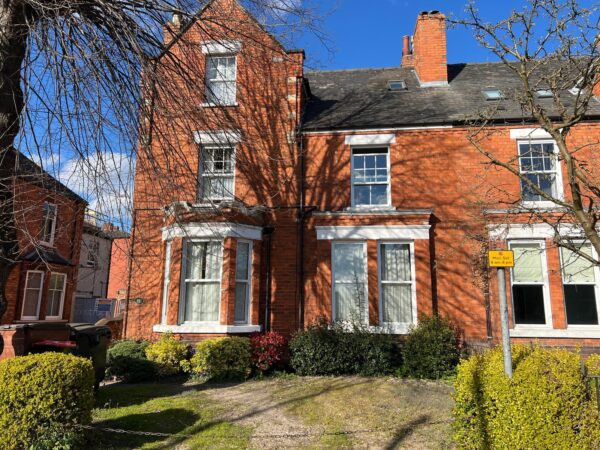
How To Choose the Right Student Area Before the Next Academic Year
Choosing where to live at university is one of those decisions that can feel exciting and slightly terrifying at the same time.
On the one hand, it is your chance to find somewhere that feels more independent, comfortable and suited to your lifestyle. On the other hand, there is a lot to think about, from rent and travel costs to safety, nightlife, housemates, bills and how far you really want to walk to a 9am lecture.
Whether you are moving out of halls for the first time, changing accommodation for your second or third year, or starting a postgraduate course in a new city, picking the right student area can make a huge difference to your university experience.
The best area is not always the cheapest, the busiest or the one everyone else seems to be choosing. It is the one that fits your course, your budget, your social life and the way you actually live day to day.
With the next academic year always coming around faster than expected, it helps to start thinking early and properly compare your options before signing anything.
Start With Your Campus Location
The first question to ask is simple: where will you actually need to be most days?
Many UK university cities have more than one campus, and that can make location more important than students first realise.
For example, students at the University of Manchester and Manchester Metropolitan University may want to think carefully about areas such as Fallowfield, Rusholme, Withington and the city centre, depending on whether they want a classic student neighbourhood or easier access to lectures.
In Nottingham, students at the University of Nottingham might look around Lenton, Dunkirk, Beeston or the city centre, while Nottingham Trent University students may prioritise areas closer to the city campus.
In Leeds, Headingley, Hyde Park, Woodhouse and Burley are all well-known student areas, but each has a slightly different feel and travel pattern.
A house that looks perfect online can quickly become frustrating if it adds a long commute to your daily routine. Check how far the property is from your lecture buildings, library, gym, student union and any part-time job you might have.
A 25-minute walk may sound fine in summer, but it can feel very different in November rain.
Think About Your Budget Beyond Rent
Rent is usually the first number students look at, but it is not the only cost that matters. A slightly cheaper house can become more expensive if it is far from campus, poorly insulated or located somewhere that makes you rely on taxis and buses more often.
Before choosing an area, work out the real cost of living there. This includes rent, bills, broadband, transport, laundry, food shops, parking if needed, and the cost of getting home after nights out.
Some properties include bills, while others do not. If bills are separate, ask for an estimate and be realistic about energy use, especially in older student houses.
Cities such as Bristol, Edinburgh, London and Brighton are known for having higher living costs, so students may need to balance location with affordability. In places like Sheffield, Liverpool, Leicester, Cardiff and Newcastle, there can often be a wider spread of student-friendly areas at different price points.
The cheapest area is not automatically the best choice. Equally, the most popular area is not always worth stretching your budget for. Aim for somewhere that allows you to live comfortably, not somewhere that leaves you stressed every time rent is due.
Decide What Kind of Student Lifestyle You Want
Every student area has its own personality. Some are lively and full of house parties, takeaways and late-night shops. Others are quieter, more residential and better suited to students who want calm evenings, easier sleep and a bit more separation from university life.
Before choosing an area, be honest about what you want from the year ahead.
Do you want to be close to nightlife? Do you prefer a quieter house where you can focus on your course? Are you planning to work part-time? Do you want to be near parks, gyms, cafés or supermarkets? Would you rather live around lots of students or in a more mixed local community?
For example, students in Birmingham might compare Selly Oak, popular with University of Birmingham students, with areas closer to the city centre. Students in Sheffield may weigh up Ecclesall Road, Broomhall, Crookes and the city centre depending on whether they want nightlife, green space or convenience.
In Newcastle, Jesmond, Heaton and Sandyford are all common student choices, but they offer different balances of social life, price and distance.
There is no single “best” student area. The right choice depends on your own routine and priorities.
Visit the Area at Different Times of Day
Online listings, estate agent photos and quick daytime viewings can only tell you so much. An area can feel very different in the evening, during rush hour, on weekends or late at night.
Where possible, visit the area more than once. Walk around during the day and again in the evening. Look at lighting, traffic, noise levels, bus stops, local shops and the general feel of the streets.
Are there other students nearby? Does the area feel comfortable? Is it easy to get to the nearest supermarket? Are there cafés, libraries, gyms or study spaces within reach?
This is especially useful in larger cities where neighbouring streets can feel very different from each other. In cities like Manchester, Leeds, Glasgow, Liverpool and London, one road can be busy and student-heavy while the next might be quieter or more residential.
If you cannot visit in person, use online maps, street view tools, local student forums and university accommodation advice pages to build a better picture. It is also worth asking current students, course reps or society members where they live and what they would recommend avoiding.
Check Transport Links Properly
Transport can make or break a student location. A house that is not within walking distance of campus might still be ideal if it has reliable buses, trams, trains or cycle routes nearby.
Check how often public transport runs, how late it operates and how much it costs. Do not just look at the distance from the property to campus; look at the full journey from the front door to lecture theatre. A short bus ride can be useful, but only if buses are regular and reliable.
In cities such as Nottingham, Manchester, Sheffield and Edinburgh, trams, buses and cycle routes can open up more areas for students.
In London, students may be used to longer commutes, but should still check tube, bus and rail access carefully, especially if studying at institutions such as UCL, King’s College London, Queen Mary University of London or Imperial College London.
Cycling can also be a great option, particularly in cities with strong cycling infrastructure such as Cambridge, Oxford, York and parts of Bristol. However, check whether the property has secure bike storage before relying on this plan.
Look at Safety and Practical Comfort
Safety is an important part of choosing where to live, but it is not just about crime statistics. It is also about whether you feel comfortable walking home, whether streets are well lit, whether transport stops are nearby and whether your house feels secure.
When viewing a property, look at the locks, windows, back gates, alleyways and entrances. Ask whether there are working smoke alarms, carbon monoxide alarms where needed, and proper safety certificates.
A good student area should not only be sociable and affordable; it should also feel practical and secure.
It is also worth thinking about noise. Living close to bars, clubs or very busy roads may sound fun at first, but it can become exhausting during exam season. If you are studying a demanding course, doing placements or working part-time, sleep and quiet space become much more important than you might expect.
Compare Local Amenities
The best student areas usually have the things you need within easy reach. This does not mean everything has to be on your doorstep, but it helps if day-to-day life is simple.
Look for supermarkets, pharmacies, laundrettes, gyms, cafés, libraries, bus stops, takeaways, green spaces and affordable places to eat. If you cook often, being close to a decent food shop can save money and effort. If you study better outside the house, cafés and libraries matter more. If you play sport, check access to pitches, gyms or university facilities.
For students in cities like Cardiff, Exeter, York and Leicester, the right area may offer a good balance of walkability, student life and local convenience. In bigger cities, you may need to trade off between being closer to campus and being closer to wider city amenities.
Think Carefully About Housemates
Sometimes students focus so much on the area that they forget the people they are living with may matter even more.
The perfect student area will not feel perfect if the household does not work. Before committing to a property, have honest conversations with your future housemates about budgets, cleanliness, bills, guests, noise, studying, parties and responsibilities.
It may feel awkward, but it is better than discovering major differences after signing a contract.
Also think about whether the area suits everyone. One person may want nightlife, another may want quiet, and another may need easy access to placements, work or transport home. Try to choose an area that works for the whole household, not just the loudest opinion in the group.
Do Not Rush Because Everyone Else Is Signing
One of the biggest pressures around student housing is the feeling that all the good properties will disappear if you do not act immediately. While it is true that popular areas can move quickly, rushing into a poor decision can create bigger problems later.
Take time to compare options, read the contract, ask questions and understand what is included. Make sure you know the deposit amount, tenancy dates, bills arrangement, guarantor requirements, maintenance process and whether the property is managed by a landlord, letting agent or accommodation provider.
Students at universities across the United Kingdom, from Leeds and Liverpool to Bristol, Nottingham, Birmingham and Glasgow, often face similar pressure when house hunting. The key is to be organised, not panicked. Start early, know your priorities and avoid signing purely because your friends are worried.
Balance the “Student Bubble” With Real Life
Living in a well-known student area can be brilliant. It often means you are surrounded by people your age, close to cheap food, near social events and never too far from someone you know.
But it can also mean more noise, busier streets and less separation from university life.
Some students thrive in the student bubble. Others prefer living somewhere slightly quieter with a more local feel. Both choices are valid. The important thing is knowing what suits you.
If you are going into second year, you may want the classic student area experience. If you are in your final year, doing a placement, studying a postgraduate course or trying to save money, a calmer area might be a better fit.
Your needs can change from year to year, so do not assume the area that worked for someone else will automatically work for you.
Final Thoughts: Choose the Area That Supports Your Year
Choosing the right student area is not just about finding somewhere to sleep. It is about choosing the base for your academic year, your friendships, your routines and your independence.
A good area should make life easier, not harder. It should fit your budget, support your studies, offer the right level of social life and help you feel comfortable day to day.
Whether you are studying in Manchester, Nottingham, Leeds, Sheffield, Birmingham, Cardiff, Glasgow, Bristol or any other UK university city, the same principle applies: look beyond the photos and think about how the area will actually work for your life.
Before signing, ask yourself a few practical questions. Can I afford this area comfortably? Can I get to campus easily? Will I feel safe here? Are the local amenities useful? Does the lifestyle suit me? Can I see myself living here during busy study periods as well as social weeks?
When the answer is yes, you are far more likely to find a student area that feels like home, not just somewhere you ended up because everyone else was rushing.
Blogs you may also like:
- University Cities in May: Why Student Areas Feel Different as Summer Approaches
- Why Beeston Is a Great Place to Live as a Nottingham Student
- Exploring the Best Neighbourhoods for Students in London