Latest Posts
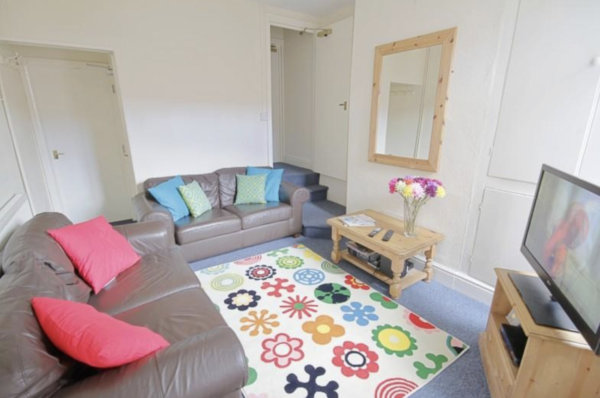
Learning Disability Week: How Student Accommodation Can Feel More Manageable and Supportive
Moving into student accommodation can be exciting, but it can also bring a great deal of change. New surroundings, unfamiliar people, different routines and increased responsibilities can feel overwhelming for many students, particularly those with a learning disability.
Learning Disability Week, which takes place each June, offers an important opportunity to think about how universities, accommodation providers, housemates and students themselves can help make university living feel more manageable, welcoming and supportive.
There is no single type of learning disability, and every student will have different strengths, preferences and support needs. The most helpful approach is therefore not to make assumptions, but to create accommodation environments that are clear, flexible and easy to navigate.
Why Student Accommodation Can Feel Overwhelming
Starting university often involves several major changes happening at once. A student may be learning how to cook, manage money, travel independently, follow a timetable and share a home for the first time.
For someone with a learning disability, everyday housing tasks may require additional time, explanation or support. Complicated laundry machines, unclear recycling systems, noisy shared kitchens and unexpected maintenance visits can all create unnecessary stress.
Even seemingly small issues, such as not knowing when bins are collected or how to report a broken appliance, can become difficult when information is unclear or spread across several apps, emails and noticeboards.
Universities and accommodation teams can make a meaningful difference by simplifying these processes and communicating them consistently.
Clear Information Makes a Big Difference
One of the most effective ways to make student accommodation more supportive is to provide clear, accessible information.
Welcome guides should use plain English, short sections and straightforward instructions. Important information, such as emergency contact details, fire safety procedures, laundry guidance and maintenance reporting, should be easy to find.
Pictures, symbols and step-by-step diagrams can also be helpful. For example, a visual guide explaining how to use an oven, lock a window or separate recycling may be easier to follow than a long written document.
Universities including the University of Nottingham, the University of Manchester and Cardiff University provide disability and student support services that students can contact when planning their transition into university life.
Students should be encouraged to speak to these teams before moving in, particularly when housing arrangements may need to be adapted.
The Importance of Predictable Routines
Routine can make a new environment feel safer and more manageable.
Simple habits, such as having a regular laundry day, meal-planning once a week or cleaning shared spaces at an agreed time, can reduce uncertainty. A written or visual weekly planner may help students keep track of household tasks alongside lectures, appointments and social activities.
Accommodation providers can also support routine by giving plenty of notice before room inspections, repairs or fire alarm tests. Unexpected entry into a bedroom or sudden changes to shared facilities can be distressing, so communication should be provided as early as possible.
Housemates can help by agreeing on shared expectations around cleaning, noise, food storage and visitors. These conversations should be respectful and collaborative rather than based on one person setting all the rules.
Practical Housing Features That Can Help
Student accommodation does not always need major alterations to become more accessible. Small, thoughtful features can make everyday life much easier.
Clear labels on cupboards, appliances and communal facilities can help students find what they need. Good lighting, uncluttered corridors and easy-to-read signs can also make buildings simpler to navigate.
In shared kitchens, allocated food-storage areas can reduce confusion. Colour-coded shelves or labelled cupboards may help students keep track of their belongings. Simple appliance controls and visible safety instructions can provide additional reassurance.
A quieter bedroom location may be beneficial for a student who finds noise distracting or stressful. Some students may also prefer an en-suite room, a smaller flat or accommodation close to campus so that travelling to lectures feels more manageable.
These needs should be discussed individually. What feels supportive for one student may feel restrictive or unnecessary for another.
Communication Should Be Respectful and Direct
Good communication is at the heart of supportive accommodation.
Staff should speak directly to the student rather than automatically addressing a parent, carer or support worker. Students should be given enough time to process information, ask questions and explain what would help them.
It is also useful to avoid vague phrases. Instead of saying that maintenance will arrive “later”, staff could provide a specific time window. Rather than asking whether a student “understands everything”, it may be more helpful to ask them to explain what they plan to do next.
Students should also know who to contact when they need help. A named accommodation officer, residential adviser or wellbeing contact can make support feel more personal and less confusing.
At institutions such as the University of Leeds, the University of Birmingham and the University of Bristol, students can access disability advisers and wider wellbeing services. However, students may still need support connecting university services with their practical housing needs.
How Housemates Can Create a Supportive Home
Housemates do not need to become carers. However, patience, consideration and open communication can help create a home where everyone feels comfortable.
This may involve explaining changes to plans clearly, keeping shared areas reasonably organised or checking before moving someone else’s belongings. It can also mean avoiding jokes or comments that make a student feel embarrassed about needing extra support.
Students with learning disabilities should be included in household decisions rather than spoken for or left out. Asking, “What would make this easier?” is often more helpful than assuming what someone needs.
Asking for Support Early
Students do not need to wait until a housing situation becomes unmanageable before asking for help.
Before moving in, they may wish to discuss room location, travel distance, kitchen arrangements, emergency procedures or support with independent living. A disability adviser may also help students explore reasonable adjustments and communicate with accommodation teams.
Parents and carers can support the transition by practising everyday tasks before university, such as cooking simple meals, budgeting, using public transport and reporting household problems.
However, it is equally important that the student has opportunities to make decisions and develop confidence.
Creating Accommodation Where Students Can Belong
Supportive student accommodation is not simply about buildings. It is about helping students feel informed, respected and included.
Learning Disability Week encourages people to listen to the experiences of individuals with learning disabilities and consider what practical changes can remove unnecessary barriers.
Clear instructions, predictable routines, thoughtful housing features and respectful communication can benefit every resident. For students with learning disabilities, they can be the difference between accommodation feeling confusing and stressful, or feeling like a safe place where they can settle, grow and belong.
Blogs you may also like:
- Celebrating Learning Disability Week 2024 within Universities
- Inclusivity in Student Housing: Ensuring a Welcoming Environment for All Students
- Neurodiversity-Friendly Study and Living: Routines, Sensory Tips, and Housemate Communication

A Parent’s Guide to Helping Your Child Settle into Private Accommodation
Moving into private accommodation is a milestone for your child – and for you.
It’s a shift from the structure of halls or living at home to a world of bills, bins, boiler checks and budgeting. It can feel exhilarating and daunting at the same time. As a parent, your role isn’t to micromanage the process, but to be the steady hand in the background: offering practical advice, a calm perspective, and confidence when things wobble.
This guide sets out how to be supportive without hovering, how to help with budgeting, and the key safety habits that will help your child thrive.
Supportive, not overbearing
The line between “helpful” and “helicopter” can be thin. A good rule is to coach, not control.
Encourage your child to take the lead on property viewings, paperwork and communications with letting agents or landlords. Offer to talk through questions beforehand, and debrief afterwards, rather than speaking on their behalf.
Suggest a short weekly check-in for the first month in the new place, then taper to fortnightly once they’ve found their rhythm. This creates a dependable routine without constant surveillance.
When issues arise – and they will – resist the urge to swoop in. If the oven stops working or a flatmate is noisy, help your child plan their next step: identify who to contact, draft a polite email, and set a time frame for a follow-up.
By guiding the process rather than taking over, you help them build the skills and self-belief they’ll need long after the tenancy ends.
Choosing the right place
Before a tenancy is signed, encourage your child to define their priorities. Proximity to campus or work, transport links, noise levels, and the general feel of the neighbourhood all matter more than glossy photos.
A short visit at different times of day can reveal a lot: how busy the road is at night, whether street lighting feels adequate, and how secure the building appears. Inside, advise them to check water pressure, window locks, warmth, damp patches and signs of mould. These are not “nice-to-haves” – they’re indicators of comfort, health and energy costs.
It’s sensible for your child to read the tenancy agreement in full and ask questions if anything is unclear. Clauses about deposits, notice periods, guarantors, and responsibility for garden or communal areas can be easily overlooked.
Encourage them to clarify how repairs are reported and within what timeframe the landlord aims to respond. This sets expectations and reduces conflict later.
Setting up for success in the first week
The first seven days are the foundation. Suggest that your child photographs the property thoroughly on move-in day, capturing meter readings, existing scuffs and the condition of appliances.
These photos should be stored safely with date stamps to support the inventory. Prompt them to register with utilities, choose a broadband supplier, and confirm their council tax or student status where relevant. It’s also a good time to map out local essentials: the nearest GP, pharmacy, supermarket, and a reliable locksmith.
Small rituals help the new space feel like home. A clean kitchen, a stocked cupboard with simple meal ingredients, and a fixed bedtime after the chaos of moving can stabilise energy and mood.
If there are flatmates, encourage a quick house meeting to agree ground rules on noise, guests, cleaning, and shared items. It’s far easier to set expectations early than to unpick resentments later.
Budgeting without the stress
Money worries are one of the fastest ways to sour a new living situation. A clear, realistic budget gives your child control.
Start by listing fixed costs: rent, utilities, broadband, mobile, and transport. Then estimate variable spending for food, course materials and social life. If income varies – through part-time work or seasonal shifts – plan around the lowest predictable monthly income so there’s a buffer.
Encourage your child to separate their money into digital “pots” on payday: essentials first, then savings for emergencies, and finally discretionary spending. This helps them see the true cost of commitments, and makes it obvious when a treat is affordable.
For shared houses, suggest one person sets up utilities with each housemate transferring their share on the same date every month. Fewer hands on the accounts means fewer errors; clarity and communication prevent arguments.
Your child should expect costs to spike in winter due to heating. Talk about simple habits that save money without sacrificing comfort: heating on a timer rather than constantly, draft excluders, and appropriate clothing indoors.
Encourage batch cooking and planned food shops rather than impulse takeaways. These are practical skills, not punishments, and they quickly add up.
Safety first, always
A safe home is non-negotiable. Advise your child to test smoke and carbon monoxide alarms on day one and to note the location of the fuse box and water stop tap.
Windows and doors should have working locks; if they don’t, it’s reasonable to request a fix. Remind them never to let unknown people tailgate into the building and to keep valuables out of view from street-facing windows.
Encourage a routine for coming and going at night: stick to well-lit routes, walk with friends where possible, and share live locations with trusted contacts if travelling late. If cycling, a properly fitted helmet and strong D-lock are essential, and bikes should be secured to fixed stands rather than flimsy railings.
Inside the flat, remind them not to leave pans unattended, to keep escape routes clear, and to resist overloading sockets with multiple high-wattage devices.
Boundaries and wellbeing
New independence can blur boundaries. Suggest your child chooses a reasonable “quiet hours” window for the flat and sticks to it, both for their own rest and out of respect for neighbours.
Sleep is the hidden engine of good decisions, stable mood and academic progress. It’s also worth proposing a simple screen-curfew – parking phones away from the bed – to reduce late-night scrolling and improve sleep quality.
If homesickness, anxiety or flatmate tensions build, normalise asking for help. University wellbeing services, local NHS options and community groups can provide support. A chat with a trusted friend or family member can defuse spiralling thoughts.
Make it clear you’re available to listen without judgement; often, being heard is the most helpful intervention.
Handling problems with landlords and repairs
Even in well-run properties, things break. Encourage your child to report issues promptly, in writing, with photos and a clear description.
Polite, factual language goes further than emotion: what the problem is, when it started, and the impact on day-to-day living. They should keep copies of all correspondence and note dates of visits or missed appointments.
If communication stalls, a calm follow-up with reasonable timeframes demonstrates seriousness while remaining fair.
Where disputes arise in shared houses – cleaning standards, guests, bills – encourage a structured conversation. Identify the specific behaviour causing difficulty, explain why it’s a problem, and propose a workable solution.
If necessary, suggest rotating responsibilities or using a shared calendar for chores and rent dates. The aim isn’t to “win” but to restore a livable balance.
Insurance, contents and what’s worth protecting
Contents insurance can be surprisingly affordable and offers peace of mind for laptops, phones and bikes. It’s sensible to compare policies, paying attention to single-item limits and whether bikes are covered inside and outside the property.
Your child should also record serial numbers of high-value items and consider device tracking features. Practical steps like keeping doors and windows locked, not advertising valuables on social media, and storing packaging discreetly after big purchases all reduce risk.
Building a supportive local network
Encourage your child to connect with their immediate surroundings. Knowing the neighbours – even just to exchange first names – can be a quiet safety net.
Local cafés, libraries and community spaces offer low-cost places to study or decompress. Joining a society, sports club or volunteer group helps newcomers feel rooted and less isolated, particularly after the initial excitement wears off.
A stable routine of work, study, movement and rest will do more for wellbeing than any number of inspirational quotes.
When to step in
There are moments when a parent’s firmer involvement is appropriate. If your child mentions serious safety concerns, persistent disrepair affecting health, harassment, or financial exploitation, help them escalate through the correct channels.
Encourage them to document everything and to seek formal guidance where available. Your steady presence can make daunting processes feel manageable. Still, wherever possible, keep them front-and-centre in communications so they retain ownership of their living situation.
A final word
Helping your child settle into private accommodation is less about solving every problem and more about equipping them to solve most problems themselves.
Be present but not prying. Offer frameworks, not edicts. Encourage budgets that reflect reality, habits that protect safety, and routines that sustain health. Celebrate the wins – first rent paid on time, first successful repair request, first dinner cooked for friends – and treat setbacks as lessons rather than failures.
With your quiet support and their growing confidence, that new set of keys becomes more than access to a flat. It becomes a doorway to capable, independent adulthood.
Read More