Latest Posts
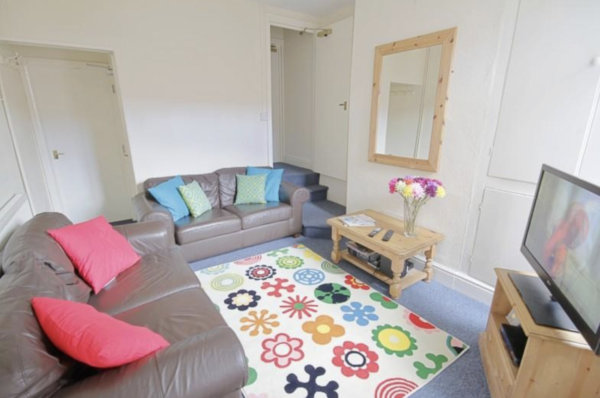
Learning Disability Week: How Student Accommodation Can Feel More Manageable and Supportive
Moving into student accommodation can be exciting, but it can also bring a great deal of change. New surroundings, unfamiliar people, different routines and increased responsibilities can feel overwhelming for many students, particularly those with a learning disability.
Learning Disability Week, which takes place each June, offers an important opportunity to think about how universities, accommodation providers, housemates and students themselves can help make university living feel more manageable, welcoming and supportive.
There is no single type of learning disability, and every student will have different strengths, preferences and support needs. The most helpful approach is therefore not to make assumptions, but to create accommodation environments that are clear, flexible and easy to navigate.
Why Student Accommodation Can Feel Overwhelming
Starting university often involves several major changes happening at once. A student may be learning how to cook, manage money, travel independently, follow a timetable and share a home for the first time.
For someone with a learning disability, everyday housing tasks may require additional time, explanation or support. Complicated laundry machines, unclear recycling systems, noisy shared kitchens and unexpected maintenance visits can all create unnecessary stress.
Even seemingly small issues, such as not knowing when bins are collected or how to report a broken appliance, can become difficult when information is unclear or spread across several apps, emails and noticeboards.
Universities and accommodation teams can make a meaningful difference by simplifying these processes and communicating them consistently.
Clear Information Makes a Big Difference
One of the most effective ways to make student accommodation more supportive is to provide clear, accessible information.
Welcome guides should use plain English, short sections and straightforward instructions. Important information, such as emergency contact details, fire safety procedures, laundry guidance and maintenance reporting, should be easy to find.
Pictures, symbols and step-by-step diagrams can also be helpful. For example, a visual guide explaining how to use an oven, lock a window or separate recycling may be easier to follow than a long written document.
Universities including the University of Nottingham, the University of Manchester and Cardiff University provide disability and student support services that students can contact when planning their transition into university life.
Students should be encouraged to speak to these teams before moving in, particularly when housing arrangements may need to be adapted.
The Importance of Predictable Routines
Routine can make a new environment feel safer and more manageable.
Simple habits, such as having a regular laundry day, meal-planning once a week or cleaning shared spaces at an agreed time, can reduce uncertainty. A written or visual weekly planner may help students keep track of household tasks alongside lectures, appointments and social activities.
Accommodation providers can also support routine by giving plenty of notice before room inspections, repairs or fire alarm tests. Unexpected entry into a bedroom or sudden changes to shared facilities can be distressing, so communication should be provided as early as possible.
Housemates can help by agreeing on shared expectations around cleaning, noise, food storage and visitors. These conversations should be respectful and collaborative rather than based on one person setting all the rules.
Practical Housing Features That Can Help
Student accommodation does not always need major alterations to become more accessible. Small, thoughtful features can make everyday life much easier.
Clear labels on cupboards, appliances and communal facilities can help students find what they need. Good lighting, uncluttered corridors and easy-to-read signs can also make buildings simpler to navigate.
In shared kitchens, allocated food-storage areas can reduce confusion. Colour-coded shelves or labelled cupboards may help students keep track of their belongings. Simple appliance controls and visible safety instructions can provide additional reassurance.
A quieter bedroom location may be beneficial for a student who finds noise distracting or stressful. Some students may also prefer an en-suite room, a smaller flat or accommodation close to campus so that travelling to lectures feels more manageable.
These needs should be discussed individually. What feels supportive for one student may feel restrictive or unnecessary for another.
Communication Should Be Respectful and Direct
Good communication is at the heart of supportive accommodation.
Staff should speak directly to the student rather than automatically addressing a parent, carer or support worker. Students should be given enough time to process information, ask questions and explain what would help them.
It is also useful to avoid vague phrases. Instead of saying that maintenance will arrive “later”, staff could provide a specific time window. Rather than asking whether a student “understands everything”, it may be more helpful to ask them to explain what they plan to do next.
Students should also know who to contact when they need help. A named accommodation officer, residential adviser or wellbeing contact can make support feel more personal and less confusing.
At institutions such as the University of Leeds, the University of Birmingham and the University of Bristol, students can access disability advisers and wider wellbeing services. However, students may still need support connecting university services with their practical housing needs.
How Housemates Can Create a Supportive Home
Housemates do not need to become carers. However, patience, consideration and open communication can help create a home where everyone feels comfortable.
This may involve explaining changes to plans clearly, keeping shared areas reasonably organised or checking before moving someone else’s belongings. It can also mean avoiding jokes or comments that make a student feel embarrassed about needing extra support.
Students with learning disabilities should be included in household decisions rather than spoken for or left out. Asking, “What would make this easier?” is often more helpful than assuming what someone needs.
Asking for Support Early
Students do not need to wait until a housing situation becomes unmanageable before asking for help.
Before moving in, they may wish to discuss room location, travel distance, kitchen arrangements, emergency procedures or support with independent living. A disability adviser may also help students explore reasonable adjustments and communicate with accommodation teams.
Parents and carers can support the transition by practising everyday tasks before university, such as cooking simple meals, budgeting, using public transport and reporting household problems.
However, it is equally important that the student has opportunities to make decisions and develop confidence.
Creating Accommodation Where Students Can Belong
Supportive student accommodation is not simply about buildings. It is about helping students feel informed, respected and included.
Learning Disability Week encourages people to listen to the experiences of individuals with learning disabilities and consider what practical changes can remove unnecessary barriers.
Clear instructions, predictable routines, thoughtful housing features and respectful communication can benefit every resident. For students with learning disabilities, they can be the difference between accommodation feeling confusing and stressful, or feeling like a safe place where they can settle, grow and belong.
Blogs you may also like:
- Celebrating Learning Disability Week 2024 within Universities
- Inclusivity in Student Housing: Ensuring a Welcoming Environment for All Students
- Neurodiversity-Friendly Study and Living: Routines, Sensory Tips, and Housemate Communication

10 Pieces of Advice from Students for New Students
Starting university for the first time is exciting, overwhelming, and sometimes a little nerve-wracking. You’re stepping into a whole new world – new friends, new responsibilities, and yes, a lot of new deadlines.
But don’t worry, plenty of students have been where you are now, and they’ve got the tips to help you navigate your first year without losing your mind (or your favourite hoodie in the laundry room).
Here are 10 pieces of advice from students who have been through it all – the good, the bad, and the “why did I sign up for an 8am lecture?” moments.
1. Don’t Blow Your Budget in Freshers’ Week
It’s tempting to splash the cash during those first few days – there are endless events, takeaways with your new flatmates, and late-night trips to the supermarket because you forgot to buy milk.
But your student loan isn’t bottomless, and you’ll quickly regret it if you burn through it too soon.
Older students recommend setting yourself a weekly budget right from the start. Apps like Monzo or Revolut are brilliant for keeping track of spending. That way, you can still enjoy yourself without having to live on instant noodles by November.
2. Go to Your Lectures – Seriously
It might feel like the ultimate act of freedom to skip a morning lecture, especially after a late night, but resist the temptation. Those sessions aren’t just for show – they’re where you pick up the knowledge (and sometimes the hints) you need for your assignments and exams.
If you really can’t make it one day, make sure to catch up on recordings or borrow notes from a course mate. Falling behind early can make the rest of the semester a stressful uphill climb.
3. Don’t Be Afraid to Speak Up
Whether it’s asking a question in class, emailing a lecturer when you’re confused, or introducing yourself to someone new, speaking up will make your uni experience so much better.
Older students say lecturers appreciate students who engage and show interest. Plus, being proactive helps you make friends, get help faster, and even stand out for future opportunities.
Remember: everyone’s in the same boat at the start, so don’t let shyness hold you back.
4. Get Involved Beyond Your Course
Joining societies, clubs, or sports teams isn’t just about having fun – it’s one of the best ways to make friends and build skills you’ll use for the rest of your life.
You don’t have to be an expert to get involved. Never played volleyball before? Sign up anyway. Interested in photography? The university camera club probably has space.
These activities will make your timetable more exciting and give you a break from coursework stress.
5. Learn to Cook at Least Three Decent Meals
You’ll thank yourself later if you can whip up a few easy, affordable meals that aren’t just pasta with jarred sauce. Cooking for yourself saves money, keeps you healthier, and makes you a hero when your flatmates are stuck eating cereal for dinner.
Some student favourites? A good stir-fry, homemade curry, or a traybake you can portion for the week. Oh, and learn how to store food properly – nothing’s worse than throwing away food you forgot about in the fridge.
6. Look After Your Health – Mental and Physical
University can be a whirlwind, and it’s easy to let your wellbeing slide when deadlines loom. But your health is just as important as your grades.
Make sure you register with a local GP, stay active (even if it’s just walking to lectures), and keep an eye on your mental health. Many universities offer free counselling or wellbeing support – use them if you need to.
Older students say one of the best lessons they learned was that asking for help is a sign of strength, not weakness.
7. Stay Organised from Day One
It’s easy to underestimate how fast assignments, readings, and exams pile up. Having a calendar – whether it’s on your phone or a physical planner – will save you from last-minute panic.
Write down every deadline as soon as you get it. Break big projects into smaller tasks and spread them out over time. Trust us, doing your work in manageable chunks beats pulling a 3am all-nighter while fuelled by energy drinks and regret.
8. Don’t Compare Yourself to Everyone Else
It’s easy to feel like everyone around you has it all together – perfect grades, a buzzing social life, and somehow time to hit the gym five times a week. But appearances can be deceiving.
Older students agree: focus on your own progress. University isn’t a competition (unless you’re literally on a sports team). Everyone’s journey is different, and your time at uni should be about discovering what works for you – academically, socially, and personally.
9. Take Advantage of Student Discounts
From half-price streaming services to cheaper train tickets, your student ID is like a magic key to saving money. Download apps like UNiDAYS and Student Beans, and don’t be shy about asking if a shop offers a student discount – you’d be surprised how many do.
Even small savings add up, and it means you can stretch your budget further for fun stuff like trips, gigs, or the occasional fancy meal out.
10. Enjoy the Experience – It Goes Faster Than You Think
Right now, it might feel like you have all the time in the world, but ask any graduate and they’ll tell you: university flies by. Between lectures, exams, and late-night conversations with friends, the years pass quicker than you expect.
So, go to that event you’re unsure about. Take the day trip. Say yes to a spontaneous coffee. You’ll never get this exact mix of freedom and opportunity again, so make the most of it.
Final Thoughts
Starting university can feel like standing at the edge of a giant adventure – a little scary, but also full of possibilities. By listening to the advice of those who’ve been there before, you can skip some of the common pitfalls and make your first year a rewarding, unforgettable experience.
So, take these tips, make them your own, and remember: every student starts somewhere, and before you know it, you’ll be the one giving advice to the next wave of freshers.
Read More
Getting Around Bristol: Transport Tips for Students
Bristol is one of the United Kingdom’s most vibrant student cities – creative, buzzing, and full of energy.
But whether you’re new to the city or returning for another academic year, knowing how to get around can make a big difference to your daily life. With its mix of historic charm and modern convenience, Bristol offers a variety of transport options that suit every student’s lifestyle and budget.
From buses and bikes to walking routes and weekend getaways, here’s your essential guide to navigating Bristol with ease.
Buses: Your Everyday Travel Companion
The bus network in Bristol is a lifeline for many students, especially those living a little further from campus or commuting between university sites.
Operated mostly by First West of England, the bus services cover almost every corner of the city. For students at the University of Bristol or UWE (University of the West of England), there are specific routes that cater to the student population.
Services like the U1 and U2 connect university buildings and halls with key city areas, while other popular routes, such as the 70, 71, 75, and 76, link the city centre with UWE’s Frenchay and Glenside campuses.
Most students opt for a term-time or monthly student bus pass to keep costs down. These can be purchased through the First Bus app, which also allows you to view real-time timetables and journey planners – a real lifesaver on rainy mornings.
What’s more, if you’re only using buses occasionally, there are flexible bundles available to suit part-time travel too.
Walking: A Surprisingly Scenic Option
One of the best things about student life in Bristol is that many of the main areas are comfortably walkable.
If you’re living in areas like Clifton, Redland, Cotham, or even Gloucester Road, chances are your daily journey to lectures or the library can be done on foot. Not only is walking free, but it also gives you a chance to discover the city’s hidden gems – from quirky independent shops to eye-catching street art on every corner.
Walking is also a great way to build up a sense of direction in a new city. That said, it’s worth preparing for Bristol’s infamous hills – especially Park Street and St Michael’s Hill, which can be a challenge if you’re running late or carrying a backpack full of books.
A top tip that will more than likely be useful would be to purchase a good pair of shoes and a lightweight waterproof jacket, as they are highly recommended.
Cycling in the UK’s First Cycling City
Bristol was the first UK city to be officially named a “Cycling City”, and it lives up to that title.
With its growing network of dedicated cycle paths and bike-friendly roads, cycling has become an increasingly popular mode of transport for students. It’s quick, environmentally friendly, and helps you avoid crowded buses during peak times.
If you don’t have your own bike, there are still plenty of options. The YoBike scheme offers affordable cycle hire through a smartphone app, letting you unlock bikes scattered across the city for short trips.
For something more long-term, The Bristol Bike Project refurbishes second-hand bikes at budget-friendly prices – a great way to support local initiatives while getting around affordably.
Make sure to invest in a good lock and always park your bike securely. A helmet and high-visibility accessories are also smart choices, especially during Bristol’s darker, rainier months.
Exploring Further: Trains and Coaches
When you need to travel beyond Bristol – whether it’s heading home for the holidays or planning a weekend adventure – the city’s transport links won’t let you down.
Bristol Temple Meads is the city’s main rail station, offering direct services to London, Cardiff, Birmingham, and many other major destinations. UWE students might also find Bristol Parkway more convenient, particularly for journeys towards the Midlands and North of England.
To make the most of these services, it’s worth investing in a 16–25 Railcard, which gives a third off most train fares. Combine that with booking in advance, and you can travel on a student budget with no problem.
If train prices still feel steep, long-distance coaches like National Express and Megabus offer cheaper alternatives – just be ready for a longer journey.
Budget-Friendly Tips for Everyday Travel
Getting around Bristol doesn’t have to break the bank. The key is to take advantage of student discounts and plan your routes in advance. Most transport services offer student fares, and using apps like First Bus, Trainline, or Voi (for e-scooter hire) can help you track timings and find the best deals.
Traveling during off-peak hours can also save money, especially on trains. Some students also join university or community Facebook groups to share lifts for out-of-town trips, which is not only cost-effective but a great way to meet people.
And of course, walking remains the most reliable and budget-friendly option – no delays, no tickets, no stress.
Making Bristol Yours
Ultimately, the best way to get around Bristol depends on your personal schedule, where you live, and your lifestyle.
Whether you’re cycling to campus in the morning, catching a bus to meet friends in the evening, or strolling back from a late library session, Bristol has a transport option that works for you.
Learning how to navigate the city early on will save you time and money in the long run – and help you make the most of everything this creative and colourful city has to offer. So explore your routes, test your options, and settle into your new rhythm.
Bristol is all yours – go enjoy it.
Read More
Exam Hacks That Students Need to Know Ready for Summer Exam Season
As the academic year reaches its final stages, university students across the United Kingdom are turning their attention to the summer exam season.
For many, this time of year can bring a mix of stress, long study hours, and the pressure to perform. However, with the right preparation and a few clever exam hacks, students can approach this period feeling more organised, confident, and ready to tackle their exams head-on.
Whether you’re in your first year of university or facing your final set of assessments, this guide offers practical advice, helpful techniques, and proven revision methods to help students make the most of their study time and perform at their best when exam day arrives.
When is the Summer Exam Season in 2025?
In the UK, the university summer exam season typically falls between May and June. For 2025, most universities are expected to hold their main summer examinations from early May through to late June.
The exact dates will depend on individual university timetables, which are usually released between February and April.
For students, this means that preparation should ideally begin in earnest around March or April. Leaving revision until the final few weeks often leads to unnecessary stress and poor information retention.
Planning ahead and starting early gives students a significant advantage, allowing plenty of time to revisit challenging topics and build confidence.
Why a Proper Revision Timetable is Essential
One of the most effective ways to tackle exam preparation is by creating a structured revision timetable.
However, it’s important that this is more than just a to-do list of topics. A good revision timetable breaks subjects down into manageable chunks, helps prioritise weaker areas, and ensures that every topic is given enough attention.
Working backwards from exam dates can help in allocating sufficient time for each subject, while building in regular breaks and non-study periods can prevent burnout. Using digital tools like Google Calendar, Notion, or Trello can help students keep their timetable flexible and track their progress along the way.
The Science Behind Active Recall and Spaced Repetition
Two of the most powerful revision techniques are active recall and spaced repetition.
Active recall involves testing yourself repeatedly on the material you’ve learned rather than passively re-reading notes. This might involve writing down everything you know about a topic without looking at your notes or creating flashcards to test your knowledge.
Spaced repetition, on the other hand, involves reviewing information at increasing intervals over time. This method strengthens long-term memory and helps prevent last-minute cramming.
Digital flashcard tools like Anki or Quizlet can help automate this process, making revision more efficient and effective.
Past Papers are Your Best Friend
Past exam papers are often one of the most underused resources available to students. They provide invaluable insight into the types of questions that are likely to appear, how they are structured, and what examiners are looking for in high-scoring answers.
Reading through past papers is important, but going a step further and studying the corresponding mark schemes can provide an extra edge.
Mark schemes highlight key phrases, terminology, and structures that are consistently rewarded. By familiarising yourself with these, you can learn how to write in a way that aligns with examiner expectations.
The Pomodoro Technique: A Smart Way to Stay Focused
One of the most effective methods for maintaining focus during revision is using the Pomodoro Technique, which involves studying in short bursts followed by brief breaks.
Typically, this means working for 25 minutes with full concentration, then taking a 5-minute break, and repeating this cycle several times before having a longer rest.
This approach helps prevent fatigue, keeps your mind fresh, and encourages deep concentration during the 25-minute study periods. It can be particularly helpful when motivation is low or when tackling difficult subjects that require greater mental energy.
Don’t Underestimate the Power of Visual Learning
Many students find that visual learning aids can dramatically improve memory and understanding of complex topics.
Creating mind maps, diagrams, flowcharts, or even visual stories can help cement ideas in the brain more effectively than simply reading or writing notes.
Even drawing cartoons or silly images to represent certain concepts can trigger memory recall during exams. Digital tools like MindMeister or Lucidchart allow students to create these visuals online, but traditional pen and paper work just as well.
Look After Your Health and Wellbeing
No matter how good your revision techniques are, they won’t be as effective if you neglect your physical and mental wellbeing.
During exam season, it’s vital to stay hydrated, eat balanced meals, and aim for consistent sleep routines of 7-8 hours per night. Regular physical activity, even a short walk or light stretching, can also refresh the mind and reduce stress levels.
Students should also be mindful of their mental health. If stress becomes overwhelming, it’s important to talk to friends, family, or seek out student support services. Managing anxiety is a key part of performing well under exam conditions.
Memory Tricks and Mnemonics for Quick Recall
Sometimes, the simplest memory tricks can make all the difference.
Mnemonics, acronyms, rhymes, and chunking information into smaller groups are all time-tested methods for improving recall.
Creating quirky or funny sentences to remember lists or processes can also help, especially in subjects like science, history, or law where detailed information is essential.
Getting Exam Day Ready
When exam day arrives, preparation is just as important as performance.
Packing everything the night before – from stationery to your university ID – can help avoid a morning panic. Eating a slow-energy breakfast, arriving at the exam venue early, and taking a few deep breaths before starting can all help settle nerves.
During the exam itself, reading questions carefully, managing your time effectively, and not dwelling too long on difficult questions are all good strategies for success.
Final Thoughts
Exams will always bring a certain level of pressure, but with the right techniques and preparation, students can approach the summer 2025 exam season feeling confident, focused, and ready to succeed.
Remember, exams are not just a test of knowledge, but also a test of preparation, organisation, and mindset.
Start early, study smart, and most importantly – take care of yourself. Summer success might just be closer than you think.
Read More