Latest Posts

From Clearing Offer to Student University Accommodation: Your Immediate Checklist
Receiving a university offer through Clearing can bring a huge sense of relief, especially after days or weeks of uncertainty.
However, once the excitement settles, attention quickly turns to the next major question: where are you going to live?
Student accommodation after Clearing often moves quickly. Rooms may already have been reserved by applicants who confirmed their places earlier in the year, while other students will be searching at the same time following results day.
Acting promptly can therefore make the difference between securing suitable accommodation and having to compromise on location, price or facilities.
The good news is that there are still plenty of options available. From university halls and private student residences to shared houses and studios, students who approach the process calmly and methodically can still find a comfortable place to live.
Confirm Your University Place First
Before signing an accommodation contract, make sure your university place has been formally confirmed. A verbal conversation or provisional offer may not be enough, particularly if additional documents or qualifications still need to be checked.
Review your UCAS Hub and any emails sent by the university. You may also receive instructions about completing online registration, uploading identification or confirming your acceptance.
Universities such as the University of Leicester, Loughborough University, the University of Birmingham and Nottingham Trent University often provide dedicated Clearing information for successful applicants. Accommodation guidance may arrive separately from the main offer, so check your inbox regularly, including your junk folder.
Once the offer is confirmed, make a note of your course start date, expected arrival period and any induction events. These details will help you decide when your tenancy needs to begin.
Contact the University Accommodation Team
Your first accommodation enquiry should usually be made directly to the university.
Some institutions guarantee accommodation for Clearing applicants who meet specific deadlines, while others allocate remaining rooms on a first come, first served basis.
Ask whether spaces are still available in university-managed halls and whether there is a waiting list. It is also worth checking whether the university works with approved private accommodation providers or maintains a list of trusted local landlords.
Do not assume that halls are unavailable simply because you applied through Clearing. Cancellations, deferred places and changes of university can release rooms throughout August and September.
When contacting the accommodation team, have your student number or Clearing reference ready. This can help staff locate your application and provide accurate information more quickly.
Decide What You Can Realistically Afford
Accommodation costs can vary significantly depending on the city, room type, contract length and whether bills are included.
A studio in central London, for example, is likely to cost considerably more than a room in a shared student house in Leicester, Sheffield or Newcastle.
Work out your maximum weekly or monthly budget before arranging viewings or completing applications. Include rent, deposits, utility bills, internet, travel, food and general living expenses.
A room that appears cheap may become less affordable when gas, electricity, water and broadband are added. Equally, accommodation with bills included may offer greater financial certainty, particularly for first-year students managing their own household costs for the first time.
Check how much student finance you are likely to receive and when payments will arrive. You should also find out whether the accommodation provider requires a guarantor, advance rent payment or holding deposit.
Compare the Main Accommodation Options
University halls can be appealing for Clearing students because they provide a straightforward route into student life. Bills are normally included, maintenance support is available and there are usually plenty of opportunities to meet other students.
Private student accommodation can offer similar benefits, including furnished rooms, communal facilities and on-site management. However, prices and contract terms can differ considerably, so read the details carefully.
Shared student houses may provide more space and flexibility, particularly for students who already know people in the same city. The main challenge after Clearing is that many established friendship groups will have arranged housing months earlier.
Do not let this put you off. Spare rooms regularly become available when students change courses, withdraw from university or alter their plans. University housing groups, student accommodation websites and reputable local letting agents may all advertise individual rooms.
Check the Location Before Committing
A property may look ideal online but still be inconvenient for your course. Check how far it is from the university campus, library, supermarkets, transport links and city centre.
Some universities operate across several campuses. Students attending the University of Manchester, University of Leeds or University of Bristol, for example, should confirm where most teaching sessions will take place before selecting an area.
Use journey-planning tools to check walking and public transport times. A slightly cheaper room may not represent good value if it requires an expensive daily commute.
You should also consider whether the area feels suitable for your lifestyle. Some students prefer lively neighbourhoods close to nightlife, while others value quieter streets and easier access to study spaces.
Read the Tenancy Agreement Carefully
The pressure to find accommodation should never prevent you from checking the contract. Read the full tenancy agreement before signing and make sure you understand the rent, payment schedule, tenancy dates and cancellation rules.
Check whether bills are included, who is responsible for repairs and whether there are extra charges for laundry, parking or administrative services. You should also look for information about deposits, guarantors and what happens if you decide not to attend the university.
Be cautious if you are asked to transfer money before viewing the property, verifying the accommodation provider or receiving a formal agreement. Students searching after Clearing can be targeted by rental scams because fraudsters know they may feel rushed.
Where possible, arrange an in-person viewing or request a live video tour. Photographs alone may not show the property’s current condition.
Prepare for Moving Day Immediately
Once your accommodation is secured, confirm your moving date and find out what is already provided. Most student rooms include basic furniture, but items such as bedding, kitchen equipment, lamps and cleaning products may need to be purchased separately.
Ask whether you need to book an arrival slot, collect keys from a reception desk or complete an online induction before moving in. Universities and private halls may operate staggered arrival times during the busiest weekends.
You should also arrange contents insurance, update your address where necessary and begin planning travel to the property.
Act Quickly, but Do Not Panic
Finding student accommodation after Clearing can feel like a race, but rushing into an unsuitable or unaffordable agreement may create problems throughout the academic year.
Start by confirming your offer, contacting the university and setting a realistic budget. Compare several options, check the location and read every contract before committing.
Clearing may change the timeline, but it does not have to limit your university experience.
With prompt action and careful checks, you can move from accepting your offer to securing accommodation with confidence, ready to begin the next stage of student life.
Blogs you may also like:
- UCAS Clearing 2026 Is Open: What University Applicants Should Do Now
- UCAS Clearing Begins: Why Students Should Think About Accommodation Before Results Day
- August at loc8me: Clearing Chaos, Career Climbs & Community Hugs

UCAS Clearing 2026 Is Open: What University Applicants Should Do Now
UCAS Clearing 2026 is officially open, giving applicants another opportunity to secure a university place for courses beginning this autumn.
For some students, Clearing is part of a carefully prepared back-up plan. For others, it becomes relevant because their results were different from those expected, they received no suitable offers or they have changed their mind about where or what they want to study.
Whatever the reason, entering Clearing does not mean accepting whatever course is available. Applicants still have time to research their options, compare universities and make a decision that supports their academic goals, finances and preferred student lifestyle.
The important thing is to understand the key Clearing dates and know what action to take at each stage.
When Did UCAS Clearing 2026 Open?
UCAS Clearing opened on Thursday 2 July 2026 and will remain available until Monday 19 October 2026. Clearing is the process universities and colleges use to fill places that are still available on their courses.
Applications submitted after 6pm on 30 June are automatically entered into Clearing, while 1 July was the final day for applicants to add a course through UCAS Extra. From 2 July, eligible students can view their Clearing number and search for available courses through the official UCAS search tool.
Clearing may already be open, but that does not mean every applicant needs to make a decision immediately.
Students who already have their confirmed results can begin contacting universities now. Applicants still waiting for A level or other Level 3 results can use July to prepare, research and create a shortlist.
The Main UCAS Clearing Dates for 2026
Several dates will shape the Clearing process this summer:
- 22 July 2026: Applicants who received their final university decision by 15 July normally need to reply to their offers by this date.
- 4 August 2026: Qualifications Scotland results day. Eligible applicants can add a Clearing choice from 10am.
- 13 August 2026: JCQ results day for England, Wales and Northern Ireland. The UCAS Hub opens with updated application statuses from 8am, while eligible applicants can add a Clearing choice from 1pm.
- 2 September 2026: The final date for applicants to use the UCAS “Decline my place” service.
- 24 September 2026 at 6pm: The final deadline for submitting a 2026 UCAS undergraduate application.
- 19 October 2026: The final date for adding a 2026 Clearing choice.
A large number of additional vacancies are expected to become visible around A level results day on 13 August.
This means applicants who cannot currently find the right course should continue checking rather than assuming their options have disappeared. Universities regularly update their vacancies as places are accepted, declined or released.
Who Can Use Clearing in 2026?
Clearing is available to more than just applicants who miss the grades required by their firm and insurance universities.
You may be able to use Clearing if you are applying after 30 June, did not receive any offers, declined the offers you received or did not meet the conditions of your existing offers. It can also be used by someone who has received better results than expected and now wants to explore a different course or university.
Applicants who have not previously submitted a UCAS application can still apply. They must register, complete and submit an application before adding a Clearing choice. For 2026, students applying directly through Clearing after 30 June can also use UCAS’s document upload service to provide supporting information where required.
International applicants can use Clearing too. However, they may need to provide additional documents, English language test results and information required for the student visa process.
International students should therefore speak to university admissions teams as early as possible once their results are available.
Check Your UCAS Hub Before Doing Anything Else
Your first step should be to sign in to the UCAS Hub and check your current application status.
If you are eligible for Clearing, your application should say that Clearing has started and display your Clearing number. You will need this number, along with your UCAS Personal ID, when speaking to universities.
Do not panic if your status has not updated immediately after receiving your results. A university may still be considering your application, particularly if you narrowly missed the original entry requirements. Contact the university before assuming that your place has been rejected.
Some universities operate a near-miss process. The University of Leicester, for example, states that it will automatically reconsider applicants who narrowly miss their offer and may explore similar courses or foundation options before making a final decision.
Start Researching Clearing Courses Now
Applicants should use the official UCAS search tool as the starting point for finding vacancies. It is the official Clearing vacancy list and is updated by universities throughout the process.
Search for your preferred subject, but remain open to related courses. A student originally applying for psychology, for example, might also consider psychology with sociology, psychology with education or a foundation year. Joint honours and courses with an integrated foundation year can provide additional routes into a subject.
Universities such as the University of Leicester, Nottingham Trent University and the University of Birmingham already have active Clearing 2026 information and application pages.
Loughborough University is also encouraging applicants who are waiting for their results to research subject areas and prepare a shortlist before vacancies and entry requirements are released on A level results day.
Do not compare courses by title alone. Look closely at the compulsory and optional modules, teaching methods, assessment style, professional accreditation, placement opportunities and career support. Two courses with the same name can offer very different experiences.
Prepare Before Contacting Universities
Once you find a suitable vacancy, contact the university before adding it to your UCAS application.
Have your UCAS Personal ID, Clearing number, grades and UCAS Tariff points ready. It is also helpful to note the university name, course title, course code and admissions contact details before making the call.
The admissions team may ask why you are interested in the course, what you have achieved and why you believe the university is suitable for you. Prepare a few short points so you can answer clearly and confidently.
You can contact several universities and receive more than one informal offer. This gives you an opportunity to compare your options before making a final commitment. Ask how long each offer will remain valid and request written confirmation wherever possible.
Compare More Than Entry Requirements
A university place is only one part of the decision. You also need somewhere suitable and affordable to live.
Ask every university about accommodation availability, application deadlines and whether Clearing students are guaranteed a room. Policies vary considerably.
Loughborough University, for example, is guaranteeing university accommodation to students joining through Clearing in 2026 if they apply before its stated deadline. Other universities may allocate remaining rooms on a first come, first served basis.
You should also investigate rent, transport costs, campus location, student support, disability services and the general cost of living in the area. Studying at the University of Birmingham, Nottingham Trent University or the University of Leicester will provide a different experience from attending a smaller campus-based university.
Virtual tours and Clearing open days can help when travelling to every university is not realistic. Even a short conversation with a current student can reveal more about the course and location than a league table alone.
Only Add a Clearing Choice After Receiving Permission
Receiving an informal offer does not automatically confirm your university place. The university must give you permission to add the course as your Clearing choice.
Once you are ready, sign in to the UCAS Hub, open the choices section and select “Add Clearing choice”. Enter the institution and course details provided by the university before the deadline stated in your offer.
You can only add one Clearing choice at a time. Adding it means you are accepting that offer, so do not enter a course while you are still deciding between universities. If the university does not confirm your place, you will normally be able to add another choice.
Applicants who already hold an unconditional firm place can enter Clearing by using the “Decline my place” option. However, this cancels the existing university place and may also affect accommodation or scholarship arrangements. The decision is not automatically reversible, so applicants should secure an alternative offer before releasing themselves.
What Happens After Your Place Is Confirmed?
Once the university confirms your Clearing choice through UCAS, begin organising the practical details immediately.
Apply for accommodation, update Student Finance England or the relevant funding organisation with your new university and course, and check whether the university needs copies of your certificates. You should also review enrolment dates, reading lists and moving arrangements.
Clearing can move quickly, but a fast process does not have to mean a rushed decision. Researching early, preparing questions and understanding the important dates will help you remain in control.
UCAS Clearing 2026 is not simply a final chance to attend university. It can be an opportunity to reconsider your priorities, discover courses you had not previously explored and find a university that may suit you better than your original choices.
Blogs you may also like:
- UCAS Clearing Begins: Why Students Should Think About Accommodation Before Results Day
- August at loc8me: Clearing Chaos, Career Climbs & Community Hugs
- Clearing: What you need to know.
Read More
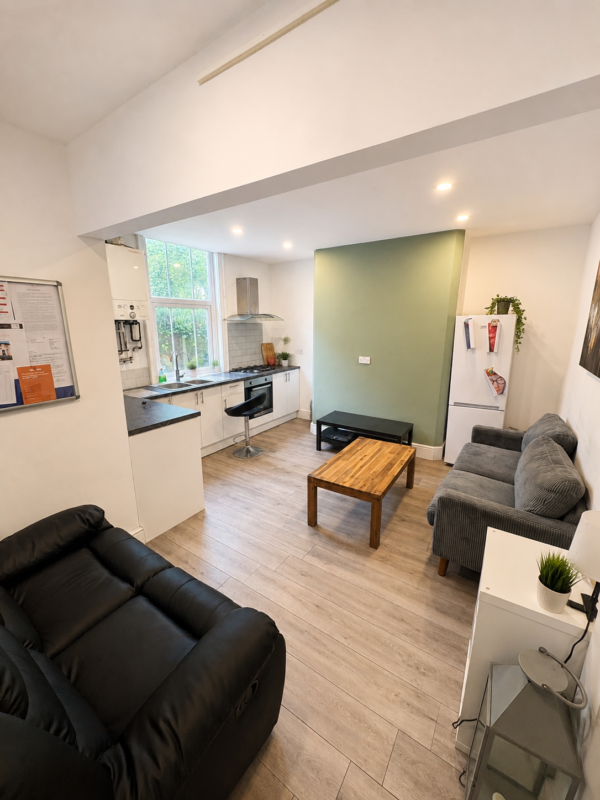
UCAS Clearing Begins: Why Students Should Think About Accommodation Before Results Day
July is a strange month for students waiting on results.
On one hand, school and college may be winding down, summer plans are starting to take shape, and everyone is trying not to think too much about August. On the other hand, UCAS Clearing is already on the horizon, and for many students, it can quickly become one of the most important parts of the university journey.
Clearing can be exciting, stressful, fast-moving and full of possibility. It gives students the chance to find a university place if their original plans change, whether that is because they did better than expected, missed the grades for their first choice, changed their mind about a course, or applied later in the cycle.
But while students often focus heavily on courses, grades and university offers, there is another big part of the decision that can get left until too late: accommodation.
If a student ends up choosing a university through Clearing, they may need to make decisions quickly. That includes where they will live, how much they can afford, what area suits them best, and whether they want halls, private student accommodation or a shared house.
Thinking about those questions before Results Day can make the whole process feel much calmer.
Clearing Moves Quickly, So Preparation Matters
Once A-level, BTEC, T Level and other results are released, Clearing can move at speed. Students may be calling universities, checking course availability, comparing cities and trying to make decisions under pressure.
Universities such as Nottingham Trent University, the University of Leicester, De Montfort University, the University of Manchester, Sheffield Hallam University and the University of Leeds often attract students from across the country.
For those looking at popular student cities, accommodation can become part of the decision almost immediately.
That does not mean students need to have everything sorted in July. They may not even know which city they will be in yet. However, they can still do useful research in advance.
A student who already understands rough rent prices, typical student areas and the difference between accommodation types will be in a much stronger position if their plans change.
Instead of starting from zero on Results Day, they can make quicker, more confident choices.
Accommodation Can Shape the Student Experience
Where a student lives at university is not just a practical detail. It can affect their social life, study routine, budget, travel time and overall confidence when moving away from home.
For some students, halls of residence are the obvious first choice. They can be a good option for meeting people quickly, especially for first years. Others may prefer private student accommodation, particularly if they want more flexibility, different room types or a location closer to certain areas of the city.
Some students may even consider shared housing, especially if they are joining a course later, transferring, or already know people in the city.
In places like Loughborough, Liverpool, Birmingham, Bristol and Newcastle, student areas can vary a lot. One neighbourhood may be known for nightlife, another for quieter living, and another for easy transport links to campus. For students choosing through Clearing, understanding those differences early can help avoid rushed decisions.
It is not just about finding any room. It is about finding somewhere that suits the student’s lifestyle, budget and confidence level.
Budgeting Should Start Before the Offer
One of the most useful things students can do before Results Day is work out their likely accommodation budget.
This means thinking beyond the weekly rent figure. Students should look at whether bills are included, how much deposit is needed, whether rent is paid monthly or termly, and how much they will need for food, travel, laundry, course materials and social life.
For example, a room that looks cheaper at first may not include energy, water, broadband or contents insurance. Another option may cost more each week but include bills, making budgeting easier. There is no one-size-fits-all answer, but students need to understand the full picture before committing.
Parents can also help by having honest conversations early. What support is available? Will the student rely on maintenance loan payments? Will they need a part-time job? Are there upfront costs to prepare for before term starts?
These conversations can feel awkward, but they are much easier in July than during a rushed Results Day decision.
Research the City, Not Just the University
When students are choosing through Clearing, it is natural to focus on the university and course. That matters, of course. But the city matters too.
A student considering the University of Nottingham or Nottingham Trent, for example, may want to understand areas like Lenton, Dunkirk, the city centre and Beeston.
Students looking at Leicester may compare living near De Montfort University, the University of Leicester, Clarendon Park or the city centre. Those considering Sheffield might look at areas around Ecclesall Road, the city centre or closer to campus.
Even a simple bit of early research can help. How far is the accommodation from lectures? Is it walkable? Are there buses? What is the area like in the evening? Are supermarkets nearby? Is the student likely to feel comfortable there?
These practical questions can make a big difference once the excitement of getting a university place turns into the reality of moving.
Students Should Know What to Look For
By July, students do not need to have signed for a room. But they should know what a good accommodation option looks like.
Important things to check include contract length, deposit terms, guarantor requirements, bills, Wi-Fi, safety certificates, maintenance processes and whether the accommodation is managed professionally.
Photos are useful, but they should not be the only deciding factor.
Students should also be careful with pressure. If someone says a room must be taken immediately, it is still worth pausing to read the contract properly. Clearing can feel urgent, but accommodation decisions still need thought.
Where possible, students should save useful links, compare options, ask questions and keep notes. That way, if they do go through Clearing, they already have a shortlist of places, areas or providers to explore.
Results Day Feels Easier With a Plan
No one can predict exactly what will happen on Results Day. Some students will get into their first choice. Others will change direction completely. Some may discover a course that suits them better than their original plan.
That is why accommodation planning is so useful. It gives students a sense of control during a process that can otherwise feel uncertain.
A bit of research in July can help students understand what they can afford, where they might want to live, what questions to ask and how quickly they may need to act. It can also help parents feel more prepared, especially if their child ends up choosing a university in a city they had not originally considered.
Clearing Is About Opportunity, Not Panic
UCAS Clearing should not be seen as a last-minute scramble. For many students, it becomes the route to the right course, the right city and the right university experience.
But the best Clearing decisions are rarely made on course title alone. Students also need to think about where they will live, how they will manage their money, and what kind of environment will help them settle in.
So, as Clearing begins and Results Day approaches, students should use July wisely. Research the rooms. Compare the areas. Understand the budgets. Ask the practical questions early.
Because once the offer comes through, knowing where you could live can make the next step feel much less overwhelming.
Blogs you may also like:
- Student Accommodation Red Flags To Watch Out For Before Signing for Next Year
- What to Look for in Your First Student Accommodation: A Friendly Guide for First-Years
- When Is the Best Time to Start Looking for Student Accommodation?