Latest Posts

Top Tips for Students on How You Can Spend Early Bank Holiday on a Budget
The Early May bank holiday falls on Monday 4 May 2026 across England, Wales, Scotland and Northern Ireland, which gives students a useful long weekend to relax without needing to plan a full holiday.
For a lot of students, though, bank holidays can bring a strange kind of pressure. Social media fills up with city breaks, brunches, pub gardens and last-minute plans, and suddenly a “cheap weekend” starts looking expensive.
The good news is that the bank holiday can still be enjoyable without battering your budget. Student money guidance from UCAS and MoneySavingExpert both stress the value of having a clear budget and knowing what you can realistically spend each week, especially when maintenance support is already being stretched across rent, food, travel and daily costs.
That makes the best bank holiday plans the ones that feel social and refreshing, but still sit comfortably within your normal student spending.
Start by deciding your number before the weekend starts
One of the easiest ways to overspend on a bank holiday is to treat each purchase as small and harmless. A coffee here, a bus fare there, a takeaway later on, then suddenly the weekend has cost far more than expected.
That is why one of the smartest moves is to set a fixed amount before the weekend begins.
UCAS recommends creating a budget based on what is coming in and what is going out, while MoneySavingExpert similarly advises students to know what they have available to spend each week.
In practice, that means giving your bank holiday a limit, whether that is £15, £30 or £50, and treating it like a mini event budget rather than dipping endlessly into your main account.
For students at places such as the University of Birmingham, University of Leeds or University of Leicester, where there is usually plenty going on locally, having a spending cap can help you enjoy the city without feeling dragged into pricier plans just because other people are doing them.
Use your university city like a tourist, not a spender
A bank holiday is often the perfect time to do the things students always say they will do later.
Many university cities already have free or low-cost attractions that get overlooked during term time. Museums, galleries, public parks, canals, open campuses and walking routes can all make a day feel full without costing much.
That works especially well in places like York, Bath, Liverpool and Edinburgh, where simply exploring the city properly can feel like an event in itself.
Students at the University of York, University of Bath, University of Liverpool or University of Edinburgh do not always need a train ticket elsewhere to have a change of scenery. Often, the budget-friendly option is to enjoy where you already are.
It is also worth checking whether your students’ union, university societies or local venues are running anything over the long weekend. A cheaper film night, casual sports session or community event can offer the social side of a bank holiday without the usual premium pricing that comes with restaurant bookings or heavy nights out.
Make food part of the plan, not the budget leak
Food is one of the biggest areas of student spending. Save the Student’s recent student living cost figures say groceries are the second biggest monthly expense, averaging £146 a month, or roughly £34 a week.
That matters on a bank holiday because food spending tends to jump when people start buying convenience meals, snacks on the go, or multiple coffees and takeaways.
A much better approach is to build one or two meals into the weekend deliberately. A picnic in the park, a group brunch at someone’s flat, or a make-your-own burger or taco night can be far cheaper than several separate food purchases across three days. It still feels social, but it puts you back in control.
For students in cities with large green spaces near campus, such as The Meadows in Nottingham, Hyde Park in Leeds, or Jubilee Square and nearby green areas in Leicester, a simple picnic can turn into the kind of bank holiday afternoon people genuinely remember.
Be careful with transport, because that is where “cheap plans” get expensive
Travel is another easy trap. A cheap idea can stop being cheap once train fares, taxis and day-trip extras get added on. Student budgeting advice consistently treats transport as one of the core costs that needs planning around, not as an afterthought.
That does not mean do not go anywhere. It just means think local first. A short bus journey to a nearby town, a cycle route, or a walkable day out can be far better value than an impulsive intercity trip booked too late.
If you are studying at somewhere like the University of Warwick, Coventry University or De Montfort University, you are already close to a mix of towns, parks and city-centre options that can create a change of atmosphere without the cost of a full getaway.
Give yourself permission not to do the “big” version
There is often an unspoken feeling that a bank holiday needs to be maximised. But for students, rest can be just as valuable as activity.
A low-cost weekend that includes a reset, a proper catch-up on sleep, a room tidy, a long walk and a bit of social time can be more useful than an expensive one that leaves you skint by Tuesday.
This is especially true at a point in the term when deadlines, revision, coursework or exam pressure may already be building.
Students at universities such as Manchester, Bristol and Exeter often hit this stage of the academic year needing a breather just as much as entertainment. Using the bank holiday well does not always mean doing more. Sometimes it means spending less and feeling better for it.
A good bank holiday is one you can still afford next week
The best budget bank holiday is not the one that looks most impressive online. It is the one that gives you a proper break without wrecking the rest of your month.
With the Early May bank holiday landing on 4 May 2026, students have a ready-made chance to enjoy a long weekend, but the smartest way to do it is with intention rather than impulse.
Set your budget early, stay local where it makes sense, plan your food, keep transport sensible and remember that a fun student weekend does not need to be expensive to feel worthwhile.
In fact, when money is already tight, the real win is coming out of the bank holiday having enjoyed yourself and still being able to afford your food shop afterwards.
Blogs you may also like:
- Top Tips for Students to Make the Most of the Early May Bank Holiday
- Top Tips for Students: Things to Do on the Summer Bank Holiday
- 5 Ways to Spend Your Spring Break as a UK Student (Including Easter Celebrations)

Study Outside Season: Best Outdoor Study Spots in Cities Across the UK
There is a very specific point in the UK academic year when students collectively realise they cannot spend one more day hunched over a desk indoors.
April, May and early summer bring longer evenings, a bit of sunshine if you are lucky, and that sudden urge to swap stuffy bedrooms and packed libraries for somewhere with fresh air and a bench.
Study outside season is not really about pretending revision is glamorous. It is about finding spots that make work feel a little less draining.
Across the United Kingdom, university cities offer more outdoor study options than many students realise. Some are right on campus, while others are tucked behind main roads, beside public parks or hidden in quieter courtyards.
From Bristol to Edinburgh, and from Leeds to Manchester, there are plenty of places where students can revise, read, plan essays or watch lectures without feeling boxed in.
Universities themselves increasingly highlight green spaces as places to relax, reflect and spend time away from screens, which makes outdoor study feel less like a distraction and more like part of a healthy routine.
Bristol: A City That Makes Outdoor Studying Feel Easy
Bristol is one of the easiest places in the UK to romanticise student life, but in this case the hype is deserved. The University of Bristol’s Royal Fort Gardens are a strong example of what students usually want from an outdoor study spot: central, green, free to access and peaceful enough to hold your attention.
The gardens are described by the university as a relaxing green space with lawns, woodland, paths and public art, and they are open all year round. That kind of setting works especially well for reading-heavy subjects, light coursework planning or going through notes before a seminar.
The wider city helps too. Bristol is full of students who treat a park bench, café terrace or quiet square as an extension of the campus. That means outdoor studying feels normal rather than awkward.
If you are at Bristol, UWE Bristol, or living nearby on placement, the best approach is often to split your work. Do the heavy concentration indoors, then take revision cards, printed notes or low-pressure reading outside.
Leeds: Green Spaces That Break Up a Long Study Day
Leeds is often associated with busy student areas, nightlife and city-centre energy, but it also has a calmer side that suits revision season surprisingly well.
The University of Leeds has actively highlighted green areas around campus, including places where students can rest, reflect and spend time among trees and biodiversity-focused spaces.
The university’s own material points to spots around St George’s Field, the Sustainable Garden, Roger Stevens Pond and the area outside the Parkinson Library, all of which suggest a campus designed with outdoor pause points in mind.
For students in Leeds, that matters because revision often goes wrong when the whole day starts to feel identical. A quick move from library seat to lawn can make a genuine difference.
It is also a city where students at the University of Leeds, Leeds Beckett and other nearby institutions can use outdoor study as a reset tool rather than a full all-day strategy. Twenty minutes outside to organise your reading list, annotate an article or plan an assignment can stop a sluggish day from becoming a wasted one.
Edinburgh: Outdoor Study with a Bit of Breathing Space
Edinburgh suits students who want their study environment to feel scenic without trying too hard.
The University of Edinburgh already connects learning with outdoor and nature-based settings, and student content regularly references walking across the Meadows as part of everyday university life.
That makes sense. Edinburgh is the kind of city where open space and academic atmosphere sit closely together, so it is easier to build outside time into your day without going off course.
For students revising in Edinburgh, outdoor studying works best when paired with movement. A long walk, a short sit in the Meadows, or a coffee and reading session in a quieter green corner can help when your brain feels overloaded.
This is particularly useful during exam season, when trying harder is not always the answer. Sometimes the better move is changing location before your concentration disappears entirely.
Manchester, Liverpool and Newcastle: Better Outdoor Options Than Students Expect
Big city universities do not always get enough credit for outdoor study spots, but they should.
The University of Manchester openly promotes its green spaces as calming places to take a break from studies, which reflects something many students need during intense academic periods: not necessarily silence, but enough breathing room to think properly.
Liverpool is another standout. The University of Liverpool has even highlighted outdoor study locations after improving external Wi-Fi coverage across campus, including the Quadrangle, the Materials Innovation Factory area and the School of Health Sciences garden.
In practical terms, that is exactly what students need from a modern outdoor study space: somewhere you can still get signal, sit comfortably and work without turning the session into a logistical mess.
Newcastle has similar appeal. Newcastle University points to its Student Forum as a relaxing outdoor social space, and the Old Quadrangle has long been recognised as a picturesque green campus setting.
For students in a city that can feel lively and full-on, those quieter campus pockets can be useful when you want fresh air without fully switching off from work.
What Actually Makes an Outdoor Study Spot Good
The best outdoor study spots are rarely the most dramatic ones. They are the places with enough comfort, enough quiet and enough convenience that you will actually return to them.
Shade matters. Wi-Fi matters. A place to lean your notes matters. So does being close to a toilet, a coffee stop or a library if the weather turns in typical British fashion.
That is why the smartest students usually use outdoor spaces for certain kinds of work rather than everything.
Reading, revision cards, editing, lecture catch-up and planning tasks all work well outside. Writing a difficult essay from scratch on a windy lawn, on the other hand, is usually a fast route to annoyance.
A Better Way to Study When the Sun Comes Out
Study outside season is not about making university life look pretty on social media. It is about using your city better.
Whether you are in Bristol, Leeds, Edinburgh, Manchester, Liverpool, Newcastle or another UK university city, the right outdoor space can make your work feel more manageable.
And during the busiest months of the student calendar, that can be the difference between a day that feels endless and one that actually gets something done.
Blogs you may also like:
- Best Study Spots in UK Cities for Winter: Warm, Quiet, and Open Late
- Study vs. Social Life: Finding the Perfect Balance in Your New Home
- Second Semester Reset: How to Set Up Your Space for Better Sleep, Study and Wellbeing

How to Reclaim Your Space Before End-of-Year Chaos Starts
There is a very specific kind of student stress that creeps in before the academic year ends.
It is not always loud at first. It starts quietly, with a desk that has disappeared under old notes, a chair covered in clothes, a kitchen cupboard full of random half-used food, and a room that somehow feels smaller every week.
Then deadlines pile up, revision season kicks in, summer plans start forming, and suddenly your space is no longer helping you cope. It is adding to the pressure.
That is why reclaiming your space before end-of-year chaos really begins can make a bigger difference than people expect. This is not about creating a perfect Pinterest-ready bedroom or turning student accommodation into a luxury apartment. It is about making your room, kitchen space and daily setup feel calmer, lighter and easier to live in at the exact point in the year when everything can start to feel messy.
For students at universities such as the University of Leeds, the University of Birmingham, the University of Nottingham or De Montfort University, this stretch of the year often brings the same mix of revision, coursework wrap-up, house admin and moving worries.
A more manageable space will not solve every problem, but it can make the last part of term feel far less overwhelming.
Why your space starts to feel worse at this time of year
The end of the academic year creates a strange overlap of responsibilities. You are still trying to focus on the present, but part of your brain is already dealing with what comes next.
There may be exams to revise for, assignments to finish, placement questions, social plans, packing, tenancy dates and conversations about summer. All of that mental load ends up showing itself physically.
That is often why a room can begin to feel chaotic even when you have not done anything dramatic. You are simply spending more time in it, using it for more things and putting off small resets because bigger priorities keep shouting louder.
Your desk becomes a dining table, revision station, getting-ready area and dumping ground all at once. Your floor becomes temporary storage. Your shelves become places where random objects go to wait for a decision.
When your surroundings stay in that state for too long, they can make everything feel harder. It becomes more difficult to focus, easier to procrastinate and strangely tiring just being in your own room. Reclaiming your space is really about reducing that background noise.
Start with what you use every day
One of the biggest mistakes people make is trying to tackle the whole room in one intense cleaning session. That usually ends with half-finished piles and even more stress. A better approach is to begin with the parts of your space that affect your day the most.
Your bed, desk and floor tend to shape how your room feels more than anything else. If your bed is unmade, your desk is unusable and the floor is cluttered, the whole room will feel chaotic even if everything else is technically fine.
Focus there first. Make the bed properly, clear the desk completely, and get anything off the floor that does not belong there. Even that small reset can change the mood of the room straight away.
It helps to think in terms of function rather than deep cleaning. You are not asking, “Can I make this room perfect?” You are asking, “Can I make it easier to sleep here, work here and move around here?” That shift makes the job feel far more manageable.
Reset your desk before revision pressure builds
By this point in the year, your desk has probably collected far more than it needs. Old seminar notes, empty bottles, receipts, chargers that may or may not work, snack wrappers, random stationery and laundry that ended up there for no real reason.
The problem is that a crowded desk often creates a crowded mind.
Before revision season becomes more intense, strip your desk back to the basics. Keep what you genuinely need for studying within reach and move everything else away. A lamp, your laptop, a notebook, a water bottle and a few useful supplies are enough for most people.
The more decisions your brain has to make when you sit down, the easier it is to avoid starting.
Students at places like the University of Manchester or the University of Bristol often end up studying from both their room and the library, depending on space and deadlines.
That makes having a clean home setup even more useful. It gives you a reliable backup when campus is busy, when the weather is miserable, or when you simply do not have the energy to relocate.
A desk does not need to look impressive. It just needs to make starting feel easy.
Stop treating your room like a storage unit
One reason student rooms begin to feel oppressive near the end of the year is because they slowly turn into holding zones for things you no longer need.
Clothes you do not wear, folders from old modules, empty packaging, forgotten toiletries, broken bits of décor, spare bedding, shoes you meant to sort months ago. None of it seems urgent on its own, but together it creates drag.
This is the ideal time to be honest about what is worth keeping until move-out and what is simply taking up energy.
If you know you are not going to use something again before summer, pack it away, donate it, bin it or send it home. The goal is not to make your room sparse. It is to create breathing room.
This matters more than many students realise. Visual clutter has a way of making tasks feel unfinished. When every corner of your room reminds you of something still to sort, it becomes harder to relax properly.
Reclaiming your space means reducing the number of things asking for your attention.
Get control of the clothes problem
For many students, clothes become the main source of room chaos. Not because they own too much, but because there is rarely a proper system once term gets busy.
Clean clothes stay unfolded, worn-once items hover on chairs, washing waits in bags, and suddenly half the room feels like a wardrobe explosion.
The solution is usually simple, but it needs consistency. Separate clothes into only a few categories: clean and ready to wear, laundry, and items you are genuinely wearing again soon. Anything else should be put away. The chair in your room should not become a second floor.
This also helps practically at the end of the year. If you leave clothing chaos until the week you need to revise, attend events, meet friends and think about packing, it becomes another unnecessary source of stress.
A calmer clothing setup makes everyday life quicker, especially on tired mornings.
Sort the food situation before it gets grim
End-of-year student kitchens can become a strange mix of survival mode and waste. There are abandoned sauces, mystery freezer items, part-used pasta bags, old snacks and good intentions that never turned into meals.
As schedules get busier, people either spend more on takeaways or keep buying food without using what is already there.
Reclaiming your space should include reclaiming your food habits a little too. Check cupboards, fridge shelves and freezer drawers. Work out what needs using up, what belongs to you and what can realistically turn into easy meals.
Leftover pasta, rice, wraps, vegetables and sauces can go a long way when money is tighter towards the end of term.
At cities with large student populations such as Sheffield, Newcastle or Cardiff, students often juggle social spending, travel plans and rising end-of-term costs all at once. A more organised kitchen routine can genuinely save money. It also reduces that low-level annoyance of opening the cupboard and feeling like nothing makes sense.
A tidy food setup is not glamorous, but it can make the final weeks of term feel much more under control.
Make your room easier to clean, not harder to live in
A lot of cleaning advice fails students because it assumes people have loads of time, storage and motivation. Most do not. The better approach is to make your room naturally easier to maintain.
That might mean keeping a small bag or basket for cables and random bits, using one shelf for academic materials only, keeping a laundry bag in the same place at all times, or clearing surfaces so they can be wiped in two minutes instead of twenty.
Small systems matter more than big intentions.
This is especially useful if your accommodation is due for inspections, end-of-tenancy cleaning or viewings. When the final weeks of the year start to speed up, you do not want your room to feel like a project every time it gets messy. You want it to recover quickly.
Create one calm corner for yourself
Even if the rest of your room is not huge, try to create one area that feels mentally clear.
It might be your bed with fresh bedding, your desk with only study essentials, or a window corner where you can sit with a coffee and reset for ten minutes. That one calm zone can become surprisingly important when everything else feels busy.
Students often underestimate how much their environment affects their emotional state. When your room gives you nowhere to switch off, your brain can stay stuck in stress mode for longer than it needs to.
A small calm corner helps create a sense of separation, even in a compact student room.
That matters during revision, but it matters just as much during the strange emotional comedown that comes with the end of an academic year.
Think of it as preparation, not procrastination
Some students feel guilty spending time sorting their room when deadlines are approaching. It can feel like avoiding more important work. In reality, reclaiming your space is often one of the most useful things you can do before the pressure peaks.
A room that supports your routine makes it easier to revise, easier to rest, easier to get out the door on time and easier to think clearly. It reduces friction. And at this stage of the year, reducing friction is valuable.
You do not need a dramatic makeover. You just need your space to feel like it belongs to you again before end-of-year chaos tries to take over. A cleared desk, a manageable floor, sorted clothes, usable food and one calm corner can go a long way.
Sometimes that is all it takes to make the final stretch of term feel less like survival and more like something you can actually handle.
Blogs you may also like:
- Revision Season Is Starting: How to Make Your Student Room Better for Focus
- How to Be Productive at Home As a Student
- Spring Clean Season: The 30-Minute Room Reset That Protects Your Deposit

Earth Day: 15 Easy Wins for Greener Student Living That Also Save Money
For students, the word “greener” can sometimes sound like another expensive lifestyle upgrade.
Bamboo everything, fancy refill shops and guilt-heavy advice are all well and good, but they do not always match the reality of stretching a student loan across rent, food, travel and the occasional takeaway after a long seminar day.
That is why Earth Day on 22 April is a useful prompt to look at student living from a more realistic angle. The best changes are often the ones that cut waste and lower costs at the same time.
Across university cities such as Leicester, Nottingham, Sheffield, Manchester, Birmingham and Leeds, students are dealing with similar pressures: shared houses that lose heat, kitchens full of half-used food, dryers that get overused, and energy bills that seem to rise without warning.
The good news is that greener living does not need to be preachy or perfect. It can start with a few practical habits that make everyday student life cheaper and less wasteful.
Start with the tumble dryer
One of the fastest ways to waste money in a student house is overusing the tumble dryer. Unless you are in a rush, drying clothes on an airer near a window or radiator is usually the better call.
Many students only realise after a few months how much electricity disappears into convenience.
Wash colder, not harder
Most clothes do not need a hot wash. Dropping to 30 degrees is often enough for everyday loads and is kinder on bills too.
Sports kit and bedding may occasionally need more, but regular clothing rarely does.
Only wash full loads
Half-load washing adds up over the term. In shared houses near campuses such as De Montfort University, the University of Birmingham or the University of Leeds, it is common for people to do small panic washes rather than plan ahead.
Waiting until the machine is properly full is a simple win.
Use draught-proofing hacks
A lot of student houses are not exactly built for heat retention. If cold air is coming in under doors or around older windows, rolled-up towels, cheap draught excluders and even thick curtains can make a noticeable difference.
It is hardly glamorous, but it helps keep warmth in and heating costs down.
Stop heating empty rooms
In shared accommodation, one of the biggest waste points is heating space nobody is using. Keep doors shut in unused rooms and avoid blasting the whole house when everyone is tucked away in separate corners of it.
A warmer bedroom and living room matter more than heating the hallway for no reason.
Cook once, eat twice
Leftover meals are one of the smartest money-saving habits students can build. Pasta bakes, chilli, curry, lentil dishes and traybakes can stretch into lunch the next day instead of becoming another meal deal purchase on campus.
It cuts food waste and stops the fridge filling with random ingredients that never become a proper meal.
Build a “use this first” shelf
Shared fridges are chaos. A simple shelf or basket for food that needs using soon can prevent a surprising amount of waste.
Leftover peppers, yoghurt nearing its date, half a bag of spinach or cooked rice can all disappear quickly if they are visible rather than buried behind sauces.
Freeze more than you think
Bread, grated cheese, leftover portions, chopped onions and even milk can often be frozen. Students often assume food waste is inevitable, but freezers are one of the easiest tools for stretching a student budget.
This is especially useful during assessment periods when cooking motivation drops sharply.
Kettle discipline matters
Boiling a full kettle for one mug is a tiny habit with a bigger collective cost in a student house.
Just boiling what you need is one of those boringly effective changes that adds up over weeks and months.
Swap impulse coffees for campus flasks
Students at places like the University of Nottingham or the University of Sheffield know how easy it is to spend on coffee between lectures.
A reusable flask and homemade coffee is not just greener because it reduces disposable cup waste. It is also a very direct way to keep more money in your pocket.
Sort lighting out
If your house still has older bulbs, ask the landlord about switching to LED bulbs or replace the most-used ones yourself if practical. They last longer and use less energy.
Also, students are notorious for leaving kitchen and bathroom lights on all evening, so this is an easy place to tighten up.
Shorter showers beat longer complaints
Long showers are one of the most common budget leaks in shared living. Water and heating both cost money, and the difference between five minutes and fifteen minutes becomes very real across a household.
No one needs a military timer, but being slightly more aware goes a long way.
Buy less, share more
In student houses, every person somehow ends up owning their own foil, washing-up liquid, spices and cleaning spray. Pooling basics is often cheaper and cuts packaging waste too.
This works best when everyone agrees early rather than after the fourth passive-aggressive kitchen conversation.
Repair and rewear
Fast replacement culture can quietly drain student finances.
Sewing a button back on, fixing a zip, regluing a shoe sole or mending a small tear is often worth doing. Charity shops in university towns can also be a goldmine for kitchenware, coats, jumpers and storage bits.
Walk the short journeys
Not every trip needs a bus fare or a lift. Many students living near campus areas in cities such as Leicester, Coventry or Bristol can save money simply by walking more of the short, everyday routes.
It is cheaper, usually manageable, and often quicker than expected once waiting time is factored in.
Make greener living feel normal, not moral
The biggest shift is not one dramatic eco decision.
It is making practical habits feel standard. Earth Day is a useful reminder that greener student living does not have to be built around perfection or pressure. For most students, the real selling point is simple: lower bills, less food wasted, fewer pointless purchases and a home that runs a bit more efficiently.
Remember, that is not being preachy. That is just helping you to realise how easy it is to be a part of a smart living lifestyle.
Blogs you may also like:
- Sustainable Living Tips for Students: How to Live Green on a Budget
- Universities’ Commitment to Sustainability: Green Initiatives Transforming Student Accommodation
- Earth Day – How Students Can Get Involved and Raise Awareness

The Shared House Tension Nobody Talks About During Revision Season
There is a particular kind of tension that creeps into shared student houses in late spring. It does not always arrive with a dramatic argument or a slammed door.
More often, it builds slowly through small things: someone playing music while another person is trying to revise, a sink full of plates just when everyone is living on pasta and caffeine, an unexpected guest on the sofa, or the growing feeling that nobody can properly switch off because everyone is in the house all day.
Revision season has a way of changing the mood of a home. A house that felt sociable and easy-going in February can suddenly feel crowded, irritable and quietly competitive by late April and May.
For students at universities such as the University of Birmingham, the University of Nottingham, the University of Leeds or De Montfort University, this is the point in the academic year when deadlines, exams and tiredness all start colliding at once.
The result is that ordinary house dynamics can begin to feel much heavier than usual.
The noise problem is rarely just about noise
One of the biggest sources of shared-house friction during revision season is noise, but it is rarely as simple as one person being loud and another being sensitive. The real issue is that everyone’s tolerance changes when they are under pressure.
The laughter that seemed harmless a month ago can suddenly feel unbearable when somebody is trying to memorise case studies or work through past papers. Doors closing, phone calls in the hallway, videos playing out loud, kitchen cupboards banging, and repeated trips up and down the stairs all seem louder when stress levels are already high.
In many student houses, there is no true quiet zone, which means even minor sounds can start to feel intrusive.
What makes it harder is that revision styles differ. One student might need silence and structure, while another works best with background music, discussion or frequent breaks. In houses near campuses such as the University of Manchester or the University of Bristol, where students are often living in tighter shared spaces, those differences can become impossible to ignore.
Nobody is necessarily doing anything wrong, but everyone can still end up annoyed.
Guests can feel like an invasion during exam time
Another tension point that often gets brushed aside is visitors.
During most of the academic year, guests are part of student life. Friends come round, partners stay over, and people drift in and out without much fuss. During revision season, though, that same pattern can feel completely different.
When a house is full of people trying to focus, an unexpected guest can change the whole atmosphere. It is not just about the extra noise. It is the feeling that shared space is no longer predictable.
Someone using the kitchen for ages, talking in communal areas, or sleeping over repeatedly can begin to grate on housemates who feel they have nowhere else to go.
This is where frustration often turns personal. People do not just think, “There is someone in the house.” They start thinking, “Why are they here again when everyone knows it is exam season?” That is often when resentment builds, even if nobody says it out loud.
In houses where everyone is already tense, a guest can end up symbolising a much bigger issue about respect, boundaries and consideration.
The kitchen becomes a battleground
Few places reveal the true emotional state of a student house like the kitchen during revision season. It is where stress shows itself in the smallest ways.
Someone leaves a pan in the sink. Someone else uses the last clean mug. The fridge is full of half-open food, there is no room for anything, and everyone seems to want to cook at exactly the same time.
Because students are spending longer at home, the kitchen becomes busier and messier. People are making quick lunches, endless teas and coffees, late-night snacks, and budget dinners between revision sessions.
That means the room becomes both essential and irritating. It is a practical space, but also a social one, and during exam time those two functions do not always mix well.
For students in shared accommodation linked to places such as the University of Sheffield or Nottingham Trent University, kitchen stress is often about more than washing up. It represents fairness.
If one person is cleaning constantly while another seems oblivious, frustration can escalate quickly. When everyone is tired, even a small mess can feel like a personal insult.
The real problem is that everyone is home at once
During term time, shared houses often work because people naturally drift in different directions.
Lectures, libraries, jobs, gym sessions and social plans create breathing room. Revision season changes that rhythm. Suddenly, everyone is indoors for long stretches, moving between bedrooms, bathrooms and communal spaces with very little escape.
That constant proximity can make even good friends feel overwhelmed. There is less privacy, fewer opportunities to reset, and a stronger sense that people are always in each other’s way.
One person wants to pace while revising. Another wants to sit in the living room with flashcards. Someone else is taking online calls or watching recorded lectures. The house starts feeling smaller, even if it has not physically changed.
This is one reason revision season can feel emotionally draining in shared housing. It is not only the workload. It is the lack of mental space. Students are trying to manage academic pressure while also navigating the moods, habits and routines of the people around them.
Different revision styles under one roof can create quiet resentment
Perhaps the most unspoken source of tension is comparison.
In shared houses, students cannot help noticing how other people revise. One housemate is up at 7am with colour-coded notes. Another seems relaxed and barely studies in the house at all. Someone revises by talking through ideas out loud, while someone else works in silence for ten hours straight.
These differences can trigger insecurity as much as irritation. If one person looks calm, others may feel guilty. If one person seems visibly stressed, that anxiety can spread. The house becomes a place where revision is not just something people do individually, but something they observe in each other.
That is why tensions during exam season often feel deeper than ordinary household disagreements. They are tied to fear, pressure and the sense that every day matters.
Why a bit of honesty goes a long way
The shared house tension nobody talks about during revision season is not a sign that people are selfish or incompatible. More often, it is what happens when stress, exhaustion and limited space all meet at once.
Noise feels louder, mess feels more annoying, guests feel less welcome, and minor habits suddenly feel much bigger.
The most helpful thing students can do is recognise that this tension is normal before it turns into hostility. A bit of honesty about noise, kitchen use, visitors and personal study habits can prevent weeks of quiet resentment. Revision season is hard enough without the house becoming another source of pressure.
In the end, most students do not need a perfect home during exams. They just need a shared one that feels fair, respectful and manageable. That alone can make a stressful season feel far less overwhelming.
Blogs you may also like:
- Student Safety in Shared Housing: Practical Tips for Feeling Secure Without Feeling Paranoid
- The Rise of Co-Living Spaces: A New Trend in Student Housing
- Inclusivity in Student Housing: How to Ensure a Welcoming Environment
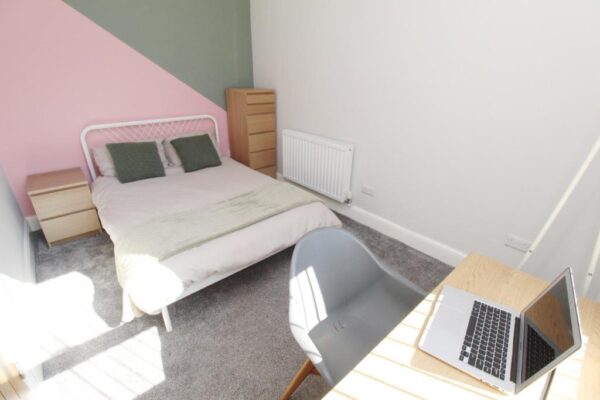
How to Be Productive at Home As a Student
Studying from home can sound ideal at first. There is no rushed walk to a lecture hall, no hunting for a free library seat, and no need to pack your whole day into one bag.
But once the novelty wears off, home can quickly become one of the hardest places to stay focused. Your bed is nearby, the kitchen keeps calling, your phone feels more interesting than your notes, and somehow a ten-minute break turns into an hour.
For students across the United Kingdom, whether at the University of Birmingham, the University of Leeds, the University of Nottingham or UCL, home study has become a normal part of university life.
Even students who love campus facilities often find themselves working from bedrooms, shared kitchens, dining tables or quiet corners of the house. The challenge is not just finding time to work. It is learning how to work well in a space that is full of distractions.
The good news is that productivity at home does not come from being naturally disciplined every hour of the day. It usually comes from building a routine, shaping your environment and making your workload feel more manageable.
Once those pieces start working together, studying at home becomes far less frustrating and much more effective.
Stop Waiting to “Feel Motivated”
One of the biggest mistakes students make when studying at home is expecting motivation to arrive before they begin. In reality, motivation is unreliable. Some mornings you will feel switched on and ready to go. On others, even opening your laptop may feel like a task in itself.
The students who stay productive are not always the most motivated. They are often the ones who get started anyway. That might mean opening one reading, writing one rough paragraph, or revising for just twenty minutes. Starting small matters because it lowers the pressure.
Once you begin, your brain often catches up.
This is especially important during busy periods of the academic year, when deadlines seem to appear all at once. A student at the University of Manchester working through coursework season may feel exactly the same late-term pressure as someone at Cardiff University revising for exams.
In both cases, waiting for the perfect mood can waste valuable time. Progress usually begins with action, not inspiration.
Create a Study Space That Signals “Work Mode”
You do not need a Pinterest-perfect desk setup to be productive at home, but you do need a space that helps your brain separate study from rest.
This matters more than many students realise. If you revise in bed, eat where you work, and scroll on your phone in the same place where you are meant to focus, your day can start to feel blurred and unstructured.
Even in a small room, it helps to assign a clear work area. A desk is ideal, but a table, shelf or quiet corner can work too. The main thing is consistency.
When you sit there, it should mean you are there to study. Keep the space as clean as possible, with only what you actually need nearby. A notebook, charger, water bottle and laptop are useful. Piles of clutter, half-finished snacks and unrelated tabs are not.
Lighting also makes a real difference. Natural light can help you feel more alert, and a proper desk lamp is far better than trying to work in a dim room. Students in darker student houses, especially in older properties in places like Sheffield, Liverpool or Newcastle, often underestimate how much poor lighting affects concentration.
A brighter setup can make home study feel less heavy and less tiring.
Work With a Routine, Not Against One
Productivity at home improves when your days have some structure.
That does not mean planning every minute, but it does mean giving your day a shape. Without that, it is easy to drift. You tell yourself you will start after breakfast, then after a shower, then after checking messages, then after lunch, and suddenly the afternoon has gone.
A simple routine can change that. Wake up at a similar time each day. Get dressed properly, even if you are staying in. Decide when your study block starts, when you will break, and roughly when you want to finish.
These small actions reduce decision fatigue and make it easier to move into work mode.
This is particularly useful for students balancing different types of work, from online lectures to seminar prep to essay writing. A student at the University of Warwick may need long reading blocks, while someone at Nottingham Trent University might be switching between practical project work and deadlines.
A routine helps both. It gives the day momentum and makes it easier to stay on track when home life feels too relaxed.
Break Big Tasks Into Smaller Wins
A lot of home-study procrastination is not laziness. It is overwhelm. When a task feels too big, your brain treats it like a problem to avoid. “Write essay” is vague and intimidating. “Plan introduction and find three academic sources” feels much more doable.
The more specific you are, the easier it becomes to begin.
Instead of writing a giant to-do list full of broad tasks, break your work into smaller actions you can realistically complete in one sitting. Read one journal article. Make revision notes on one topic. Draft one section. Create one flashcard set. These smaller wins build momentum and stop work from feeling endless.
There is something psychologically helpful about being able to finish something properly. It gives you a sense of progress, which is vital when studying at home, where time can otherwise feel repetitive and unproductive.
If your day feels stuck, the answer is often not “work harder”. It is “make the task smaller”.
Learn How to Manage Distractions Properly
Home is full of distractions, and some of them are obvious. Your phone is the main one. Social media has a way of making five minutes disappear into fifty. Messages, videos and random scrolling can break your concentration before you have properly started.
Then there are the quieter distractions: people talking in the house, flatmates moving around, deliveries at the door, the temptation to tidy your room instead of writing your notes, or the habit of opening new tabs every time something feels slightly difficult.
These interruptions may seem minor, but together they chip away at focus.
The best approach is not to pretend distractions do not exist. It is to plan around them. Put your phone out of reach or on silent. Use app blockers if needed. Wear headphones or play instrumental background noise if your home is busy. If your kitchen is always chaotic at midday, study elsewhere during that period or take your break then.
Students in shared houses near places like the University of Bristol or Durham University often deal with this constantly, especially during revision season when everyone is at home more than usual.
Productivity improves when you design your study around real life, not an imaginary perfect environment.
Use Time in a Smarter Way
Not every task needs the same kind of energy. Some work needs deep focus, while other jobs are lighter and easier to complete when you are tired. Understanding that can help you use your time more wisely.
If your concentration is best in the morning, use that time for essays, problem-solving or revision that requires real thought. Leave simpler tasks, such as organising notes, replying to emails or formatting references, for the afternoon.
Many students try to do everything in whatever order it appears, but matching the task to your energy level can make a huge difference.
Working in timed blocks can help too. For some students, forty-five minutes of focused work followed by a short break feels natural. Others prefer an hour or ninety minutes. The exact timing matters less than the principle.
Work fully, then step away briefly. Without breaks, home study can become sluggish and unfocused. With them, you are more likely to return refreshed.
Don’t Neglect Sleep, Food and Movement
Productivity is not just about planning apps and study hacks. It is also physical. If you are tired, dehydrated and living on snacks, your concentration will suffer no matter how good your intentions are.
Sleep has a direct effect on memory, focus and mood. A student who stays up late every night and starts the day exhausted is making home study harder than it needs to be. The same goes for skipping meals or sitting in one place for hours without moving.
Your brain works better when your body is looked after properly.
This does not mean becoming obsessed with routines or wellness trends. It simply means respecting the basics. Drink water. Eat something decent before a study session. Stand up and stretch. Go outside if you can. Even a short walk can reset your attention and improve your mood.
During long academic stretches, these habits often make more difference than another productivity video ever will.
Be Realistic, Not Perfect
Perhaps the most important part of being productive at home is letting go of the idea that every day needs to be perfect. Some days will go well. Others will feel messy, slow or distracted. That does not mean you are failing as a student. It means you are human.
Studying at home requires self-management, and that takes practice. You learn what times suit you, what spaces help you focus, and what habits keep you moving when your energy drops.
Over time, productivity becomes less about forcing yourself to work and more about understanding how you work best.
For students across the UK, from the University of Edinburgh to King’s College London, the home-study struggle is a familiar one. But it is not unbeatable. With a clearer routine, a better setup and more realistic expectations, home can become a place where good work actually gets done.
Being productive at home is rarely about doing everything. It is about doing the right things, in the right way, often enough to make progress. And for most students, that is more than enough.
Blogs you may also like:
- Revision Season Is Starting: How to Make Your Student Room Better for Focus
- AI Study Tools Students Are Using in 2026 – and How Not to Get Flagged for Academic Misconduct
- Exam Hacks That Students Need to Know Ready for Summer Exam Season

The ‘I’ve Left Everything Late’ April Survival Guide for Students
There is a very specific kind of late-April panic that students across the United Kingdom know all too well.
It arrives quietly at first. One missed lecture recap becomes three. A half-made revision timetable sits untouched on your laptop. Coursework deadlines suddenly feel far closer than they did in March. Then, almost overnight, the pressure spikes. It is the season of saying, “I’ll sort it tomorrow,” right up until tomorrow becomes a problem.
From Leicester to Leeds, Bristol to Birmingham, and from students at the University of Nottingham to those at the University of Manchester, this part of the academic year tends to bring the same emotional mix: guilt, stress, denial, caffeine and a desperate attempt to get organised in record time.
The good news is that leaving everything late does not automatically mean everything is doomed. It usually means one thing above all: you need a better rescue plan, not more self-criticism.
First, stop trying to fix everything in one night
One of the biggest mistakes students make in late April is trying to recover the entire term in a single dramatic burst of productivity. It sounds noble, but it usually ends in exhaustion, distraction and an even messier bedroom floor.
If you are behind, the answer is not to create the most beautiful colour-coded plan of your life. The answer is to get brutally realistic.
Ask yourself what actually matters over the next two weeks. Which deadlines are fixed? Which exams are approaching fastest? Which pieces of work carry the biggest weighting? Once you know that, you can stop giving equal importance to everything.
This is where a lot of students go wrong. They revise the topic they like most, tidy their notes for the module they already understand, or spend two hours buying stationery when what they really need is to finish the essay introduction.
Late-April survival depends on honesty. Not aesthetic honesty. Proper honesty.
The emergency reset that actually works
When everything feels chaotic, you need a reset that is small enough to do immediately.
Start with your space. Not a full deep clean. Just enough to make it usable. Put rubbish in a bin bag, move cups to the kitchen, clear a desk or table, and plug your charger in where you can find it later. That alone can make your workload feel less personal and more manageable.
Then write one short list with only three categories: urgent, important, and can wait. That is it. No seventeen-tab productivity system. No pretending you are about to become a completely different person by 7 pm.
Students at universities with intense spring exam seasons, such as King’s College London, the University of Warwick and Durham University, often hit this point where structure matters more than motivation.
You may not feel ready. You may not feel inspired. That does not matter nearly as much as being clear about your next move.
Revision panic needs a method, not just effort
Late revision often becomes fake revision. Reading the same page six times is not revision. Highlighting paragraphs in five different colours is not revision. Rewriting notes word for word can feel productive, but under pressure, students need methods that help information stick quickly.
Try shorter sessions with a visible aim. Revise one topic, answer one past-paper question, memorise one case study, or test yourself on one lecture block. If your brain feels scrambled, retrieval practice is far more useful than passive reading.
Close the notebook and see what you can remember. Say it out loud. Write it from memory. Mark the gaps. Go again.
This is especially useful for students juggling essay-heavy and exam-heavy subjects at places like the University of Exeter, the University of Sheffield or UCL, where the workload can spread across very different formats. When time is tight, active revision gives you more return for the effort you put in.
Coursework triage is not glamorous, but it saves marks
If you have essays, reports or presentations hanging over you, the key is to stop romanticising the perfect submission. In late April, progress beats perfection. A finished decent draft is worth far more than an unwritten brilliant idea.
Open the document. Write the ugliest workable version you can. Get the structure down. Drop in your references. Build the bones of the argument. You can improve bad writing far more easily than you can improve a blank page.
A lot of students lose time because they wait to “feel ready” before beginning. In reality, readiness usually arrives halfway through. That is why the first 20 minutes matter so much. If you can survive those, you often break the back of the task.
The danger of comparing your panic to everyone else’s
Late April also brings another problem: everyone suddenly looks organised online.
Your flatmate has a wall planner. Someone on TikTok is revising at 6 am with herbal tea and perfect notes. A course mate says they started preparing weeks ago. None of this helps.
Student life at this point in the year is messy almost everywhere, whether you are in a shared house near De Montfort University, halls in Newcastle, or a library corner at the University of Bristol. Plenty of people are behind. Plenty are quietly panicking. Plenty are performing calm while feeling anything but calm.
You do not need to win the image of being organised. You need to get through the next phase with as much control as possible.
Sleep, food and fresh air are not optional extras
This is the part students love to ignore.
When deadlines pile up, basic routines are often the first thing to collapse. Sleep gets traded for scrolling and stress. Meals become random snacks. Days pass without leaving the room. It feels efficient in the moment, but it nearly always makes work take longer.
A tired brain turns every task into a heavier task. A hungry brain struggles to focus. A body that has not moved all day makes stress feel bigger than it is.
Even a short walk, a proper meal and a realistic bedtime can steady your thinking more than an extra hour of panicked note-shuffling.
The real goal is not perfection, it is recovery
The truth about late-April student life is that it rarely looks polished. It looks like catching up in uneven bursts, making peace with imperfection, and learning how to prioritise under pressure. That is not failure. That is a very common part of university life.
So if you have left things late, do not waste what energy you have on guilt. April is not asking you to become the ideal student overnight. It is asking you to recover sensibly, act quickly and keep moving.
And sometimes, that starts with something as simple as closing the group chat, opening the laptop, and finally doing the thing you have been avoiding all month.
Blogs you may also like:
- Stress Awareness Month 2026: Top Tips and Ideas to Help Reduce Stress
- Why Students Are Rushing to Secure Housing Earlier (and How to Avoid Scams)
- Making Sure Students Have Everything They Need, Ready for Starting University

Revision Season Is Starting: How to Make Your Student Room Better for Focus
When revision season begins, most students think first about timetables, flashcards and past papers.
But the room you revise in matters just as much as the notes in front of you. A cluttered, dim, noisy space can make even simple tasks feel harder, while a calm and well-set-up room can help you stay focused for longer without feeling completely drained by the end of the day.
For students across the United Kingdom, whether studying at the University of Birmingham, the University of Nottingham, the University of Leeds or De Montfort University, exam season often means long hours spent in bedrooms, halls and shared houses.
That makes your room more than just a place to sleep. For a few intense weeks, it becomes your library, your study zone and your recovery space too. The challenge is making it work for all three.
Start With Lighting That Helps You Stay Alert
Lighting has a bigger effect on concentration than many students realise.
If your room is too dark, revision can quickly feel tiring and heavy. If the light is too harsh, it can leave you feeling uncomfortable and restless, especially during evening study sessions.
Natural daylight is usually the best place to start. If possible, position your desk close to a window so you can work with decent daytime light. Even a small amount of natural brightness can make your room feel more awake and less boxed in.
If your room does not get much daylight, a good desk lamp becomes far more important.
Aim for lighting that is bright enough to keep you alert without making the room feel clinical. A focused desk lamp for reading and writing works better than relying only on one overhead ceiling light.
During revision season, the goal is not to create a perfect Pinterest study room. It is to reduce eye strain and make it easier to settle into work.
Create a Desk Setup That Makes Revision Easier
A productive desk setup does not need to be expensive, but it does need to be practical.
Many students revise while half-sitting on the bed, balancing a laptop on their knees and wondering why they cannot concentrate for more than twenty minutes. That setup might be fine for watching a lecture back, but it is rarely ideal for serious revision.
Try to create a clear distinction between where you work and where you switch off. If you have a desk, keep it as dedicated to study as possible. Make space for the essentials: your laptop, notebook, charger, water bottle and the materials for the subject you are currently revising.
The less visual chaos there is, the easier it is to get started.
Chair comfort matters too. You do not need a luxury office chair, but you do want something supportive enough to help you sit properly for a decent stretch of time.
If your setup is awkward, your body will start distracting you before your brain even gets going. Small fixes such as raising your laptop, improving posture or clearing away yesterday’s coffee cups can make revision feel far less frustrating.
Noise Control Can Protect Your Energy
One of the hardest parts of student revision is not always the studying itself. Often, it is the background noise.
In shared accommodation, you might be dealing with slamming doors, kitchen chatter, traffic outside or housemates moving around while you are trying to remember theories, formulas or essay points.
You may not be able to control every sound, but you can reduce the impact of it. Noise-cancelling headphones can help if you already have them, but even basic earplugs or steady background sound can make a difference.
Some students focus better with instrumental music, brown noise or gentle rain sounds, while others need silence. It is worth testing what genuinely works rather than what looks productive online.
It can also help to speak with housemates early, especially if everyone is heading into deadlines or exams at the same time. A simple conversation about quiet hours can save a lot of tension later.
Students in busy cities such as Manchester, Bristol or Sheffield often find that the room itself becomes more manageable once they set boundaries around noise rather than just hoping for the best.
Sleep Is Part of Revision, Not Separate From It
When exams are coming up, sleep is often the first thing students sacrifice.
It feels productive to stay up late and squeeze in another topic, but poor sleep usually makes revision less effective the next day. You may spend longer at your desk while remembering less of what you studied.
Your room should help your brain recognise when it is time to work and when it is time to rest. That means avoiding the trap of turning your bed into your main study station if you can help it.
Keep your sleeping area as calm as possible, especially in the evenings. Lower lighting later at night, reduce screen glare where possible and try not to leave your desk in complete chaos before going to bed. A messy room can make it harder to switch off mentally.
Students at universities with intense spring and summer exam periods, such as University College London, the University of Warwick or the University of Exeter, often find that consistency beats last-minute cramming. A better room routine can support that consistency more than people expect.
Hydration and Small Comforts Matter More Than You Think
Revision becomes much harder when you are uncomfortable. Dehydration, overheating, stale air and constant minor distractions all chip away at concentration.
Keeping water nearby sounds basic, but it removes one more excuse to break focus. The same goes for opening a window for a bit of fresh air, keeping a light layer nearby if your room gets cold, or having simple snacks ready so you do not end up wandering off every half hour.
These are not glamorous revision hacks. They are small environmental decisions that make studying feel smoother. The easier your room is to exist in, the easier it is to stay mentally steady through the pressure of exam season.
Keep the Room Calm, Even If Your Mind Feels Busy
Perhaps the most important thing is to keep your room emotionally calm. During revision season, your space should not add to the pressure. That does not mean it has to be silent, minimalist or perfectly tidy at all times. It just needs to feel manageable.
Clear one surface. Put away what you are not using. Keep only the current task in front of you. Add something grounding if it helps, whether that is a soft lamp, a plant, a clean blanket or simply a room that smells fresh rather than stressed.
Your room will not revise for you, but it can either support your effort or drain it.
And during exam season, support matters. A better revision room will not magically make studying easy, but it can make focus feel more possible, and sometimes that is exactly what students need most.
Blogs you may also like:
- Best Study Spots in UK Cities for Winter: Warm, Quiet, and Open Late
- Study vs. Social Life: Finding the Perfect Balance in Your New Home
- Exam Hacks That Students Need to Know Ready for Summer Exam Season

Stress Awareness Month 2026: Top Tips and Ideas to Help Reduce Stress
April has a way of turning the pressure up. The days are getting longer, deadlines start stacking up, revision season creeps in, and plenty of people suddenly realise they have been running on adrenaline, snacks and “I’ll deal with it later” for far too long.
That is exactly why Stress Awareness Month lands at a useful time. Held every April and organised by the Stress Management Society, the campaign is designed to get people talking more openly about stress, recognise the signs earlier, and take practical action before things start spilling into sleep, concentration, health and relationships.
For 2026, the theme is Be the Change, which shifts the focus from simply noticing stress to actually doing something about it.
That matters because stress is not always dramatic. Sometimes it looks like snapping at people for no real reason, feeling oddly emotional over something small, forgetting simple tasks, doom-scrolling when you should be resting, or lying in bed tired but unable to switch off.
NHS guidance highlights that stress can affect your body, mood and behaviour, with symptoms such as difficulty concentrating, feeling overwhelmed, worrying constantly and struggling to relax.
In other words, stress is not “just in your head” in the casual way people often say it is. It has a real impact on how life feels day to day.
What Stress Awareness Month is really about
Stress Awareness Month is not about telling everyone to light a candle and magically become calm. At its best, it is a reminder that stress management is usually about small, repeatable habits and honest conversations, not one perfect fix.
The campaign exists to reduce stigma, improve understanding and encourage healthier ways of coping, whether that means asking for support, changing routines, or simply noticing when your stress has gone from “busy week” to “this is affecting me now”.
For students, this timing is especially relevant. April often overlaps with coursework deadlines, housing worries, exam preparation and money pressure.
Universities across the United Kingdom regularly use this part of the academic year to push wellbeing support more visibly. The University of Glasgow has already highlighted revision and exam season as a time to protect health, wellbeing and focus, while Liverpool John Moores University has linked Stress Awareness Month to support events during the assessment period.
Student Minds, the UK’s student mental health charity, also encourages university communities to talk openly and take part in awareness activity rather than treating wellbeing as something separate from student life.
Why managing stress matters more than people think
A lot of people only take stress seriously when it becomes a full-blown crisis.
The better approach is to catch it earlier. Left unmanaged, stress can start to chip away at the basics: sleep, patience, energy, focus, confidence and motivation. Then those problems create more stress, and the cycle feeds itself.
That is why the simplest support advice is often the most useful. NHS resources point people towards everyday actions like speaking to someone you trust, using breathing exercises, improving time management and making space for things that help you feel more in control.
These ideas sound obvious, but when life gets noisy, the obvious things are usually the first to disappear.
For students at places such as the University of Nottingham, the University of Birmingham, Manchester, Leeds or Bristol, stress can also feel strangely competitive. Everyone looks busy. Everyone looks like they are coping. Everyone seems to have a colour-coded plan. In reality, most people are juggling more than they let on.
Managing stress is not about becoming the most productive person in the library. It is about protecting your ability to function well enough to keep going without burning yourself out.
Top tips that actually make life feel less stressful
One of the best things you can do is lower the number of decisions you have to make when you are already stressed. That means creating a basic routine before things get chaotic.
Pick a rough bedtime, a rough wake-up time, and a couple of anchor points in the day such as breakfast, a walk, or an hour of focused study. Structure does not remove stress completely, but it reduces that constant mental scramble of figuring everything out from scratch.
NHS and university wellbeing advice consistently points back to maintaining the basics because they are what keep your stress from running the whole show.
Another underrated trick is breaking tasks down until they stop looking scary.
“Revise for exams” is stressful because it is vague and massive. “Summarise one lecture and test myself for 20 minutes” is far more manageable. The University of Derby’s exam stress guidance recommends getting organised and keeping things in perspective, and that is often where stress begins to loosen its grip.
Big pressure becomes smaller when it is turned into specific actions.
Sleep deserves more respect too. People love to talk about hustle, but poor sleep makes almost everything harder: concentration drops, emotions feel bigger, and small setbacks start to feel personal.
If stress is interfering with sleep, it can help to stop trying to “win the evening”. Dim the lights, reduce phone use before bed, and avoid turning your room into a second office. You do not need a perfect night routine; you just need a calmer one.
NHS guidance notes that stress and sleep are tightly linked, which is why protecting rest is not lazy, it is practical.
Hydration, food and movement also sound boring until you notice how much worse everything feels without them. When people are stressed, they often forget to drink enough water, skip meals, or sit in the same position for hours. Then they wonder why they feel foggy, irritable and drained.
A short walk, a proper lunch or even standing outside for ten minutes can genuinely interrupt that stress spiral. You are not trying to become a wellness influencer. You are just giving your body half a chance to support your brain.
The social side of stress: talk before you hit the wall
One of the worst things stress does is convince people to go quiet.
They do not want to seem dramatic. They do not want to burden anyone. They think they should be able to handle it. But the advice from NHS resources, Student Minds and university wellbeing teams is pretty consistent: talk to someone sooner rather than later.
That does not always mean a huge emotional conversation. It can be as simple as telling a flatmate, “I’m getting a bit overwhelmed this week,” messaging a friend to go for a walk, speaking to a tutor, or contacting your university support service.
The University of Manchester, for example, signposts confidential mental health support for students dealing with stress, anxiety and low mood, and many other UK universities offer similar routes through counselling teams, wellbeing advisers, chaplaincies, peer support and students’ unions.
Even little things help. Study with someone. Eat with someone. Sit in a different space. Go to that society event you nearly skipped. The 2026 University Mental Health Day theme was human connection, which feels especially relevant here.
Stress shrinks your world. Connection quietly expands it again.
How students can raise awareness and get involved
Getting involved in Stress Awareness Month does not need to be a grand campaign with posters everywhere, although it can be.
Sometimes it starts with changing the tone in your own circle. Be the person who says revision is hard without making it a performance. Share useful support links in the group chat. Suggest a no-pressure library break. Organise a coffee catch-up, a campus walk or a low-key “study and reset” session.
Students’ unions and university societies can do even more. Liverpool John Moores University has highlighted activities such as yoga, sound bath sessions, free lunches and therapy dog events during assessment season, which is a good reminder that awareness works best when it leads to something tangible.
A wellbeing table in the library, a five-minute breathing session before a society meeting, or a social post signposting support services can all make the month feel real rather than symbolic.
You could also use the 2026 Be the Change theme in a simple way: one practical action for yourself, and one for someone else.
Book the GP appointment. Tidy the room that is making you feel worse. Ask your mate how they are really doing. Offer to go on a walk after lectures. Awareness is useful, but action is what changes how people feel.
A calmer month does not have to mean a perfect month
Perhaps the most helpful thing to remember this April is that reducing stress does not mean removing every challenge from your life. It means responding to pressure with a bit more awareness, a bit more honesty and a few better habits.
Some days you will be organised and hydrated and emotionally balanced. Other days you will eat toast at strange times and answer one email as if it is a personal attack. Both are part of being human.
Stress Awareness Month 2026 is a useful prompt, not a test. You do not need to become a completely different person by the end of April. You just need to notice what makes life heavier, what makes it lighter, and what support is already around you.
That alone can be enough to make the month feel more manageable, and maybe even a little kinder.
Blog you may also like:
- How to Raise Awareness for Emotional Health Day
- Living With Housemates: The ‘Low-Drama’ Guide to Chores, Bills, Guests and Noise
- January “Fresh Start” Mental Wellbeing Guide for Students Living Away
Read More