Latest Posts
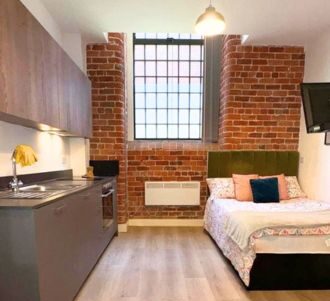
How to Keep Your Student House Warm Without Sending Your Energy Bills Soaring
As autumn turns colder and winter starts to creep in, student houses across the United Kingdom can suddenly feel a lot less cosy.
Older properties, draughty windows and shared heating can make it tempting to leave the boiler running for hours, but that can quickly become expensive.
For students already balancing rent, food, travel and social spending, rising energy use can put unnecessary pressure on a monthly budget. The good news is that keeping a student house warm does not always mean turning the thermostat up.
A few practical changes can make a noticeable difference to comfort while helping to keep energy bills under control.
Start With the Heating Schedule
One of the simplest ways to reduce wasted energy is to make sure the heating is only running when people actually need it.
If your student house has a programmable thermostat or heating timer, agree as a household when the heating should come on. For example, it may make sense to warm the house before everyone gets up in the morning and again during the evening.
Leaving the heating on all day when everyone is at lectures, work or in the library is usually unnecessary.
Students at universities including the University of Birmingham, University of Nottingham and University of Manchester may find that different housemates have completely different timetables, so it is worth having a quick conversation rather than assuming everyone needs the heating at the same time.
Do Not Automatically Turn the Thermostat Right Up
When the house feels freezing, turning the thermostat to its highest setting can feel like the quickest solution. However, setting the temperature higher does not usually make the house heat up faster. It simply means the heating keeps running until the higher temperature is reached.
Instead, aim for a comfortable and sensible temperature and allow the heating time to do its job.
It is also worth remembering that student bedrooms are often smaller than communal areas, which means they may warm up relatively quickly.
Stop Heat Escaping Through Draughts
Student properties, particularly older terraced houses, can lose a surprising amount of heat through gaps around doors and windows.
You may be able to reduce draughts using inexpensive measures such as draught excluders at the bottom of doors or removable sealing strips around windows.
Closing internal doors can also help keep warmth in the rooms being used rather than allowing heated air to circulate through hallways and unused spaces.
However, avoid permanently blocking ventilation points, air bricks or extractor systems. Ventilation is important for reducing condensation and damp.
Make Better Use of Curtains and Blinds
Curtains are not just decorative. They can provide an additional barrier between a cold window and the rest of the room.
Close curtains once it gets dark to help retain heat, particularly in bedrooms and living rooms. During sunny winter days, opening them can allow natural warmth and light into the property.
Just make sure curtains are not hanging directly over radiators, as this can trap heat between the radiator and the window rather than allowing it to circulate properly around the room.
Keep Radiators Clear
In a small student house, furniture often ends up wherever it fits. Unfortunately, placing a sofa, bed or desk directly in front of a radiator can reduce how effectively heat spreads through the room.
Try to leave some space around radiators where possible.
If a radiator feels cold at the top but warm at the bottom, it may also need bleeding. This is usually something worth raising with the landlord or letting agent if you are unsure what to do.
Tenants should also report radiators that are not heating properly rather than relying on portable heaters as a permanent solution.
Layer Up Before Reaching for the Heating
There is nothing wrong with using the heating when the house is genuinely cold, but sometimes the cheaper solution is simply adding another layer.
Jumpers, thick socks, slippers and blankets can make a significant difference, particularly when studying in one room for several hours.
If you are working on an assignment at the University of Leeds, Cardiff University or Loughborough University, for example, heating the entire house while everyone else is out may not always make sense if you can stay comfortable in one space.
Be Careful With Portable Heaters
Portable electric heaters can be useful in certain situations, but they can also be expensive to run if used for long periods.
They should never be covered with clothes or bedding and should be kept away from curtains, furniture and other flammable materials.
Avoid using portable heaters as a substitute for reporting a genuine heating problem to your landlord. If the property’s main heating system is not working correctly, that needs to be addressed.
Talk About Energy Use as a Household
Many problems with shared energy bills come down to communication.
One housemate may want the heating on constantly while another is trying to keep costs as low as possible. Agreeing some basic household rules early can prevent arguments later.
It may help to decide:
- When the heating will normally come on
- What temperature feels reasonable
- Who checks meter readings or energy accounts
- How unexpected increases in usage will be discussed
If bills are included in your rent, check your tenancy agreement carefully. Some student accommodation packages include a fair usage allowance, which means excessive energy consumption could still result in additional charges.
Report Problems Instead of Putting Up With Them
If your student house is unusually difficult to heat, constantly damp or has windows and doors that do not close properly, the issue may be with the property rather than your heating habits.
Contact your landlord or letting agent and report problems clearly, preferably in writing.
Universities such as the University of Bristol, Durham University and Newcastle University also have student accommodation or housing advice services that may be able to provide guidance if you are unsure about your rights or responsibilities as a tenant.
Stay Warm Without Wasting Energy
Keeping a student house warm does not have to mean running the heating around the clock.
Using timers properly, reducing draughts, keeping radiators clear and agreeing sensible habits with housemates can all help make a property more comfortable without unnecessary energy use.
The biggest savings often come from small changes repeated every day. And when several students are sharing the same house, getting everyone involved can make an even bigger difference to both the temperature and the monthly bill.
Blogs you may also like:
- Being Prepared for Big Energy Saving Week
- Keeping Warm and Saving Money: Practical Steps for a Cosier, Cheaper Winter
- Earth Day: 15 Easy Wins for Greener Student Living That Also Save Money
Read More

A Student’s Guide to Renting Your First House
Moving into your first student house is a big milestone.
After a year in halls or living at home, suddenly you are responsible for choosing where you live, understanding a tenancy agreement, paying bills and making sure everyone in the house pulls their weight.
It can feel like a lot, especially if you have never rented privately before.
The good news is that student renting becomes much easier once you know what to look out for. From deposits and guarantors to inventories and viewings, this guide covers the main things you need to understand before signing for your first student house.
Start With the Right Budget
Before arranging viewings, work out what you can realistically afford.
Rent is only one part of the cost. Depending on the property, you may also need to pay for gas, electricity, water, broadband and other household expenses.
Some student properties include bills within the rent, while others require tenants to arrange and pay for everything separately. Neither option is automatically better, but you need to know exactly what you are getting.
Think about your maintenance loan, part-time income and any financial support you receive before agreeing to a monthly rent figure.
Students at universities in cities such as Bristol, Birmingham, Manchester and Nottingham can face very different rental prices depending on the area they choose, so researching local costs is important.
A slightly cheaper property that is further from campus might save money on rent, for example, but that saving could disappear if you need to pay for buses or trains every day.
Understand How Student Deposits Work
Most landlords or letting agents will ask you to pay a tenancy deposit before you move in.
This is normally used as protection against things such as unpaid rent or damage to the property.
For most private tenancies in England, landlords must protect qualifying deposits in a government-approved tenancy deposit protection scheme. You should be given information explaining where your deposit has been protected.
Do not assume that paying a deposit simply means you will automatically get all of it back when you leave.
Damage beyond normal wear and tear, missing items or unpaid rent could potentially result in deductions. This is one of the reasons why your inventory and move-in photographs are so important.
You may also be asked to pay a holding deposit when reserving a property. Make sure you understand exactly what this payment is for and what happens to it once the tenancy goes ahead.
You May Need a Guarantor
A guarantor is someone who agrees to cover your rent or other financial obligations if you fail to pay.
Student landlords commonly request guarantors because many students do not have a full-time salary or long rental history.
Parents or guardians often act as guarantors, although landlords may have requirements around income, home ownership or UK residency.
Do not leave this conversation until the last minute. If your landlord requires guarantors, everyone in your group should find out what documentation is needed before paying money or committing to the property.
You should also read the guarantor agreement carefully.
In some shared student tenancies, the wording can potentially make a guarantor responsible for more than just one person’s share of the rent. If anything is unclear, ask the landlord or letting agent to explain it before anyone signs.
Read the Tenancy Agreement Properly
It is tempting to scroll to the bottom of a tenancy agreement and sign it immediately, particularly if you are worried another group might take the house.
Don’t.
Your tenancy agreement is a legal contract and sets out the responsibilities of both the tenants and landlord.
Check important details including the tenancy start and end dates, monthly rent, deposit amount and payment dates.
You should also look for rules covering pets, guests, smoking, decorating, repairs and ending the tenancy early.
If you are renting with friends, you may have a joint tenancy. This can mean that everyone has responsibility for the rent, rather than simply being responsible for their individual bedroom.
Make sure everyone understands what they are agreeing to.
Most universities also offer some form of accommodation or housing support. Students at institutions such as the University of Leeds, University of Sheffield and University of Exeter, for example, can usually access guidance through their university or students’ union if they are unsure about private renting.
Check Whether Bills Are Included
One of the most important questions to ask is whether the advertised rent includes bills.
A property listed at £140 per week with bills included is very different from one costing £140 per week before gas, electricity, water and broadband are added.
If bills are not included, talk to your future housemates about how you will manage them.
Someone may need to take responsibility for setting up energy accounts, broadband and other household services.
It is also worth agreeing how costs will be divided. In most student houses, splitting bills equally is the simplest approach, although things can become more complicated if someone moves in late or spends long periods away.
Remember that full-time students are generally exempt from Council Tax, although there can be complications if someone living in the property is not a full-time student.
If you are unsure, check the rules with the local council rather than assuming you do not need to do anything.
Take Viewings Seriously
Student house viewings are not just about deciding whether you like the kitchen or whether the bedrooms are big enough.
Look closely at the condition of the property.
Check windows, doors, heating and signs of damp or mould. Turn taps on, inspect bathrooms and ask whether appliances such as the washing machine, fridge and oven are included.
Storage is another factor students often overlook.
A house for five people may technically have five bedrooms, but if there is very little kitchen storage or only one small fridge, everyday life could quickly become frustrating.
Location matters too. Check how long it takes to walk to university, supermarkets, bus stops and local amenities.
Students at universities such as Loughborough University, Cardiff University or the University of Birmingham may find that popular student areas are not directly beside campus, so transport and walking routes should form part of your decision.
If possible, visit the area at different times of day as well. A quiet street during a lunchtime viewing might feel very different on a Friday night.
Questions to Ask During a Student House Viewing
Do not be afraid to ask questions. A good landlord or letting agent should expect them.
Useful things to ask include:
- Are gas, electricity, water or broadband included in the rent?
- How much is the deposit?
- When is rent due?
- Who manages repairs?
- What furniture and appliances are included?
- Is there secure bike storage?
- How is the property heated?
- When was the boiler last serviced?
- Does the property have working smoke alarms?
- Are there any known damp or mould problems?
- Who looks after the garden?
- Is there parking available?
- Can current tenants provide any feedback about the house?
If the agent seems unwilling to answer straightforward questions, that should encourage you to investigate further before committing.
Do Not Ignore the Inventory
When you move in, you should receive an inventory describing the condition of the property and its contents.
Take this seriously. Go through every room and compare what you see with the inventory.
If the document says a bedroom carpet is in excellent condition but there is already a large stain, report it immediately.
Take photographs or videos when you move in, especially of any existing marks, scratches, broken furniture or damage.
Keep copies somewhere safe.
Your inventory provides evidence of the property’s condition at the start of your tenancy. Without it, disagreements over deposit deductions can become much harder to resolve.
It is worth doing the same thing when you move out.
Check Safety and Licensing
A cheap property is not a good deal if it is unsafe.
Look for working smoke alarms and ask about gas and electrical safety documentation.
Larger shared student houses may also require an HMO licence depending on the number of tenants and local authority rules.
You do not need to become an expert in housing regulations, but you should expect your landlord to follow the rules that apply to the property.
Universities and students’ unions can also be useful sources of advice if you are concerned about housing standards.
Choose Your Housemates Carefully
Your dream student house can quickly become stressful if the people living in it cannot agree about money, cleaning or guests.
Before signing anything, have an open conversation about how everyone expects the house to work.
Discuss cleaning, bills, food, parties, partners staying over and how communal spaces will be used.
It may feel unnecessarily serious when you are choosing a house with close friends, but these conversations can prevent arguments later.
Remember that being great friends does not automatically mean you will enjoy living together.
Do Not Feel Pressured Into Signing
Student housing markets can move quickly, especially in popular university cities.
However, phrases such as “you need to sign today” should not stop you from checking what you are agreeing to.
Read the contract, inspect the property and make sure everyone in your group is comfortable.
A house is a significant financial commitment, often lasting an entire academic year.
Taking an extra hour to understand the tenancy is far better than spending months dealing with a property you rushed into.
Your First Student House Should Still Feel Like Home
Renting your first student house comes with more responsibility than university accommodation, but it also gives you more freedom.
You can choose your housemates, create your own routines and make the property feel much more like home.
The key is to approach the process with your eyes open.
Check the costs, understand the contract, protect yourself with an inventory and photographs, and ask plenty of questions before signing.
Once the paperwork is sorted and the boxes are unpacked, you can concentrate on the much more enjoyable part: making your first student house somewhere you actually enjoy living.
Blogs you may also like:
- Renting Changes on 1 May 2026: The April Checklist for UK Students
- How to Check a Student Tenancy Agreement Before Signing: A Practical Guide for UK Renters
- Students in the UK Face Tougher Housing Choices: How Loc8me Can Help
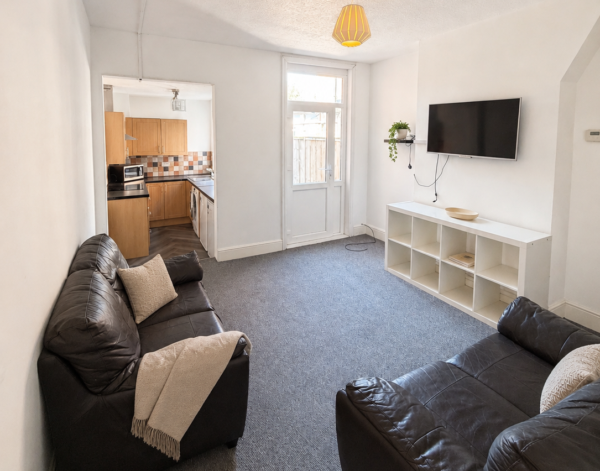
How to Get Along With Your New Student Housemates
Moving into student accommodation is one of the biggest changes that comes with university life.
One minute you might be living at home with your family, and the next you are sharing a kitchen, bathroom and living space with people you only met a few days ago.
For some students, housemates quickly become close friends. For others, the relationship is more about learning how to live together peacefully. Both are completely normal.
Whether you are moving into halls at the University of Birmingham, sharing a house near Cardiff University or starting your first year at Nottingham Trent University, getting along with new housemates usually comes down to communication, consideration and dealing with small issues before they turn into much bigger ones.
Here are some of the main areas worth talking about early on.
Talk About Cleaning Before the Kitchen Becomes a Disaster
Cleaning is probably one of the most common sources of tension in shared student accommodation.
Everyone has a different idea of what “clean” means. One person might wash their plate immediately after eating, while someone else is perfectly comfortable leaving dishes beside the sink until tomorrow.
Neither person necessarily thinks they are being unreasonable.
The easiest approach is to have a casual conversation about cleaning within the first few days of living together. You do not necessarily need a complicated rota, but it can help to agree on some basic expectations.
For example, everyone could agree to wash their own dishes, take turns emptying bins and rotate responsibility for cleaning shared areas such as the kitchen and bathroom.
If your student house has five or six people living in it, even a basic cleaning system can prevent one person from feeling like they are doing everything.
Just remember that cleaning rotas only work if everyone actually follows them.
Be Considerate About Noise
University accommodation is rarely silent, and nobody should expect it to be.
There will be music, conversations, people cooking late at night and housemates coming home after nights out. However, there is a difference between normal shared-house noise and regularly keeping everyone awake.
It is worth finding out everyone’s schedule.
A student studying medicine at the University of Leicester, for example, might have early placements, while another housemate could have lectures starting much later in the day.
You do not have to live silently, but being aware of each other’s routines makes a huge difference.
If you are planning a party or having friends over, let your housemates know beforehand. Equally, if someone’s music is regularly keeping you awake, mention it early rather than quietly becoming more annoyed every night.
A polite conversation is usually far easier than an argument three weeks later.
Decide How Shared Food Is Going to Work
Food can become surprisingly complicated in student houses.
Are the milk, bread and butter shared? What about cooking oil? Sauces? Coffee? Toilet roll?
There is no single correct system.
Some student houses share basic items and take turns buying replacements. Others keep absolutely everything separate. Many use a mixture of both.
Whatever you choose, make it clear.
Taking someone’s food without asking might seem minor, but repeated incidents can quickly become frustrating, particularly when everyone is trying to manage a student budget.
If something is clearly somebody else’s, ask before using it.
And if you finish the shared milk at midnight, replacing it the next morning is usually a good way to stay popular.
Respect People’s Boundaries Around Guests
Having friends, partners and course mates visiting is part of university life.
Problems usually appear when occasional visitors slowly become unofficial additional housemates.
If your partner stays over once or twice a week, your housemates might not care at all. If they are staying five nights a week, cooking in the kitchen every evening and using the shower every morning, people may understandably start feeling differently.
Be considerate and communicate.
If you are planning to have several people around, tell your housemates first. It is especially important if people are staying overnight or you are planning a gathering that could be noisy.
The same applies to everyone’s personal space.
Bedrooms should generally be treated as private unless somebody has invited you in. Knocking before entering might sound obvious, but small boundaries like this make shared living far more comfortable.
Bathroom Etiquette Matters More Than You Think
If several students are sharing one bathroom, organisation becomes important surprisingly quickly.
Morning lectures can create a rush, particularly if everyone needs to leave at roughly the same time.
Being aware of how long you spend in the bathroom can help.
A 45-minute shower at 8am might not bother anyone on Saturday, but it could cause serious frustration on a Monday morning when three people have 9am lectures.
Keeping the bathroom reasonably tidy also matters.
Remove your clothes, empty shampoo bottles and towels rather than leaving everything behind for someone else to deal with.
If you regularly notice the toilet roll is empty, replacing it takes about ten seconds and will probably be appreciated more than you realise.
Sort Out Bills Early
Bills are another area where misunderstandings can easily cause tension.
If you are living in bills-inclusive student accommodation, things may be fairly straightforward. However, students living in private rented houses may need to manage electricity, gas, water, broadband and other household costs themselves.
Agree early on how bills will be divided and who is responsible for paying them.
Apps and shared spreadsheets can make tracking expenses much easier, particularly when several people are contributing.
Avoid allowing one housemate to constantly pay for everything and chase everyone else afterwards.
Pay people promptly.
Nobody enjoys repeatedly sending messages asking for £18.74 towards the electricity bill.
Full-time students are normally exempt from council tax, although households should make sure the relevant local authority has the correct student details. Students living with non-students may also encounter different arrangements, so it is worth checking rather than assuming.
Remember That Everyone Has Different Habits
One of the biggest adjustments to shared student living is realising that not everyone grew up doing things the same way.
People cook differently, socialise differently and have different routines.
Some people will happily sit in the kitchen chatting for hours. Others might spend more time in their room and prefer having more personal space.
Neither approach means somebody is unfriendly.
Your housemates may also come from completely different parts of the United Kingdom or different countries altogether.
At universities such as Manchester, Leeds, Bristol and Warwick, students can find themselves sharing accommodation with people from a huge range of backgrounds and cultures.
Being curious and respectful about those differences can make living together much more enjoyable.
You might even discover new food, traditions, music or ways of doing things along the way.
Do Not Let Small Problems Build Up
One of the worst things you can do in a shared house is quietly collect grievances.
Someone leaves dishes out on Monday.
Then they use your milk on Wednesday.
Then they play music loudly on Thursday night.
By Sunday, something completely minor happens and suddenly there is a huge argument about everything from the past week.
Addressing problems politely when they first appear is usually much easier.
You do not need to turn everything into a formal house meeting.
Sometimes a simple conversation such as, “Would you mind washing the pans after you use them? I needed one earlier and they were all dirty,” is enough.
Focus on the behaviour rather than attacking the person.
There is a big difference between saying someone left the kitchen messy and telling them they are a messy person.
Have the Occasional House Meeting
It might sound slightly formal, but a quick house meeting every now and again can genuinely help.
It does not need minutes, agendas and a PowerPoint presentation.
Ten minutes around the kitchen table can be enough to talk about cleaning, bills, upcoming parties or anything else affecting the household.
It also gives quieter housemates an opportunity to raise something they might otherwise avoid mentioning.
If your accommodation is managed by a university or student accommodation provider, there may also be support available if disagreements become difficult to resolve independently.
Make an Effort to Do Things Together
You do not have to become best friends with your housemates, but making a small effort socially can make the house feel much more relaxed.
Cook dinner together occasionally.
Watch a film.
Go for a drink.
Explore the local area.
Even something as simple as ordering a takeaway together after lectures can help people get to know each other.
Living with people becomes much easier when everyone sees each other as individuals rather than simply the person who keeps leaving pasta in the kitchen sink.
At the same time, nobody should feel pressured to participate in everything. Some students need more downtime than others, particularly during busy periods of university.
Respect Goes Further Than Having Loads of Rules
Successful student houses rarely work because they have dozens of rules stuck to the fridge.
They work because people think about how their actions affect everyone else.
Wash the pan after using it. Turn the music down if someone has an early lecture. Replace something if you finish it. Ask before inviting ten people over. Pay your share of the bills on time.
None of these things are particularly complicated, but together they can make shared living much easier.
Give Everyone Time to Adjust
The first few weeks of university can feel intense.
People are dealing with new courses, unfamiliar surroundings, new friendships, finances and being away from home, often all at the same time.
Your housemates might be nervous, homesick, overwhelmed or simply tired.
Relationships can also take time to develop.
You might not instantly click with everyone during Freshers’ Week, only to become much closer a few months later.
The best approach is usually to communicate, be considerate and give people a little space when they need it.
Living with new people is a learning experience, but it can also become one of the most memorable parts of university life. A good student house does not have to be perfect. It simply needs people who are willing to respect each other, talk when something is bothering them and occasionally remember whose turn it is to take the bins out.
Blogs you may also like:
- Living With Housemates: The ‘Low-Drama’ Guide to Chores, Bills, Guests and Noise
- How to Settle Into University When You’re Living Away From Home for the First Time
- The Complete Guide to Student Safety at University

Student Accommodation Bills Explained: What Is Included and What Costs Extra?
Moving into student accommodation brings plenty of new experiences, from choosing housemates to figuring out who keeps leaving their washing-up in the sink.
It can also introduce something slightly less exciting: household bills.
For students moving out of university halls and into a private house or flat, the advertised rent is not always the full amount they will need to budget for each month. Electricity, gas, water, broadband and even a TV Licence can all potentially sit on top of the rent.
This is why understanding the difference between bills-inclusive and non-inclusive student accommodation is so important. A property with a slightly higher weekly rent may actually work out better once utilities are taken into account, while a cheaper-looking property could become considerably more expensive after all the extras have been added.
Whether you are starting at the University of Bath, studying at Loughborough University or moving into a shared house after your first year at the University of Bristol, knowing exactly what you are paying for can make student budgeting much easier.
What Does Bills-Inclusive Student Accommodation Mean?
Bills-inclusive accommodation generally means that some or all household utility costs are incorporated into the rent.
Commonly included bills can include:
- Electricity
- Gas
- Water
- Broadband
- Sometimes a TV Licence
Exactly what is covered will depend on the property and tenancy agreement.
For rented properties in England, government guidance states that landlords can include utilities such as gas, electricity, water and broadband within rent. Where utilities are included, this should be clearly stated within the tenancy agreement.
That last point is important. Never assume that the phrase “bills included” automatically means absolutely everything.
One landlord might include electricity, gas, water and internet, while another could include broadband and water but leave tenants responsible for energy costs.
Before signing, ask for a clear breakdown.
The Biggest Advantage of Bills-Inclusive Accommodation
For many students, the biggest benefit is predictability.
Instead of paying £550 in rent one month and then discovering that another £70 or £80 is needed for utilities, students usually have one regular accommodation payment to plan around.
This can be particularly useful when managing a maintenance loan, part-time job income or financial support from family.
It can also reduce arguments between housemates.
In a four or five-bedroom student house, nobody particularly wants to become the unofficial finance manager responsible for chasing everyone for their share of the electricity bill.
Bills-inclusive accommodation largely removes that responsibility.
However, there is something important to check: fair usage policies.
Some inclusive properties place limits on energy consumption. If the household uses significantly more than the allowance specified in the contract, tenants may have to pay additional charges.
So while “bills included” sounds simple, students should still read the small print.
What Happens in a Non-Inclusive Property?
Non-inclusive accommodation normally means tenants pay their rent to the landlord or letting agent and organise some or all utilities themselves.
This often means opening accounts with energy, water and broadband providers when moving in.
The advantage is control. Students can shop around for suitable broadband packages, monitor energy consumption and potentially keep bills lower by being careful with household usage.
The disadvantage is uncertainty.
Energy consumption is rarely identical every month. A student house might use relatively little heating during September before bills rise as winter arrives.
That means the true cost of the accommodation is not simply the advertised rent.
When comparing properties, it is better to think about:
Rent + estimated bills = actual monthly housing cost.
That makes it much easier to compare a bills-inclusive property fairly with one where utilities are paid separately.
Electricity: One of the Bills Students Need to Watch
Electricity covers much of everyday student life, including lighting, laptops, televisions, gaming equipment, kitchen appliances and potentially heating.
In a non-inclusive house, the household will normally need to pay the electricity supplier directly.
Usage can vary considerably depending on the property and the habits of the people living there. A house full of students regularly using PCs, televisions, tumble dryers and electric heaters is naturally going to consume more electricity than a household that is more careful.
If electricity is included in the rent, check whether usage is unlimited or subject to an allowance.
Students should also take meter readings when moving into and leaving a property where they are responsible for utilities. This helps prevent disagreements about energy used before or after the tenancy.
Gas: Particularly Important During Winter
Many student houses use gas for central heating, hot water or cooking.
That can make gas one of the more seasonal household costs.
September might seem manageable, but bills can look very different once November, December and January arrive and the heating starts being used regularly.
This is worth remembering when viewing student accommodation during spring or summer. A property might feel perfectly comfortable on a warm afternoon, but students should still ask about its heating system, insulation and energy efficiency.
In bills-inclusive properties, heating costs may already be covered, although again there may be reasonable usage limits.
Water: Check Whether It Is Included
Water is another bill students should never automatically assume is included.
Depending on the property, water charges may either be incorporated into the rent or paid separately by tenants.
If tenants are responsible, the household should find out who supplies the property and make sure the account is correctly set up.
Charges can also depend on whether the property has a water meter.
This is another reason why checking the tenancy agreement before signing matters. Government guidance allows water charges to be included alongside other utilities where this has been agreed as part of the tenancy.
Broadband: A Student Essential
For most university students, broadband is less of a luxury and more of an essential household utility.
Lectures, research, online learning platforms, video calls, streaming and gaming can all place significant demands on a connection, particularly when four, five or six people are using it at the same time.
Bills-inclusive properties frequently include broadband, which can be extremely convenient because the internet may already be active when students move in.
If broadband is not included, look carefully at contract length.
A long broadband agreement might not line up perfectly with a student tenancy, potentially leaving someone responsible for payments after moving out.
Students receiving certain qualifying benefits may also be eligible for broadband social tariffs. Ofcom describes these as lower-cost broadband packages offered to eligible households and notes that many can be left without an early exit fee.
Do Students Need a TV Licence?
This is where confusion often begins.
Simply owning a television does not automatically mean you need a TV Licence.
However, you generally need one if you watch or record television programmes live on any channel or TV service, or if you use BBC iPlayer. These rules apply across devices, including televisions, laptops, tablets and smartphones.
If you only use services such as Netflix or other streaming platforms to watch programmes on demand and do not use BBC iPlayer or watch live television, a licence may not be required.
Students living in halls should not automatically assume that the university’s licence covers their bedroom. TV Licensing states that communal areas may be covered separately, while students can still require their own licence for viewing in their room.
In shared houses, the situation can also depend on the tenancy arrangement, so it is worth checking rather than assuming that one licence automatically covers everyone.
What About Council Tax?
Here is some good news for most full-time students.
A household where everyone qualifies as a full-time student does not normally have to pay Council Tax. Government guidance states that households occupied entirely by full-time students are exempt.
However, students living in private accommodation may need to apply for the exemption rather than assuming it happens automatically.
Universities can usually provide proof of student status when required.
Things become slightly more complicated in mixed households.
If someone living in the property is not a full-time student, the property may still receive a discount, but a Council Tax bill could become payable.
This can matter particularly for students living with partners, friends who are working full-time or people who have recently graduated.
So, before choosing housemates, it is worth understanding everybody’s student status.
Bills-Inclusive vs Non-Inclusive: Which Is Better?
There is no universal winner.
Bills-inclusive accommodation can be ideal for students who value simplicity and want predictable monthly spending.
There is less administration, fewer bills to divide between housemates and usually less chance of an unexpectedly expensive winter month.
Non-inclusive accommodation, meanwhile, can work well for students who want more control.
Careful households may be able to keep their utility costs down, select their own suppliers and choose broadband packages that suit them.
The important thing is not to judge accommodation on rent alone.
A £125-per-week property with several additional bills could ultimately cost more than a £145-per-week property where electricity, gas, water and broadband are already covered.
Questions to Ask Before Signing
Before committing to student accommodation, find out exactly what the advertised price includes.
Ask whether electricity, gas, water and broadband are covered, whether there is a usage allowance, what happens if that allowance is exceeded and whether the broadband is already installed.
Students should also confirm whether they need to organise their own TV Licence and whether any member of the household could affect the property’s Council Tax exemption.
Most importantly, check that the answers match what is written in the tenancy agreement.
Know the Real Cost of Your Student Home
Student accommodation budgeting becomes much easier once you stop thinking only about rent.
The real question is: what will this property cost me every month once everything is included?
For some students, paying slightly more for bills-inclusive accommodation will provide valuable certainty. For others, organising utilities independently could provide greater flexibility and potentially reduce costs.
Neither option is automatically better.
What matters is knowing exactly what you are signing up for before collecting the keys.
A few questions before signing a tenancy could prevent months of confusion later and leave you with something every student would appreciate: fewer surprise bills and a little more money left in the monthly budget.
Blogs you may also like:
- Student Bills in Summer: What to Know Before You Leave Your House Empty
- Top Tips on Easy Ways to Organise Your Utility Bills
- The Benefits of All-Inclusive Bills for Students
What to Do When Student Accommodation Appears to Be Fully Booked
Finding out that student accommodation appears to be fully booked can be alarming, particularly when the start of term is only weeks away.
Whether you have secured a late university place, entered through Clearing or simply missed an accommodation deadline, it can feel as though every suitable room has already disappeared.
However, “fully booked” does not always mean that every room has been permanently taken. Accommodation availability changes regularly as students alter their plans, miss payment deadlines, defer their studies or decide to attend a different university.
The key is to act quickly while remaining flexible about the type and location of accommodation you consider.
Contact the University Accommodation Team
Your first step should be to contact the university’s accommodation office directly. Do not rely entirely on what appears on an online booking portal, as the team may know about rooms that are due to be released, cancellations that have not yet been processed or alternative residences operated by approved partners.
Explain that you have accepted a university place and need accommodation. Include your student number, expected arrival date, preferred budget and any essential accessibility or welfare requirements.
Some institutions also provide accommodation guarantees for students who meet particular conditions. These conditions can depend on when the student applied, whether the university is their firm choice and the type of course they are studying.
Even when you are outside the guarantee, the accommodation team may still be able to recommend realistic alternatives.
Join Every Relevant Waiting List
Waiting lists should be treated as an active housing option rather than a final rejection.
At UCL, for example, accommodation waiting lists can remain open throughout the academic year, with places allocated according to preferences, budget and availability rather than simply going to the first person who applied.
Ask how the waiting list works, when allocations are reviewed and whether you need to regularly reconfirm your interest. Some universities may remove applicants who fail to respond to messages within a limited period.
You should also check whether individual halls, private student accommodation providers or university partnerships operate separate waiting lists. Joining several lists increases your options, but keep an accurate record of every application so that you do not accidentally accept conflicting contracts.
Keep Checking Because Availability Can Change Quickly
A room that is unavailable in the morning may reappear later that week. Students regularly cancel bookings after receiving a different university offer, deciding to commute or choosing to live with friends.
UCL advises that the rooms shown through its accommodation portal represent what is available at that particular moment. Rooms may be released at different stages, while cancellations can create new spaces without much warning.
Check accommodation portals frequently and monitor your emails, including your spam folder. When a suitable room becomes available, you may have only a short period in which to accept it, sign an agreement and make the required payment.
Look Beyond University-Managed Halls
Private purpose-built student accommodation can offer a similar experience to university halls, often including furnished rooms, communal areas, internet access and bills within the rent.
Availability may differ from the university’s own housing stock, so contact individual providers rather than assuming that every building in the city is full.
Private rented houses and flats are another option. Many universities operate approved housing services or work with local organisations that advertise properties and provide contract advice.
Before paying a deposit, confirm who owns or manages the property, request a viewing and read the complete tenancy agreement. University housing advisers may be able to check a contract before you sign it.
Search for Spare Rooms in Existing Houses
Entire student properties may be difficult to find close to the beginning of term, but individual spare rooms are often advertised when someone withdraws from university or leaves an existing house share.
Check university noticeboards, students’ union housing groups, approved accommodation platforms and flatmate-finding services. You may be able to join a group that has already secured a property but needs one more tenant.
Ask who currently lives in the house, how bills are divided, how long the tenancy lasts and whether the landlord has approved the tenant change.
Never send money solely because someone claims that several other students are interested. A genuine sense of urgency should not prevent you from verifying the property and agreement.
Expand Your Search to Alternative Neighbourhoods
The best-known student neighbourhoods often fill first, but nearby districts may offer better availability, lower rents or quieter surroundings. Focus on travelling time rather than distance alone.
A property farther from campus could still be practical if it is located near a frequent bus, tram or train route.
Students at the University of Leeds, Leeds Beckett University and other institutions may initially concentrate on Hyde Park, but areas such as Headingley and Burley can also provide transport connections.
The University of Leeds describes Hyde Park as a major student area with bus and rail links, while Headingley also has regular connections to the campus and city centre.
In Manchester, searches can extend beyond the city centre to Fallowfield and Withington. Students attending the University of Nottingham may also consider Lenton, Beeston, Dunkirk, Wollaton or Radford, depending on their campus and transport needs.
Use Temporary Accommodation as a Bridge
When no long-term room is immediately available, temporary accommodation can give you time to attend viewings after arriving in the city. Options may include a hostel, hotel, guest house, serviced apartment or short-term rental.
This should be treated as a temporary solution with a clear budget and end date. Contact the university before booking, as some institutions maintain short-stay lists or may know of late rooms becoming available.
The University of Cambridge, for example, suggests that students who need to view properties locally may temporarily stay in a hotel or bed and breakfast.
Most importantly, do not panic into signing an unsuitable contract. Student accommodation markets can move quickly, but so can cancellations and new listings.
By staying in regular contact with the university, widening your search and checking availability frequently, you can turn an apparent dead end into a manageable housing plan.
Blogs you may also like:
- Student Accommodation Red Flags To Watch Out For Before Signing for Next Year
- Student Accommodation Myths: What Freshers Think They Need Versus What Actually Matters
- When Is the Best Time to Start Looking for Student Accommodation?

International Students’ Guide to Clearing and UK Accommodation
Applying to university in another country can already feel complicated.
When Clearing is added to the process, international students may need to make important decisions about courses, visas, travel and accommodation within a relatively short period.
Clearing gives applicants the opportunity to find university places that are still available after the main application cycle. It can be useful for students who applied late, did not receive the results they expected, declined their original offers or have simply changed their plans.
For international applicants, however, securing a course is only one part of the process. Once an offer has been received, attention must quickly turn to immigration documents, finances, travel arrangements and finding somewhere suitable to live.
Understanding How Clearing Works for International Students
Clearing is managed through UCAS and is normally available from July until October. Universities use it to advertise places that remain open on undergraduate courses.
International students can search for available courses through the UCAS website and contact universities directly to discuss entry requirements.
Institutions such as the University of Birmingham, Nottingham Trent University, the University of Leicester and the University of Sheffield may publish dedicated Clearing information, although the courses available will vary from year to year.
Before calling a university, applicants should have their UCAS ID, academic results, English language qualifications and course preferences ready. Universities may also ask why the applicant is interested in the course and whether they are prepared to accept an offer quickly.
An informal verbal offer is not always the final stage. Students may still need to add the course as a Clearing choice through UCAS and wait for the university to formally confirm the place.
Check the Application Requirements Carefully
International entry requirements can differ from those used for UK qualifications. Universities normally publish country-specific guidance explaining how overseas school certificates, diplomas and other qualifications compare with A levels.
Applicants may need to provide copies of academic transcripts, certificates and official translations. Some courses may also require a portfolio, interview, admissions test or evidence of previous study in a particular subject.
English language requirements are another important consideration. A university may accept qualifications such as IELTS, TOEFL, Pearson PTE or certain school-level English results. The accepted tests and minimum scores can vary between universities and courses.
Students should not assume that a university will accept documents later. Clearing can move quickly, so having clear digital copies of qualifications, identification and language test results can make the application process much easier.
Prepare for Time Zone Differences
Time zones can create an additional challenge when contacting United Kingdom universities and accommodation providers.
A student in India, China, Malaysia, Nigeria or the United States may need to make calls early in the morning or late in the evening to speak to a UK admissions team during office hours. It is worth checking whether the university operates extended telephone hours during busy Clearing periods.
Applicants should also monitor their email frequently. Some offers may require a response within a limited timeframe, particularly when places are in high demand.
Creating a clear schedule can help. Students should record the UK opening times of admissions offices, accommodation teams and visa support services, then convert those times into their local time zone.
Where telephone calls are difficult, live chat, online enquiry forms and email can provide alternatives. However, calling may still be the quickest option when a course has limited availability.
Start Looking for Accommodation Immediately
Once a Clearing offer has been secured, accommodation should become a priority.
University-owned halls are often popular because they usually include furniture, utilities and support services. They can also make it easier for students arriving in the UK for the first time to meet other people.
However, spaces may be limited by the time Clearing begins. Some universities guarantee accommodation for certain groups of students, but the conditions may depend on when the application is submitted or whether the university is the student’s firm choice.
Applicants should contact the university accommodation office rather than relying only on the online booking system. Rooms may become available when other students change their plans, fail to meet offer conditions or cancel existing bookings.
Students applying to universities in cities such as Leeds, Manchester, Nottingham, Leicester and Birmingham can also consider purpose-built private student accommodation. These developments often offer en-suite rooms, studios, shared kitchens, security and communal facilities.
Private rented houses and flats are another option, although international students should carefully check the contract, deposit arrangements, included bills and distance from campus.
Use Remote Viewings Where Possible
International applicants may not be able to visit a property before agreeing to rent it. Remote viewings can therefore play an important role in the accommodation search.
Many landlords and student accommodation providers offer live video tours or recorded walkthroughs. A live viewing is usually more useful because the student can ask the agent to show specific parts of the property.
During a remote viewing, students should ask to see the bedroom, kitchen, bathroom, communal areas, windows, locks, storage space and any signs of damp or damage. They should also ask whether the property shown is the exact room being offered or simply an example room.
Google Maps and online street-view services can help applicants explore the surrounding area. Check the distance to campus, public transport connections, nearby shops and the route home after dark.
Reviews can provide additional information, but they should not replace proper checks. Students should verify the identity of the landlord or letting agent and avoid transferring money to someone who refuses to provide a contract or proof that the property exists.
Understand the Guarantor Problem
One of the most common accommodation difficulties for international students is the requirement for a UK-based guarantor.
A guarantor agrees to pay the rent if the tenant fails to do so. Many landlords ask for a guarantor who lives in the UK, has a reliable income and may also need to own property.
International students often cannot meet this requirement because their parents or relatives live overseas. This does not necessarily mean the property is unavailable, but it can affect the payment terms.
Some accommodation providers accept an international guarantor, while others work with professional guarantor companies. These services usually charge a fee and may require students to pass eligibility checks.
Before paying for a guarantor service, students should check that the landlord or accommodation provider accepts that particular company. They should also read the terms carefully to understand what is covered and whether the fee is refundable.
Be Prepared for Advance Rent Requests
When a suitable guarantor is unavailable, a landlord may request several months of rent in advance.
The amount can vary. Some students may be asked for three, six or even 12 months of rent before the tenancy begins. This can create significant financial pressure, especially when combined with tuition deposits, visa fees and travel costs.
Students should ask for a full breakdown of all payments before signing. This should include the rent, security deposit, holding deposit, booking fee and any other charges.
Payments should only be made through a secure and traceable method. Avoid cash transfers or payments to personal accounts where the landlord or agent cannot provide proper documentation.
In England, most tenancy deposits must be placed in a government-approved tenancy deposit protection scheme. Students should receive information explaining where the deposit is protected and how it will be returned at the end of the tenancy.
Organise Your Documents
Accommodation providers may request several documents before confirming a booking. These can include a passport, university offer letter, proof of student status, visa information, financial evidence and details of a guarantor.
A student visa application may also require a Confirmation of Acceptance for Studies, commonly known as a CAS, from the university. The CAS is normally issued after the student has accepted the offer and met the institution’s conditions.
Students should keep digital and printed copies of important documents. Files should be clearly named and stored securely so they can be sent quickly when requested.
It is also important to check that names and dates of birth are consistent across passports, university applications, qualifications and financial documents. Even minor differences can cause delays.
Plan Travel Without Rushing
Receiving a late offer can create pressure to book flights immediately. However, students should first check the course start date, visa processing requirements and the date their accommodation becomes available.
Flexible flight tickets may be more expensive, but they can reduce the financial impact if the visa or university paperwork takes longer than expected.
Students should also research how they will travel from the airport to their university city. Some institutions arrange airport collection services for international students, while others provide guidance on trains, coaches and taxis.
Universities such as the University of Warwick, the University of Bristol and the University of York often provide international arrival information, although services and dates vary. Students should check the latest instructions directly with their institution.
Arriving After Other Students
Some international students who enter through Clearing may arrive after welcome activities or even after teaching has begun. This can feel unsettling, particularly when other students have already moved into their accommodation and formed friendship groups.
Students should contact the university before travelling if they expect to arrive late. The admissions team, international office and academic department may need to approve the arrival date.
Universities may be able to provide online induction materials, recorded sessions or details of alternative registration arrangements. Students should also ask how to collect their student card, enrol on modules and access online learning systems.
Arriving late does not mean missing the entire university experience. Joining societies, attending course events and speaking to accommodation staff can help new students settle in. Many other students will also be looking to meet people during the opening weeks.
Take Each Decision Carefully
Clearing can create a sense of urgency, but international students should still take time to check the course, university and accommodation before committing.
A fast decision should not mean an uninformed decision. Applicants should understand the tuition fees, course content, accommodation costs, travel requirements and visa conditions before accepting an offer.
The most effective approach is to stay organised. Keep application documents ready, monitor UK office hours, ask for remote viewings, understand guarantor requirements and prepare for possible advance rent payments.
For international students, Clearing may involve more practical challenges than the standard application route. With careful planning, however, it can still provide a valuable opportunity to begin studying and living in the UK.
Blogs you may also like:
- UCAS Clearing 2026 Is Open: What University Applicants Should Do Now
- UCAS Clearing Begins: Why Students Should Think About Accommodation Before Results Day
- Step-by-Step Guide to University Applications for International Students

From Clearing Offer to Student University Accommodation: Your Immediate Checklist
Receiving a university offer through Clearing can bring a huge sense of relief, especially after days or weeks of uncertainty.
However, once the excitement settles, attention quickly turns to the next major question: where are you going to live?
Student accommodation after Clearing often moves quickly. Rooms may already have been reserved by applicants who confirmed their places earlier in the year, while other students will be searching at the same time following results day.
Acting promptly can therefore make the difference between securing suitable accommodation and having to compromise on location, price or facilities.
The good news is that there are still plenty of options available. From university halls and private student residences to shared houses and studios, students who approach the process calmly and methodically can still find a comfortable place to live.
Confirm Your University Place First
Before signing an accommodation contract, make sure your university place has been formally confirmed. A verbal conversation or provisional offer may not be enough, particularly if additional documents or qualifications still need to be checked.
Review your UCAS Hub and any emails sent by the university. You may also receive instructions about completing online registration, uploading identification or confirming your acceptance.
Universities such as the University of Leicester, Loughborough University, the University of Birmingham and Nottingham Trent University often provide dedicated Clearing information for successful applicants. Accommodation guidance may arrive separately from the main offer, so check your inbox regularly, including your junk folder.
Once the offer is confirmed, make a note of your course start date, expected arrival period and any induction events. These details will help you decide when your tenancy needs to begin.
Contact the University Accommodation Team
Your first accommodation enquiry should usually be made directly to the university.
Some institutions guarantee accommodation for Clearing applicants who meet specific deadlines, while others allocate remaining rooms on a first come, first served basis.
Ask whether spaces are still available in university-managed halls and whether there is a waiting list. It is also worth checking whether the university works with approved private accommodation providers or maintains a list of trusted local landlords.
Do not assume that halls are unavailable simply because you applied through Clearing. Cancellations, deferred places and changes of university can release rooms throughout August and September.
When contacting the accommodation team, have your student number or Clearing reference ready. This can help staff locate your application and provide accurate information more quickly.
Decide What You Can Realistically Afford
Accommodation costs can vary significantly depending on the city, room type, contract length and whether bills are included.
A studio in central London, for example, is likely to cost considerably more than a room in a shared student house in Leicester, Sheffield or Newcastle.
Work out your maximum weekly or monthly budget before arranging viewings or completing applications. Include rent, deposits, utility bills, internet, travel, food and general living expenses.
A room that appears cheap may become less affordable when gas, electricity, water and broadband are added. Equally, accommodation with bills included may offer greater financial certainty, particularly for first-year students managing their own household costs for the first time.
Check how much student finance you are likely to receive and when payments will arrive. You should also find out whether the accommodation provider requires a guarantor, advance rent payment or holding deposit.
Compare the Main Accommodation Options
University halls can be appealing for Clearing students because they provide a straightforward route into student life. Bills are normally included, maintenance support is available and there are usually plenty of opportunities to meet other students.
Private student accommodation can offer similar benefits, including furnished rooms, communal facilities and on-site management. However, prices and contract terms can differ considerably, so read the details carefully.
Shared student houses may provide more space and flexibility, particularly for students who already know people in the same city. The main challenge after Clearing is that many established friendship groups will have arranged housing months earlier.
Do not let this put you off. Spare rooms regularly become available when students change courses, withdraw from university or alter their plans. University housing groups, student accommodation websites and reputable local letting agents may all advertise individual rooms.
Check the Location Before Committing
A property may look ideal online but still be inconvenient for your course. Check how far it is from the university campus, library, supermarkets, transport links and city centre.
Some universities operate across several campuses. Students attending the University of Manchester, University of Leeds or University of Bristol, for example, should confirm where most teaching sessions will take place before selecting an area.
Use journey-planning tools to check walking and public transport times. A slightly cheaper room may not represent good value if it requires an expensive daily commute.
You should also consider whether the area feels suitable for your lifestyle. Some students prefer lively neighbourhoods close to nightlife, while others value quieter streets and easier access to study spaces.
Read the Tenancy Agreement Carefully
The pressure to find accommodation should never prevent you from checking the contract. Read the full tenancy agreement before signing and make sure you understand the rent, payment schedule, tenancy dates and cancellation rules.
Check whether bills are included, who is responsible for repairs and whether there are extra charges for laundry, parking or administrative services. You should also look for information about deposits, guarantors and what happens if you decide not to attend the university.
Be cautious if you are asked to transfer money before viewing the property, verifying the accommodation provider or receiving a formal agreement. Students searching after Clearing can be targeted by rental scams because fraudsters know they may feel rushed.
Where possible, arrange an in-person viewing or request a live video tour. Photographs alone may not show the property’s current condition.
Prepare for Moving Day Immediately
Once your accommodation is secured, confirm your moving date and find out what is already provided. Most student rooms include basic furniture, but items such as bedding, kitchen equipment, lamps and cleaning products may need to be purchased separately.
Ask whether you need to book an arrival slot, collect keys from a reception desk or complete an online induction before moving in. Universities and private halls may operate staggered arrival times during the busiest weekends.
You should also arrange contents insurance, update your address where necessary and begin planning travel to the property.
Act Quickly, but Do Not Panic
Finding student accommodation after Clearing can feel like a race, but rushing into an unsuitable or unaffordable agreement may create problems throughout the academic year.
Start by confirming your offer, contacting the university and setting a realistic budget. Compare several options, check the location and read every contract before committing.
Clearing may change the timeline, but it does not have to limit your university experience.
With prompt action and careful checks, you can move from accepting your offer to securing accommodation with confidence, ready to begin the next stage of student life.
Blogs you may also like:
- UCAS Clearing 2026 Is Open: What University Applicants Should Do Now
- UCAS Clearing Begins: Why Students Should Think About Accommodation Before Results Day
- August at loc8me: Clearing Chaos, Career Climbs & Community Hugs

How to Check a Student Tenancy Agreement Before Signing: A Practical Guide for UK Renters
Finding the right student accommodation can feel like a major achievement.
After weeks of comparing rooms, organising viewings and agreeing who will live with whom, it can be tempting to sign the tenancy agreement immediately.
However, a tenancy agreement is a legally binding contract, not simply a formality that confirms your booking. It explains what you must pay, what you are responsible for and how you can eventually leave the property. Taking time to check the details could help you avoid unexpected costs, disputes and problems with your housemates later.
Make Sure the Basic Information Is Correct
Begin with the seemingly simple details. Check that your full name is spelled correctly, the property address is accurate and every person who will be living in the accommodation is properly named.
The agreement should also clearly identify the landlord or accommodation provider.
For most private tenancies in England, the written information should explain the rent, payment dates, deposit, notice requirements and the address that can be used to contact the landlord formally. Each joint tenant should receive a copy of the agreement.
Never assume that an obvious mistake will be corrected later. Ask for amendments before signing and keep the final signed copy somewhere secure.
Understand What Type of Agreement You Are Signing
The rules surrounding private renting in England changed significantly on 1 May 2026. Most students renting an ordinary house or flat from a private landlord will now have an assured periodic tenancy, which runs on a rolling basis rather than having a fixed end date.
Students can generally end this type of tenancy by providing two months’ written notice, although the agreement may allow a shorter period.
Different arrangements can apply to university halls, purpose-built student accommodation, lodgings and accommodation in Scotland, Wales or Northern Ireland.
Students at universities such as the University of Leicester, Nottingham Trent University or the University of Manchester should therefore check which legal system and accommodation category applies to them.
Do not rely entirely on the title printed at the top of the document. Your actual living arrangement helps determine the legal rights you have.
Check the Full Cost, Not Just the Weekly Rent
Student accommodation is often advertised using a weekly figure, but the agreement should explain precisely how much rent is due and when payments must be made. Calculate the total cost and compare it with your Student Finance payment dates, wages or other income.
In England, private landlords cannot request rent before the agreement has been signed. For assured periodic tenancies, they can then request no more than one month’s rent in advance. A refundable holding deposit is capped at one week’s rent, while a tenancy deposit is normally capped at five weeks’ rent where the annual rent is below £50,000.
Look for additional charges covering parking, cleaning, internet access, laundry facilities or communal areas. Administration, referencing, credit-check and checkout fees are generally prohibited for private tenancies in England.
Find Out Exactly Which Bills Are Included
The phrase “bills included” can be misleading unless the agreement explains what it covers. Check whether gas, electricity, water, broadband and council tax are included, and whether a fair-usage limit applies.
A property may be advertised as all-inclusive but still contain a utility allowance. If the household exceeds that allowance, the tenants could be responsible for the difference. Government guidance states that utilities included within the rent should be listed in the agreement and accurately reflect the costs involved.
This can be particularly important in larger shared houses in cities such as Nottingham, Leicester, Leeds and Manchester, where energy use can increase quickly during the winter.
Be Careful With Joint Tenancies
Many student houses are rented under a joint agreement. This does not necessarily mean that each student is only responsible for their own room and individual portion of the rent.
Joint tenants can be held jointly and individually responsible for the full rent. If one housemate leaves, stops paying or causes significant damage, the landlord may pursue the remaining tenants for the missing money.
Before signing, discuss finances honestly with your future housemates. You should also establish what will happen if somebody drops out of university, changes course or decides they no longer want to live in the property.
Read the Guarantor Agreement Separately
Students are frequently asked to provide a guarantor, commonly a parent or guardian. A guarantor promises to cover certain costs if the tenant fails to pay them.
The guarantor document should be read just as carefully as the main tenancy agreement.
Under a joint tenancy, the guarantee may cover the entire household’s rent and damage rather than only one student’s share. The wording should clearly explain how long the guarantee lasts, what payments it covers and how it can end.
Never ask somebody to sign as your guarantor without giving them the full agreement and enough time to understand the potential financial responsibility.
Check Rules on Damage, Repairs and the Deposit
Read the sections covering maintenance, cleanliness, decoration and damage.
Students are normally responsible for looking after the property appropriately, but landlords retain legal responsibilities for important repairs and the safety of gas and electrical systems. A contract cannot simply remove rights provided by law.
The agreement should state how much deposit has been paid and how it will be protected. Before moving in, request an inventory containing photographs of the property’s condition. Report stains, broken furniture, damp, damaged appliances and other existing problems in writing so that you are not blamed for them later.
Ask for Independent Advice Before Signing
There is nothing unreasonable about asking for time to read a contract. A reputable landlord or agent should be prepared to answer questions and put any promises in writing.
Students can also use university and students’ union housing services.
Nottingham Trent University highlights contract checking through Unipol, while Manchester Student Homes supports students with private accommodation and can help check contracts.
The University of Leicester also directs students towards private-renting support through its Student Welfare Service and Sulets.
Signing a tenancy agreement should be the final step after checking the property, understanding the costs and confirming your legal responsibilities. A few extra hours spent reading the document could prevent months of financial or housing difficulties.
Blogs you may also like:
- How to Prepare for End-of-Tenancy Without Wrecking Your Exam Routine
- Mid-Tenancy “Mini MOT”: 10 Checks That Protect Your Deposit Later
- What is a Group Tenancy? A Guide for Students in Private Accommodation
Read More
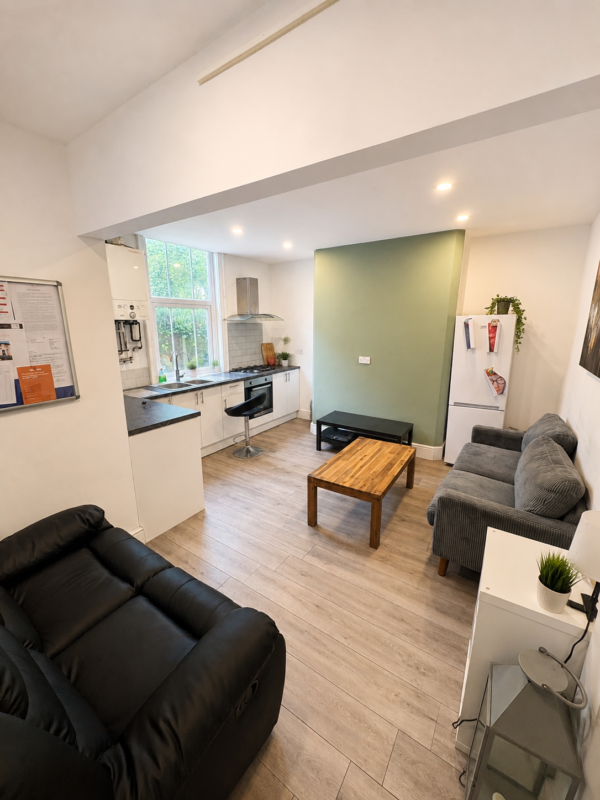
UCAS Clearing Begins: Why Students Should Think About Accommodation Before Results Day
July is a strange month for students waiting on results.
On one hand, school and college may be winding down, summer plans are starting to take shape, and everyone is trying not to think too much about August. On the other hand, UCAS Clearing is already on the horizon, and for many students, it can quickly become one of the most important parts of the university journey.
Clearing can be exciting, stressful, fast-moving and full of possibility. It gives students the chance to find a university place if their original plans change, whether that is because they did better than expected, missed the grades for their first choice, changed their mind about a course, or applied later in the cycle.
But while students often focus heavily on courses, grades and university offers, there is another big part of the decision that can get left until too late: accommodation.
If a student ends up choosing a university through Clearing, they may need to make decisions quickly. That includes where they will live, how much they can afford, what area suits them best, and whether they want halls, private student accommodation or a shared house.
Thinking about those questions before Results Day can make the whole process feel much calmer.
Clearing Moves Quickly, So Preparation Matters
Once A-level, BTEC, T Level and other results are released, Clearing can move at speed. Students may be calling universities, checking course availability, comparing cities and trying to make decisions under pressure.
Universities such as Nottingham Trent University, the University of Leicester, De Montfort University, the University of Manchester, Sheffield Hallam University and the University of Leeds often attract students from across the country.
For those looking at popular student cities, accommodation can become part of the decision almost immediately.
That does not mean students need to have everything sorted in July. They may not even know which city they will be in yet. However, they can still do useful research in advance.
A student who already understands rough rent prices, typical student areas and the difference between accommodation types will be in a much stronger position if their plans change.
Instead of starting from zero on Results Day, they can make quicker, more confident choices.
Accommodation Can Shape the Student Experience
Where a student lives at university is not just a practical detail. It can affect their social life, study routine, budget, travel time and overall confidence when moving away from home.
For some students, halls of residence are the obvious first choice. They can be a good option for meeting people quickly, especially for first years. Others may prefer private student accommodation, particularly if they want more flexibility, different room types or a location closer to certain areas of the city.
Some students may even consider shared housing, especially if they are joining a course later, transferring, or already know people in the city.
In places like Loughborough, Liverpool, Birmingham, Bristol and Newcastle, student areas can vary a lot. One neighbourhood may be known for nightlife, another for quieter living, and another for easy transport links to campus. For students choosing through Clearing, understanding those differences early can help avoid rushed decisions.
It is not just about finding any room. It is about finding somewhere that suits the student’s lifestyle, budget and confidence level.
Budgeting Should Start Before the Offer
One of the most useful things students can do before Results Day is work out their likely accommodation budget.
This means thinking beyond the weekly rent figure. Students should look at whether bills are included, how much deposit is needed, whether rent is paid monthly or termly, and how much they will need for food, travel, laundry, course materials and social life.
For example, a room that looks cheaper at first may not include energy, water, broadband or contents insurance. Another option may cost more each week but include bills, making budgeting easier. There is no one-size-fits-all answer, but students need to understand the full picture before committing.
Parents can also help by having honest conversations early. What support is available? Will the student rely on maintenance loan payments? Will they need a part-time job? Are there upfront costs to prepare for before term starts?
These conversations can feel awkward, but they are much easier in July than during a rushed Results Day decision.
Research the City, Not Just the University
When students are choosing through Clearing, it is natural to focus on the university and course. That matters, of course. But the city matters too.
A student considering the University of Nottingham or Nottingham Trent, for example, may want to understand areas like Lenton, Dunkirk, the city centre and Beeston.
Students looking at Leicester may compare living near De Montfort University, the University of Leicester, Clarendon Park or the city centre. Those considering Sheffield might look at areas around Ecclesall Road, the city centre or closer to campus.
Even a simple bit of early research can help. How far is the accommodation from lectures? Is it walkable? Are there buses? What is the area like in the evening? Are supermarkets nearby? Is the student likely to feel comfortable there?
These practical questions can make a big difference once the excitement of getting a university place turns into the reality of moving.
Students Should Know What to Look For
By July, students do not need to have signed for a room. But they should know what a good accommodation option looks like.
Important things to check include contract length, deposit terms, guarantor requirements, bills, Wi-Fi, safety certificates, maintenance processes and whether the accommodation is managed professionally.
Photos are useful, but they should not be the only deciding factor.
Students should also be careful with pressure. If someone says a room must be taken immediately, it is still worth pausing to read the contract properly. Clearing can feel urgent, but accommodation decisions still need thought.
Where possible, students should save useful links, compare options, ask questions and keep notes. That way, if they do go through Clearing, they already have a shortlist of places, areas or providers to explore.
Results Day Feels Easier With a Plan
No one can predict exactly what will happen on Results Day. Some students will get into their first choice. Others will change direction completely. Some may discover a course that suits them better than their original plan.
That is why accommodation planning is so useful. It gives students a sense of control during a process that can otherwise feel uncertain.
A bit of research in July can help students understand what they can afford, where they might want to live, what questions to ask and how quickly they may need to act. It can also help parents feel more prepared, especially if their child ends up choosing a university in a city they had not originally considered.
Clearing Is About Opportunity, Not Panic
UCAS Clearing should not be seen as a last-minute scramble. For many students, it becomes the route to the right course, the right city and the right university experience.
But the best Clearing decisions are rarely made on course title alone. Students also need to think about where they will live, how they will manage their money, and what kind of environment will help them settle in.
So, as Clearing begins and Results Day approaches, students should use July wisely. Research the rooms. Compare the areas. Understand the budgets. Ask the practical questions early.
Because once the offer comes through, knowing where you could live can make the next step feel much less overwhelming.
Blogs you may also like:
- Student Accommodation Red Flags To Watch Out For Before Signing for Next Year
- What to Look for in Your First Student Accommodation: A Friendly Guide for First-Years
- When Is the Best Time to Start Looking for Student Accommodation?